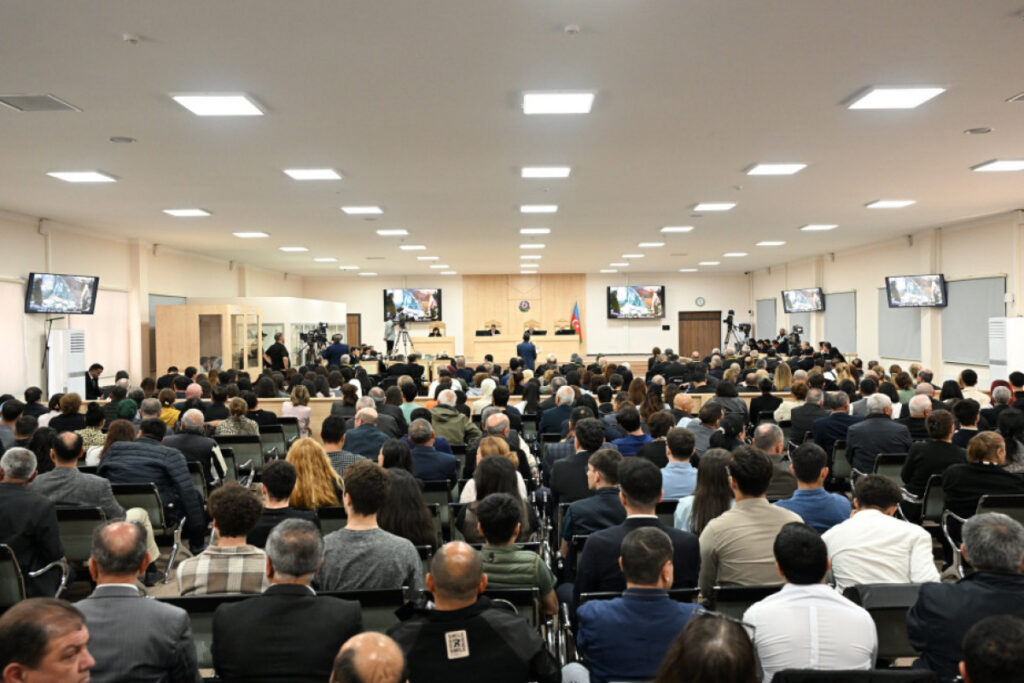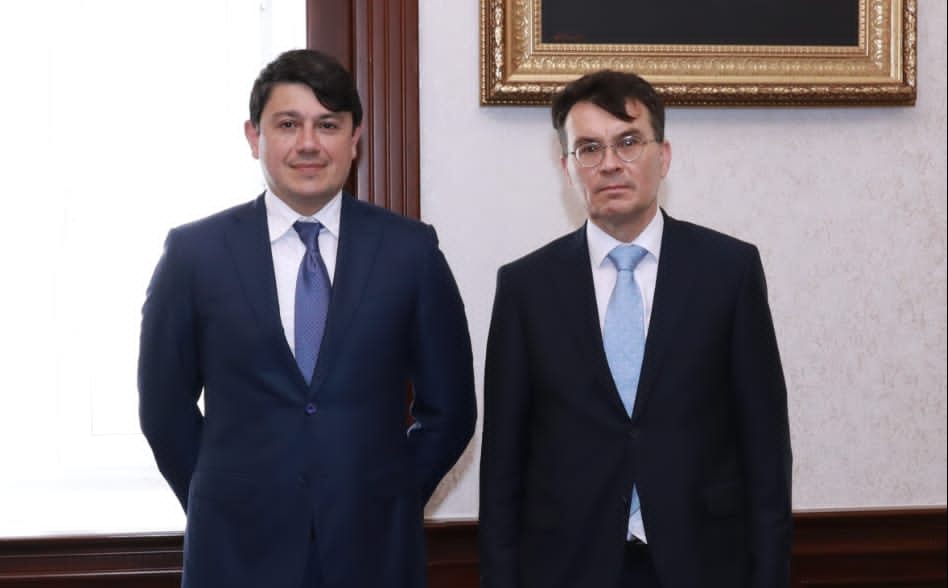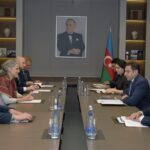

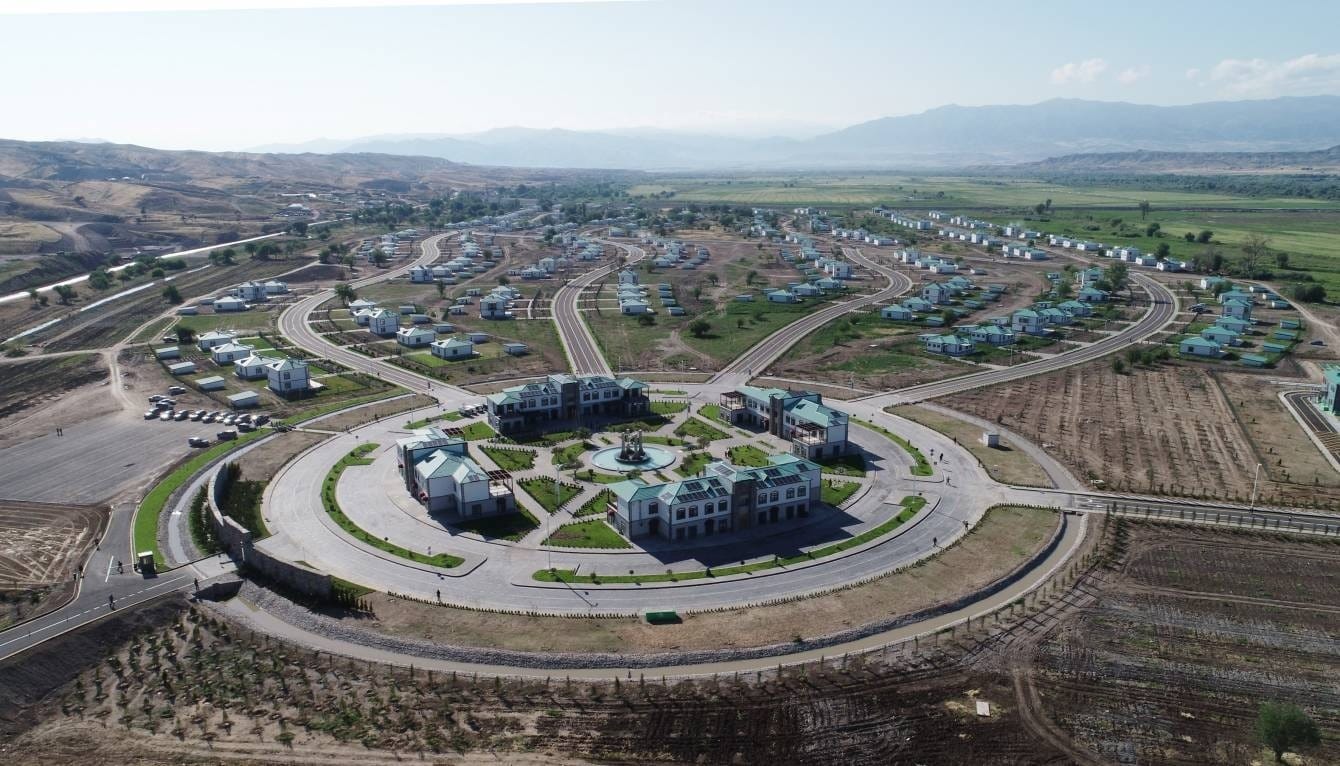
Alessandro Da Rold, the Co-Founder & Sec-Gen at European Smart Villages Forum, which hosted the reception, pointed to the fact that the village that had taken only eight months in its construction phase would be looked at with some envy for those in Europe who face lengthy waits for planning permission.
MEPs were impressed by the vision and direction given to this project. Admittedly, this village starts from scratch and is, due to the unique circumstances, top down in nature. Nevertheless, the Ministry of Agriculture has thought long and hard about how to attract people back to the area.
The representative from the Ministry of Agriculture explained the concept behind the smart village, the key point was that the village should be self-sufficient. There were four key areas in the overall concept behind the village: Smart infrastructure and services; employment opportunities; smart governance; and, green and alternative energy.
The village has high speed internet connectivity which supports E-health, E-learning and underpins the smart governance objectives. Families can be assured that their children will have access to the best educational resources, provided locally, but also provided remotely if necessary. This applies to health service provision too.
The government understands that employment and economic opportunities will be needed to attract people back to the area. The government has reached out to private sector actors to create employment opportunities. One prospective business, for example, is a buffalo farm to produce and process buffalo milk. This project will support around 60 jobs, but there are jobs in concrete production, persimon orchards, a hotel and tourism opportunities, as well as public sector work. The ‘smart’ and sustainable thinking permeates all aspects of this village. For example, the farming will make use of the most advanced environmental monitoring systems and irrigation systems that make use of waste water.
There is a strong emphasis on green and alternative energy with all buildings being designed to the highest environmental standards, with 80% energy efficiency. The village can boast of near zero emissions, making use of solar, wind and heat pumps to meet energy needs. While the upfront cost to create this infrastructure are high it is likely to pay dividends well into the future.
The Agali village is first of a kind, there will be 15 to 20 more that may focus more on other sectors, such as light industry or tourism. Parliamentarians have looked on with interest to see and share expertise as the project develops.