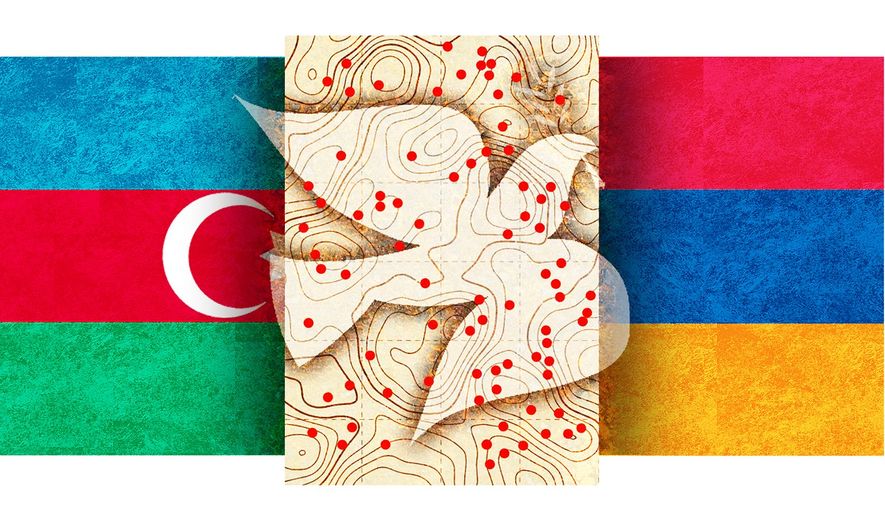
July 2020 marked one of the most intense escalations in the more than thirty-year-old conflict between Armenia and Azerbaijan over the occupied Azerbaijani territories – Nagorno-Karabakh and seven surrounding regions.
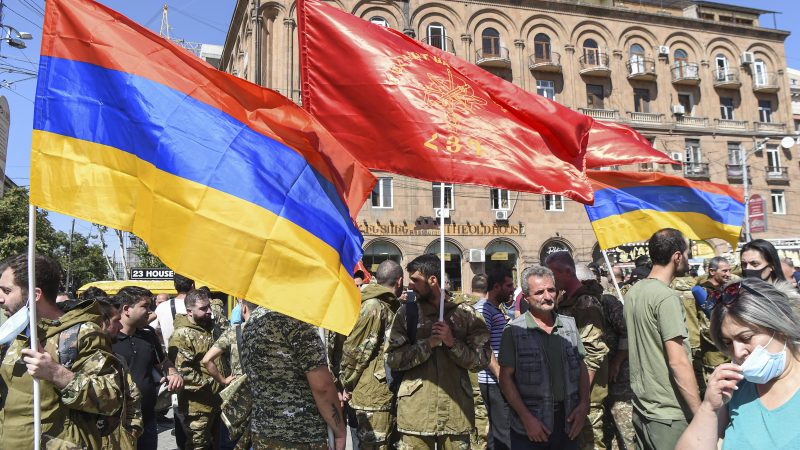
The end of military operations in Karabakh with the signing of a trilateral statement caused different reactions in Armenia. The awakening of Armenian society, which was deceived by misinformation during the war, with the news of defeat at night, led to chaos. Different political groups taking an opportunity tried to overthrow the current government and seize power.
If you listened to the speeches of the myriad of political forces competing in the just finished Armenian elections, you would be forgiven for thinking Armenia was not defeated by Azerbaijan in last year’s Second Karabakh War. Armenians continue to live in ‘parallel, imagined world’ which is ‘far from reality, a dreamworld.’
As being one of the rarest countries Azerbaijan achieved positive results at the successful implementation of “Millennium Development Goals” of UN under the supremacy of great leader Heydar Aliyev from 2000, and for the contribution to tolerance, multiculturalism, stimulating and assuring gender equality, diminishing poverty in a short term, retaining health of people, raising education standards of population, ameliorating environment, writes Mazahir Afandiyev, member of the Milli Majlis of the Azerbaijan Republic.
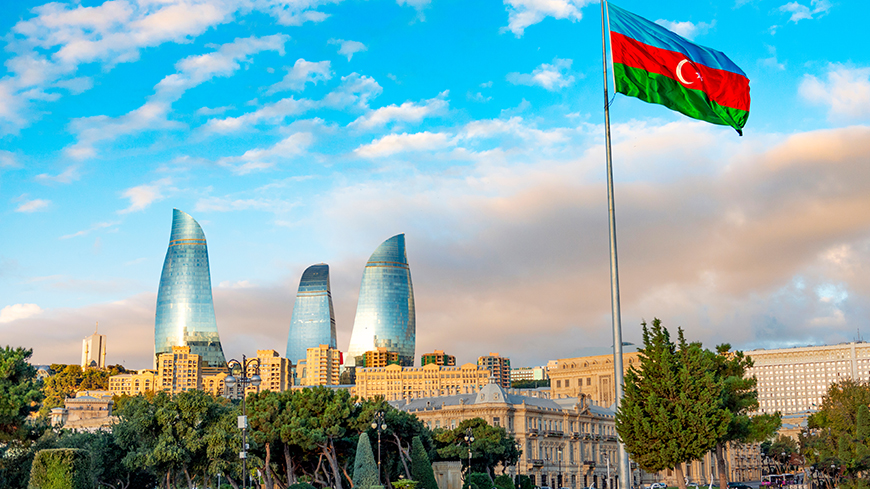
Azerbaijan is the most prosperous country and Azerbaijan has been successful in fighting the pandemic and also in avoiding a major economic backlash due to the pandemic. Azerbaijan has suffered the least in this crisis, for which we commend the country and its people, for coming out of the crisis with limited impact.
Also striking is the cynicism of German government officials, who shamelessly told us that they had learned about the problem of fresh water pollution in Karabakh after the protests of the Armenian green activists in Germany.
Many analysts don’t think Turkey’s talk about formation of a Great Turan attracts Azerbaijanis let alone in Central Asians and the Turkic peoples of the Russian Federation, but Kamran Gasanov of Moscow’s Friendship of the Peoples University says, it is just as powerful an idea among Turkic peoples as the Russian World is among Russians.
Rarely has an election in a small post-Soviet country been watched so closely. Armenia held a snap poll on June 20, after months of turbulence following its crushing defeat in an unexpected six-week war with Azerbaijan over the long-disputed region of Nagorno-Karabakh late last year.
In September–November 2020, the war between Armenia and Azerbaijan, or Azerbaijan’s military operation “Iron Fist”, entered Russian media’s agenda. The aim of this paper is to examine the coverage of this war in the Rossiyskaya Gazeta and Novaya Gazeta newspapers.
After the Second Karabakh War was over on November 10, 2020, there was a certain calm and stability in the South Caucasus region. Azerbaijan won most of its territories, which had been under the control of the Armenian Armed Forces for almost 30 years.
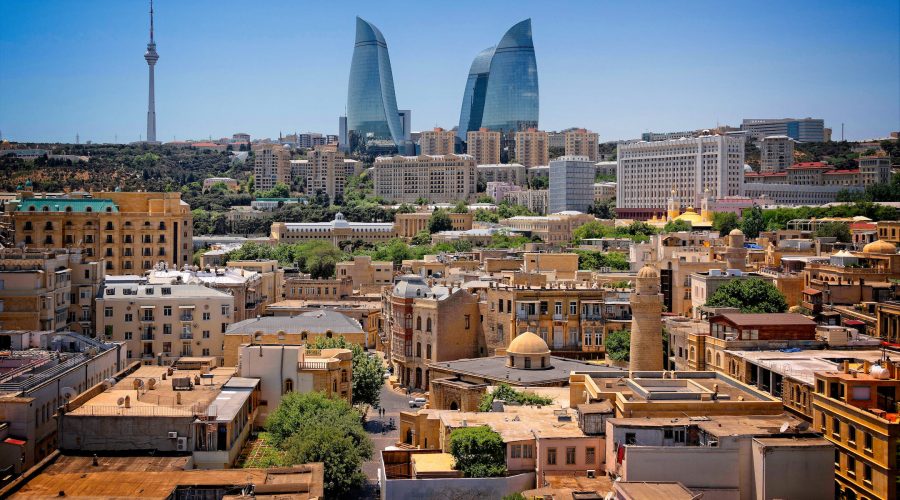
Azerbaijan is a secular state with a Shia Muslim majority. The nation serves as an example of efforts by a Shia Muslim state to engage its many diverse cultures in society. Professor Rovshan Ibrahimov, with Hankuk University of Foreign Studies (South Korea), has insights regarding Azerbaijan’s interregional influence, based on Azerbaijan’s overlooked diplomatic values.
In the information age, the war of words can be very revealing. In this analysis for KarabakhSpace.eu, Yalchin Mammadov looks at what the Armenian and Azerbaijani leaders' twitter posts throughout the 44-day war can tell us about how they wanted to portray the conflict to the international community.
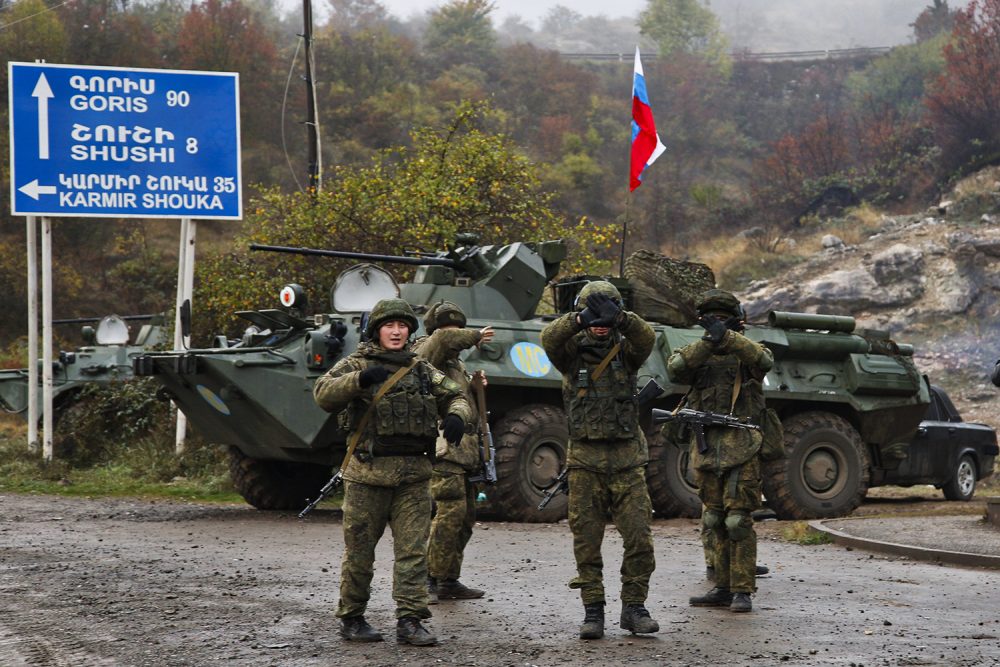
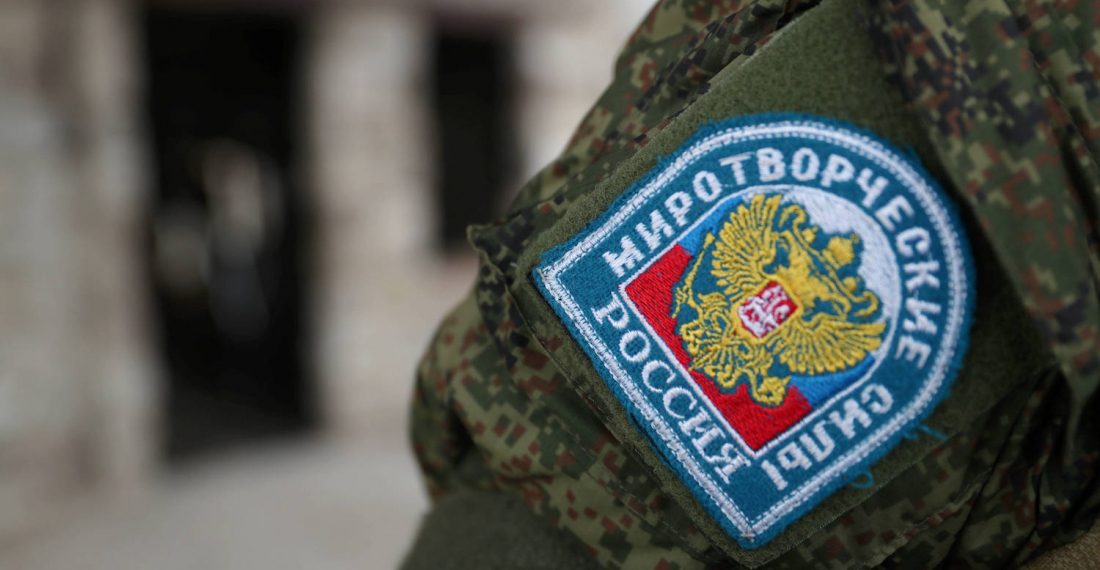
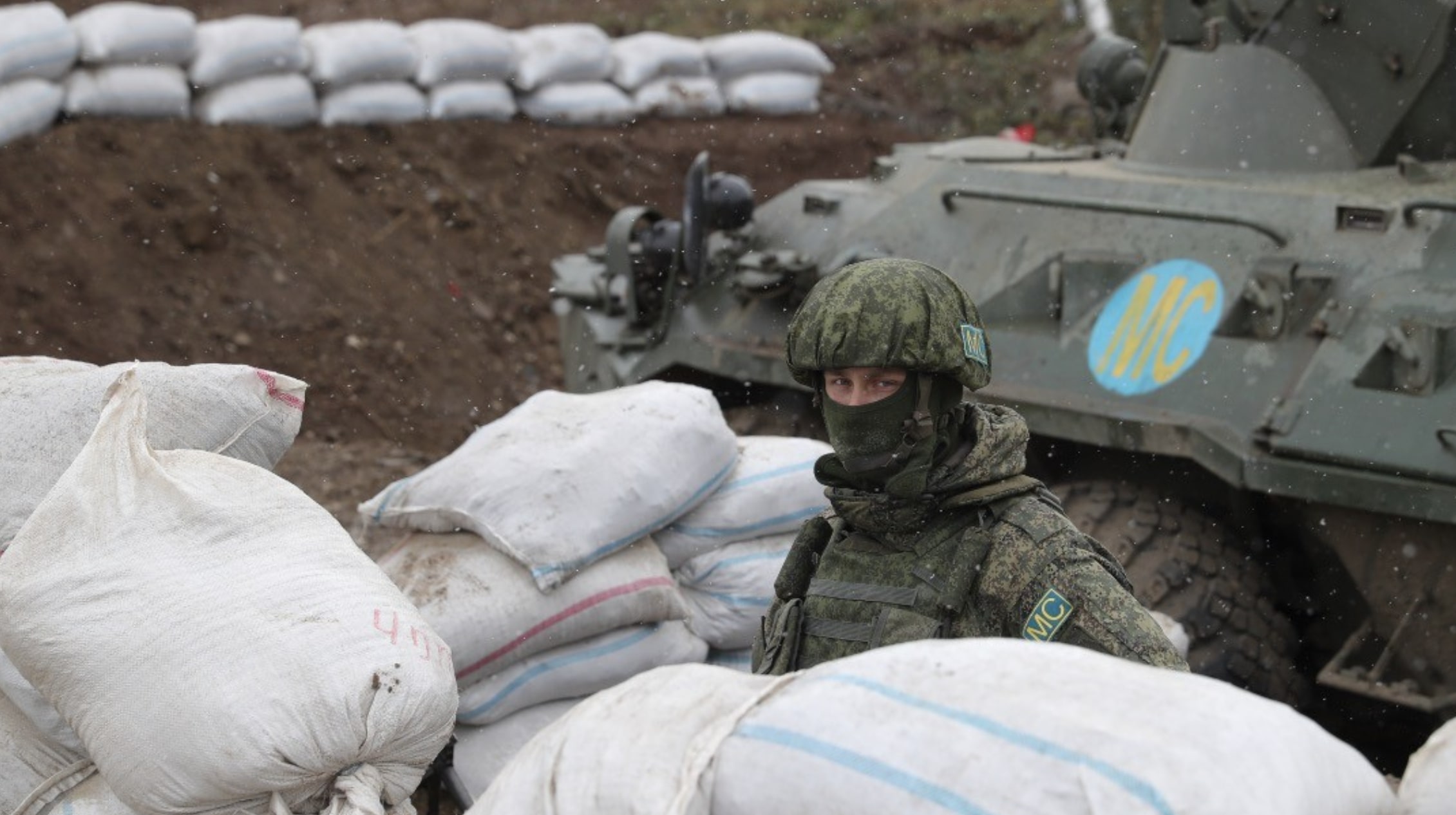
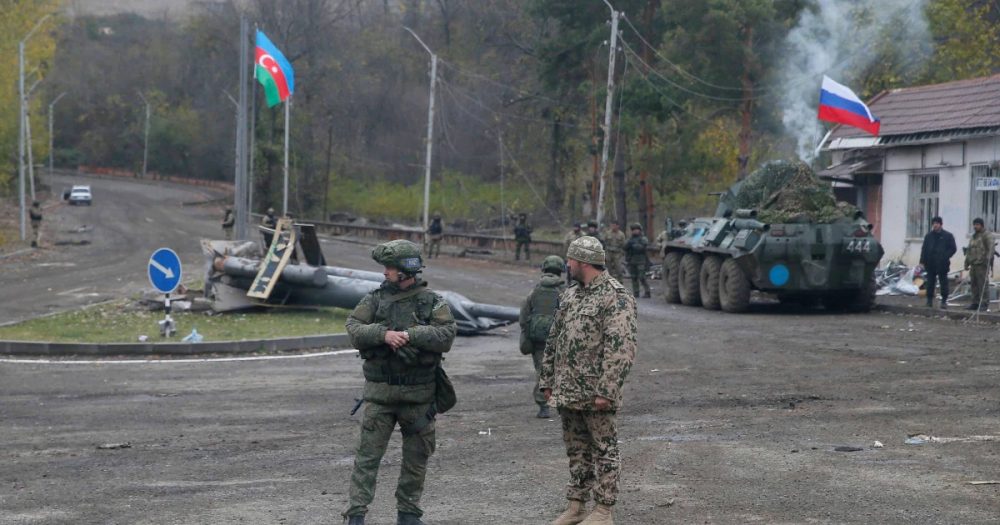
Let's be honest at least with ourselves and start calling things by their proper names. From the very moment the declaration of ceasefire in Nagorno-Karabakh was signed, we have been saying that Russia plans to turn this region of Azerbaijan into a major military base.
When Leonid Brezhnev visited Washington in 1973, William Colby — soon to be director of the CIA — told the Soviet Leader: “The more we know about each other, the safer we all are.” The summit Brezhnev attended marked a triumph of the Cold War detente. In the years that followed, deals were signed that limited the production of nuclear weapons and normalized relations between the West and the USSR.
Whilst Nikol Pashinyan's victory in the recent Armenian elections is seen by some as a rejection of revanchist political forces, this does not mean there are no challenges to the peace process. Vasif Huseynov gives the perspective from Baku of what the elections mean for peace between Armenia and Azerbaijan.
Secretary of the Security Council of Armenia Armen Grigoryan made a number of very curious statements. In an interview with Armenian Public Television, he emphasized that Russian border troops would be deployed on the Armenia-Azerbaijan border and may stay there even after the process of border demarcation is complete—in case the Armenians, as Grigoryan put it, “do not have enough of their own manpower”.
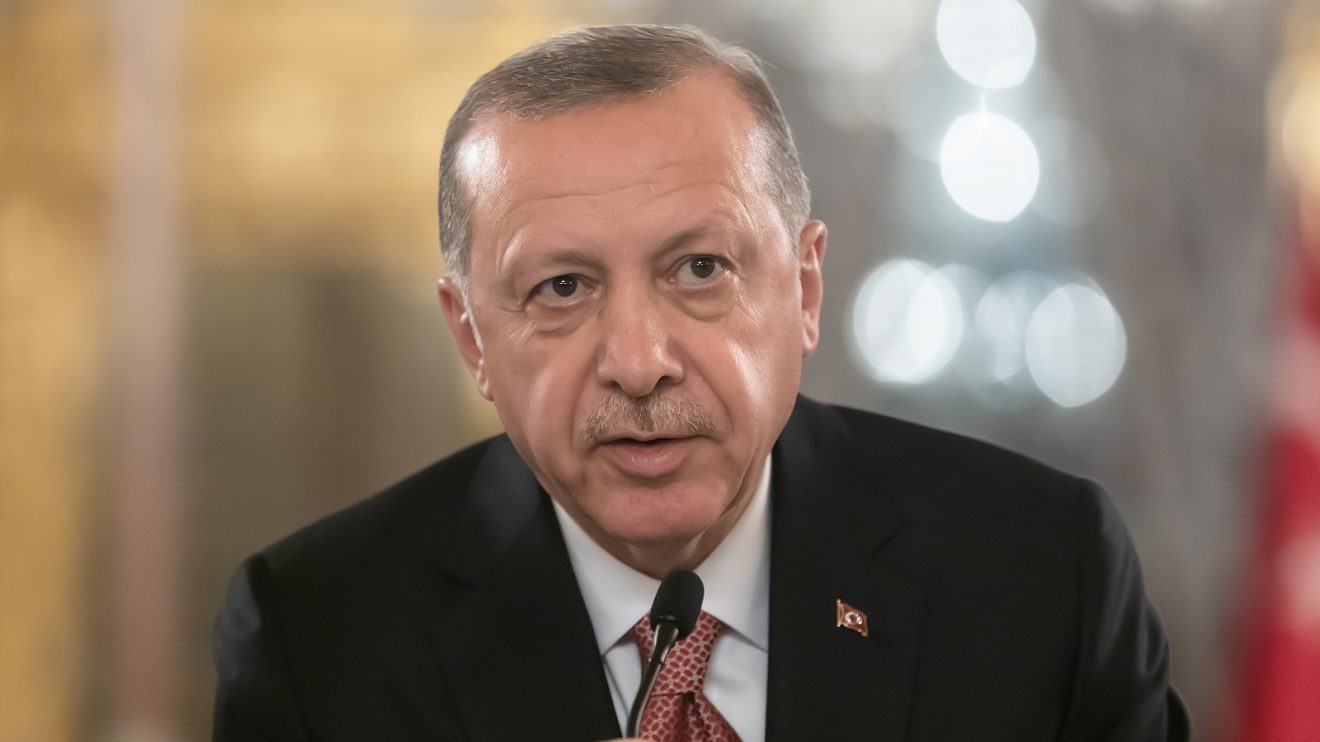
Erdoğan's statement after his visit to Shusha caught the attention of all researchers. While declaring that Turkey will stand by its allies, the president made reference to a security zone – a mechanism that seems like the only tool that can provide stability in the region.
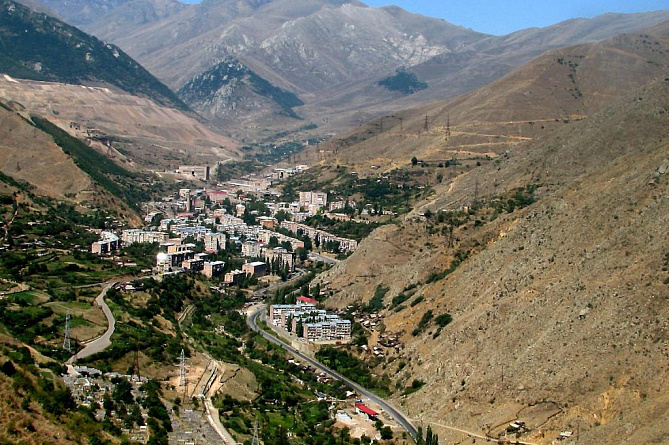
The high content of heavy metals in the waters ruins not only the fluvial fauna, but is also extremely dangerous for the human health. Usage of the contaminated water can bring to detrimental consequences - from the disorders of gastrointestinal tracts, destructive processes in kidneys and bone tissue up to the disorders of cardiovascular, nervous and hematopoietic systems of the body.
Announced by Prime Minister Nikol Pashinyan in March this year, the snap parliamentary elections in Armenia have been a hotly debated topic both within and outside the country for several months. After the end of the Second Karabakh War, many in the Armenian diaspora actively opposed N. Pashinyan's candidacy, accusing him of betrayal and incompetence.
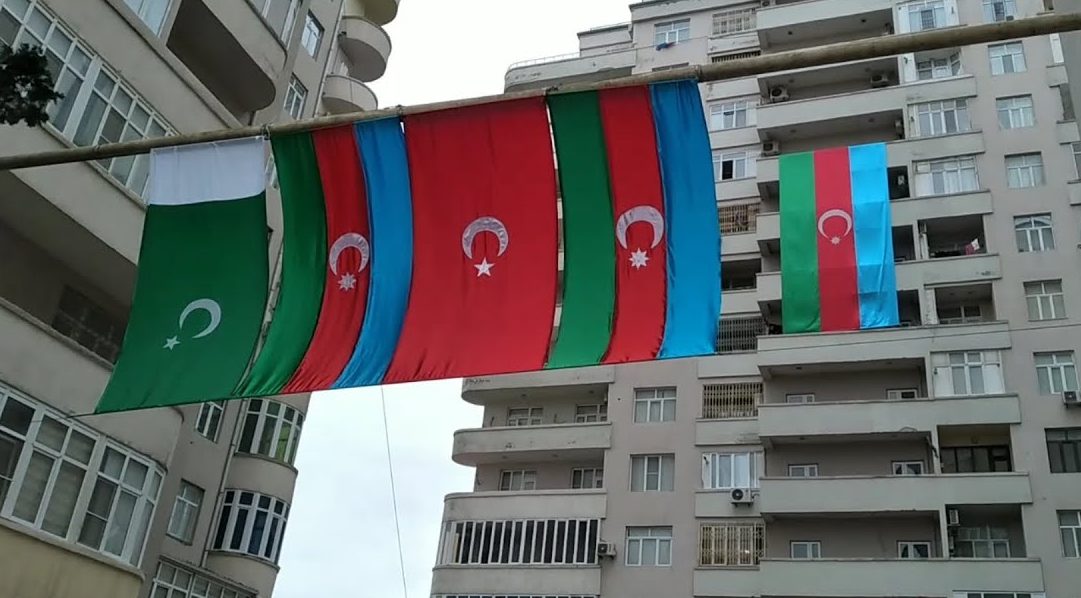
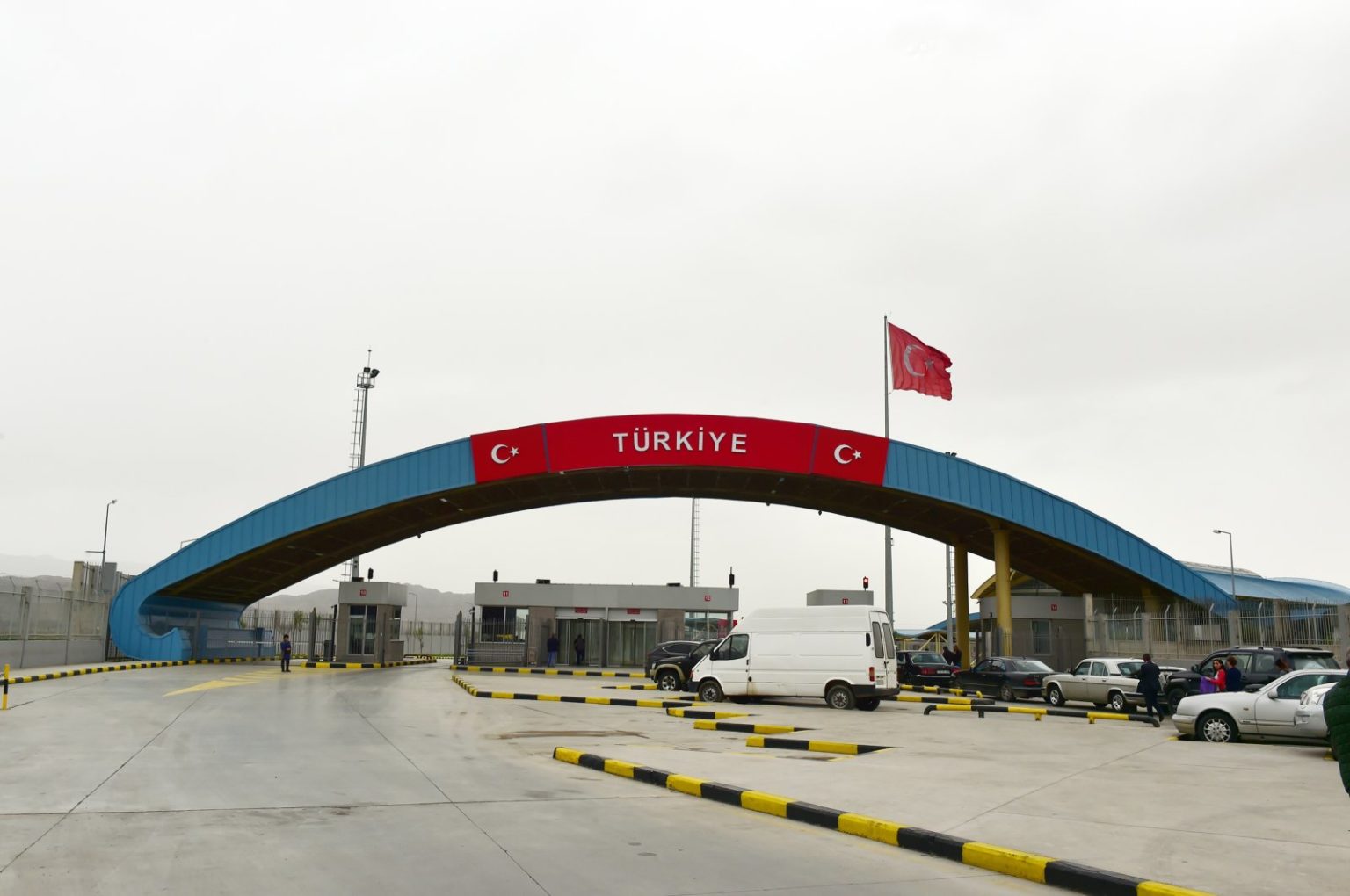
Turkish President Recep Tayyip Erdoğan and his Azerbaijani counterpart, Ilham Aliyev, signed an agreement on June 15, 2021, that may have historic significance not only for the two signatory countries, but also for neighboring states.
Taking into account the developments in the South Caucasus, especially after the Second Karabakh War, the constructive engagement of the United States in the region will also be significant for supporting peace efforts and economic integration.
Though it was intended to be a referendum on Pashinyan and the outcome of the Nagorno-Karabakh War, the election to some extent became a referendum on his opponent.
Armenia’s embattled prime minister, Nikol Pashinyan, managed to overcome the fallout of a disastrous defeat in last year’s war with Azerbaijan to win a landslide victory in a parliamentary election on June 20.
On June 15, Turkey’s President Recep Tayyip Erdoğan paid an official visit to Karabakh to meet with his Azerbaijani counterpart, Ilham Aliyev, thus becoming the first foreign leader to visit the region following last year’s 44-day war.