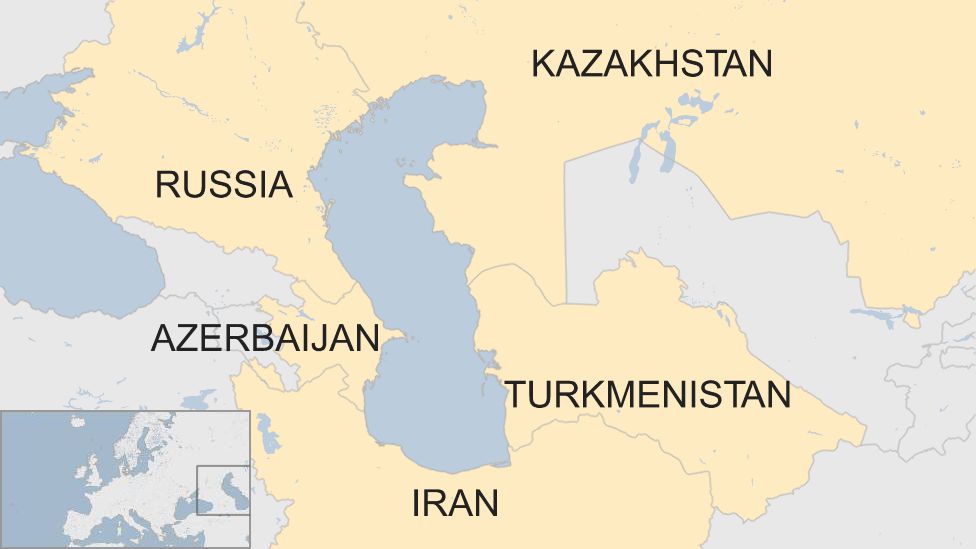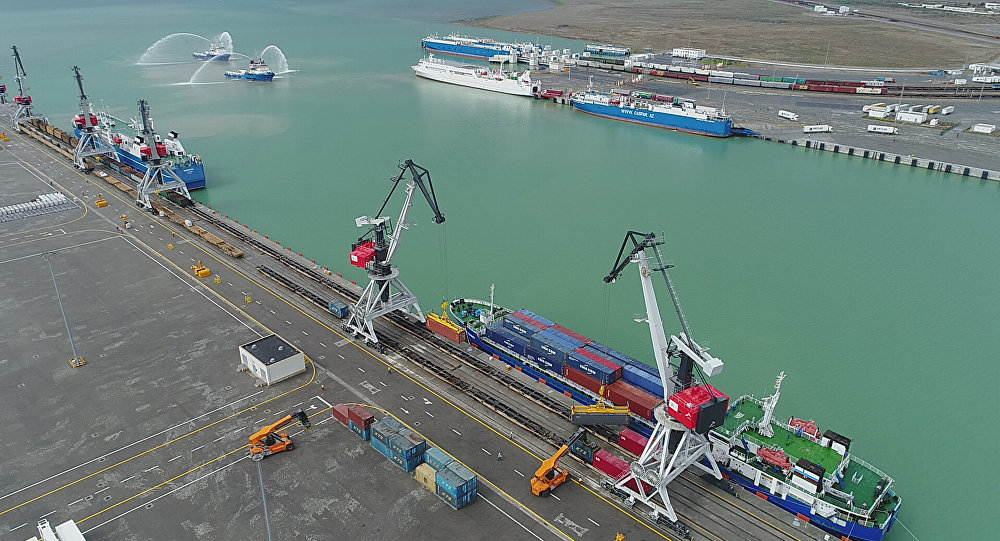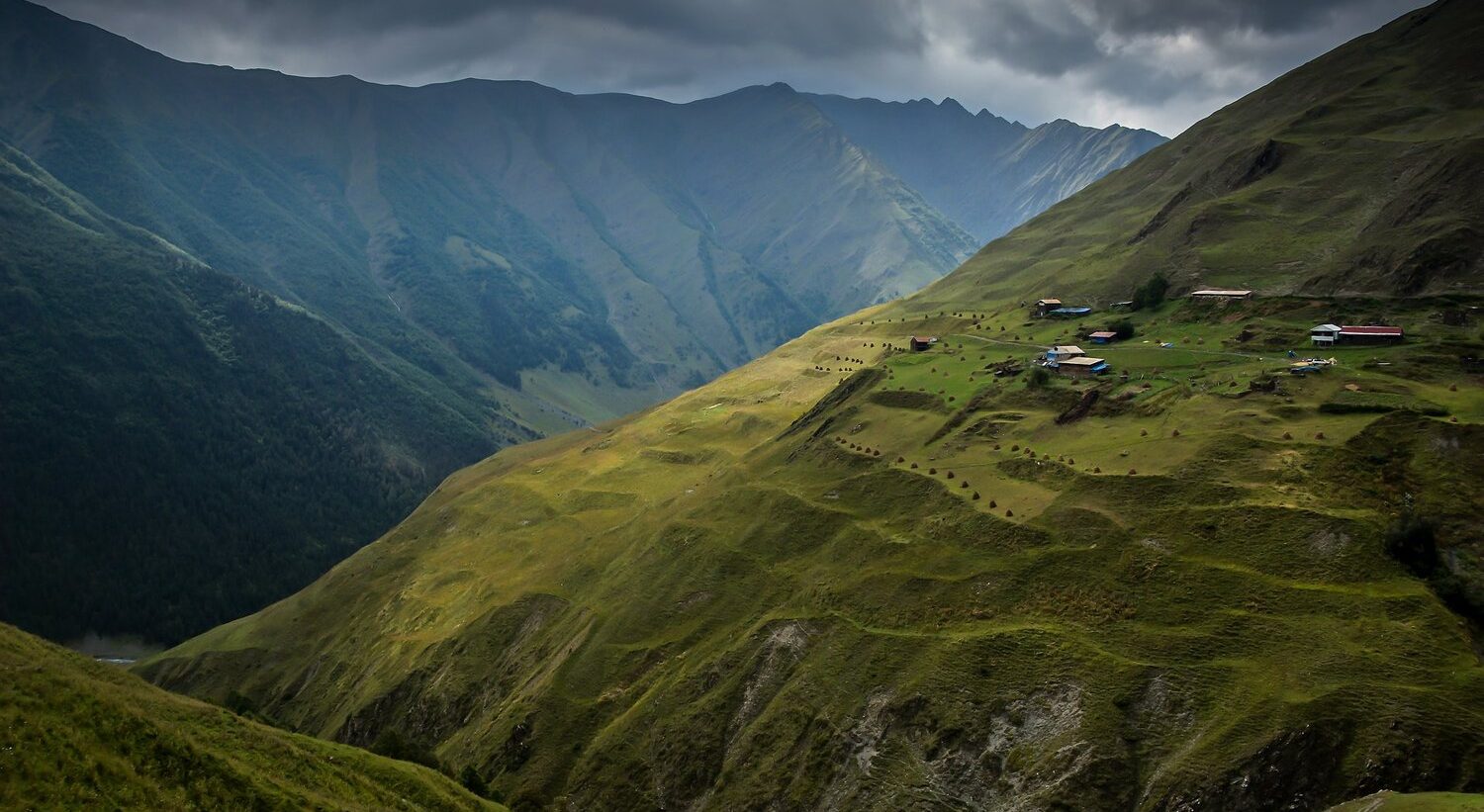
The traditional geopolitical boundaries that have defined the South Caucasus in the post-Cold War era are shifting as the region becomes increasingly connected to the eastern Mediterranean and wider Middle East.
At the Summer Session of the Parliamentary Assembly of the Council of Europe (PACE) currently taking place in Strasbourg, the Armenian delegation is making further attempts to push this organization to adopt anti-Azerbaijani resolutions.
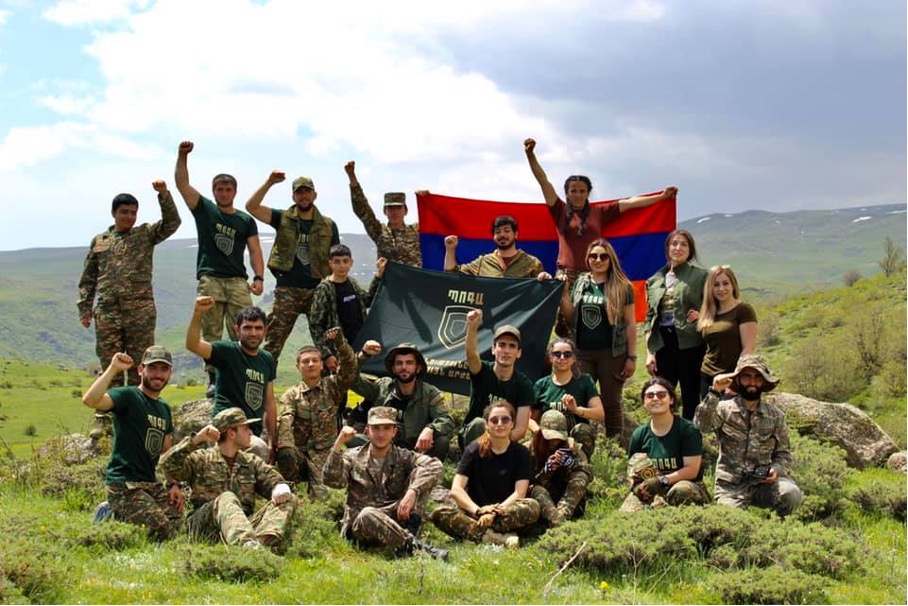
The election on Sunday in Armenia showed that nationalist fervour remains highly charged. The vote came following the country’s military defeat in last year’s Nagorno-Karabakh war, where Azerbaijan retook seven districts surrounding Nagorno-Karabakh and the southern part of the disputed enclave.
The signing of the so-called Shusha Declaration between Turkey and Azerbaijan is set to open a new chapter in an already amicable relationship between the two countries, and paves the way for further Turkish influence in the Caucasus and Central Asia.
With little progress in post-war negotiations over an array of areas, a new report by the International Crisis Group warned Armenia and Azerbaijan could resume hostilities. On May 14, Armenia’s parliament issued a statement on a ‘crisis situation in its border districts’ relating to its non-demarcated and undelimited border with Azerbaijan.
Many had been angry at Pashinyan after last year’s Nagorno-Karabakh war, but having won the snap poll, he may now usher in a period of easier relations with neighbours.
Azerbaijan released 15 Armenian prisoners of war on Saturday in exchange for the locations of 97,000 Armenian land mines on territory Azerbaijan recaptured in last fall’s Nagorno-Karabakh war. That was a welcome sign that American diplomacy in the Caucasus is alive and well.
“Who lost Turkey?” has been a running question among Turkey watchers for years, a reference to fears that the supposedly secular Muslim-majority state would cut ties with the liberal-minded West and turn to the purportedly more closed-off, and Islamist, East.
Russia largely stood aside as Turkey and Azerbaijan observed if Armenia would turn a page after decades of regional isolation.
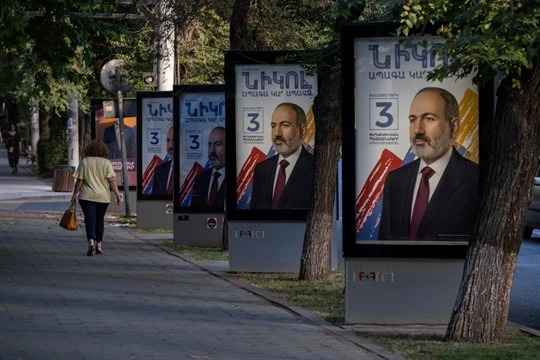
Results released Monday showed that the party of Armenia’s acting Prime Minister Nikol Pashinyan won a snap parliamentary election that he called to ease anger over a peace deal he signed with Azerbaijan.
Armenian Prime Minister Nikol Pashinyan claimed victory in snap parliamentary elections he called in an effort to defuse a political crisis after a defeat in war against Azerbaijan in November.
Gruesome revelations illustrate the deep political turmoil in post-war Armenia, and how this has affected the matter of POWs.
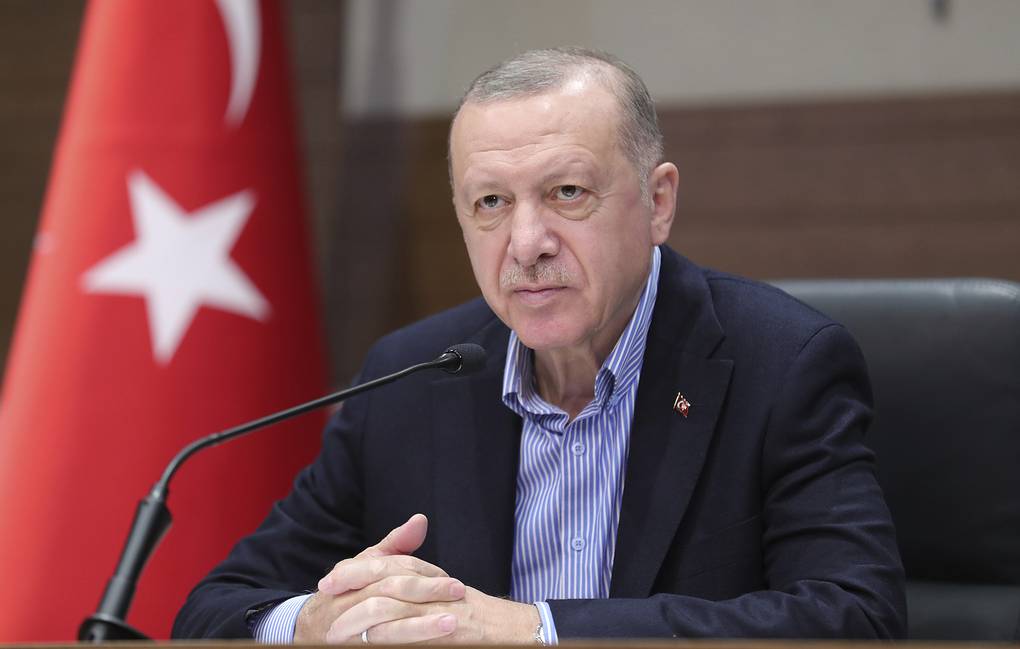
On June 15, 2021, the President of the Republic of Azerbaijan H. E. Mr. Ilham Aliyev and President of the Republic of Turkey H. E. Mr. Recep Tayyip Erdoğan signed the “Shusha Declaration on allied relations between the Republic of Azerbaijan and the Republic of Turkey”.
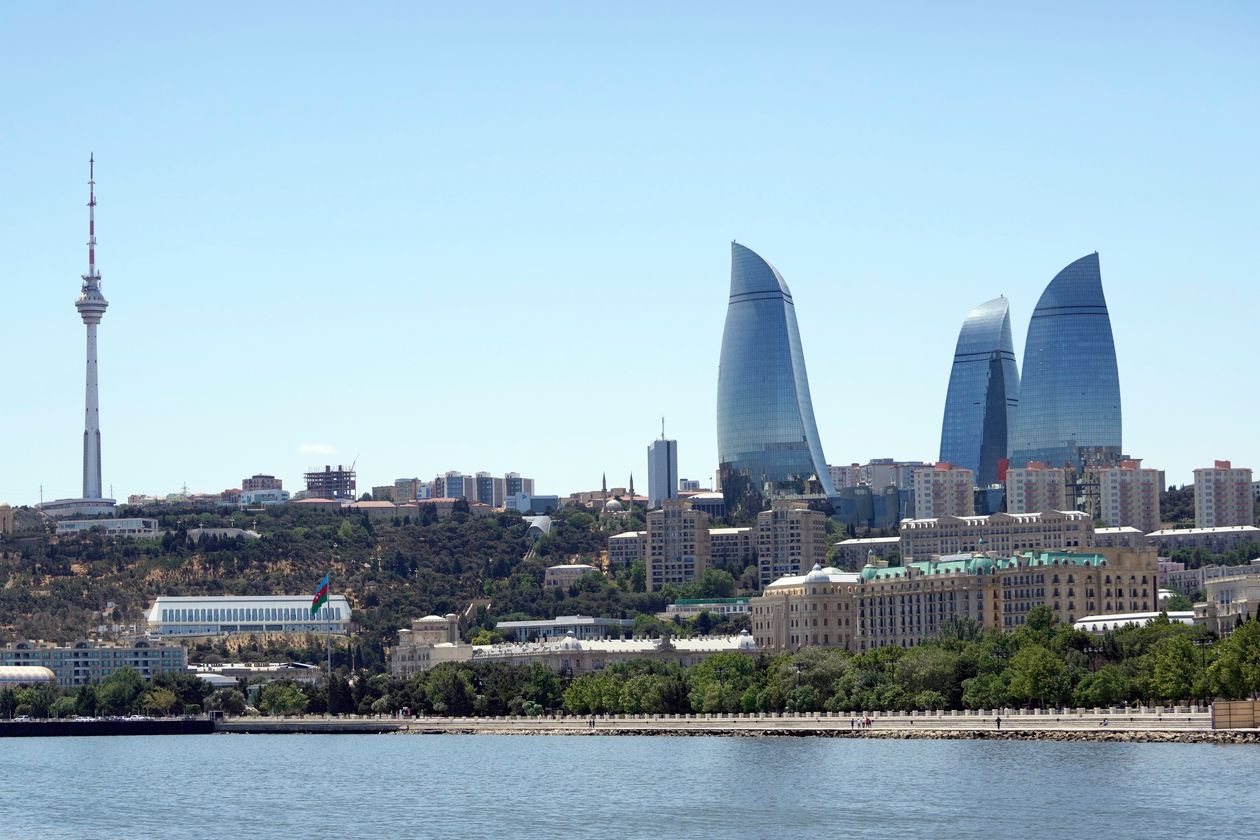
After the victory of Azerbaijan in the 2nd war of Karabakh the South Caucasus Region (SCR) has now become new “hub” of socio-economic integration, geopolitical maneuvering and geostrategic concessions.
“There is a future,” shouts Nikol Pashinyan, Armenia’s prime minister, as he walks with a crowd of supporters in Ararat, a small town outside the capital Yerevan. Three years since he came to power in Armenia in a peaceful revolution, this is Pashinyan’s slogan for a country emerging from the trauma of last year’s brutal war with Azerbaijan which ended in humiliating defeat.
The declaration, described as “a roadmap for the future of our relations” by President Erdogan, is essentially a continuation of the two states’ efforts to maintain their bilateral activities following the Second Karabakh War.
The Shusha Declaration recently signed between Turkey and Azerbaijan sets out the borders of the two countries by taking into consideration the Kars Agreement of 1921, Tural Ganjaliyev, head of the Azerbaijani Nagorno-Karabakh community in Turkey stated Friday.
On June 20, Armenians head to the polls in a snap election following months of turmoil following the fallout from last year’s war with Azerbaijan. The ceasefire ceded a massive swath of Armenian-controlled land to the Azeris, caused the deployment of 2,000 Russian troops as peacekeepers, and led to widespread protests in Yerevan, an alleged coup attempt, and the upcoming parliamentary race.
It is no surprise that Azerbaijani and Turkish leaders and analysts are suggesting that the Shusha declaration signed today by Presidents Ilham Aliyev and Recep Tayyip Erdoğan is historic or that Armenian commentators are denouncing it as Turkish interference in the region.
Since the end of the Second Karabakh War and the signing of a ceasefire agreement on Nov. 9, 2020, Turkey and Russia have co-existed in Azerbaijan in a joint monitoring center and Russian “peacekeeping” forces in northern Karabakh.
On June 20, Armenia’s citizens will be heading to the polls for a second snap parliamentary election in less than three years. While the December 2018 snap election was held in the aftermath of a popular revolution and brought Nikol Pashinyan to power, the forthcoming election is taking place against the backdrop of a disastrous six-week war with Azerbaijan and the continued demands by opposition groups for Pashinyan’s resignation.
The 20 June Parliamentary elections in Armenia are the most competitive and inclusive in the country’s history with three former presidents challenging the rule of incumbent prime minister, Nikol Pashinyan. In a detailed analysis for commonspace.eu, Alexander Petrosyan looks at the main protagonists and what they stand for and what is important to watch for on election night.
As we know, until the establishment of the Nagorno-Karabakh Autonomous Oblast (NKAO) by the decision of the central government of the USSR on July 7, 1923, the mountainous and lowland parts of Karabakh constituted a single whole. After 1923, a new reality emerged in the mountainous part of Karabakh.
Turkey's Recep Tayyip Erdogan was the first foreign leader to visit Karabakh since the end of last year’s war, in which Turkish backing helped Azerbaijan secure its victory.