The first serious challenge and weakness of the Iranian plan is Yerevan’s opposition to it. For Armenia, the Karabakh conflict is still a matter of national defeat, and the nation is yet to absorb the new reality.
Nonetheless, a week prior to Armenia’s parliamentary elections, a major breakthrough had, in fact, been achieved between the two conflicting states. This development has the potential to positively contribute to the emergence of a constructive environment for negotiations over other issues, including transportation projects and a settlement of the shared border.
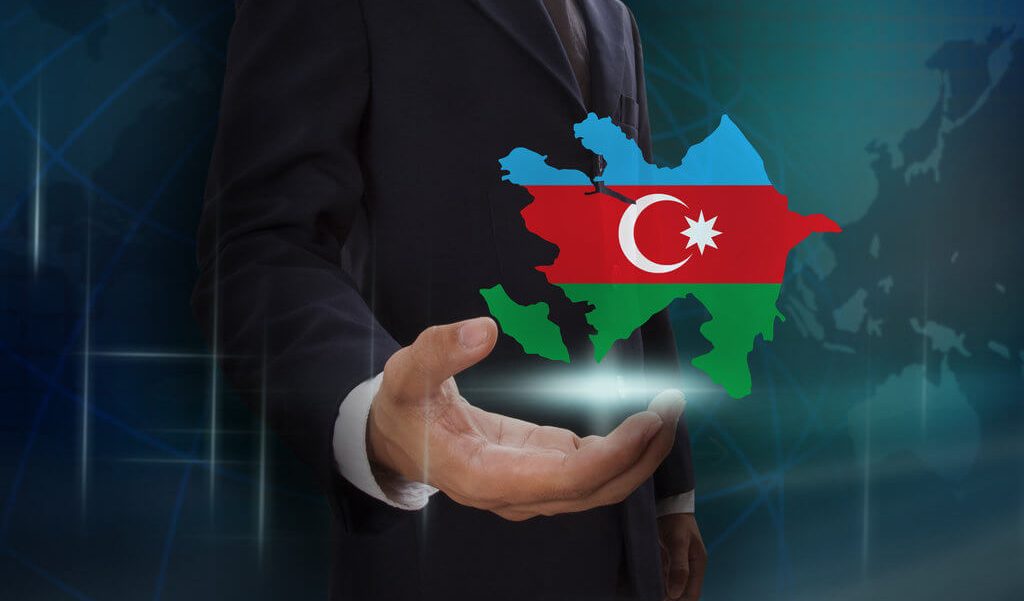
In the last three decades, the Armenia-Azerbaijan conflict over Karabakh has had a significant impact on the geo-economic situation in the South Caucasus. In the early 90s, the illegal territorial claims of Armenia against Azerbaijan led to the First Karabakh War and resulted in the occupation of 20% of internationally recognized territories of Azerbaijan.
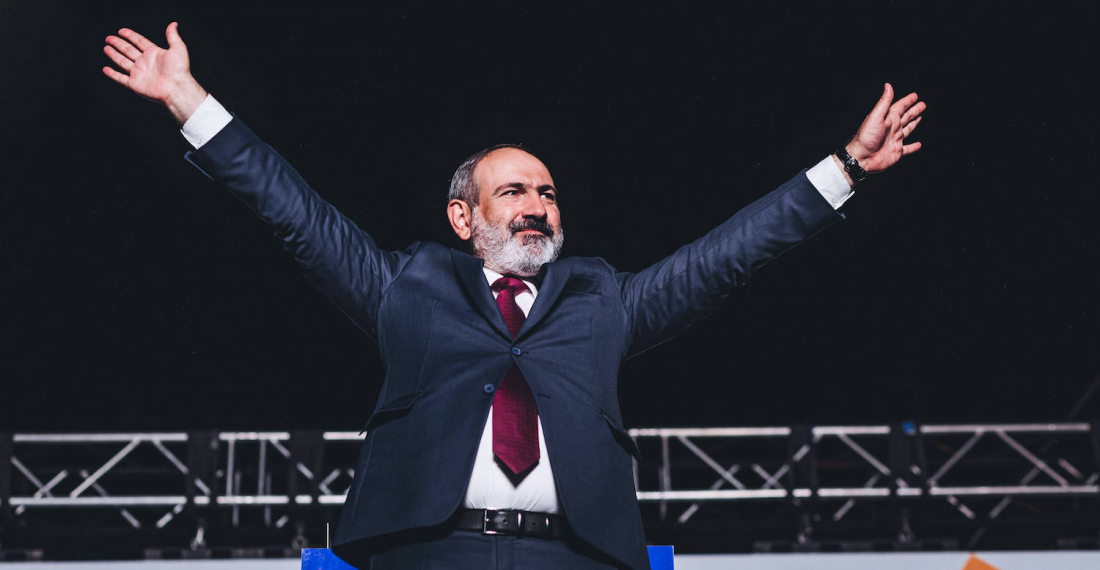
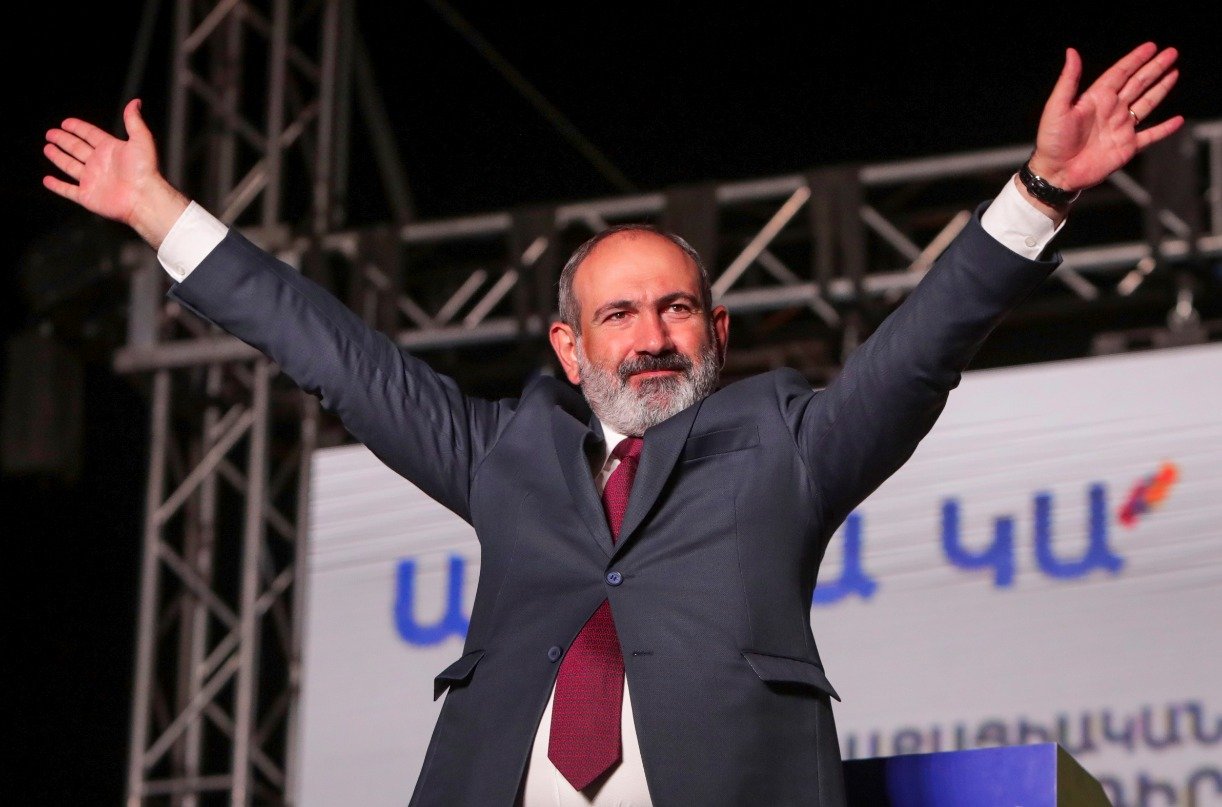
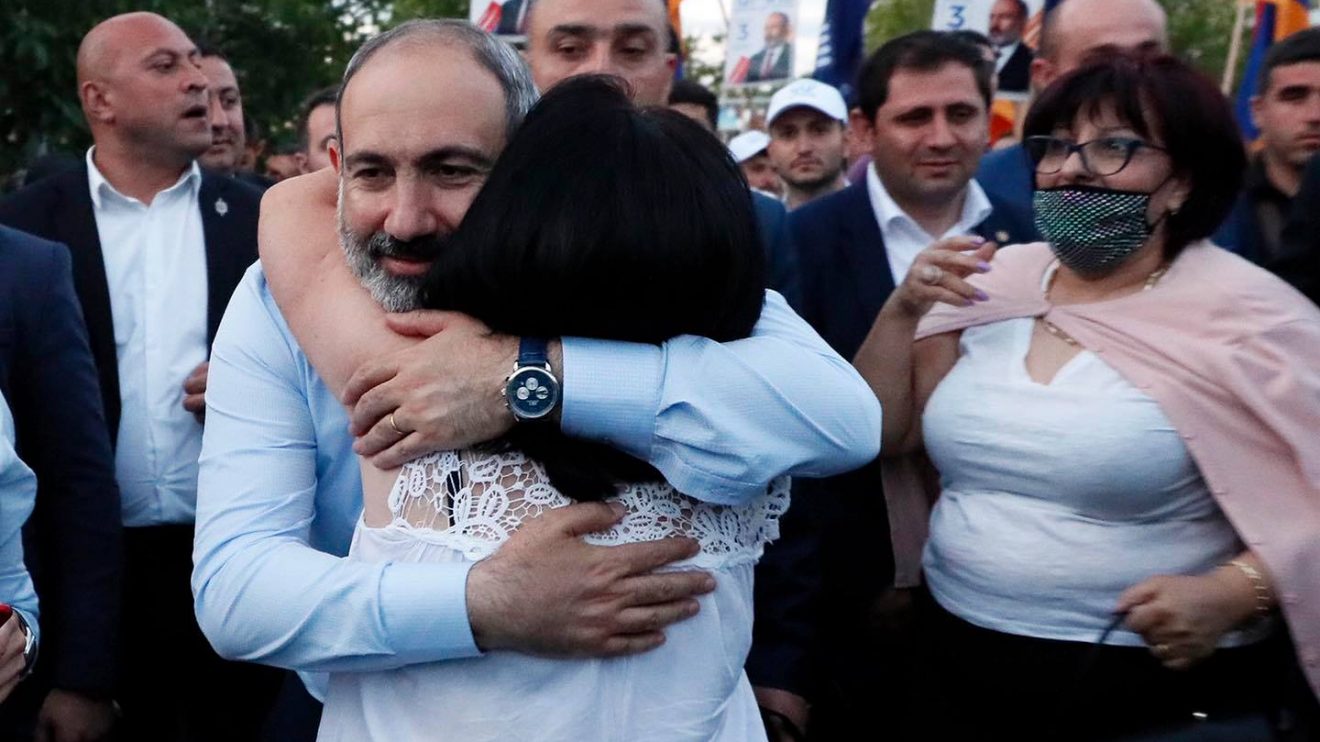
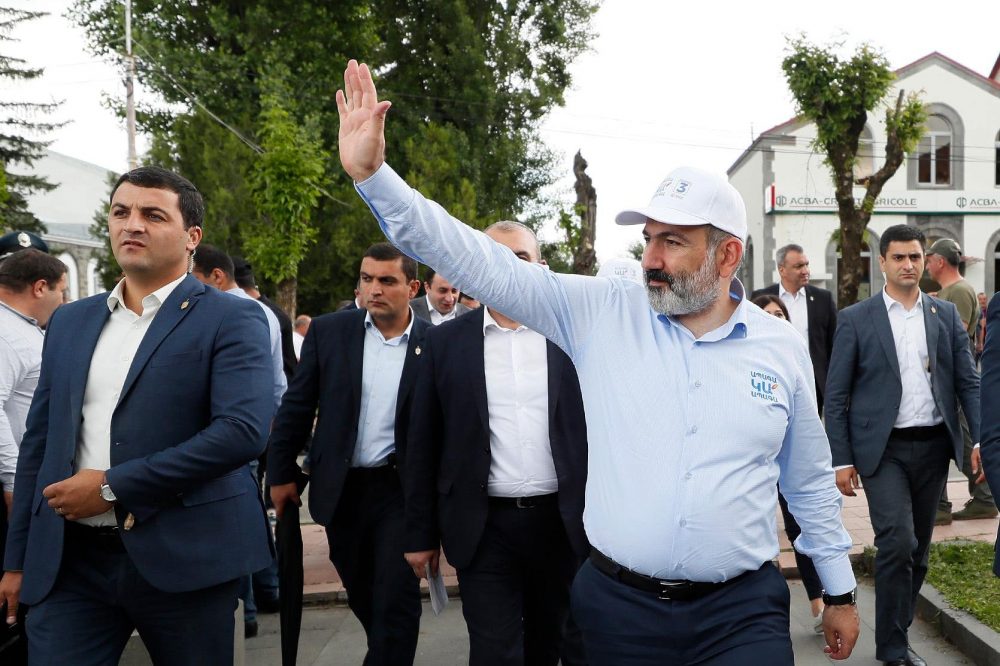
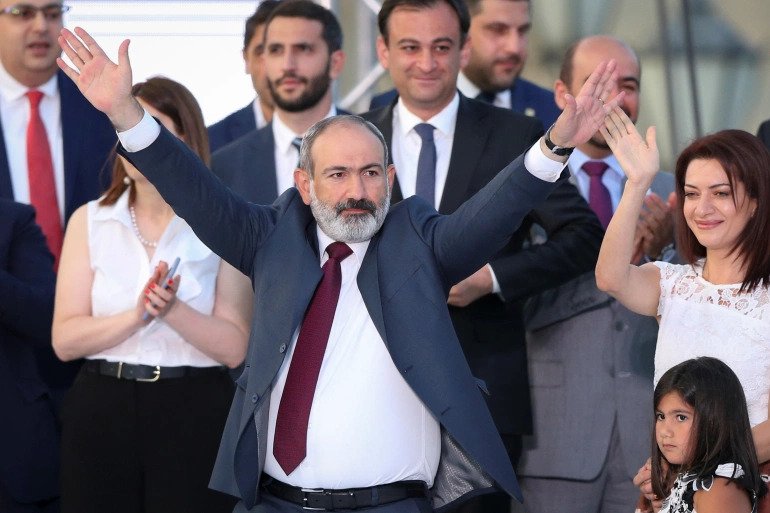
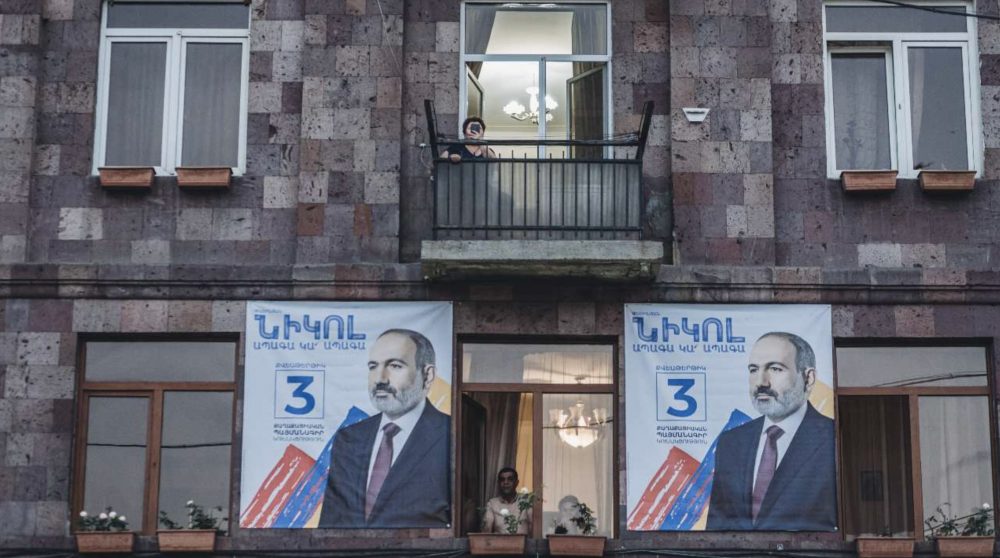
The Armenian prime minister has celebrated the return of the prisoners at campaign rallies, and opposition figures have accused him of giving up too much in return.
The Trans-Caspian Pipeline is intended to transport Central Asia’s vast natural gas resources to European energy markets via the Southern Gas Corridor. It stands to significantly change Central Asia and Europe’s energy map.
On June 12, Azerbaijan and Armenia, through the mediation of the US State Department and the Georgian government, made an exchange: Baku released 15 Armenian captives, and Yerevan handed over to Azerbaijan maps of minefields in one of the formerly occupied regions around Karabakh.
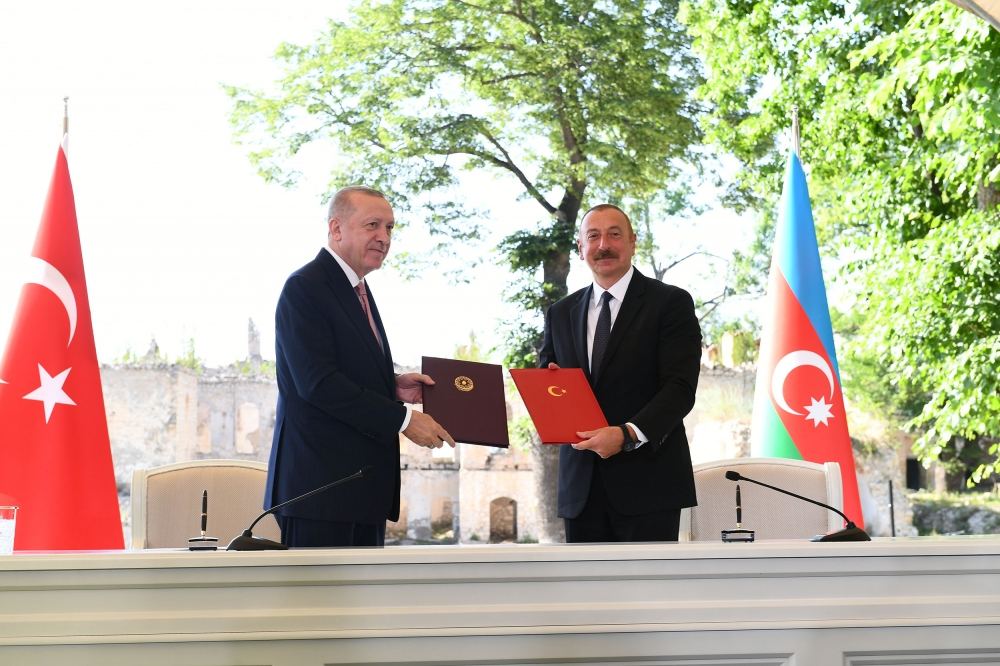
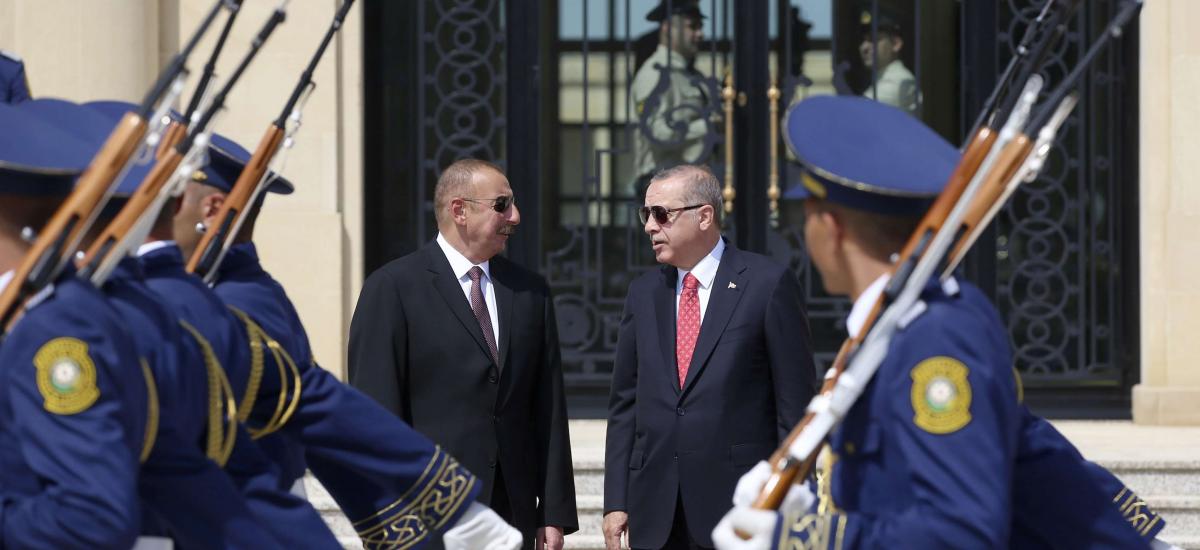
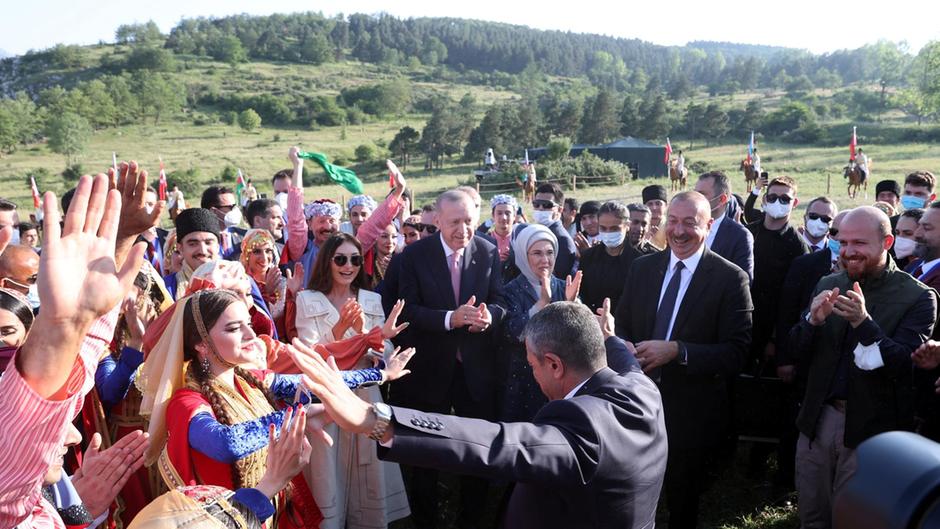
Azerbaijani intellectuals are looking forward to President Recep Tayyip Erdoğan’s visit to Shusha, which was liberated from Armenian occupation, as they believe his visit will further strengthen Turkey-Azerbaijan relations and send the message that Azerbaijan is not alone in the Caucasus.
Starting in mid-May, a wave of confrontations between Armenian and Azerbaijani forces have taken place in disputed border areas after large-scale fighting between the two states ended in November last year. While both sides trade accusations of violating each others’ international borders, there may be logical reasons for the recent spike in Armenian-Azerbaijani confrontations and their timing.
The complexities, converging interests, and persistent tensions marking Iranian-Russian relationships are evident in their policies toward the Caspian Sea region. Iran and Russia are the two largest countries that border the sea, the world's largest inland body of water. The Caspian region therefore provides many opportunities for diplomatic, economic, and military engagement between Iran and Russia.
However, little by little, under the pressure of the truth voiced by Azerbaijan, Azoulay came to understand the true mission of UNESCO, which consists, according to the declared principles, in the strengthening of peace and security through cultural interaction.
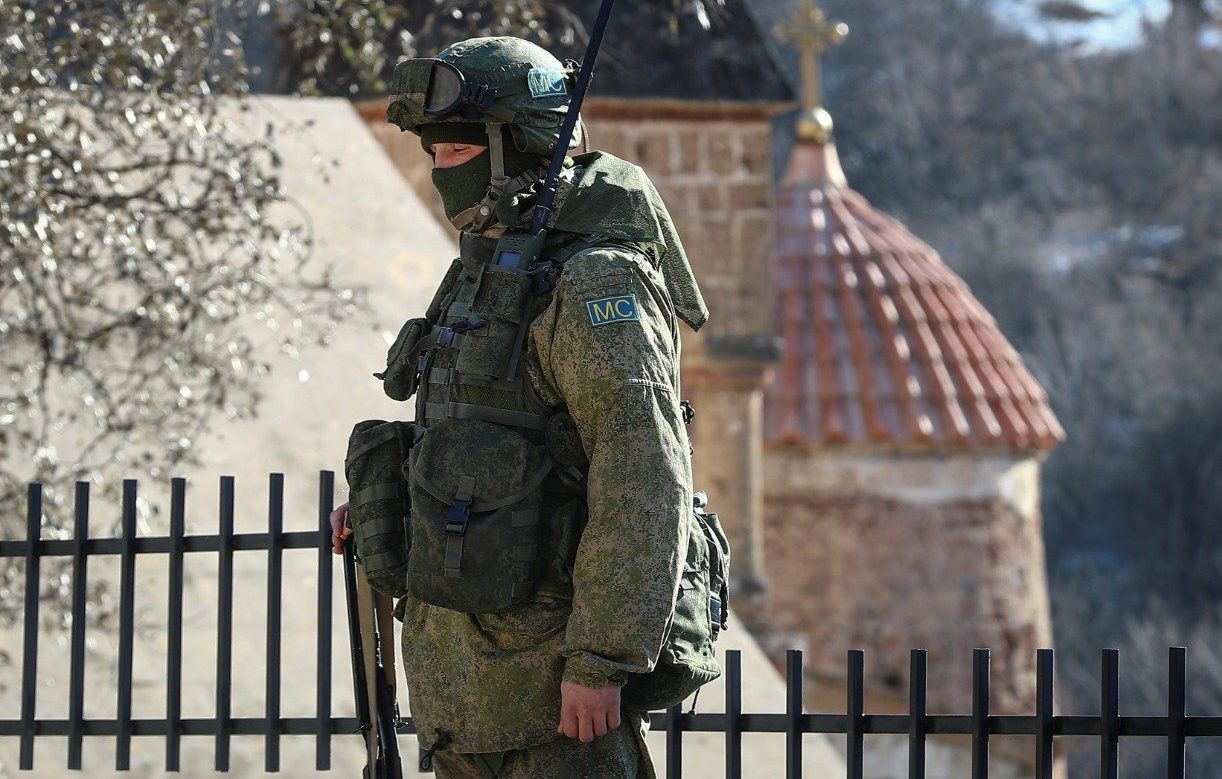
Perpetuating landmines has become one of the devastating non-state security threats to South Caucasus Region (SCR) especially most recently liberated Karabakh Region (KR). Unfortunately, “conspiratorial” hang-over of Armenia has “inflicted” its unmatched natural beauty with widespread network of deadly landmines, the “killing machine” for human beings.
Landmines (both antipersonnel and anti-tank mines) can be considered one of the most effective weapons. It is a known fact that mines lodged in the ground remained active even 50 years after the end of World War II and exploded when accidentally stepped on years later, causing casualties. According to UNICEF, landmines have exploded under more than 1 million people since 1975 and are currently thought to be killing 800 people a month.
Azerbaijan and Turkey intend to step up military cooperation. The government plans large increases in defence spending over the next decade, actively investing in new military technologies and advancements in order to boost the capabilities of the Armed Forces.
Baku is preparing to open a transit corridor that will link Azerbaijani territory with its Nakhichevan exclave through southern Armenia. President Ilham Aliyev recently announced the construction of a railway that will link Azerbaijan proper with Nakhichevan and ramped up the rhetoric against Armenia, which remains reluctant towards the project. Most of the Armenian public and experts consider the transit corridor to be a geopolitical threat rather than a new opportunity for enhanced connectivity. This standoff recently turned into full-fledged security crisis as Azerbaijan’s army advanced into the territory of southern Armenia in mid-May.
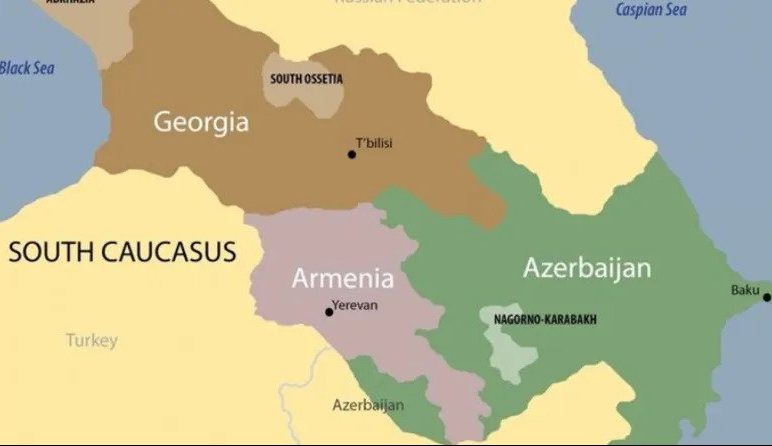
The understanding of the South Caucasus as a region is a relatively disputable concept. Despite their geographic proximity and common historical and cultural background, the three states of the region (Armenia, Azerbaijan and Georgia) do not perceive themselves in the context of a regional “South Caucasian” identity and do not make any attempts to pursue regional solutions to common problems or develop any economic cooperation on a regional, rather than a bilateral level of relations.
Germany is deemed as one of Europe’s strongest democracies and the economic powerhouse, most certainly strengthened by the rule of law and respect to years of law-making and law-abiding traditions.
Yerevan said there was no point in discussing new transportation routes with Azerbaijan while there was so much tension along their border. Baku’s response was curiously muted.
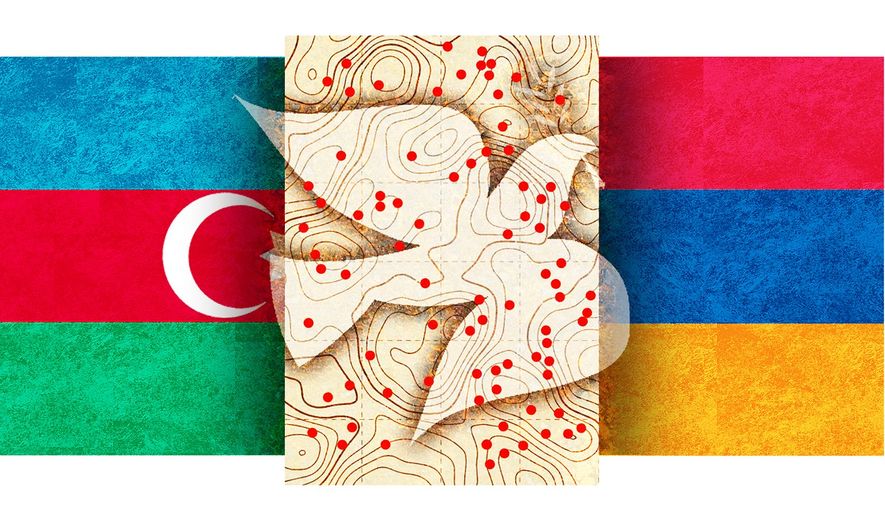
Baku and Yerevan are far apart on what should be the starting point for discussions designed to lead to the delimitation and demarcation of borders between their two countries not only in the Syunik/Qarabagh sector but more generally. Baku favors using Soviet military maps while Armenia backs Russian topographic ones.
All the above-mentioned transport projects promise to speed up the economic development of Karabakh and aim to transform this war-torn area into an important regional transport hub.
France's support for Armenia suggests a bias incompatible with the former's position as a Co-Chair of the OSCE's Minsk Group says Vasif Huseynov in this opinion piece for KarabakhSpace.eu. This damages the prospect for peace and security in the South Caucasus, to the detriment of everyone, including the Armenian people.
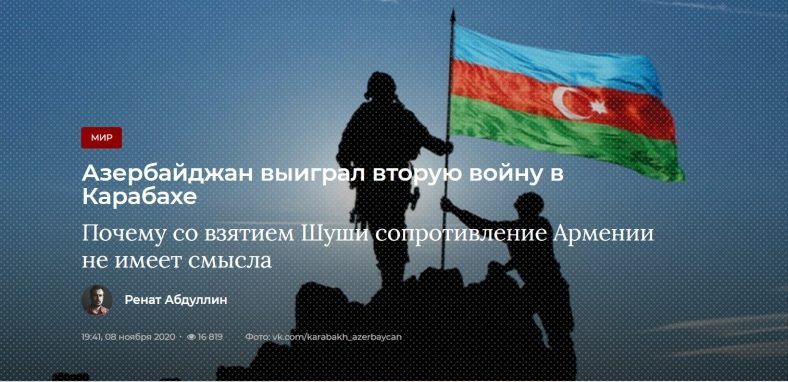
Diplomatic arm-wrestling still continues between the sides after a 44-day war that ended with the decisive victory of Azerbaijan in the South Caucasus. After Azerbaijan’s President Ilham Aliyev’s statement that “we are ready to talk about the terms of the final peace agreement,” the parties, having mostly completed the first two stages, are discussing the terms of the third stage of post-conflict reconciliation.
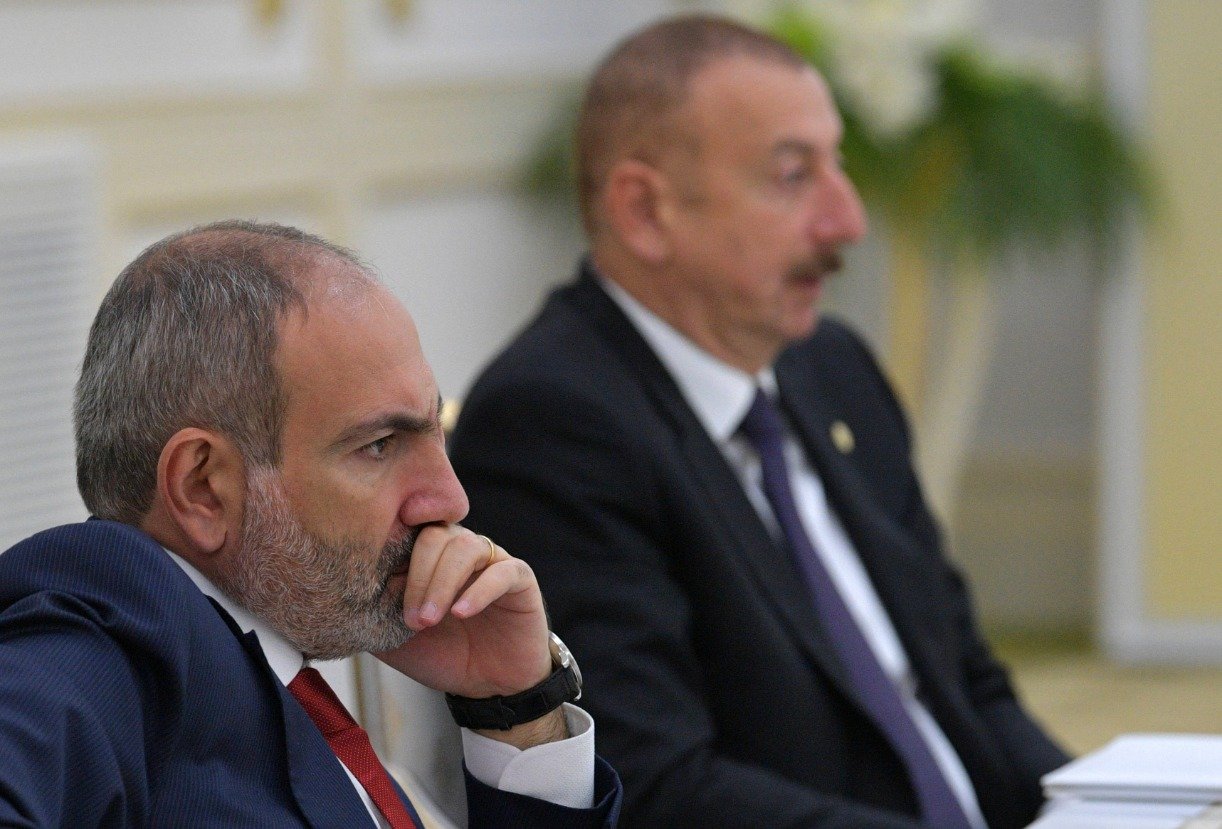
The flurry of statements emanating from Yerevan and Baku in recent days shows that Armenian and Azerbaijani leaders have very different understandings of what is contained in the November and January declarations some have described as peace agreements and that the danger of renewed military conflict has not passed.
In March of 2021 Azerbaijan’s company Neqsol Holding become 100% owner of the Georgian internet provider, Caucasus Online, after the former owner of the company, Khvicha Makatsaria, transferred his 51% of shares to Nasib Hasanov.
Russia opted not to discourage the escalation of Nagorno-Karabakh smoldering conflict into a full-fledged war. There are strong signs that this was a choice of strategy. As Dumitru Minzarari explains, Moscow was seeking a major improvement in its regional standing.