
Azerbaijan is asserting its informational sovereignty amid growing tensions with Russia. The collapse of the shared post-Soviet media space reflects deeper shifts in identity, memory politics, and national security priorities.

Azerbaijan is asserting its informational sovereignty amid growing tensions with Russia. The collapse of the shared post-Soviet media space reflects deeper shifts in identity, memory politics, and national security priorities.
The question now is whether Moscow will forgive Pashinyan’s earlier maneuvers or attempt to replace him with someone more obedient. And it doesn’t necessarily have to be Samvel Karapetyan.
With Azerbaijan defying Russia, the region has the opportunity to clinch a historic peace deal.
Azerbaijani-Russian relations face their worst crisis in decades, fueled by geopolitical rivalry, energy competition, media warfare, and Russia’s aggression, culminating in a deadly airliner incident and deep diplomatic fractures.
In recent months, tensions have been mounting once again in the South Caucasus due to Russia’s increasingly assertive foreign policy toward Azerbaijan.
Baku and Washington are successfully overcoming the unpleasant legacy of the Biden administration — this can now be stated as a fact.

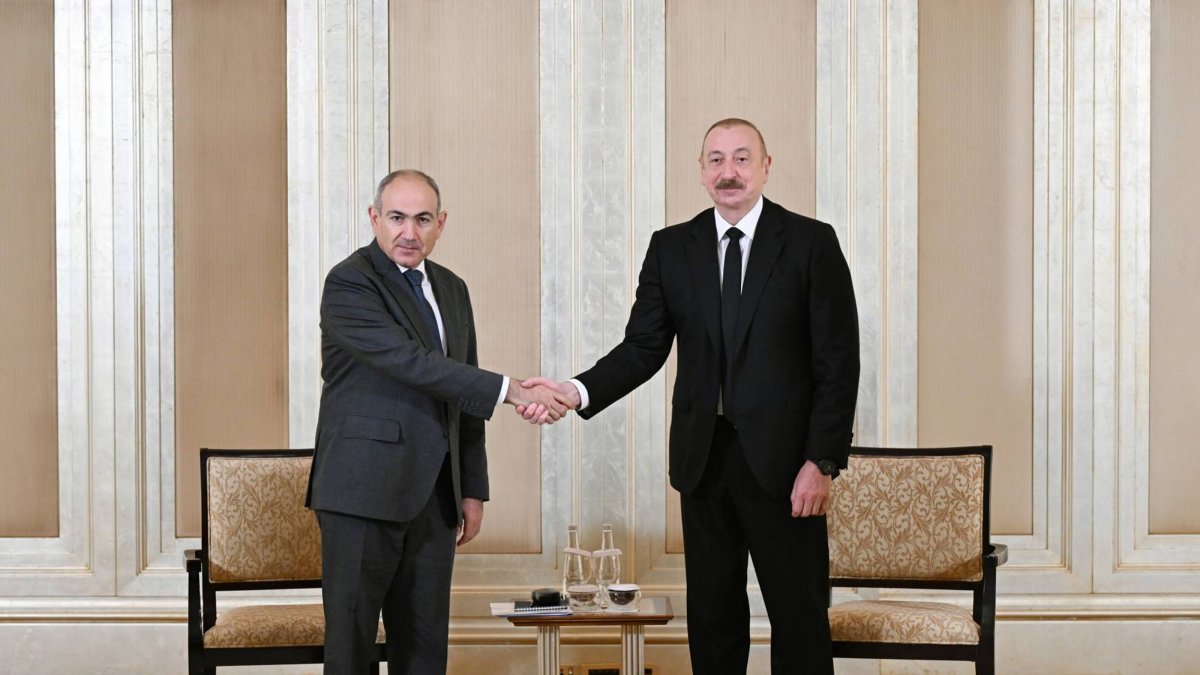
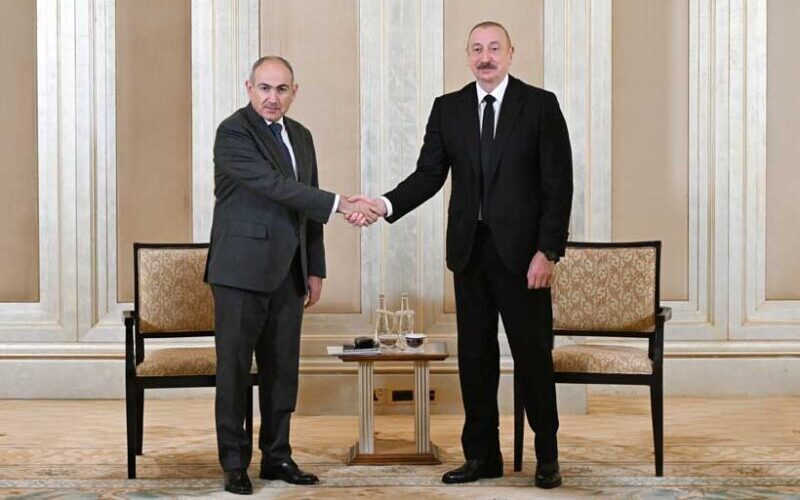
During the recent negotiations in Abu Dhabi between Azerbaijani President Ilham Aliyev and Armenian Prime Minister Nikol Pashinyan, the idea of initialing a peace agreement was discussed.
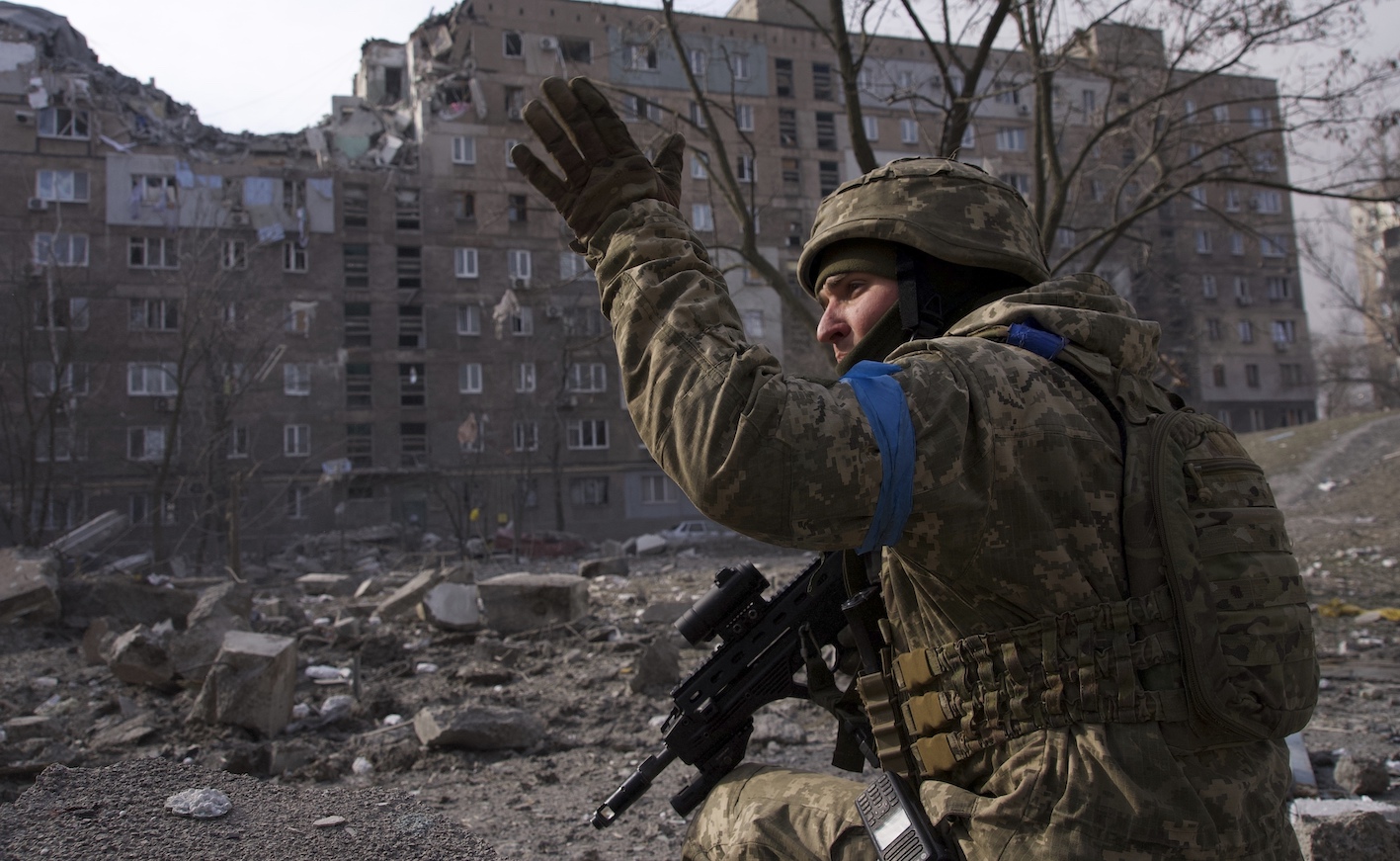
Russian President Vladimir Putin launched his full-scale invasion of Ukraine in part to shore up and expand Moscow’s unchallenged dominance of the former Soviet space.
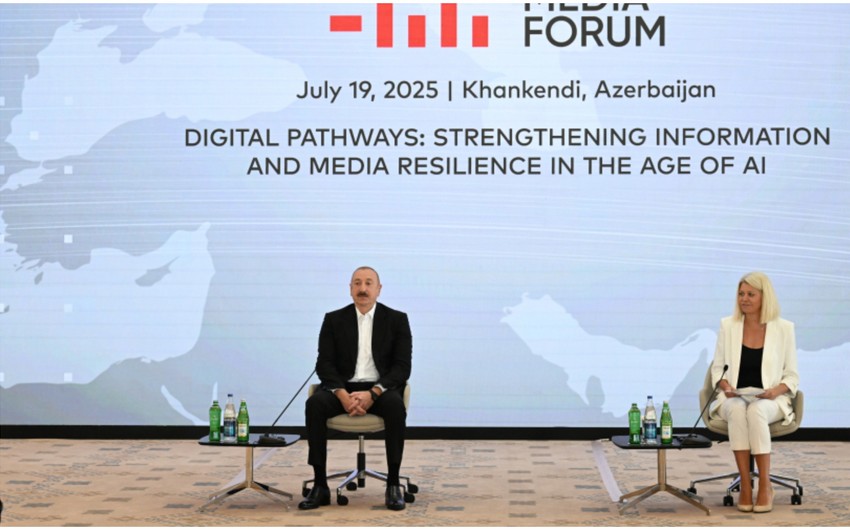
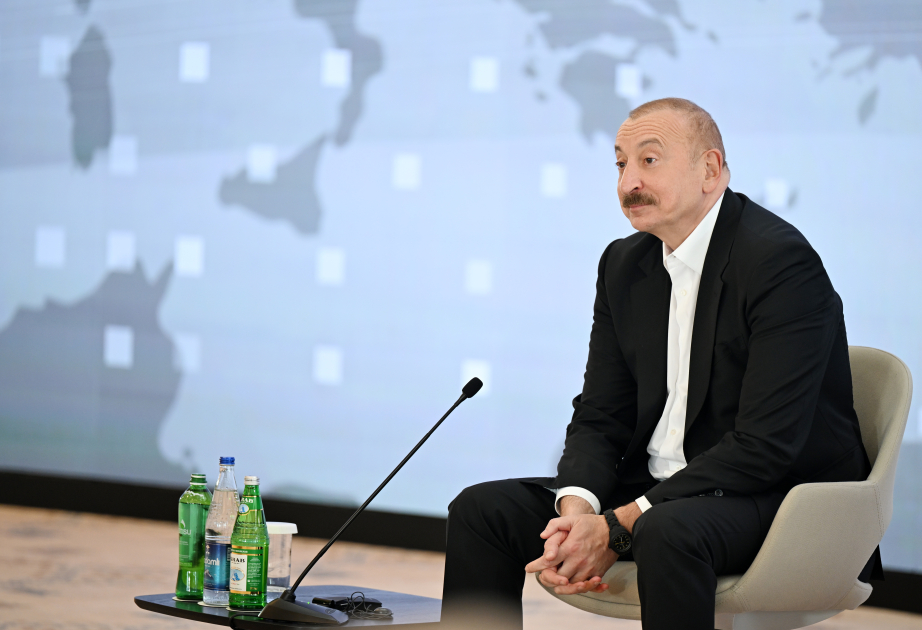
All interested parties witnessed this once again during the Global Media Forum that opened on 19 July in Khankendi, where the President of Azerbaijan Ilham Aliyev delivered another keynote address, sending—as always—important messages to various global actors.
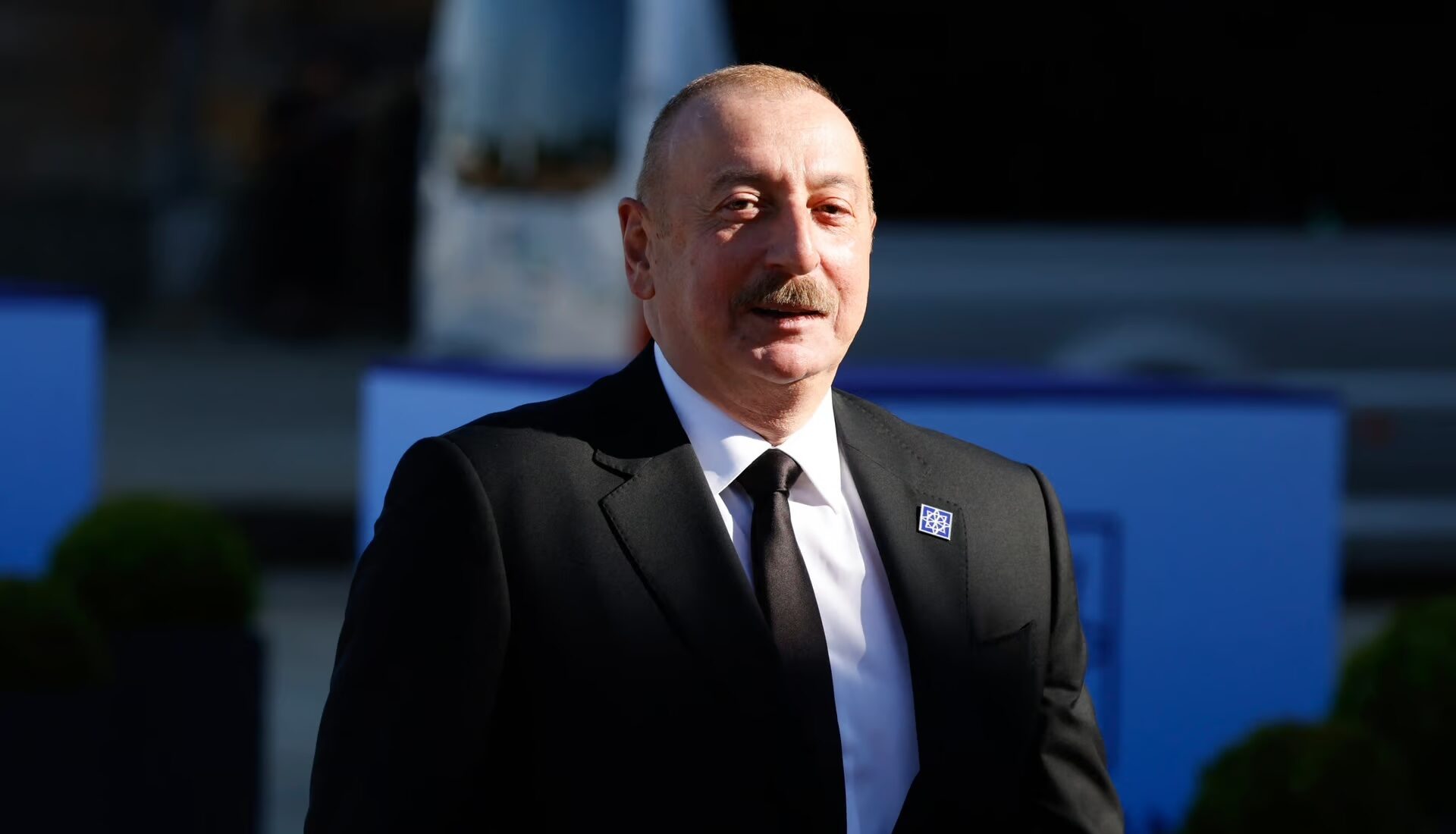
The speech by Azerbaijani President Ilham Aliyev at the 3rd Shusha Global Media Forum will remain a focal point for journalists and analysts for a long time to come.
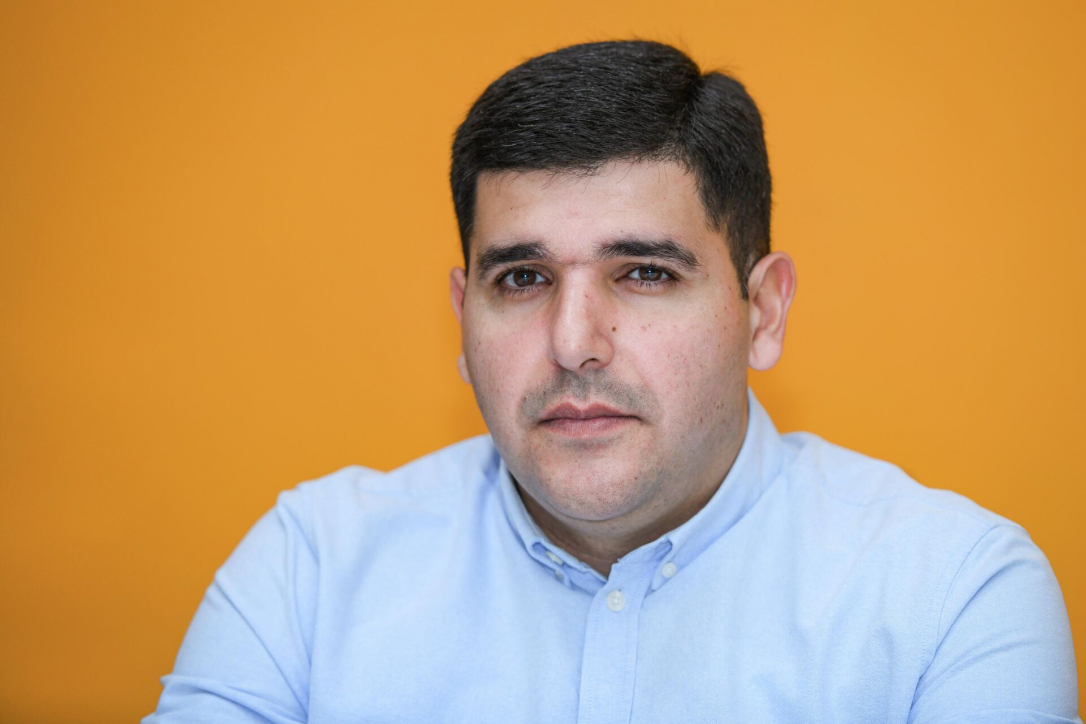
President Ilham Aliyev’s recent statement that Azerbaijan is preparing legal documents to file international lawsuits over the civilian AZAL aircraft shot down by the Russian Armed Forces has reignited the ongoing crisis in Azerbaijan–Russia relations.
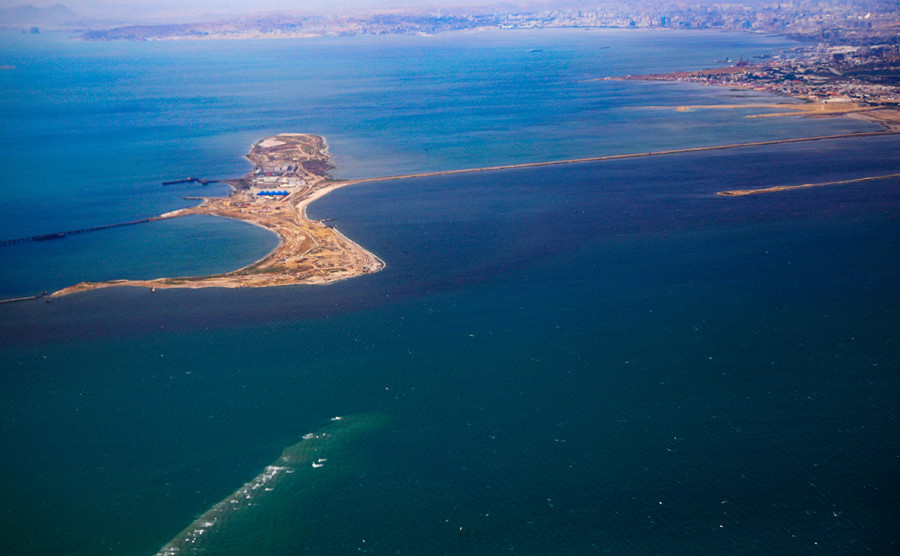
Cooperation among the three Turkic littoral states, excluding Russian involvement, has been a significant development in the Caspian Sea in recent years.
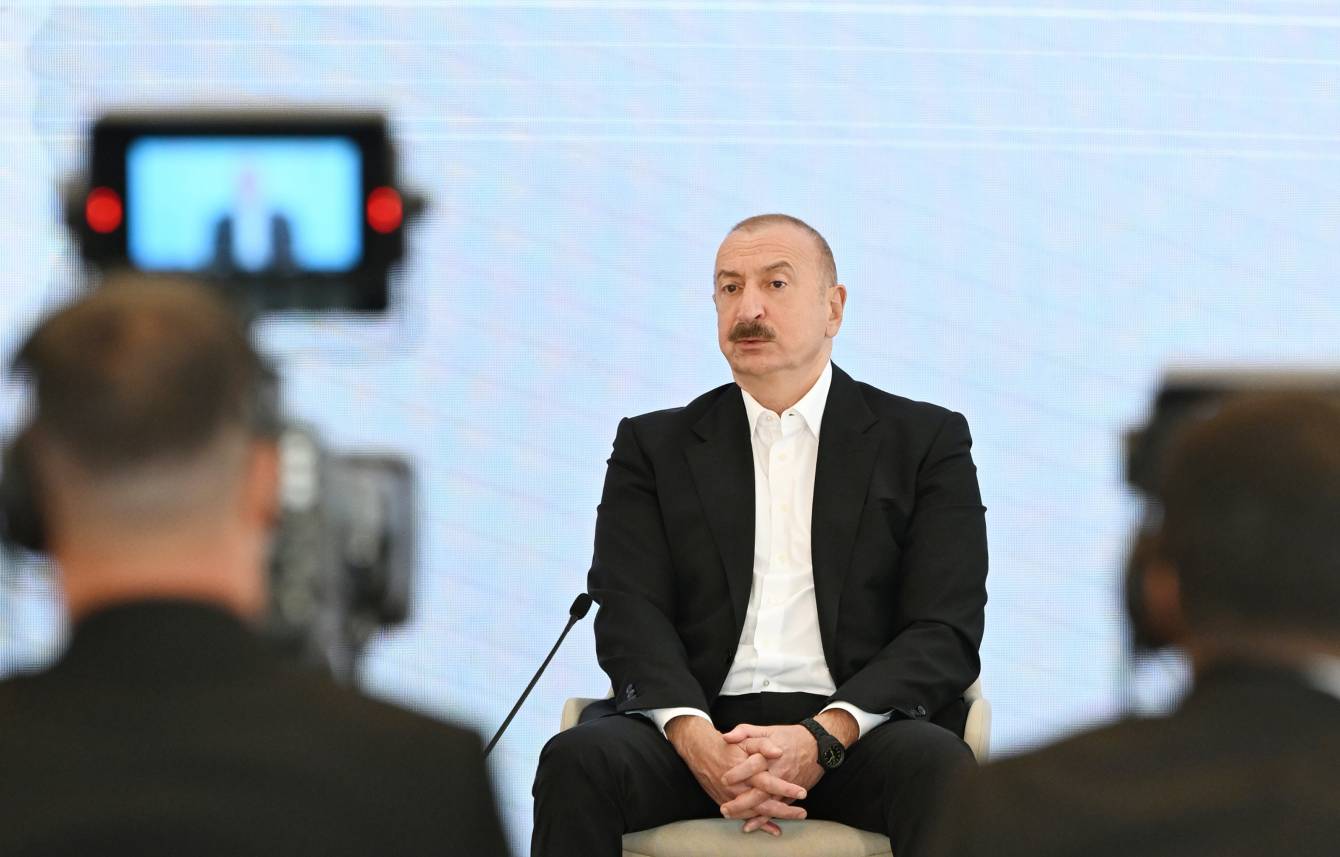
President Ilham Aliyev’s speech at the 3rd Global Media Forum in Khankendi was not merely the highlight of the day—it symbolized a tectonic shift in regional geopolitics.
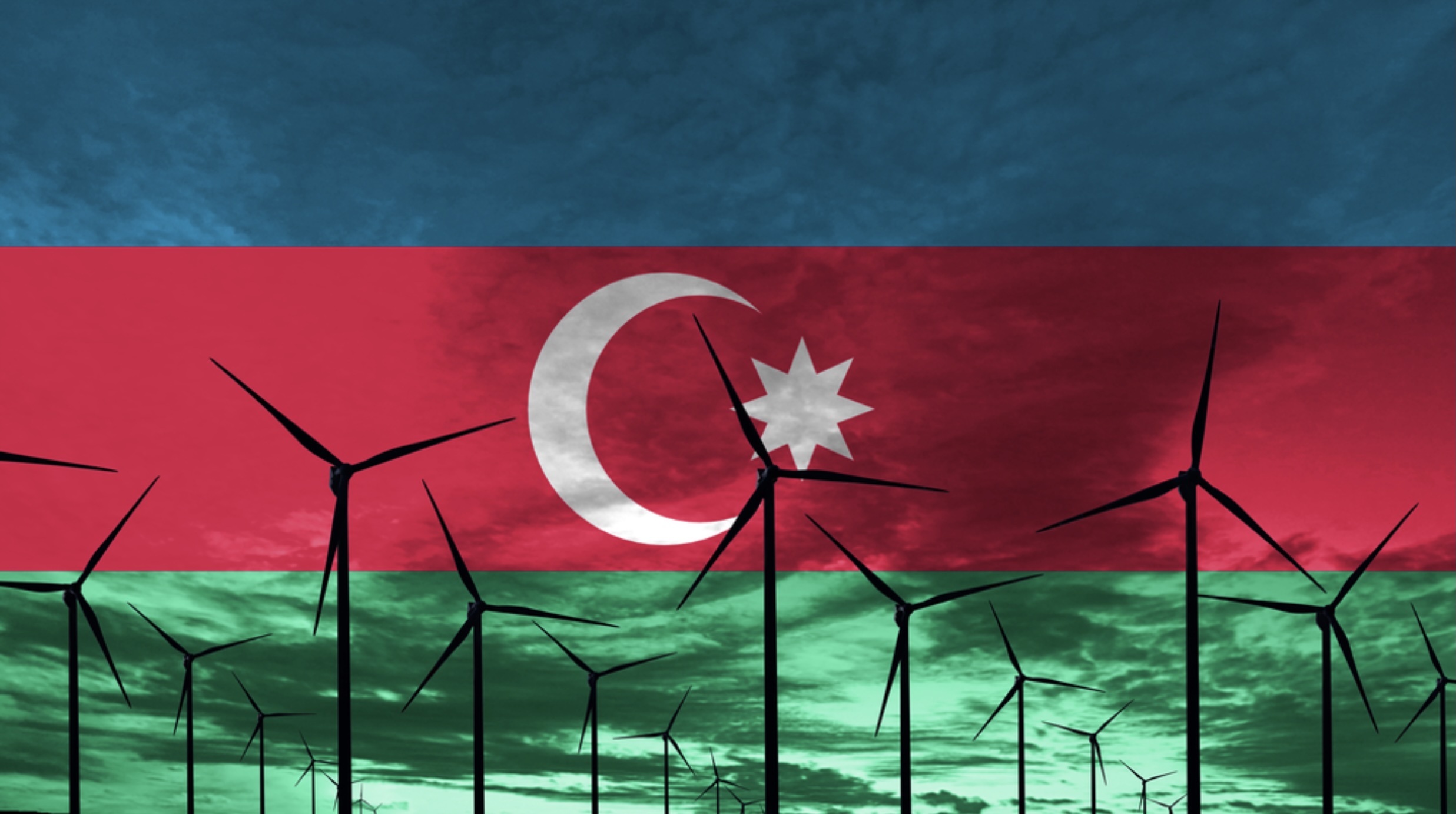
Azerbaijan’s energy ambitions are shifting from oil to offshore wind and hydrogen—opening new opportunities for NATO and energy security.
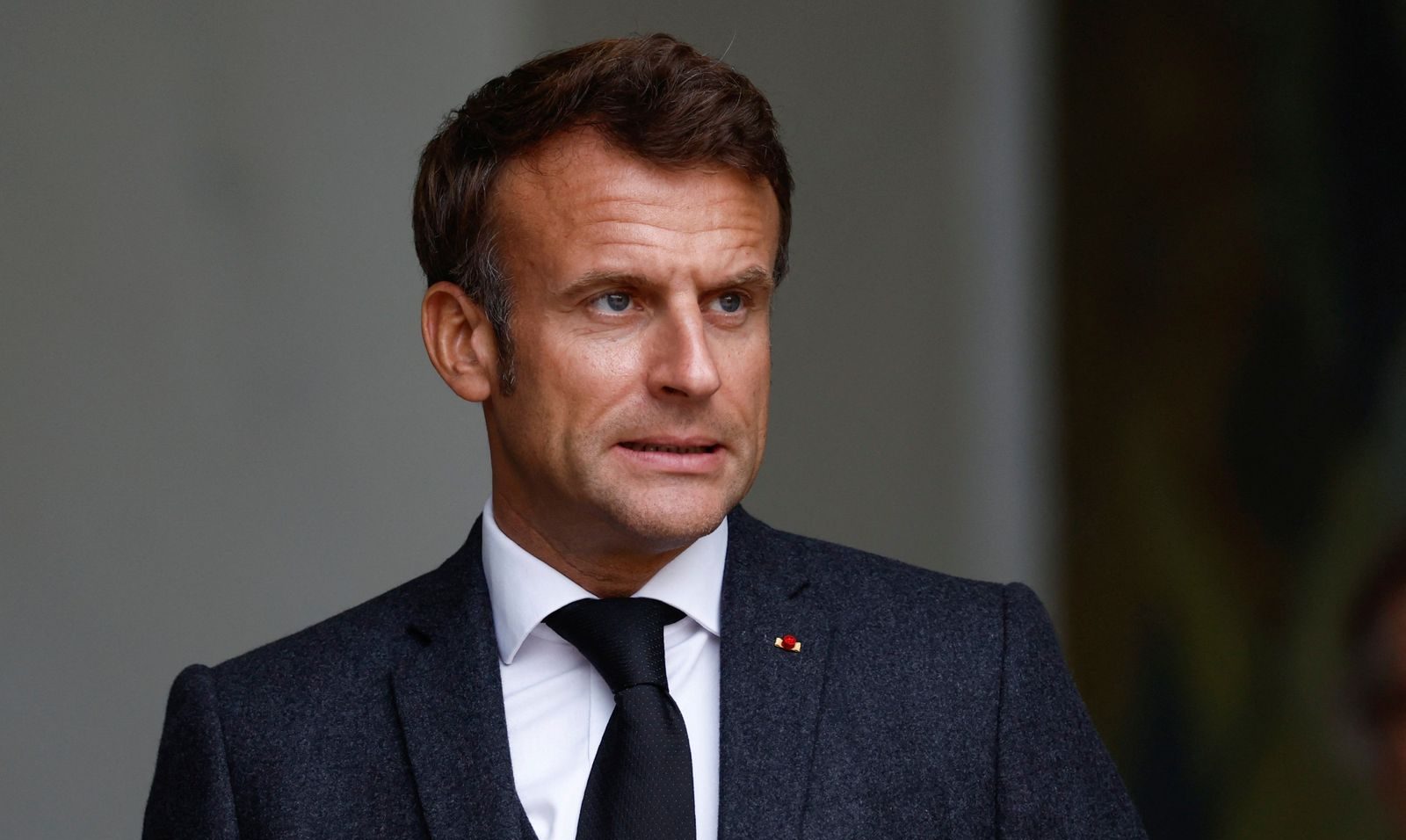
There are no Frenchmen who, in a critical situation, would not be betrayed by other Frenchmen. And Macron’s entire presidency has been one continuous critical situation.
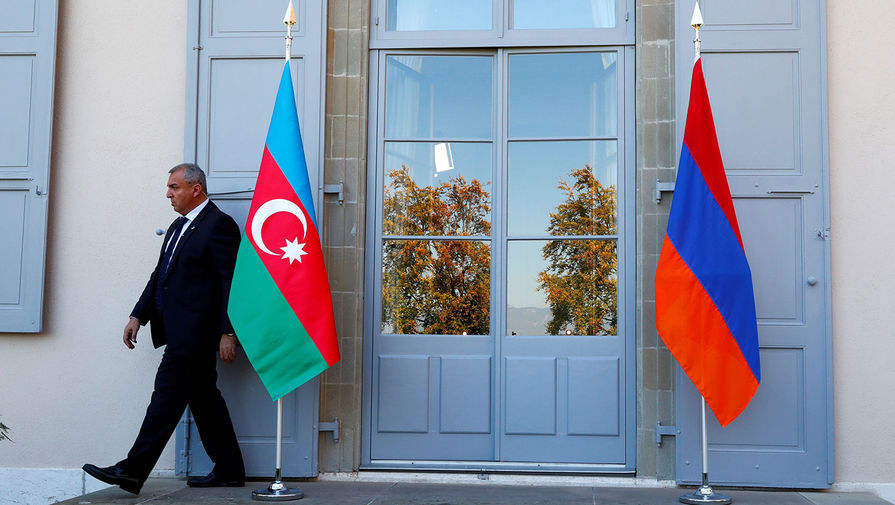
Today, a paradoxical situation has emerged. Baku and Yerevan are engaged in direct peace negotiations — without intermediaries — as shown by their recent meeting in Abu Dhabi.
Azerbaijan and Armenia take a key step toward peace in Abu Dhabi talks without mediators.
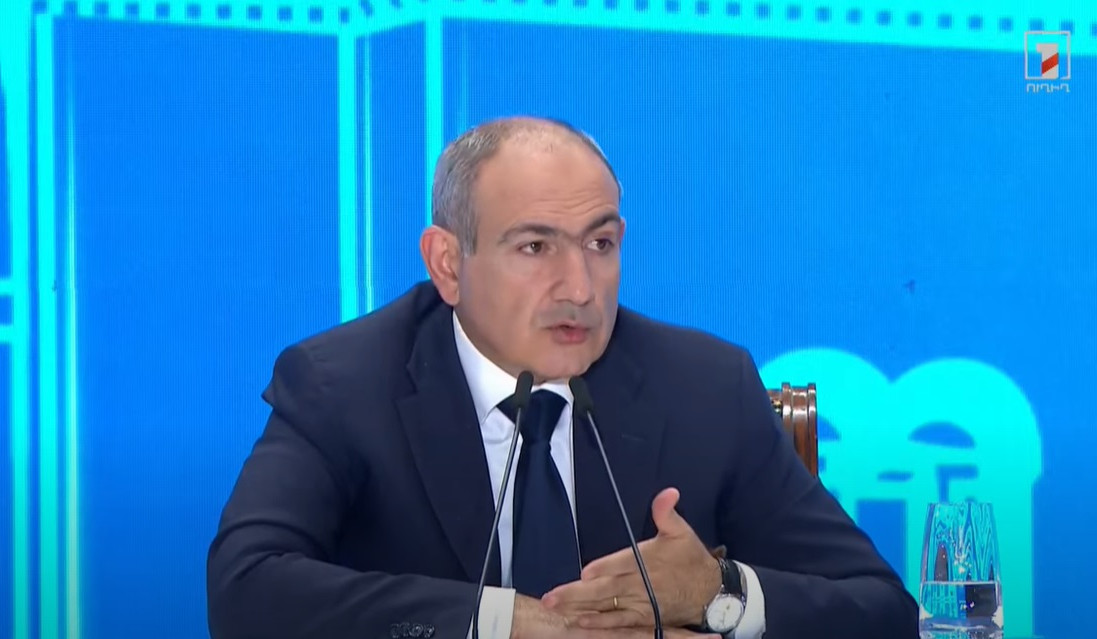
Armenia is experiencing yet another wave of “Zangezur hysteria.”
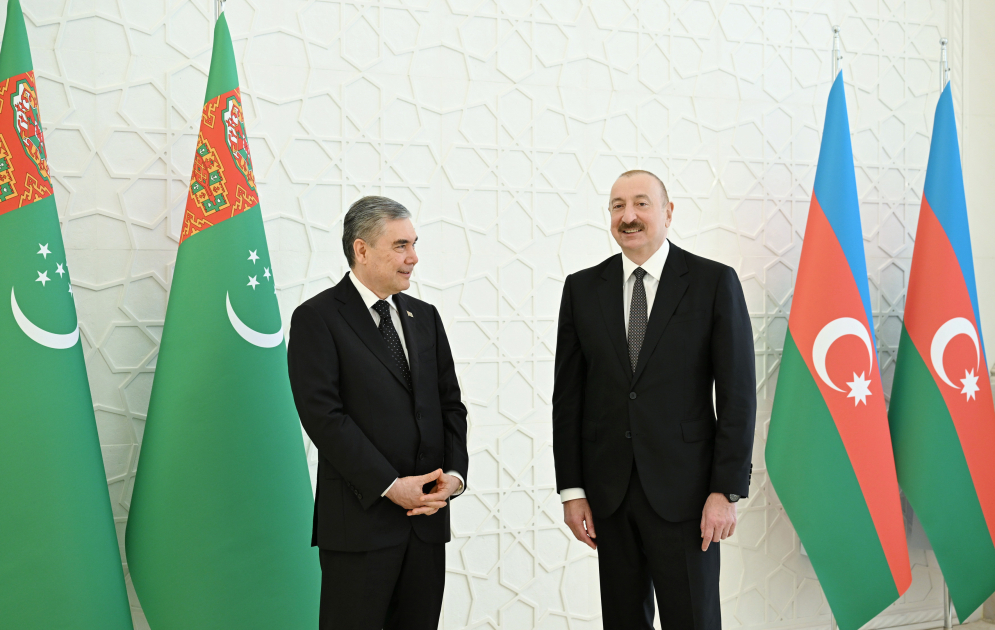
Turkmenistan has long pursued a policy of neutrality and refrains from joining international blocs. Although it is a Turkic-speaking country, Turkmenistan is not a full member of the Organization of Turkic States and participates in its meetings only as an observer.
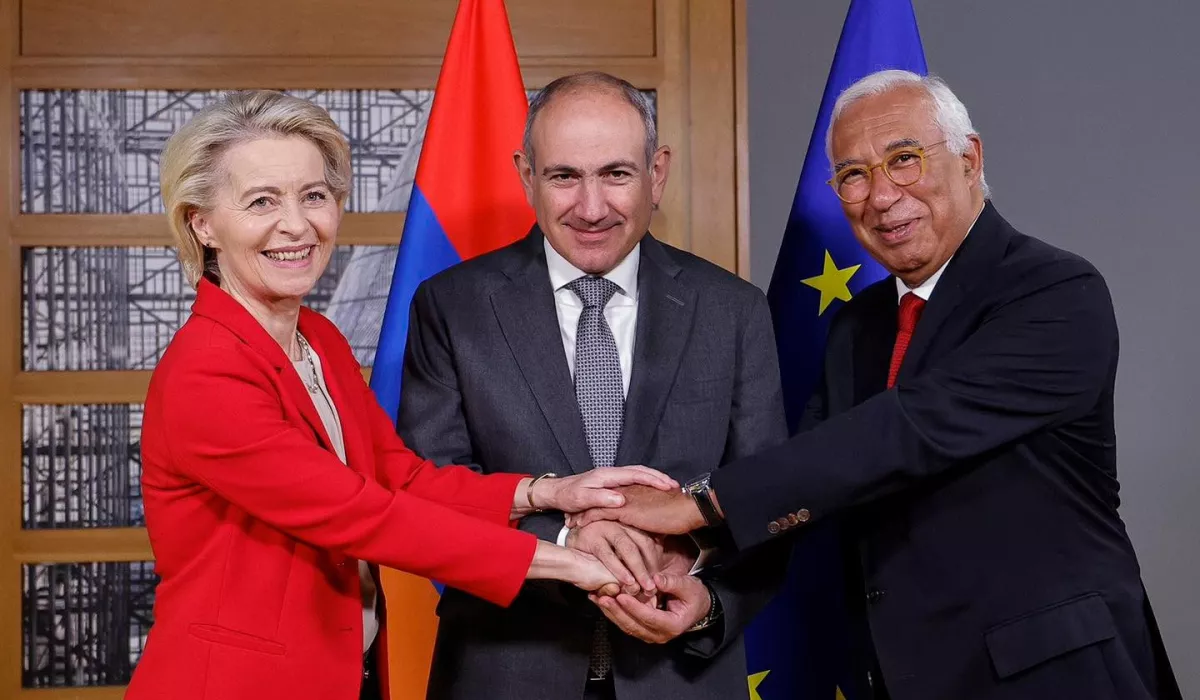
Prior to the visit, Kallas and Pashinyan had discussed the peace agreement between Azerbaijan and Armenia on the sidelines of the European Political Community summit in Tirana.
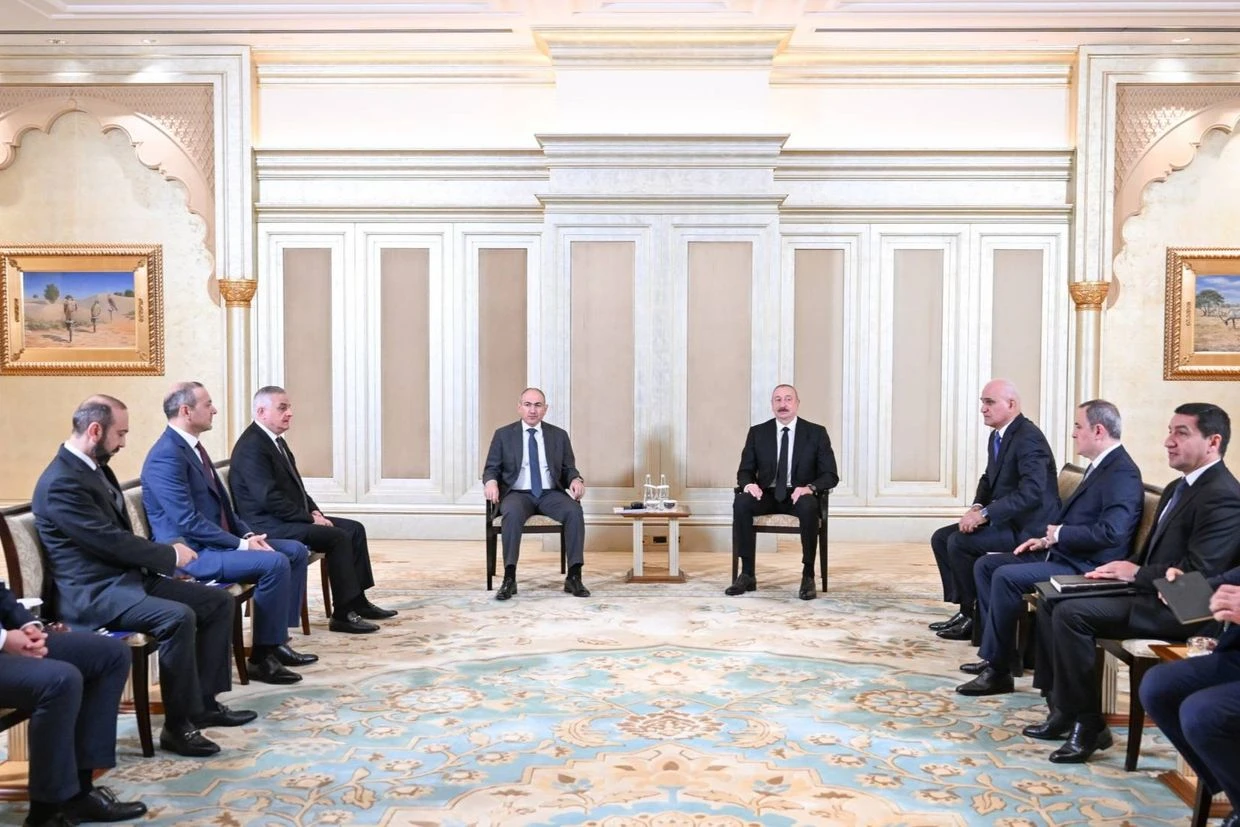
Unlike previous meetings held in European capitals or Moscow – often overshadowed by the agendas of external actors – the UAE offered a neutral and geopolitically unaligned platform.
On June 27, Russian law enforcement raided the homes of Azerbaijani nationals residing in Yekaterinburg. Two were killed, several injured, and nine detained.
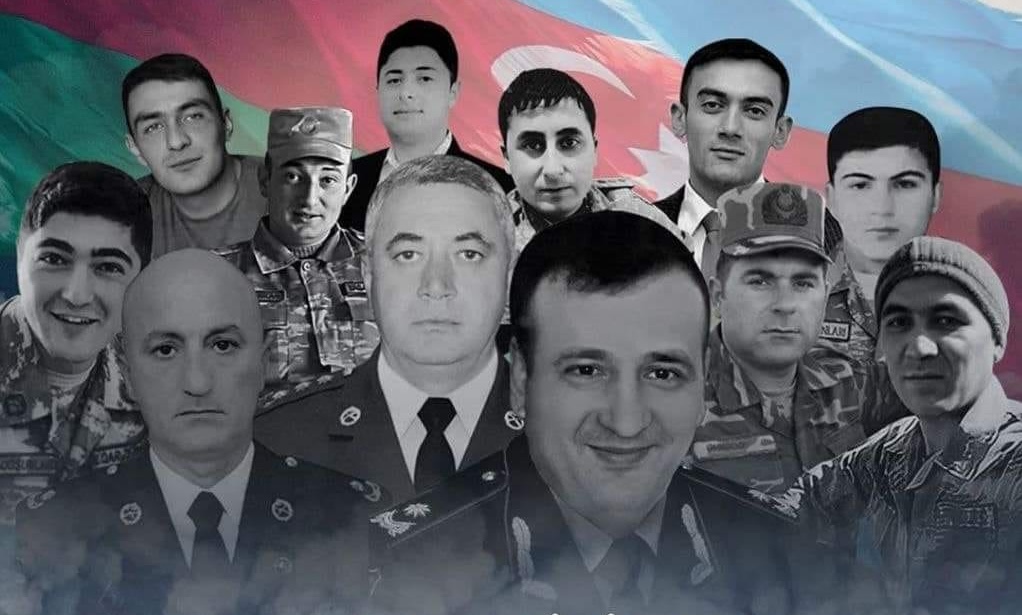
Five years ago, on July 12, 2020, Azerbaijan’s information space exploded with reports from Gazakh and Tovuz: Armenian aggressors had attempted an offensive along this section of the border.
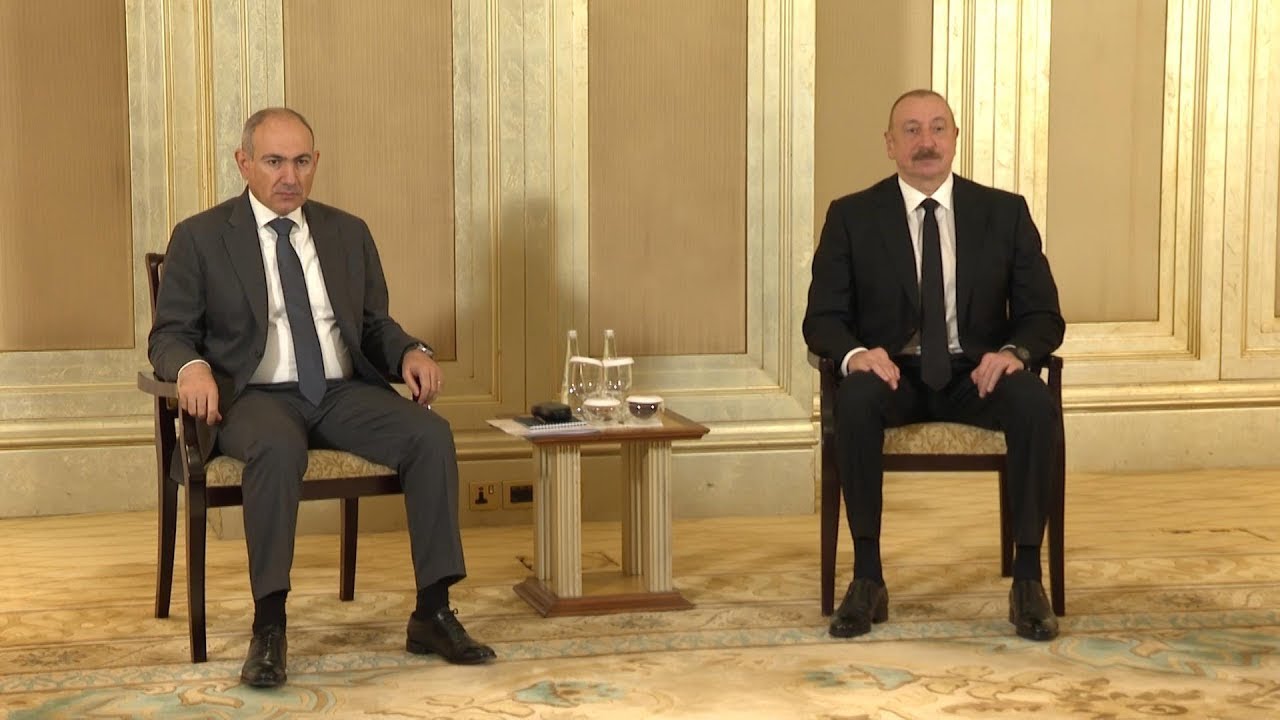
On July 10, one of the most significant meetings in the history of Armenian-Azerbaijani relations took place in Abu Dhabi. The negotiations were held strictly in a bilateral format.