The ICJ will hold public hearings on the preliminary objections raised by Azerbaijan regarding the Court’s jurisdiction in the case concerning Application of the International Convention on the Elimination of All Forms of Racial Discrimination.
Despite certain legal similarities, Azerbaijan and Armenia’s reciprocal ICJ applications are not equivalent. Azerbaijan’s application is not a response to Armenia’s claims, and it raises distinct claims under CERD, which has a broader scope of alleged violations and the historical period it covers.
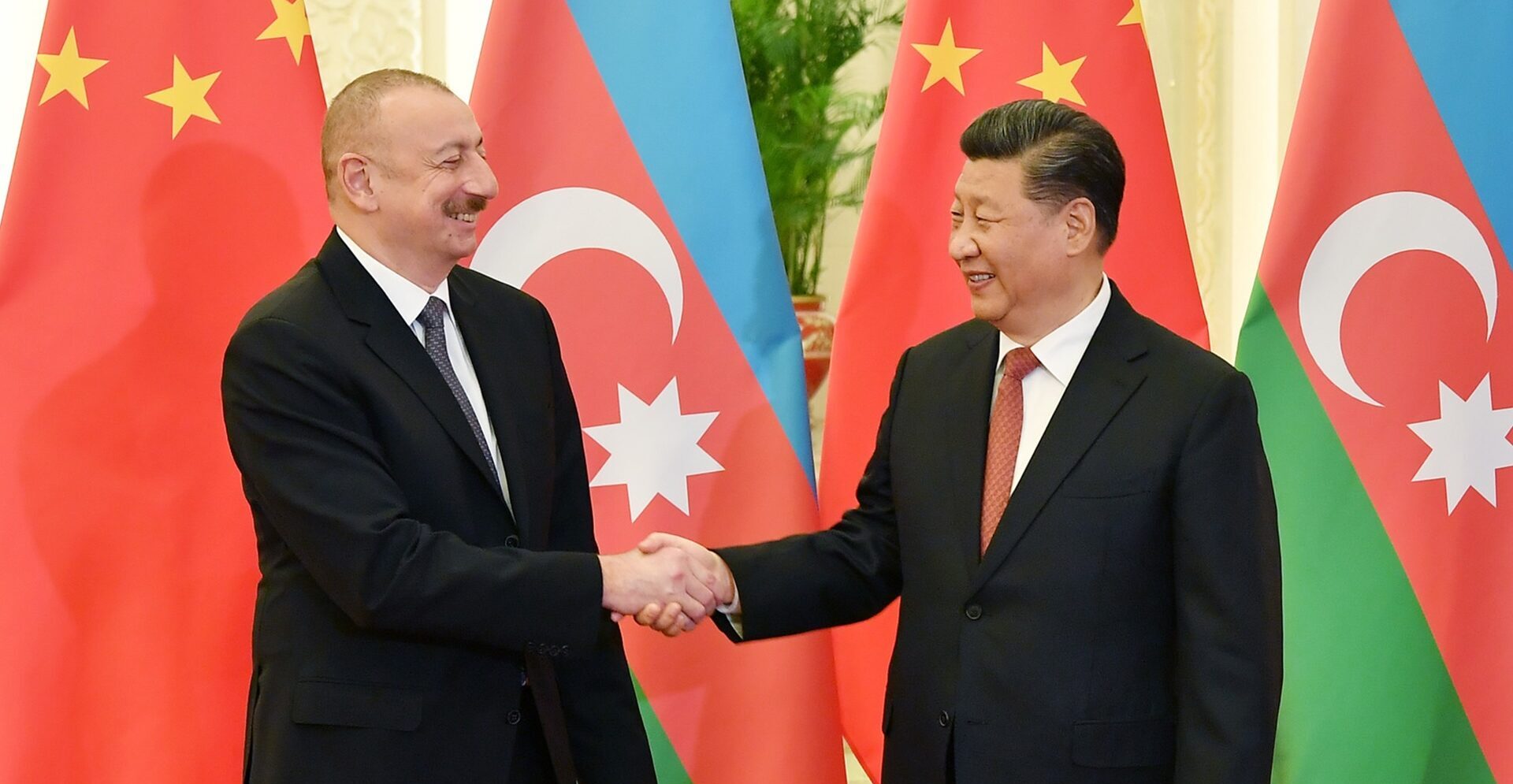
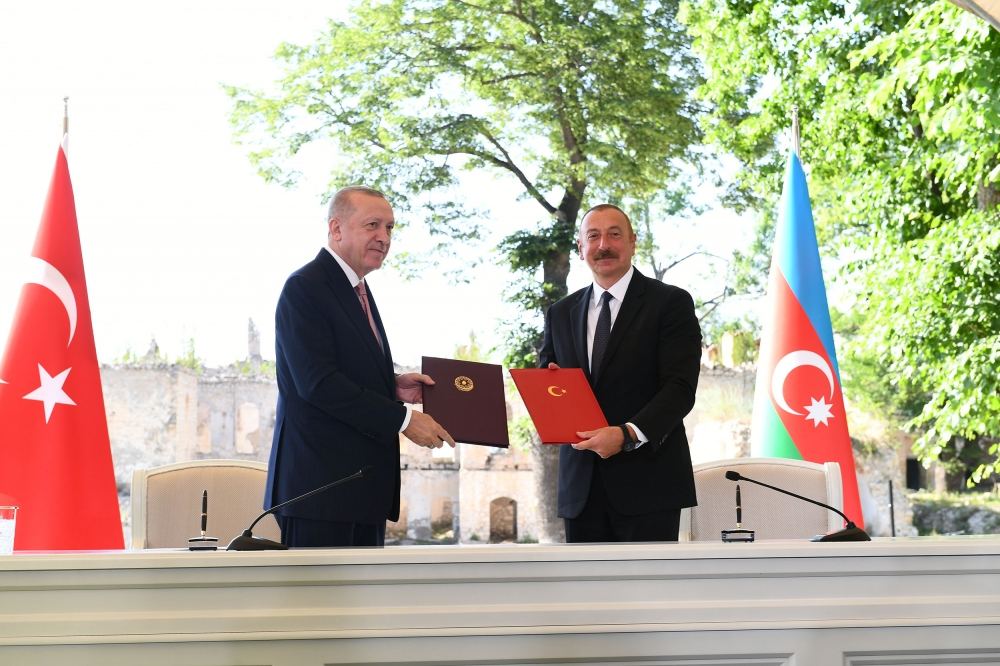
International chess master Ilham Aliyev sits at the great geopolitical chessboard. There is a string of opponents across the board. A fierce game is going on. Aliyev coolly continues his brilliant play without emotions or unnecessary strain... An incredible one-sided devastating game is unfolding before our eyes.
"Israel is one of the main sources of instability in the South Caucasus, and Armenian soldiers in Nagorno-Karabakh were killed with Israeli weapons," Iranian Ambassador to Armenia Mehdi Sobhani made such a provocative statement.
There were moments in Armenia-Azerbaijan relations over the last thirty years when co-operation was a dirty word. To even suggest it, as I often did to the two sides, was to open oneself to all kinds of insults and criticism.
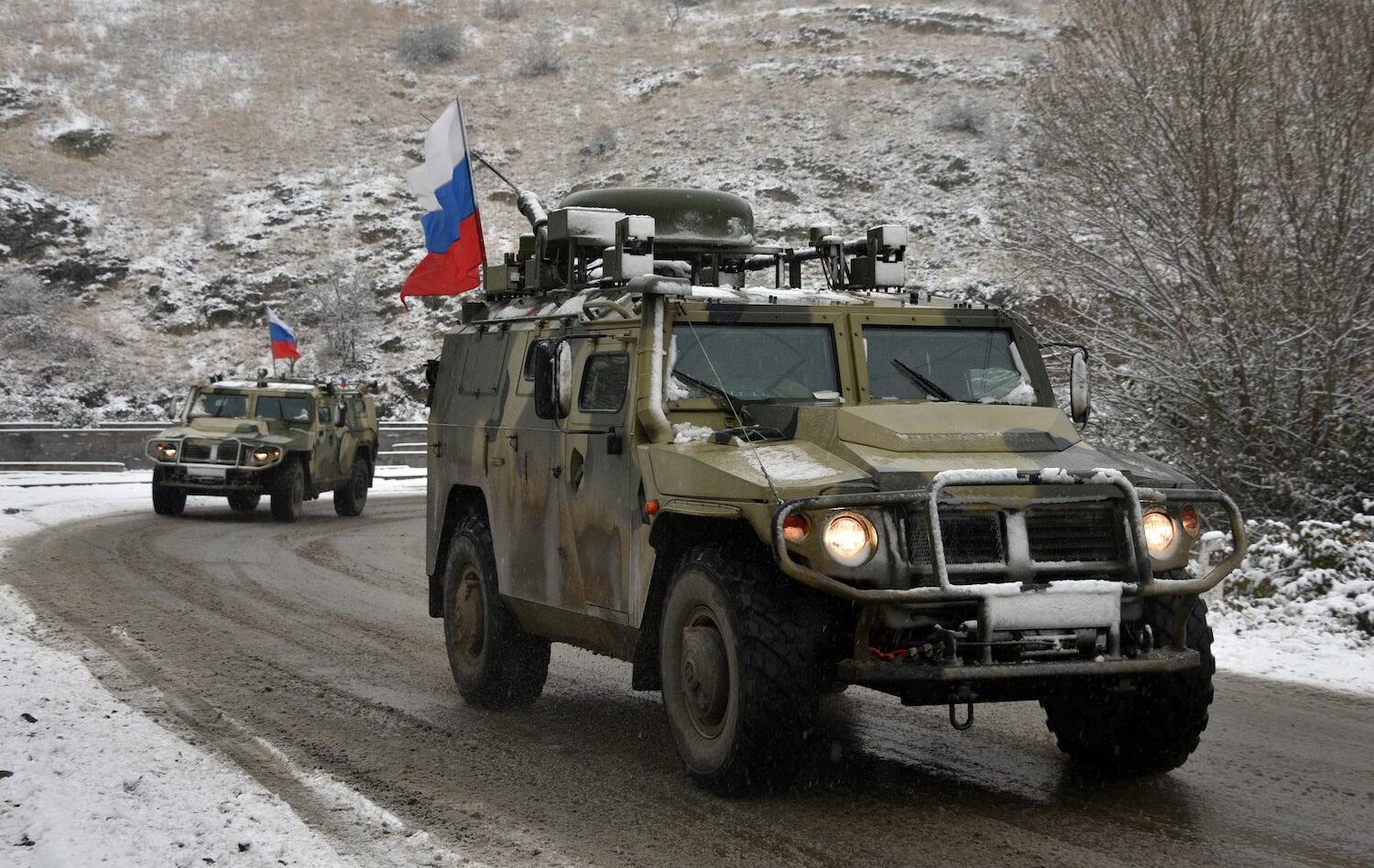
"Russia is leaving the South Caucasus forever. Russian troops first appeared there in 1813, and now in 2024, they are departing. This process is irreversible."
At the moment, we do not set ourselves the task of assessing and delving into an analysis of the results of the activities of Russian peacekeeping contingent in Azerbaijan.
Every war and conflict experience pivotal moments that bring significant risks, often accompanied by suffering and devastation.
The standoff continues between Armenia and Azerbaijan over several border villages, and Baku seems determined to restore sovereignty over them soon.
Azerbaijan and Armenia again crossed swords before the U.N.'s top court on Monday, with Baku asking the court to throw out a case brought by Yerevan accusing it of ethnic cleansing and allegedly violating a U.N. anti-discrimination treaty.
Armenia prefers to claim that Azerbaijan is waging a "hybrid war" against their country, and that antisemitic acts (including attempts to set fire to a synagogue in Yerevan) may have been organized by outside forces to discredit Armenians.
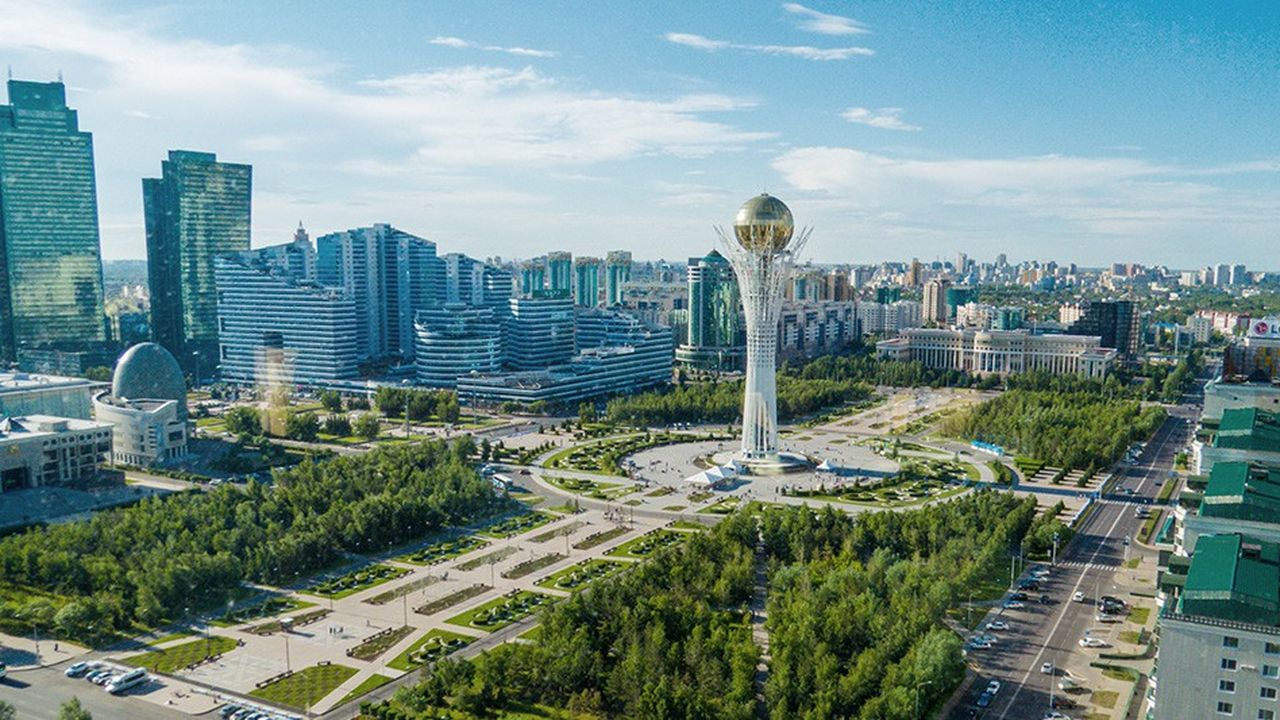
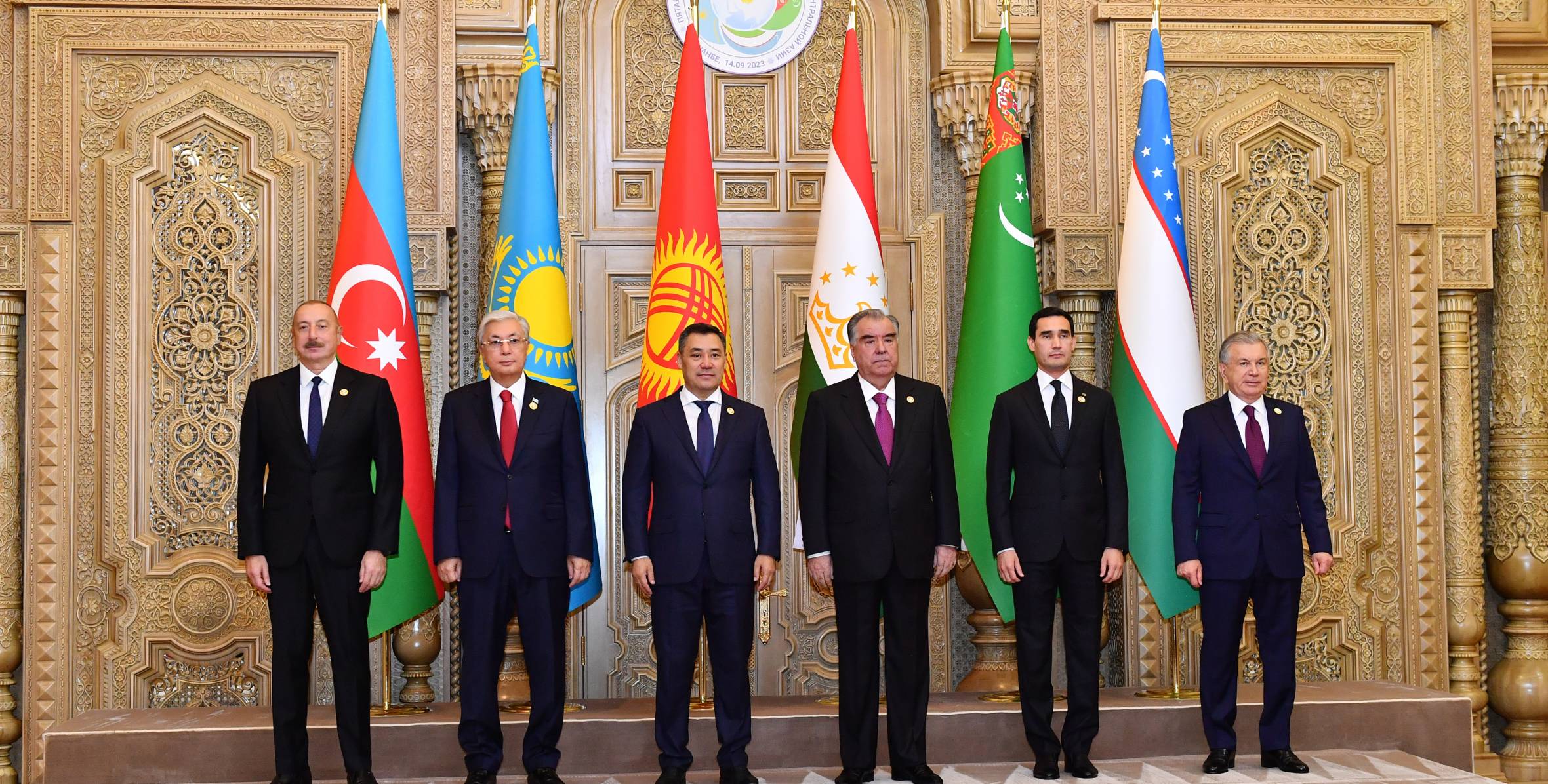
While continuing its equidistance policy regarding Russia and the West, Azerbaijan is looking towards Central Asia and identifying its position in the new Great Game.
While Baku appears inclined to pursue a “business only” arrangement with the European Union, it’s unclear whether that would be acceptable for Brussels.
In Armenia, the official stance on their attempt to initiate a new arms race in the region was presented.
Mutual return of border and exclave villages could prove an ice breaker for peace in a three-decade long conflict between Armenia and Azerbaijan. A failure to agree, however, risks further border tensions.
The US national security strategy of the Biden-Harris administration identifies Russia as a dangerous country that must be contained at all costs. Russia's presence in the South Caucasus is extensive.
After rising confrontation and a war of words in recent years, Azerbaijan and Iran have returned to the diplomatic track—emphasizing regional connectivity and infrastructure projects based on pragmatism.
In an insightful article featured on Modern Diplomacy, Ayoob Kara, who has previously served as Israel’s Minister of Communications, sheds light on Azerbaijan's unique position to act as a mediator in the ongoing conflict between Ukraine and Russia.
In the South Caucasus, there is never only one story unfolding at the same time; more often than not there are several, that may overlap here and there, but that have their own distinct dynamics.
The trilateral meeting on 5 April hardly promises any good to the Armenia-Azerbaijan peace process either. In his phone call with Secretary Blinken, President Aliyev specifically mentioned “lack of inclusivity” as part of his criticism of the meeting.
The conceited and the envious, especially if they have power, tend to antagonize those who cannot be deceived, who do not allow themselves to be manipulated. This pernicious tradition does not only manifest itself in everyday life.
US Secretary of State Antony Blinken's phone call to President of Azerbaijan Ilham Aliyev revealed many political facts that would be unimaginable only yesterday. Blinken's call is yet another evidence of the increased political weight and authority of President Ilham Aliyev. It is also indicative of the surgical precision of his diplomacy and highest professionalism.
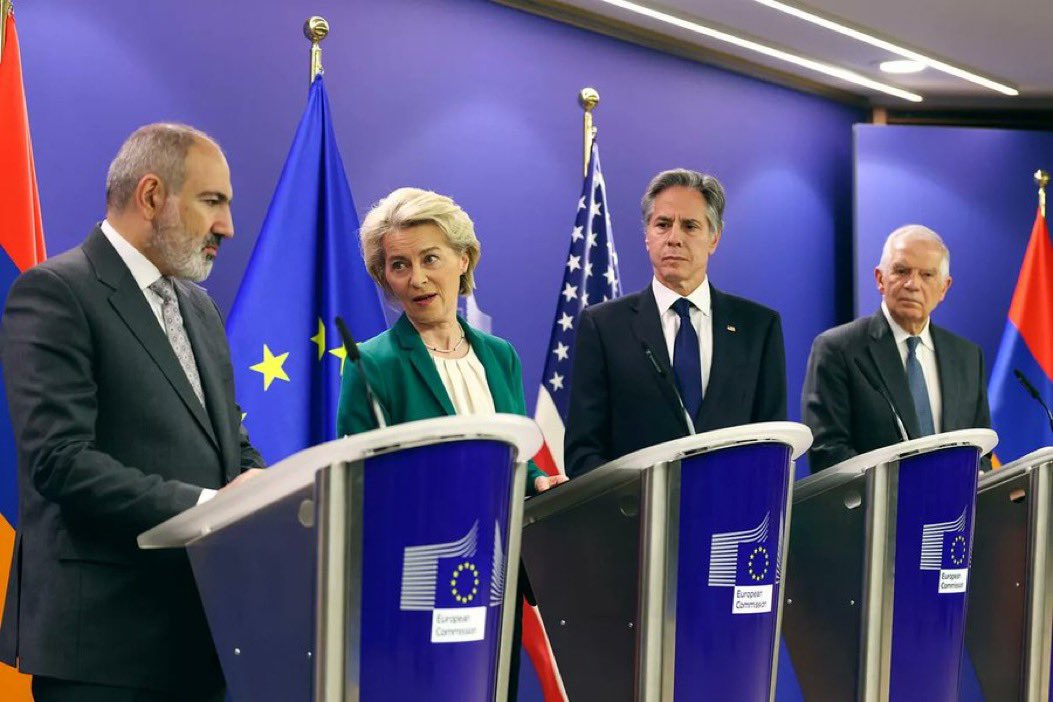
The call from Secretary of State Blinken to the President of Azerbaijan on the eve of the "Brussels Conspiracy" involving the Secretary of State of the USA, the High Commissioner of the EU, and the Prime Minister of Armenia demonstrates the West's belated realization that ignoring Azerbaijan's position on regional processes is counterproductive.
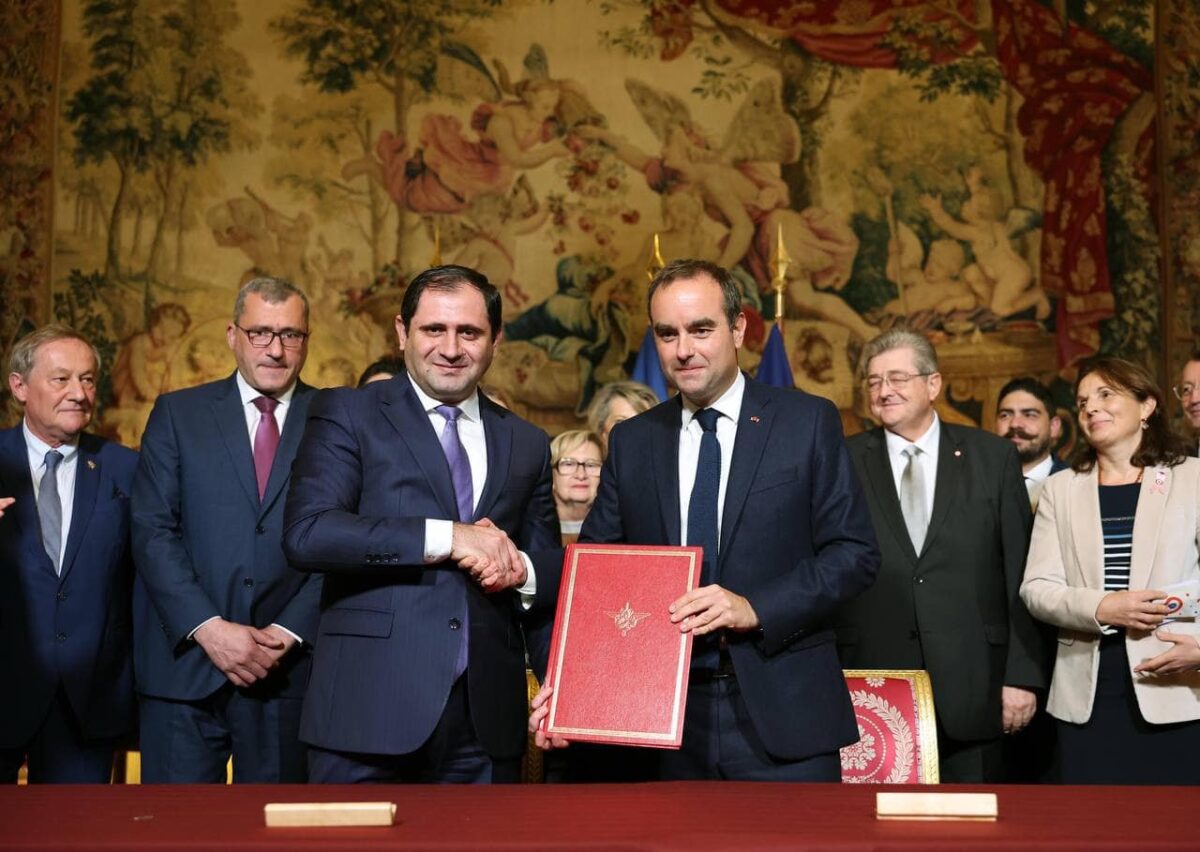
According to reliable sources, Nikol Pashinyan's April 5 meeting with Ursula von der Leyen and Antony Blinken in Brussels is expected to approve a plan of political, economic, military, and humanitarian assistance to Yerevan to initiate Armenia's integration into the Euro-Atlantic space. Among other things, it is expected to agree on security cooperation unprecedented for the CIS countries.