Europeans indeed have reason to be concerned, especially since they have already faced sabotage activity by “individuals connected to Moscow.”

Europeans indeed have reason to be concerned, especially since they have already faced sabotage activity by “individuals connected to Moscow.”
"We highly appreciate Azerbaijan’s position based on respect for international law, the UN Charter, and in particular the principle of the inviolability of borders."
There’s a foolproof sign that a state is on the right track: it’s not compliments or diplomatic niceties—it’s provocations. The stronger Azerbaijan grows, the more nervous and aggressive the attempts to discredit it become. The past few weeks have offered yet another clear confirmation of this.
The European Commission’s 2026 meta-study on energy connectivity across the Eastern Partnership, the South Caucasus, Turkey, and Central Asia provides a timely assessment of Brussels' view of the evolving energy architecture on its eastern flank.
Azerbaijan could play a critical role in ongoing peace efforts in the Middle East—particularly in engagement with neighboring Iran.
According to available information, a new phase of provocative activity may now be beginning. The campaign is not slowing down — it is escalating. Reports suggest that in the coming days another wave of attacks will be launched, targeting both Azerbaijan as a whole and members of the state leadership personally.
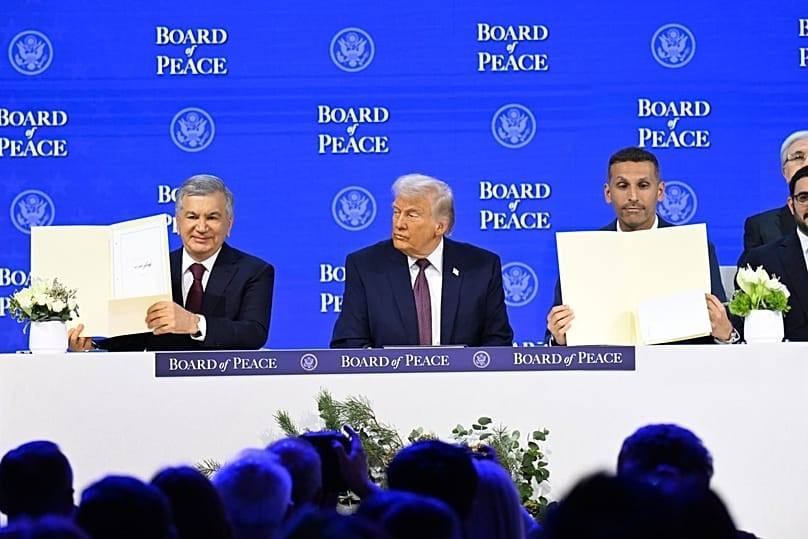
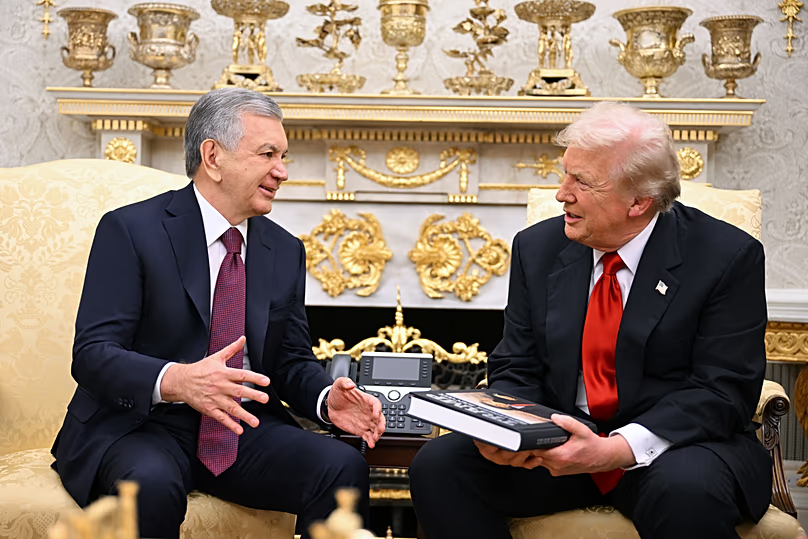
The President of Uzbekistan, Shavkat Mirziyoyev, has arrived on a working visit to Washington to participate in the inaugural meeting of President Trump’s Board of Peace on February 19, 2026.
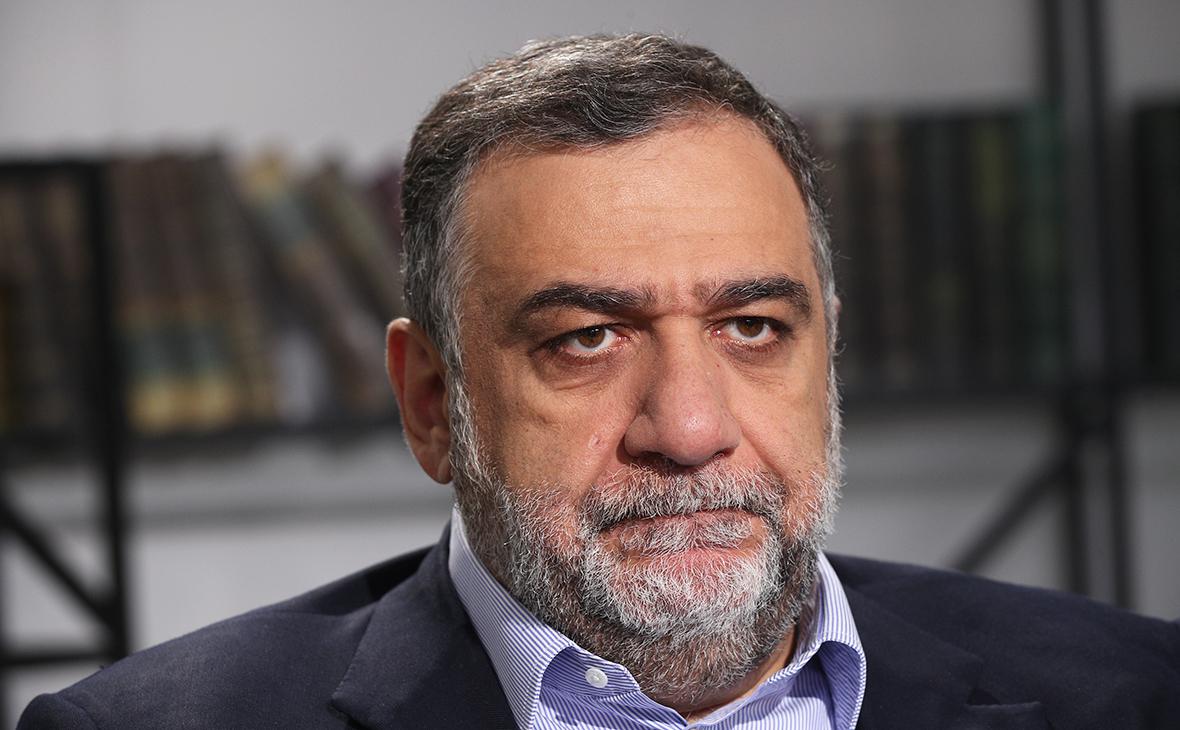
On February 17, 2026, the Baku Military Court sentenced Ruben Vardanyan to 20 years in prison. The Armenian citizen was charged with crimes against peace and humanity, war crimes, terrorism, financing of terrorism, and other serious offences.
As the Trump Administration is trying to drag the world toward the reconstruction of Gaza, an undertaking fraught with security, political, and economic challenges, a gap is emerging between the “old” Europe, skeptical of Trump, and nation-states seeking to expand cooperation with Washington.
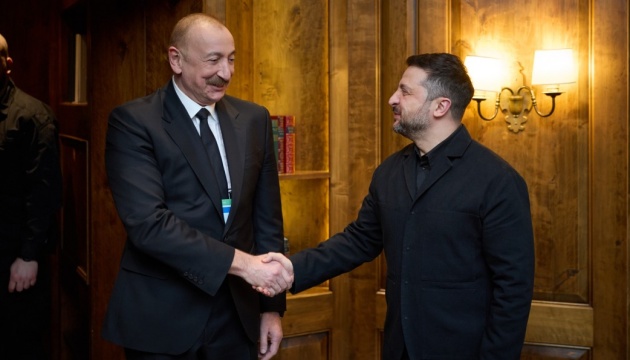
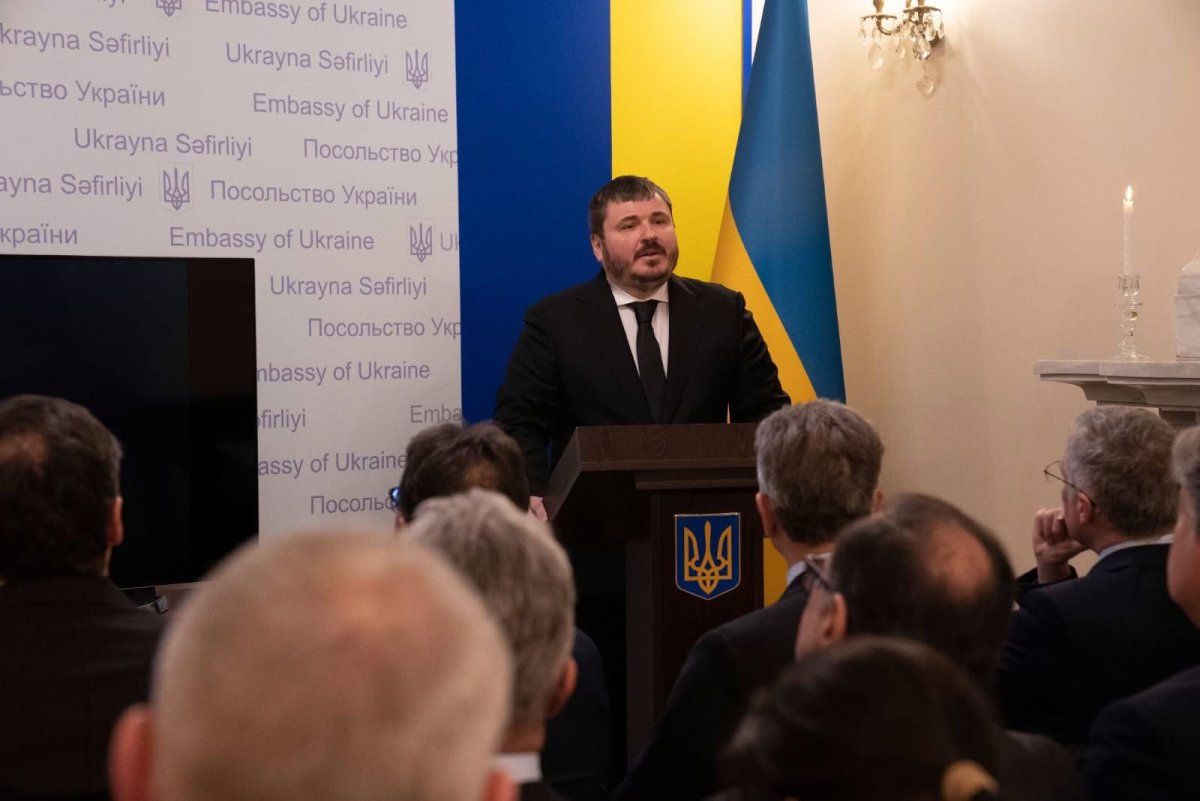
President Ilham Aliyev spoke at the Munich Security Conference directly and without diplomatic courtesies: Azerbaijan’s embassy in Ukraine was struck three times. After the first strike, he said, it might still have been possible to assume an accident.
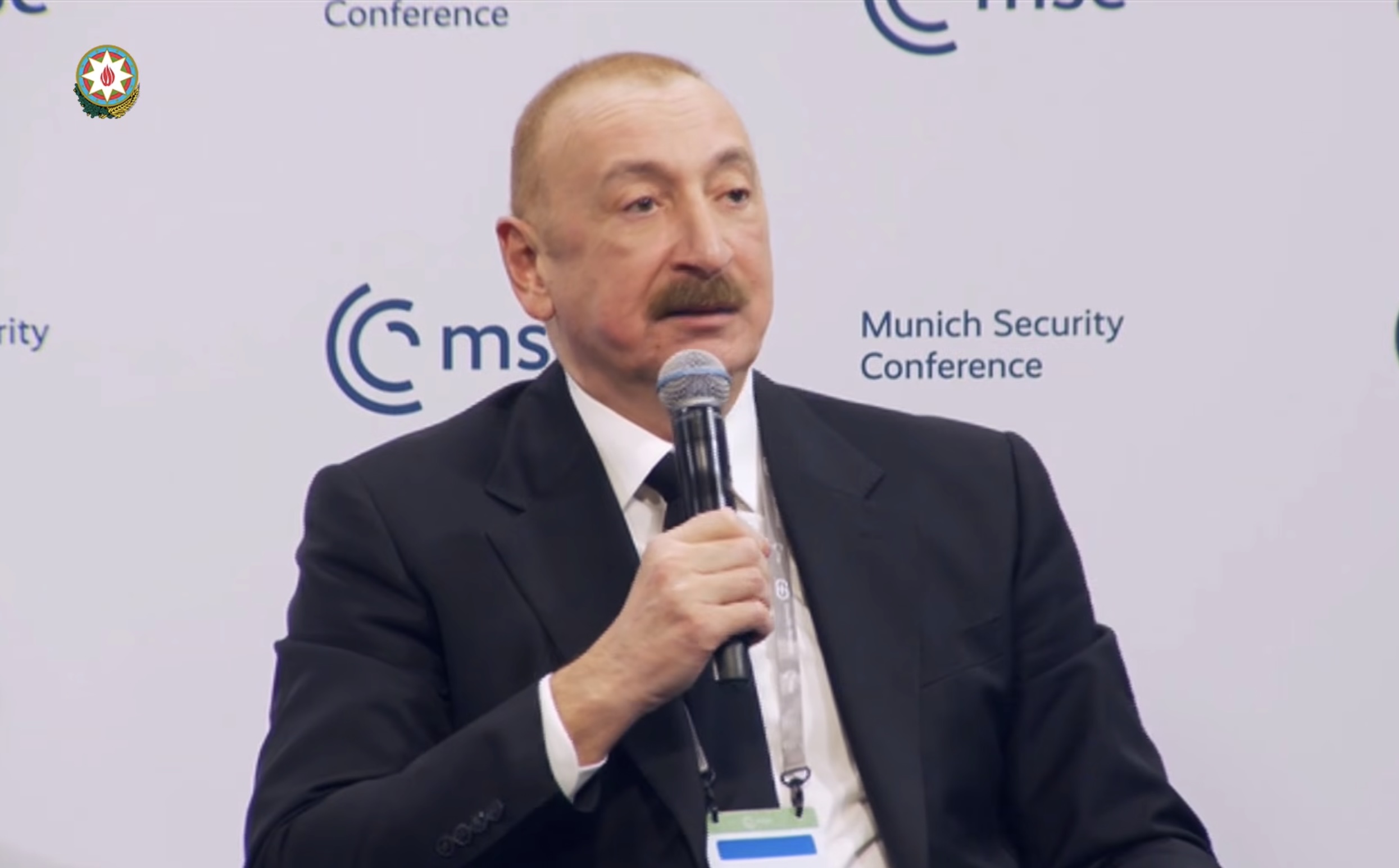
During his visit to Germany, President of Azerbaijan Ilham Aliyev took part in the Munich Security Conference, which is being held at a time when traditional centres of power in global politics are shifting, the international security architecture is evolving, and competition between strategies and development models is intensifying.
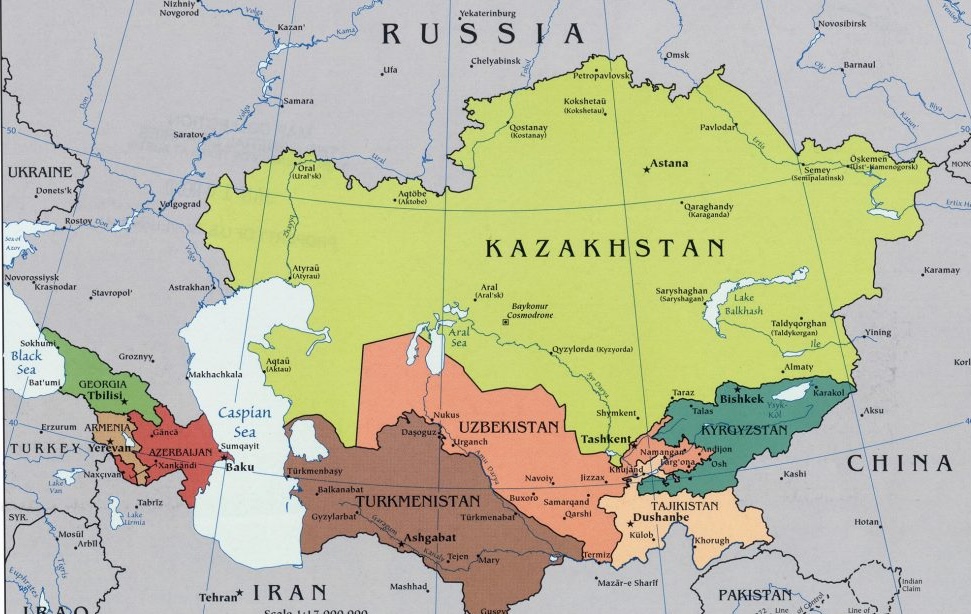
A study commissioned by the EU, which was published last week, focused on what investments and infrastructure projects are needed to better connect Europe to Central Asian markets via the South Caucasus.
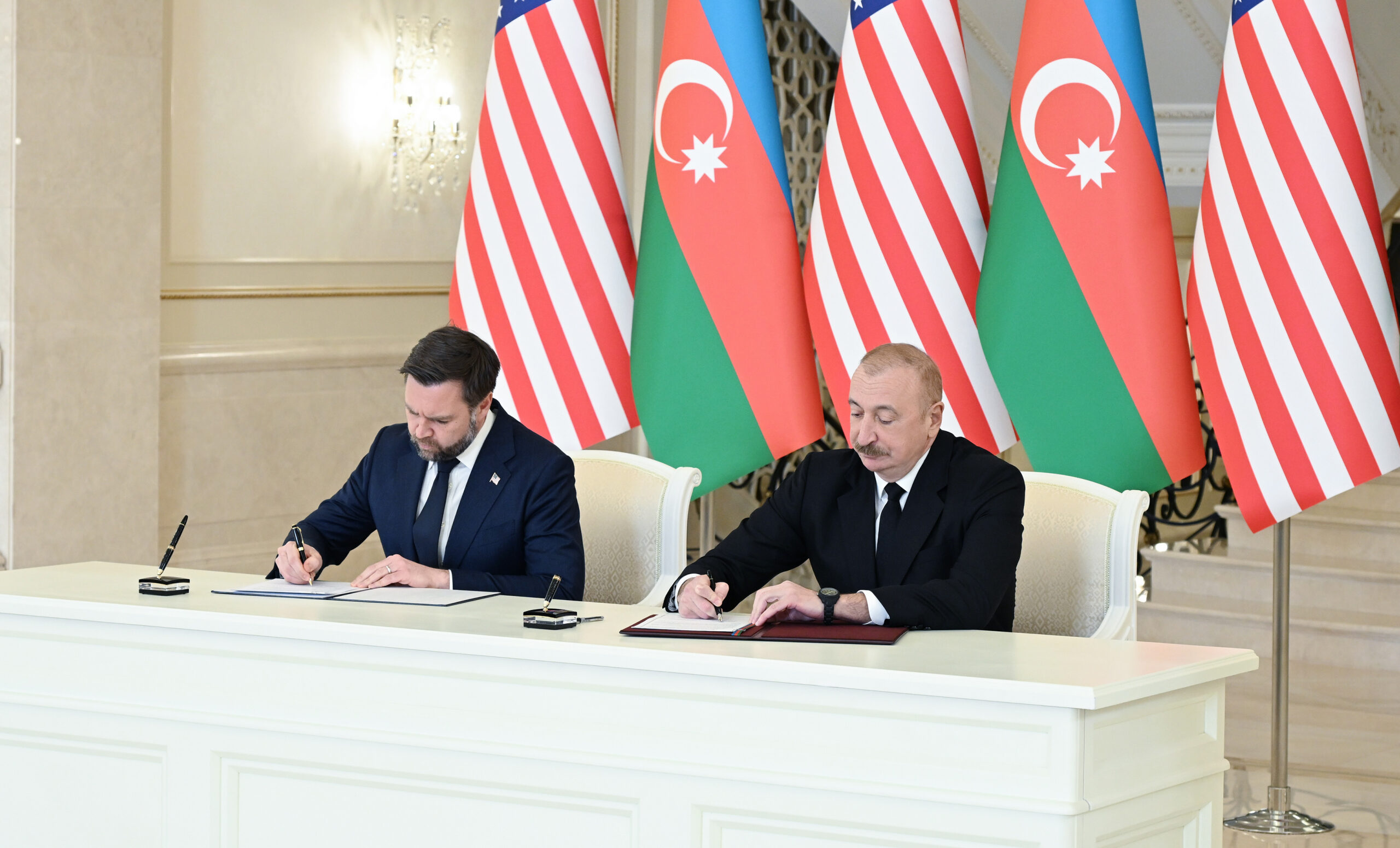
A quiet but consequential shift is underway in the South Caucasus. With sustained diplomatic engagement, strategic investment, and a clear vision for regional connectivity, the United States is positioning itself not merely as a mediator between Armenia and Azerbaijan, but as an anchor of long-term stability.
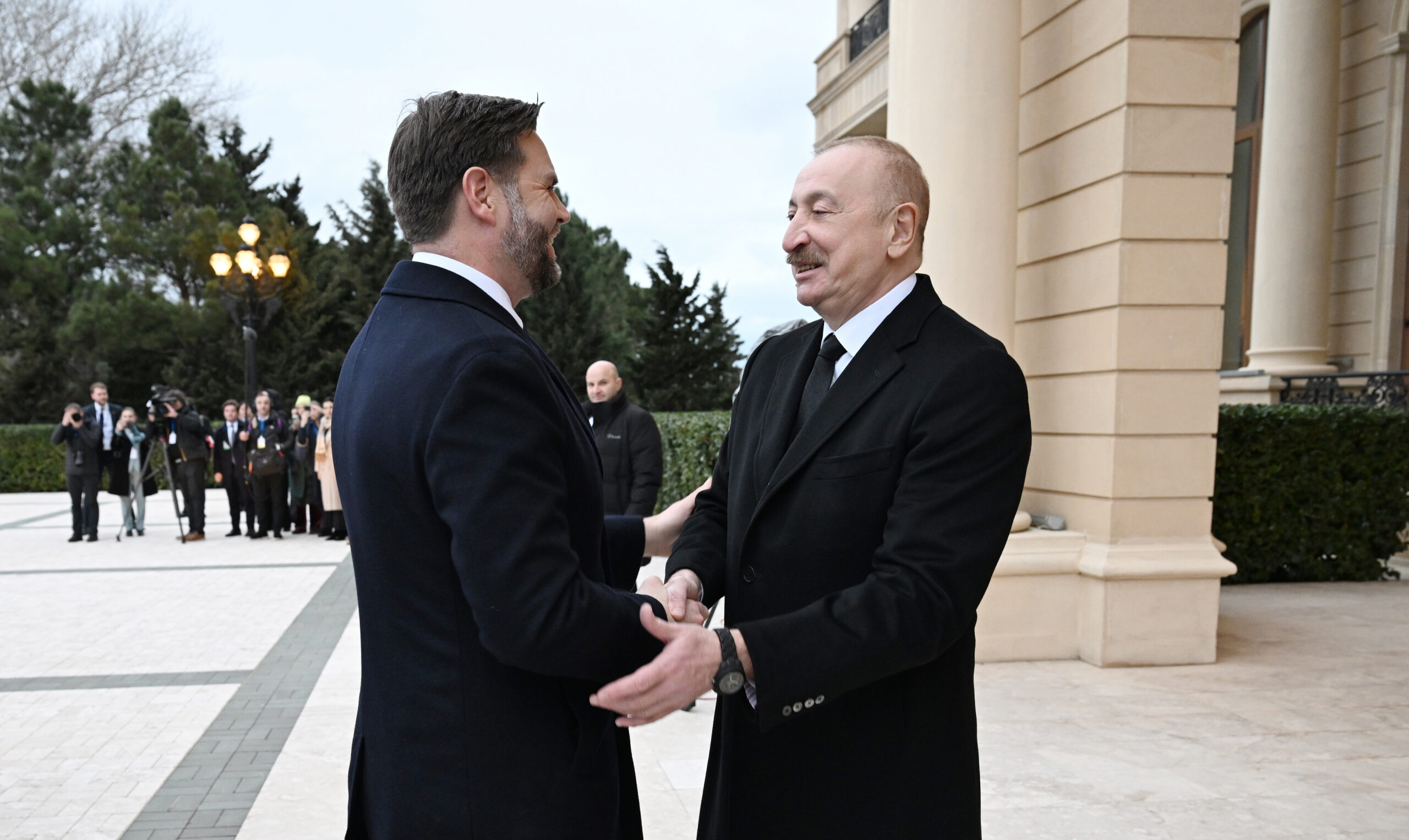
Vice President Vance’s visit to Armenia and Azerbaijan signals a shifting balance of power in the region, and it’s not in Russia’s favor.
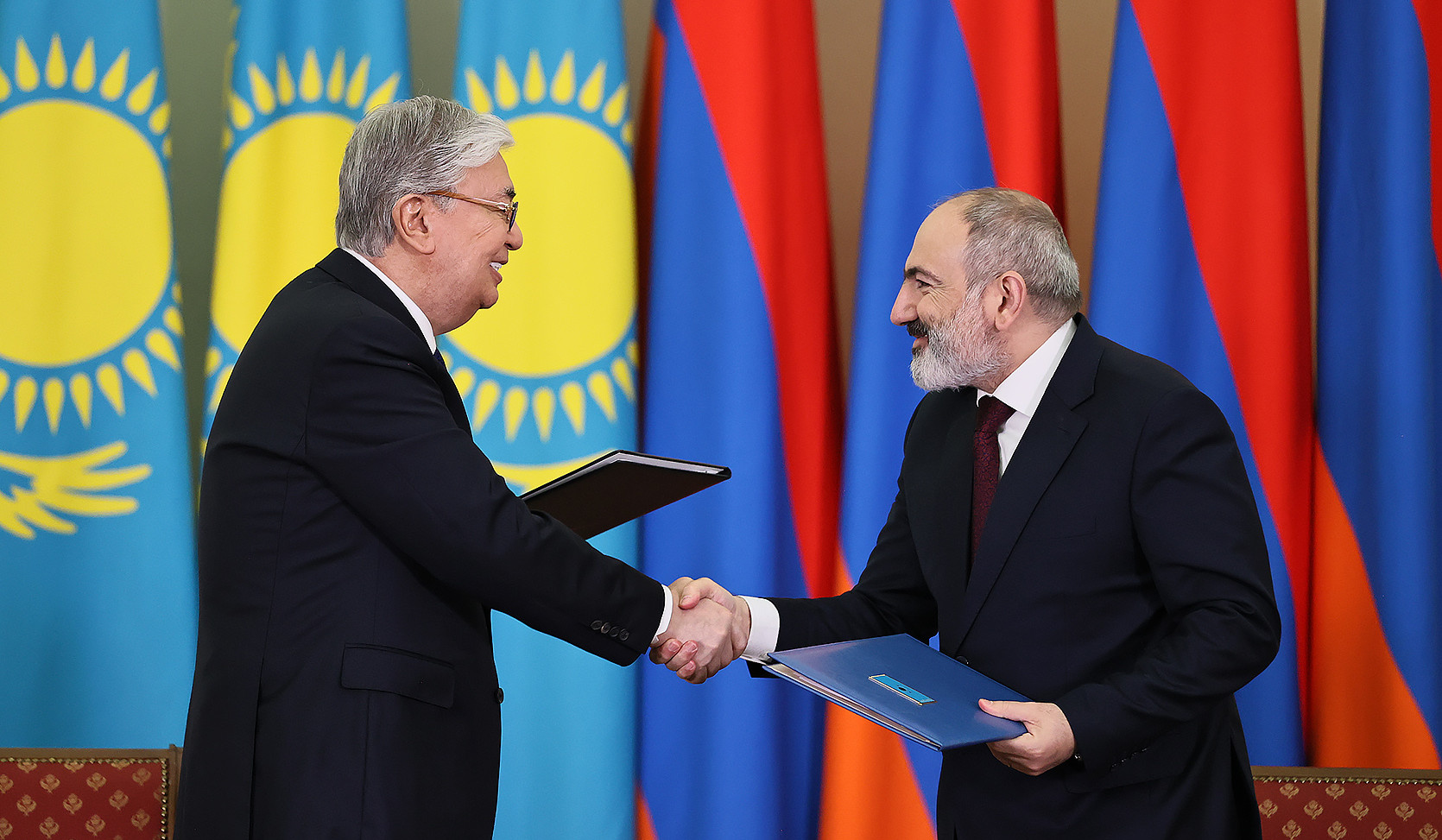
Kazakhstan is building its political and economic engagement with the South Caucasus, driven by Armenia–Azerbaijan rapprochement and the need to find less risky east–west trade routes following Russia’s full-scale invasion of Ukraine.
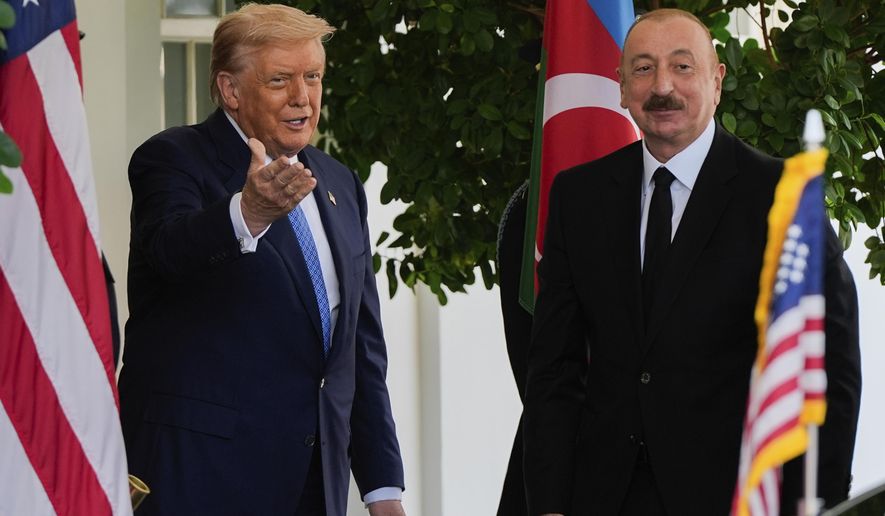
The visit of J.D. Vance to Azerbaijan symbolizes the emergence of a new milestone in the complex — and historically contradictory — relationship between Baku and the world’s most powerful superpower.
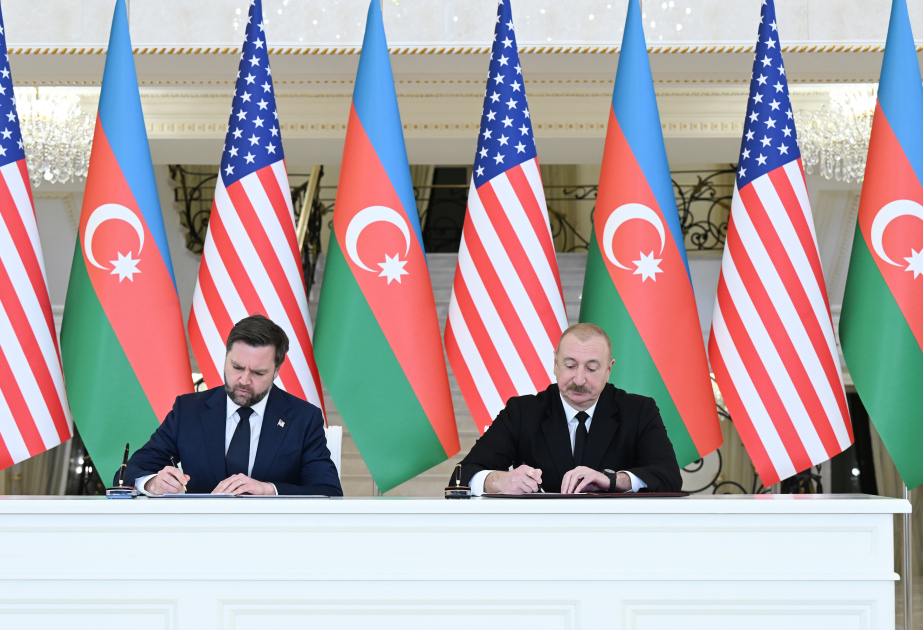
Azerbaijan’s growing ties with the United States, Türkiye, and China amid Russia’s weakening influence are driving Baku away from Moscow and increasing the likelihood of a future exit from the CIS.
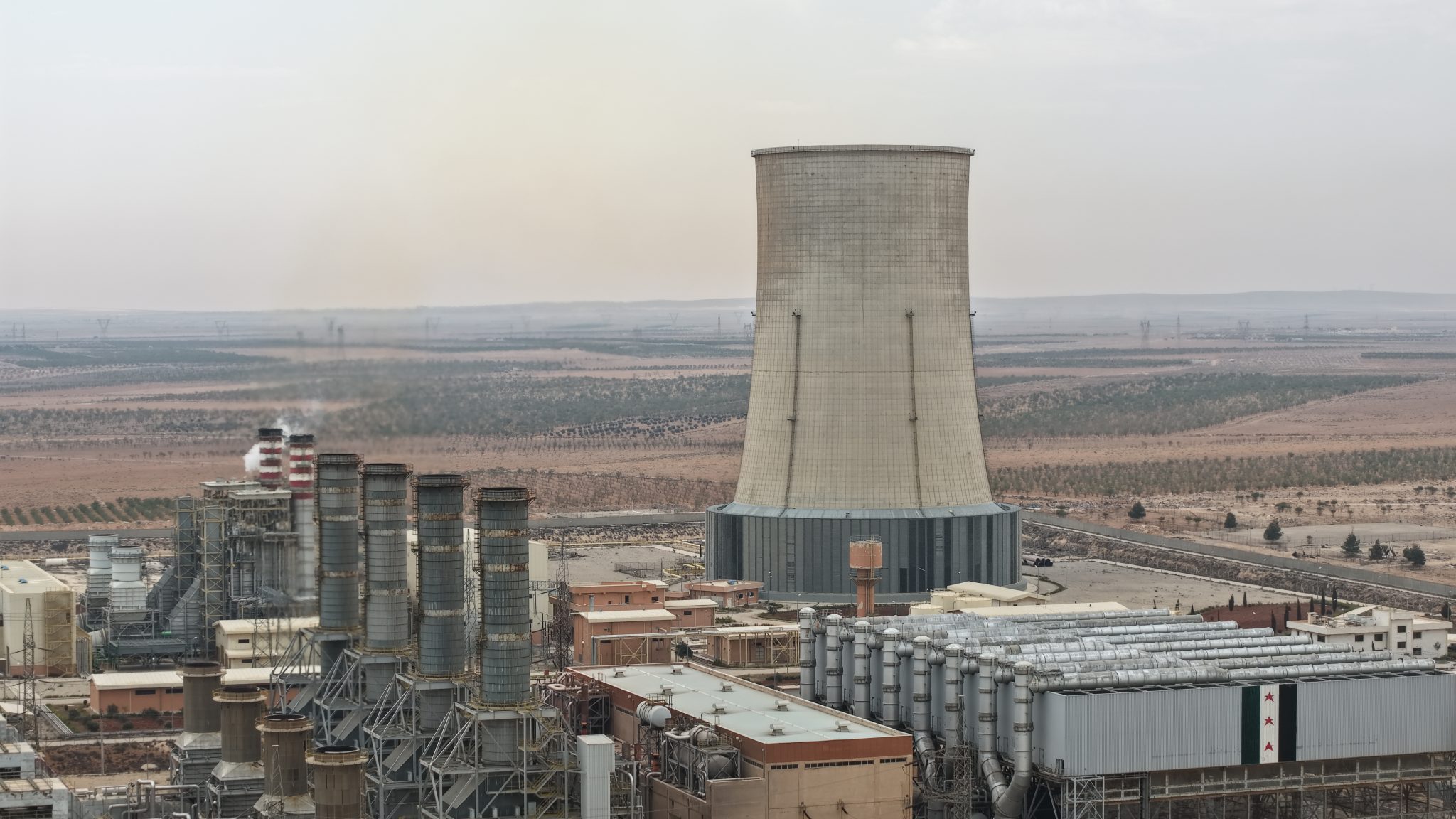
Azerbaijan is using reconstruction and gas deals in Syria to expand its influence and position itself as a potential mediator among regional rivals.
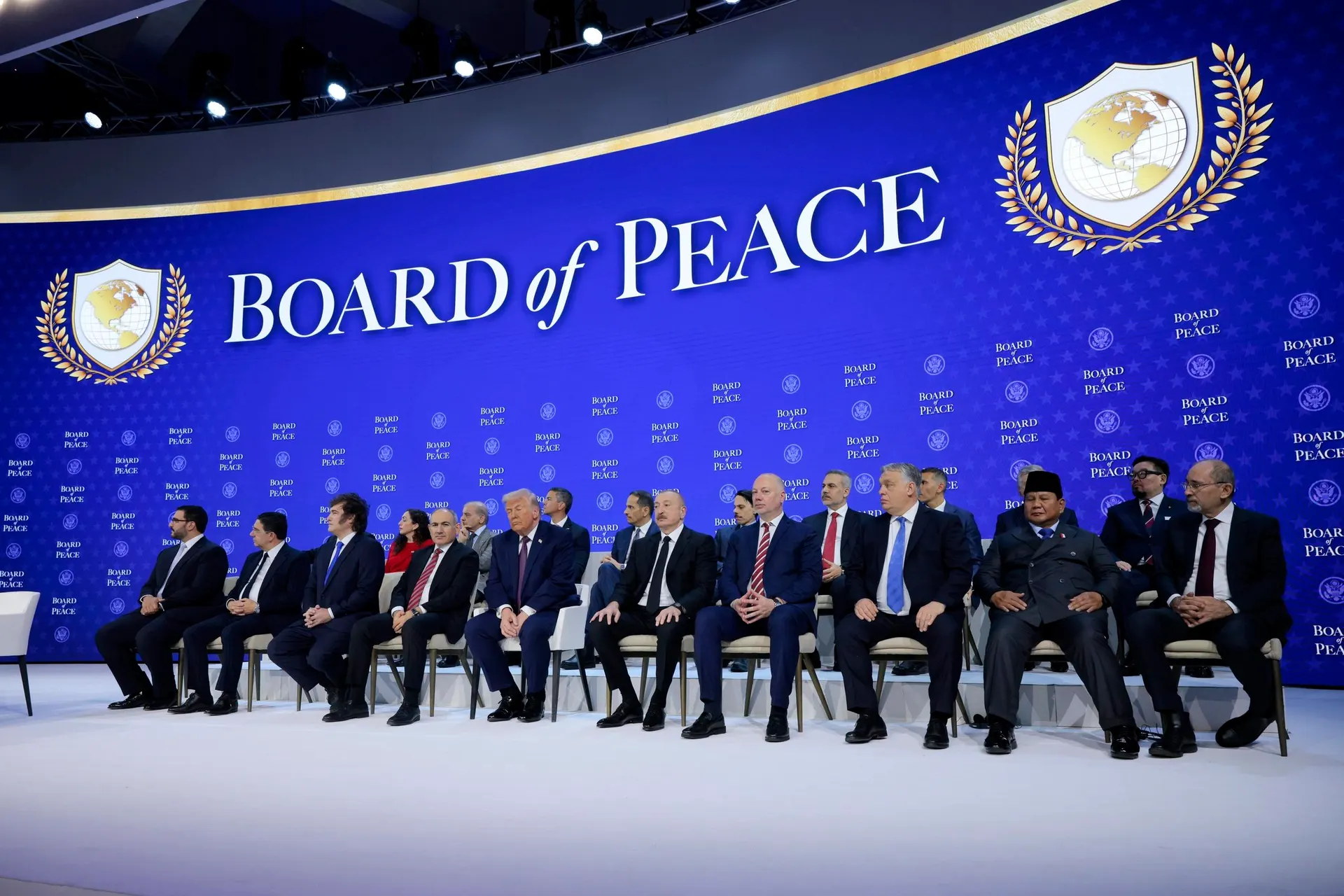
Energy interconnectivity is increasingly shaping geopolitical landscapes in ways that conventional diplomacy often cannot. Nowhere is this more evident than in the evolving relationships among the middle powers of Eurasia.
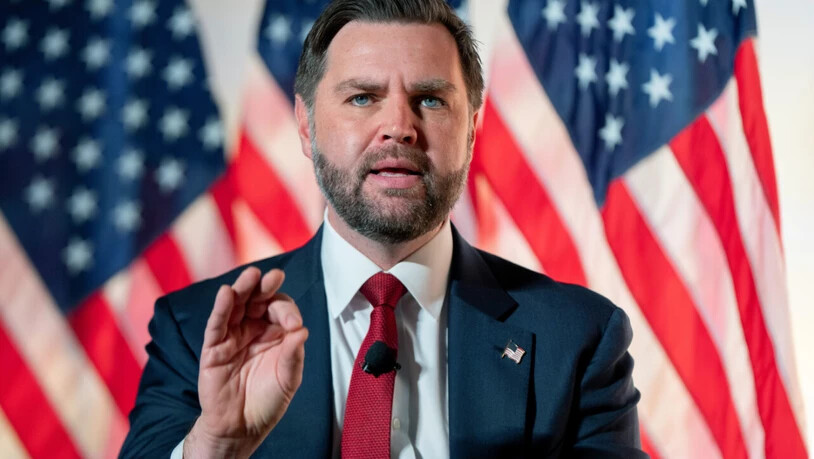
Perhaps the most widely discussed event in the region and beyond today is the upcoming visit of U.S. Vice President J.D. Vance to Yerevan and Baku.
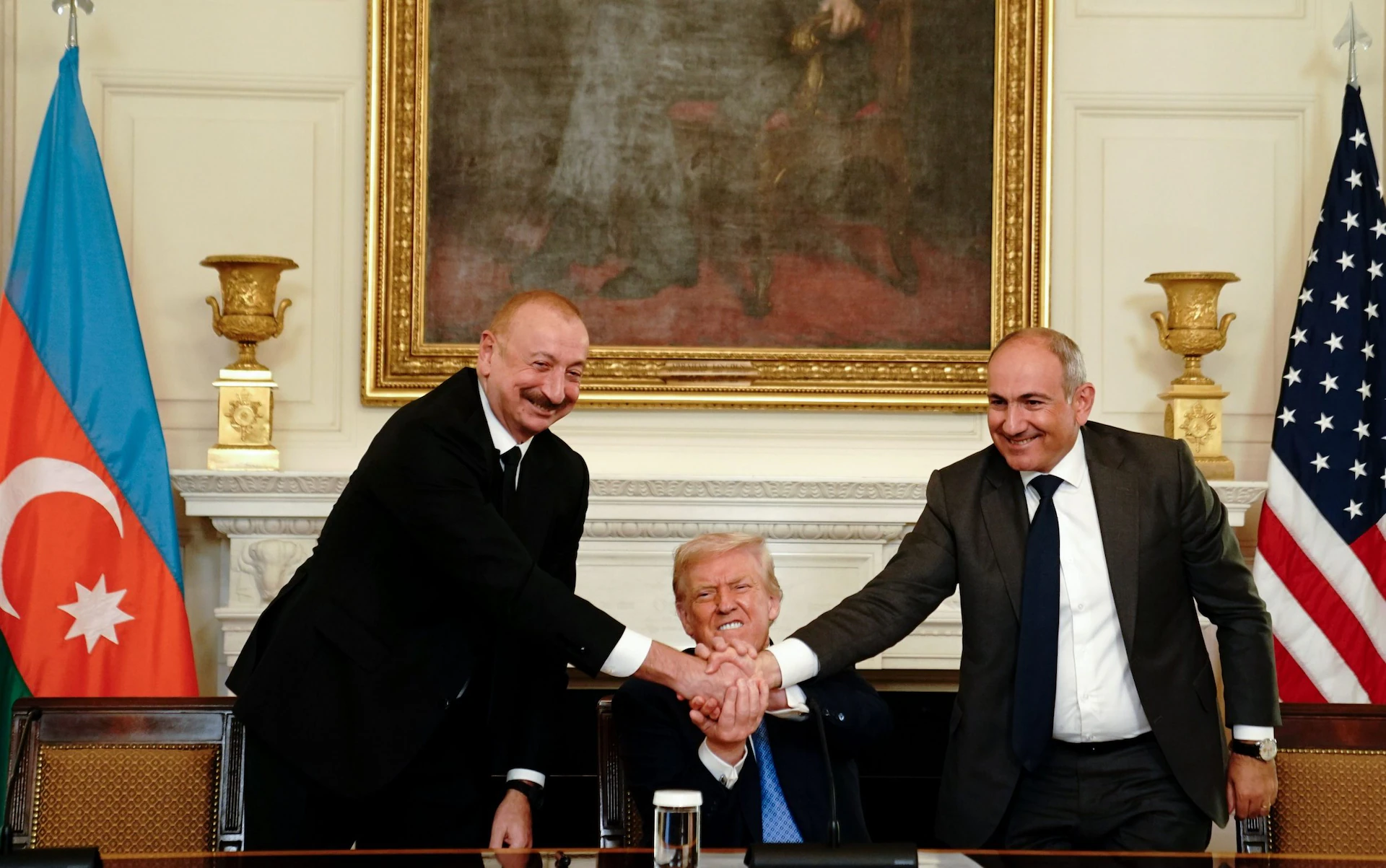
The United States’ decision to broker a transit corridor between Armenia and Azerbaijan may appear, at first glance, as a narrow regional intervention. In fact, it offers a revealing window into the logic that came to define Trump-era diplomacy.
The Trump administration has made no secret of the fact that it sees stability and security in the Western Hemisphere as a priority. This emphasis has been outlined in multiple strategic documents, including the most recent National Security Strategy.
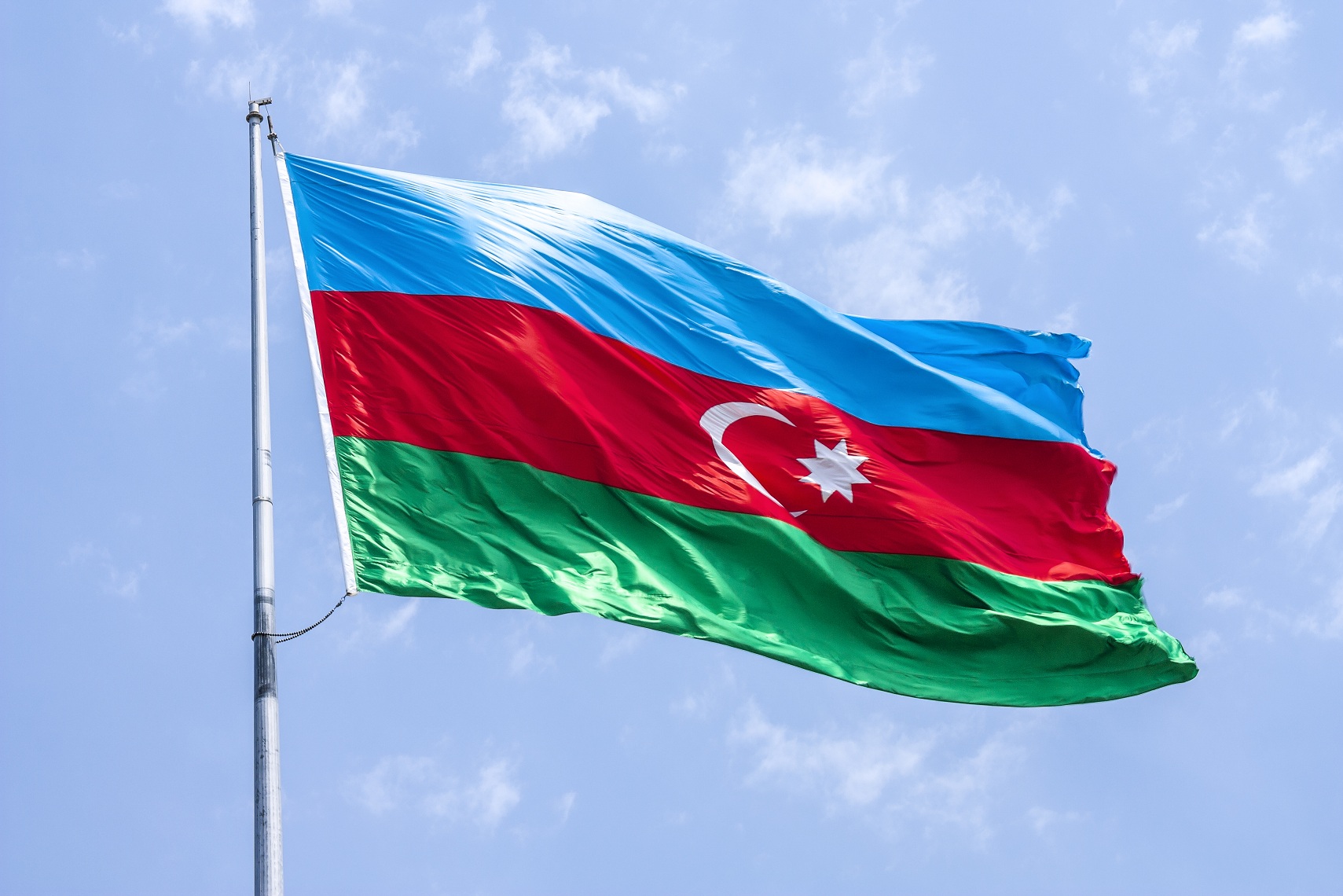
By restoring its territorial integrity and bringing alleged war criminals before the courts, Azerbaijan has pursued a rare post-conflict path that links sovereignty with legal accountability.
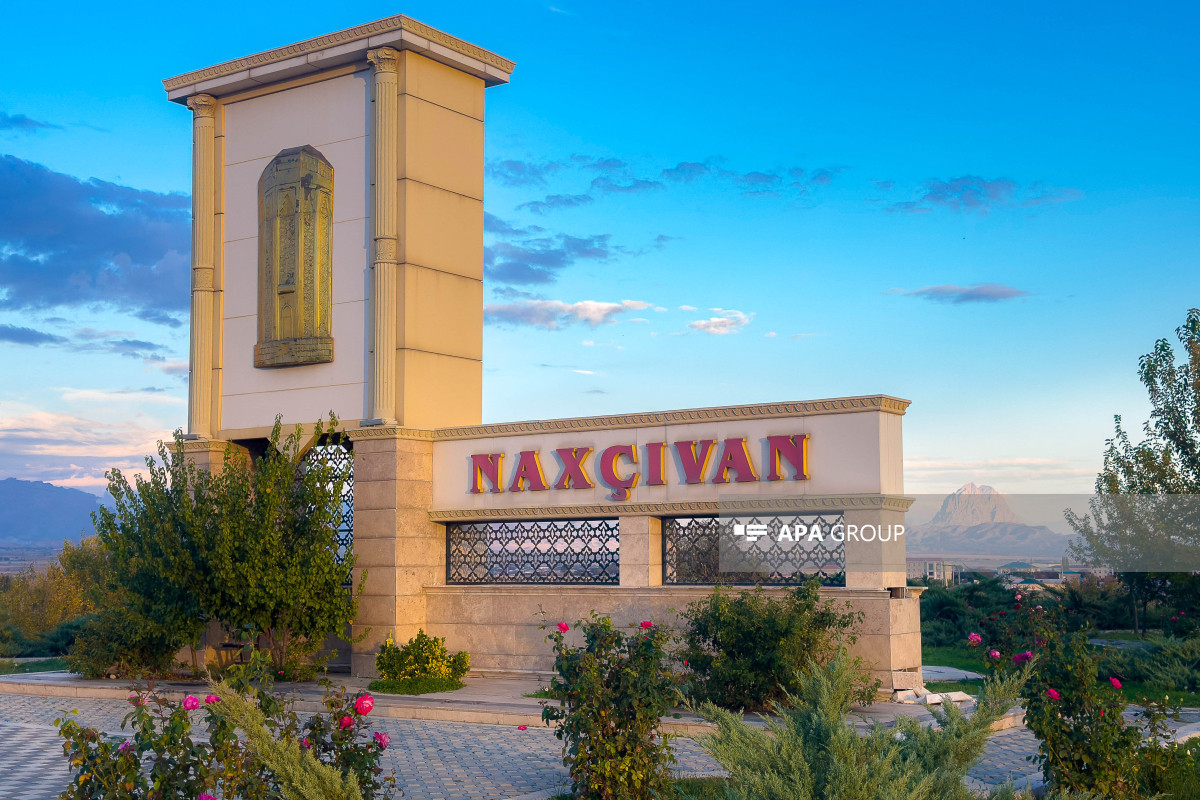
Azerbaijan’s Nakhchivan Autonomous Republic is—with Baku’s approval—moving to drop references in its constitution to the 1921 Moscow and Kars treaties, which made Moscow and Ankara guarantors of the non-contiguous Azerbaijani territory.