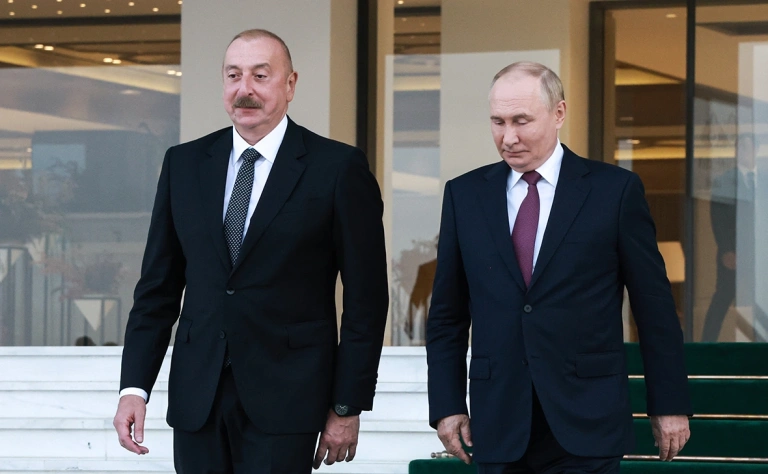
Tensions between Azerbaijan and Russia persist, and this despite the tacit rapprochement that materialized as a result of the meeting between the presidents of the two countries in October in Dushanbe, Tajikistan.

Tensions between Azerbaijan and Russia persist, and this despite the tacit rapprochement that materialized as a result of the meeting between the presidents of the two countries in October in Dushanbe, Tajikistan.
There is a harsh phrase in the theatrical world: the most pitiful sight is that of aging actors who have already left the stage. They still consider themselves leading stars, yet in reality they are capable only of creating a crowd in the theater foyer.
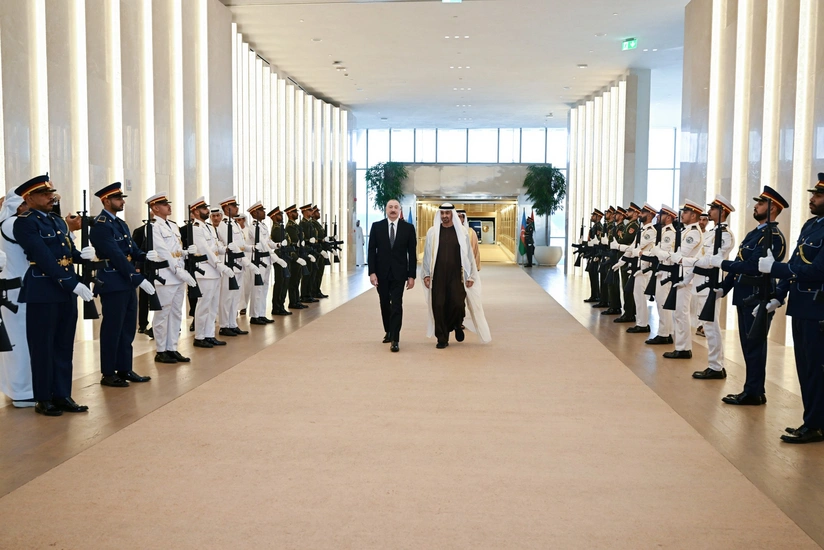
Among the recent developments, the visit of Azerbaijani President Ilham Aliyev to the United Arab Emirates stands out as particularly significant. Although formally designated as a working visit, in substance it went far beyond a routine protocol event and was rich in political, economic, and military-strategic meaning.
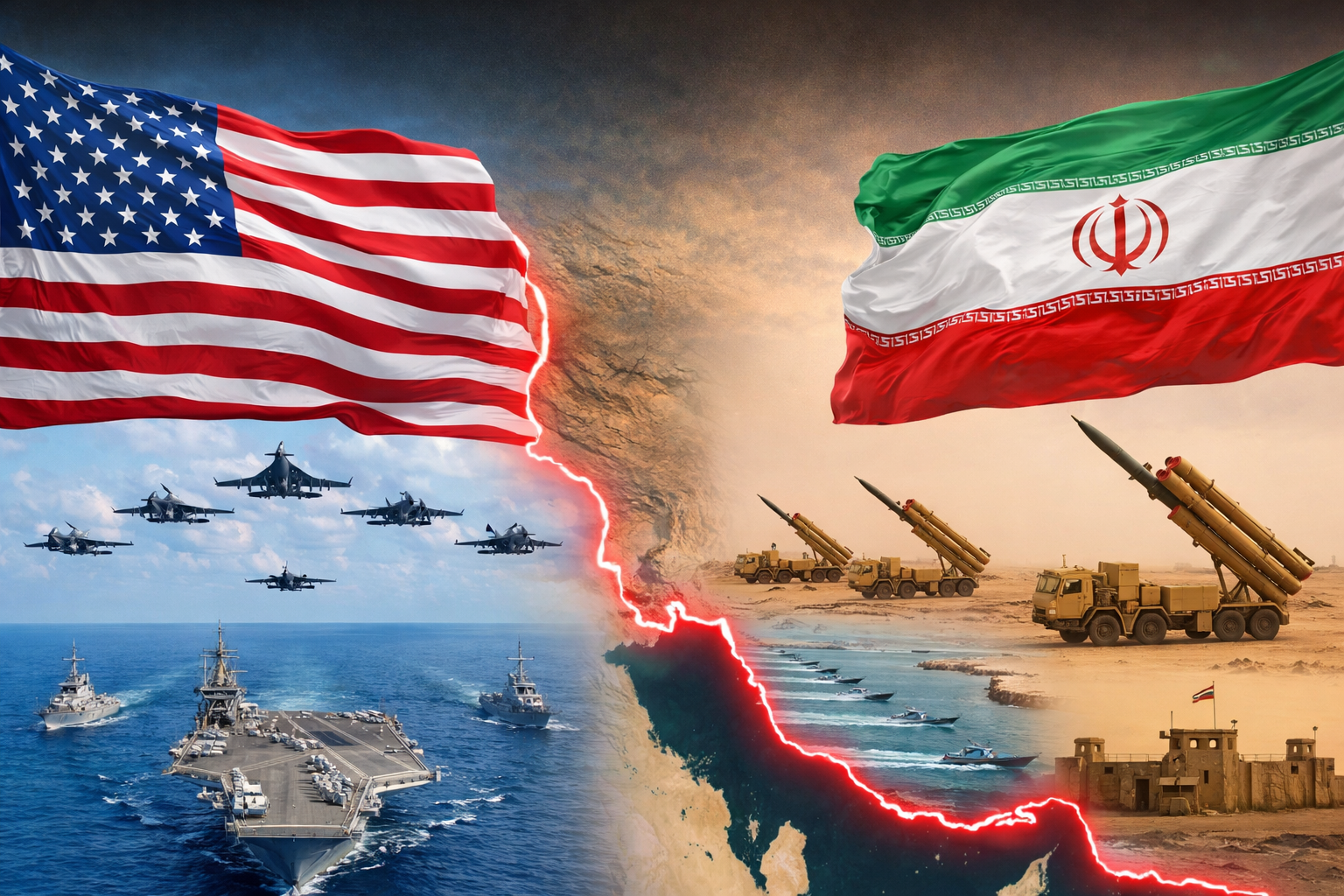
Against the backdrop of rising tensions around Iran, undesirable scenarios that could materialize in the event of a large-scale war initiated by the United States are being discussed with increasing frequency.
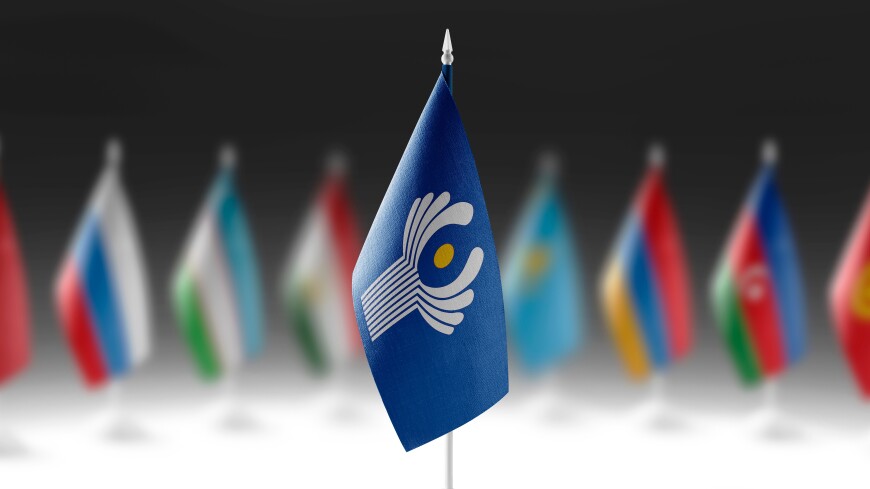
Even historians today struggle to pinpoint who first injected the punchy phrase “If they’re afraid, it means they respect you” into the Russian political lexicon. Yet Moscow has built—and continues to build—its influence across the post-Soviet space almost exclusively on fear.
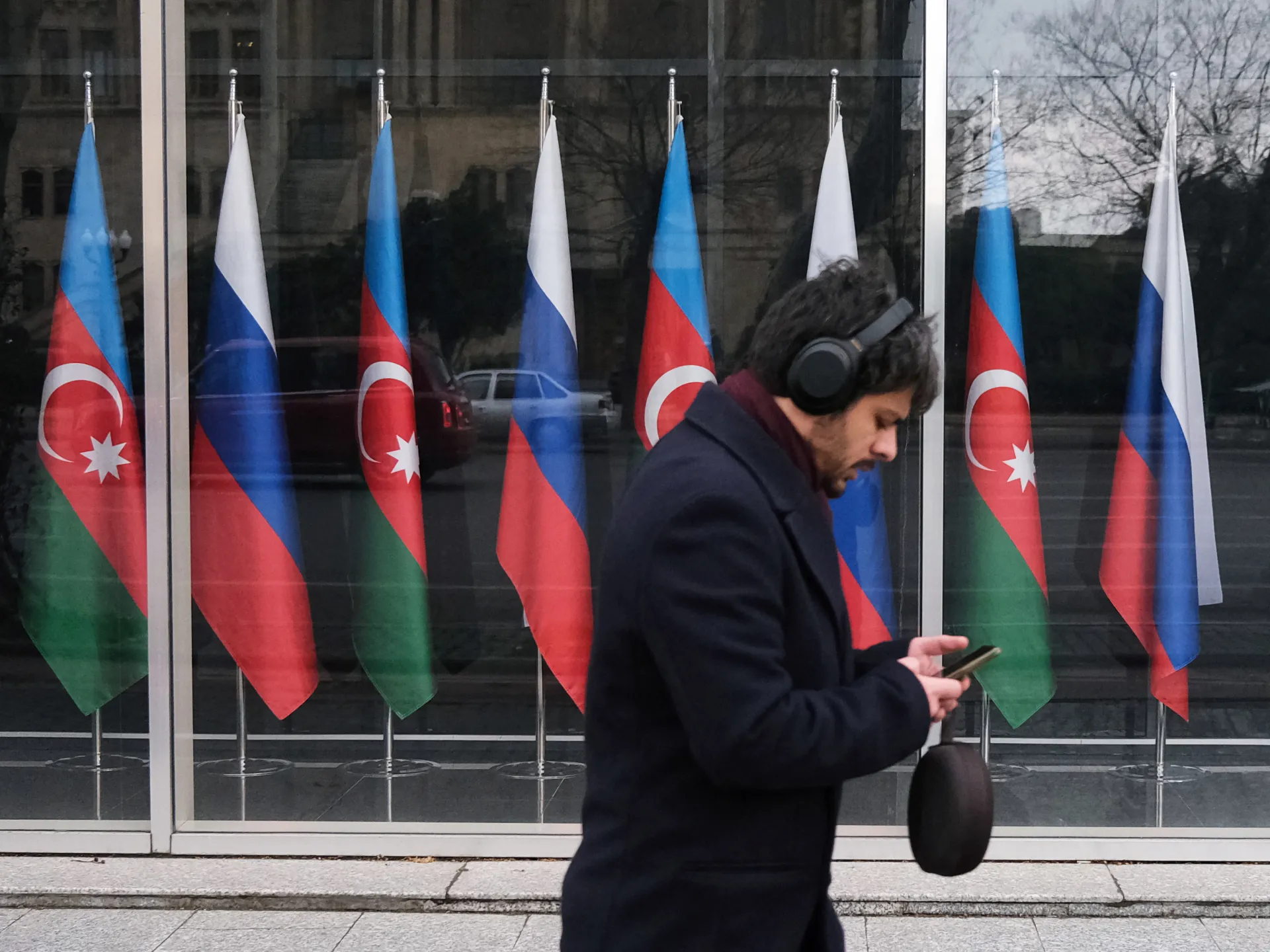
A confidential analytical report has leaked into the public domain, outlining Moscow’s intention to build systematic efforts to construct social and political groups loyal to the Kremlin among the Russian-speaking populations of Azerbaijan, Armenia, and Georgia.
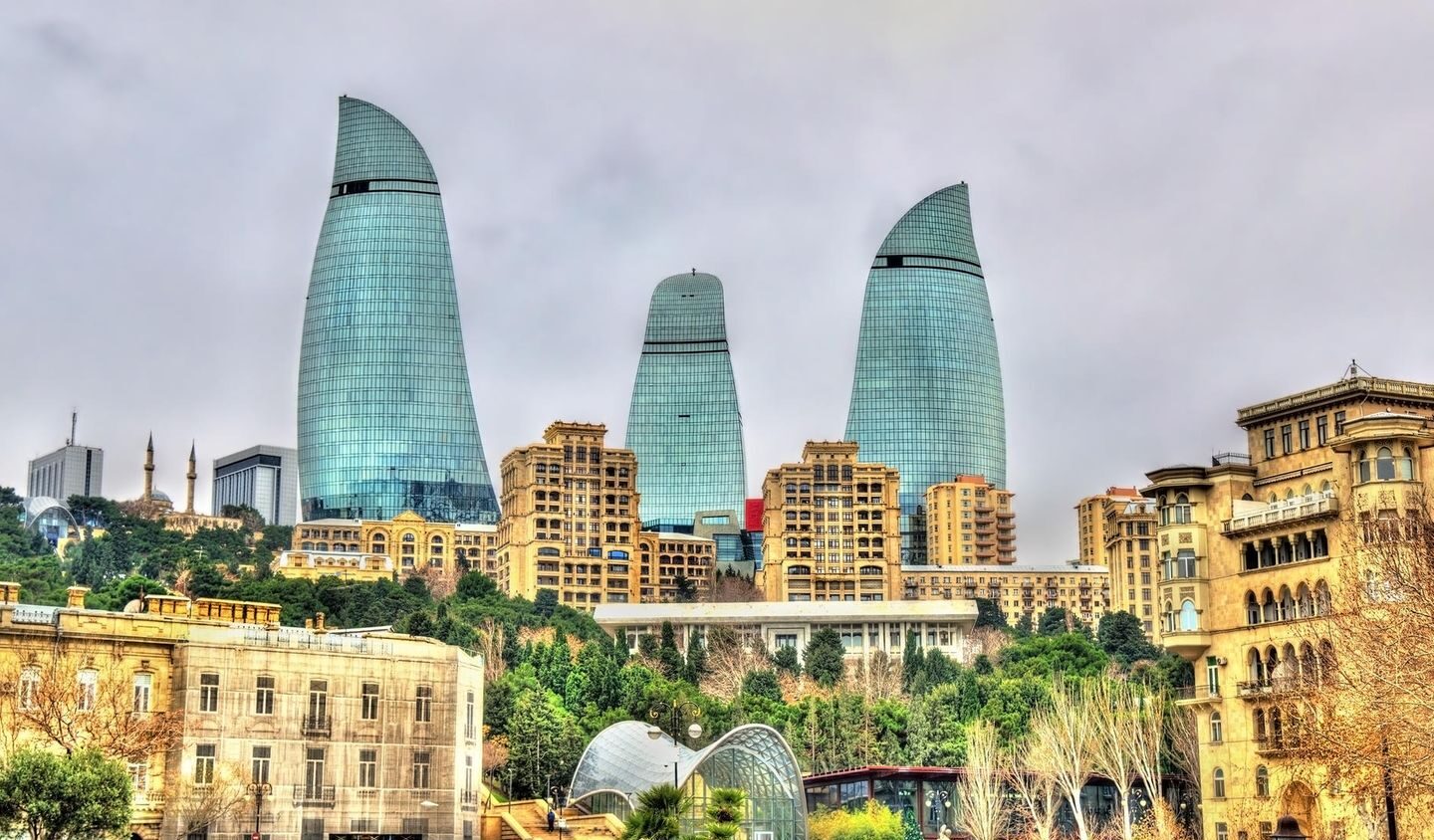
In the shifting landscape of the South Caucasus, one development is as profound as it is underrated: Azerbaijan’s emergence from three decades of conflict with Armenia not merely as a victor, but as a strategic partner looking west.
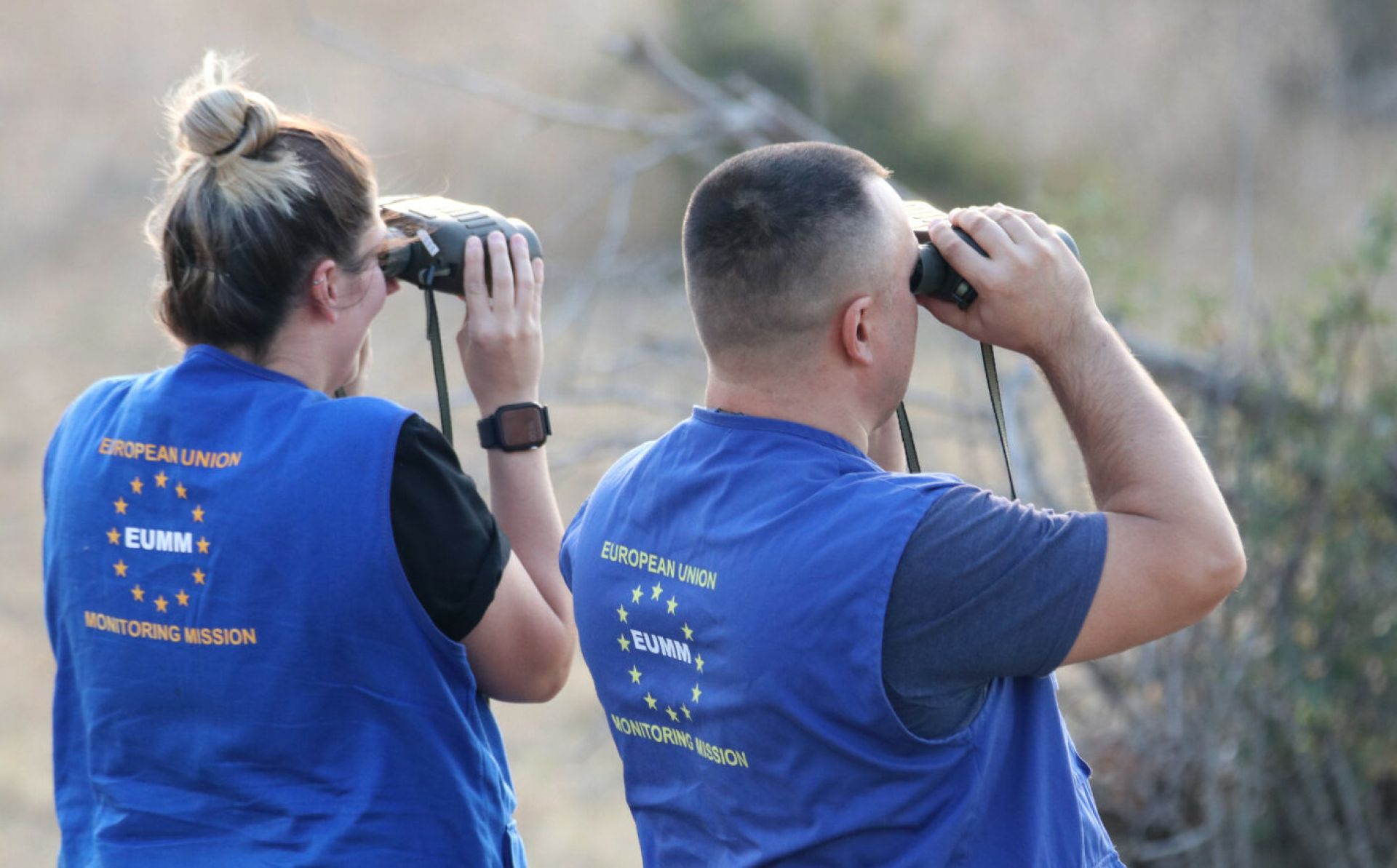
Armenia’s Foreign Minister Ararat Mirzoyan, while in Strasbourg, stated that certain functions of border management could be transferred to the European Union Mission in Armenia (EUMA). “We also understand that time has passed, and now we do have peace.
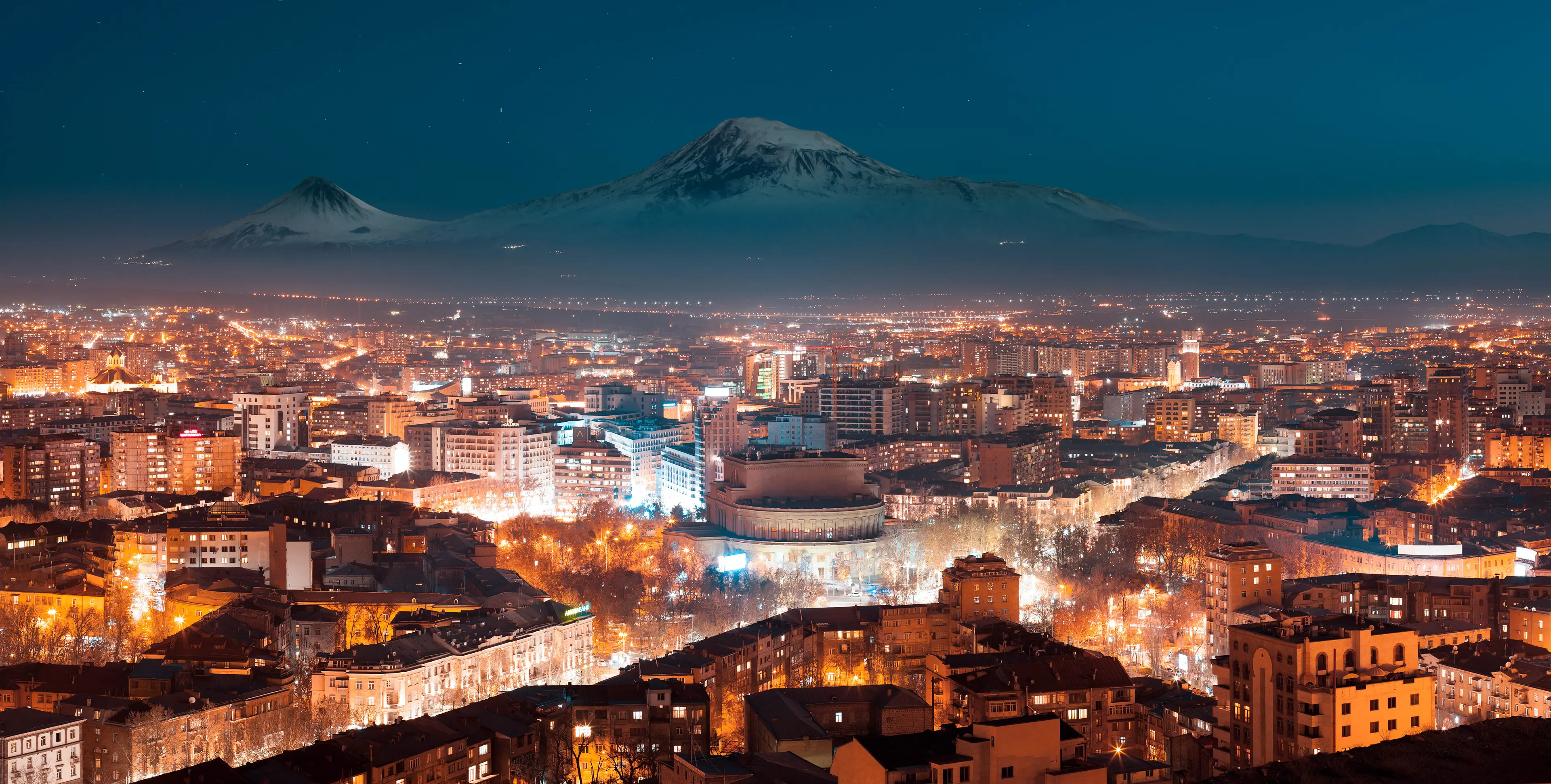
The prospect of integrating the energy systems of Azerbaijan and Armenia has triggered a stormy — even hysterical — reaction in Yerevan.
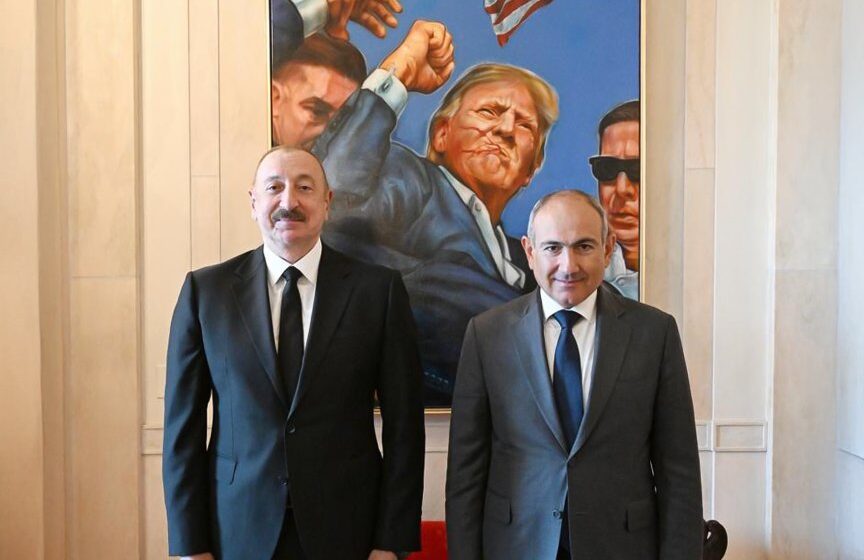
For decades, Armenia’s energy system evolved under conditions of strong structural dependence on Russia.
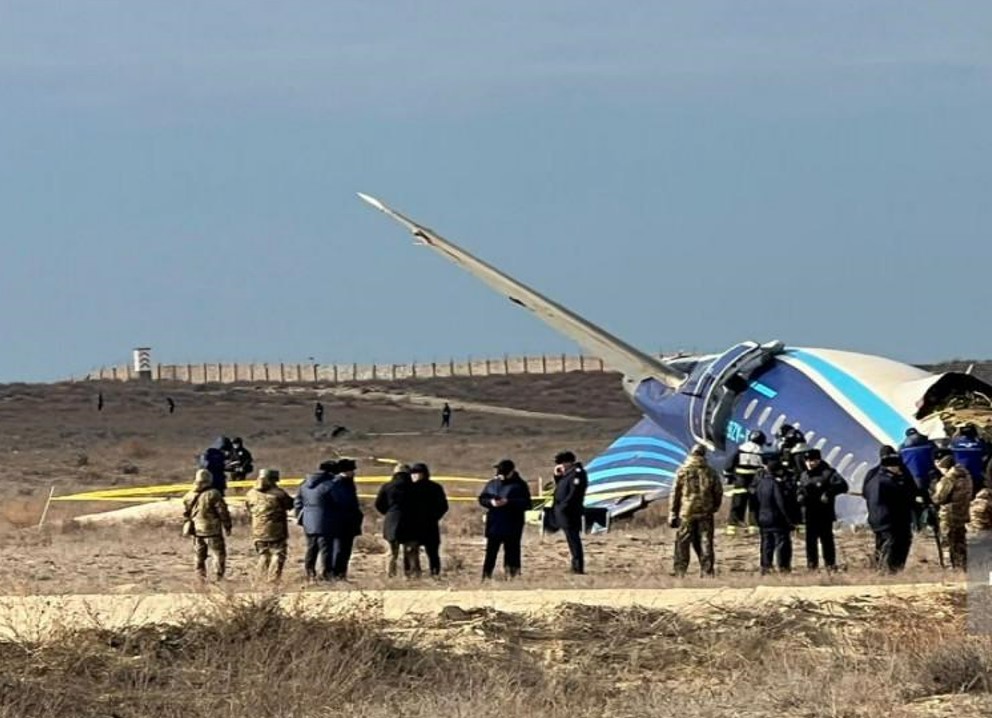
In Astana, another statement has been made regarding the investigation into the crash of an AZAL flight that was shot down by Russian air defense near the city of Grozny.

The Davos forum marked a new stage in relations between Azerbaijan and the United States. President of Azerbaijan Ilham Aliyev took part in the ceremonial signing of the Charter of the “Peace Council,” established on the initiative of U.S. President Donald Trump.
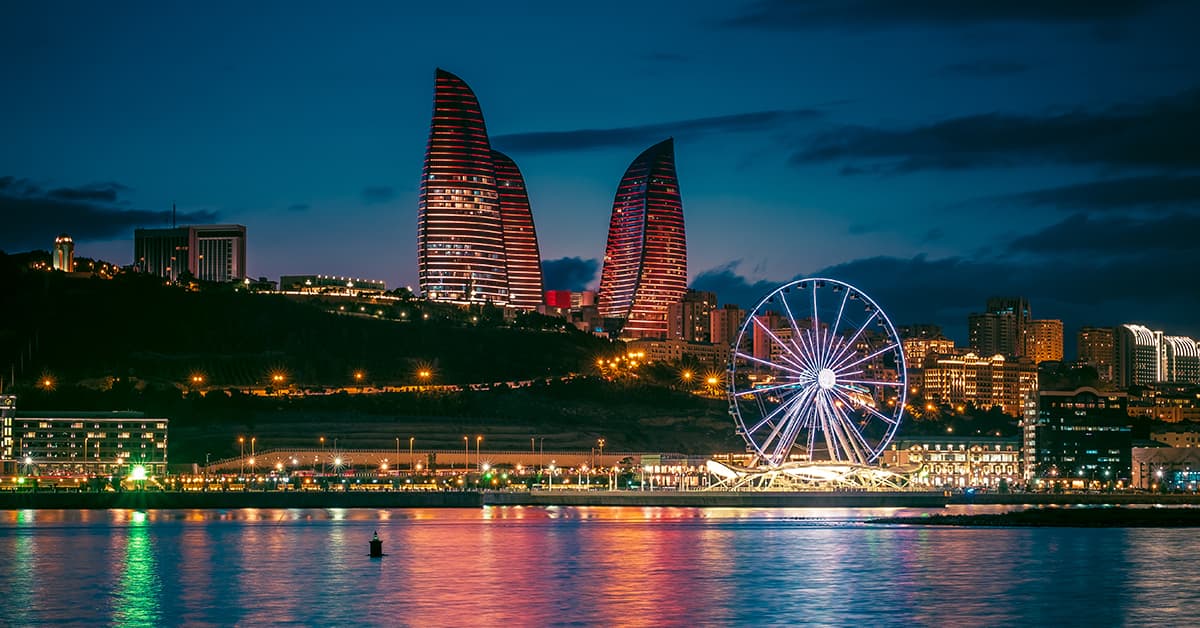
The key reason for the “negative reflection” in dynamics lies on the surface — a decline in oil production. Despite consistent statements about economic diversification, dependence on the hydrocarbon sector remains system-forming.
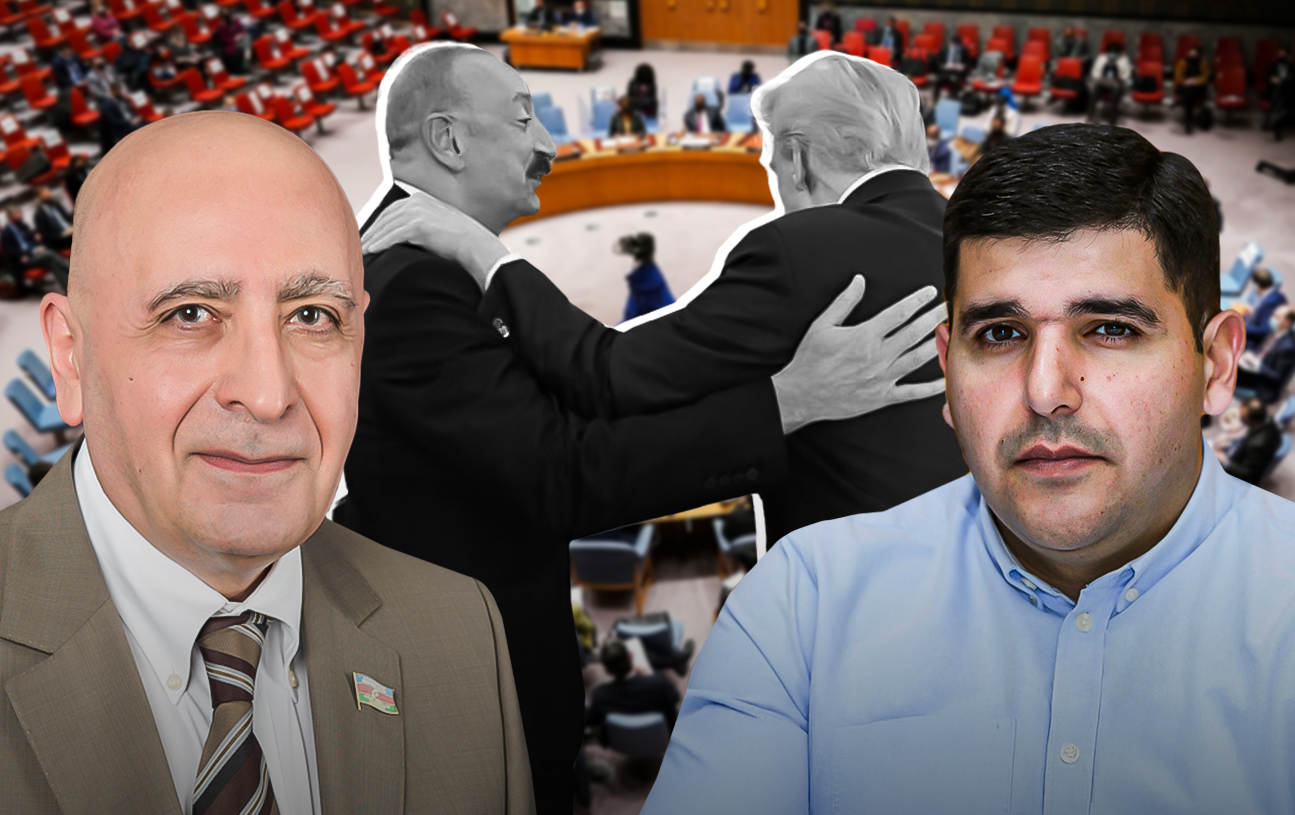
The invitation for Azerbaijan to join the Peace Council as a founding state has become a sign of shifting power dynamics in international diplomacy surrounding security initiatives and conflict resolution.
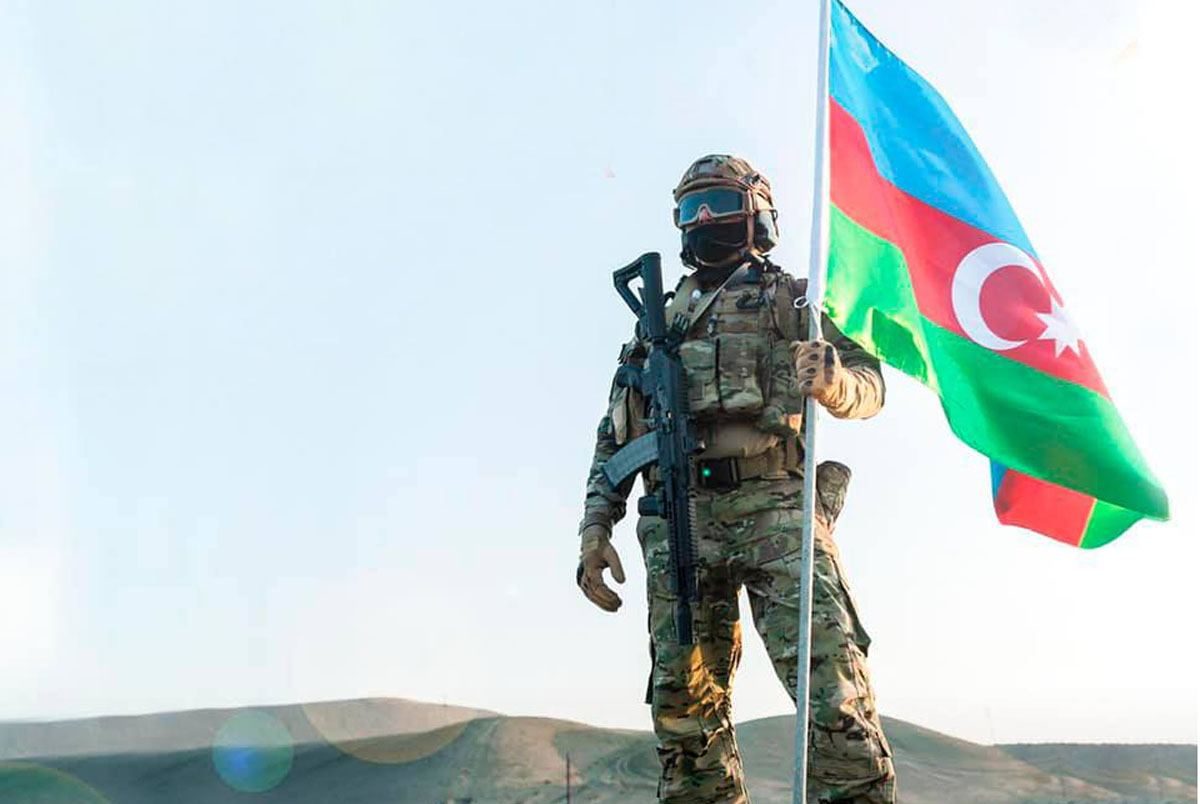
The geography of the South Caucasus is such that the potential for conflict is assessed as very high. Our region is a frontier—no matter how you look at it.
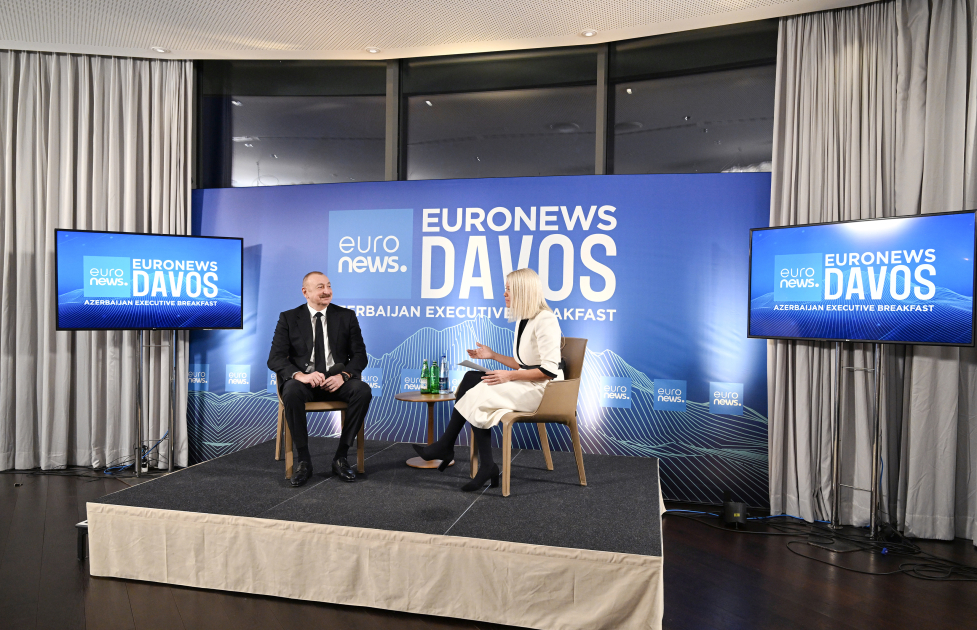
The international community is watching developments in Azerbaijan with keen interest, analysing nearly every detail in relation to the country and President Ilham Aliyev’s foreign policy.
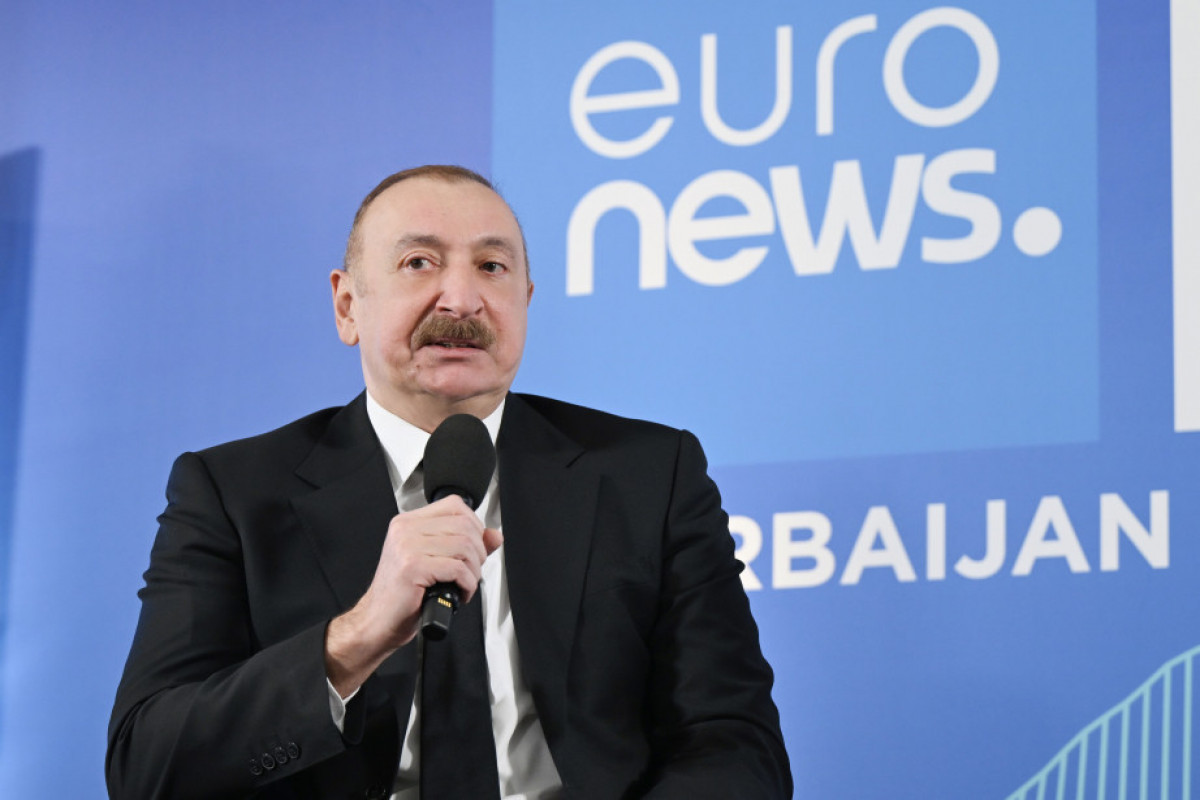
Along the way, the country faced unprecedented pressure from forces seeking to stir revanchist sentiments in Armenia and provoke new tensions in the South Caucasus—challenges that required the leadership of a determined and politically strong figure. President Ilham Aliyev rose to this task with remarkable skill.
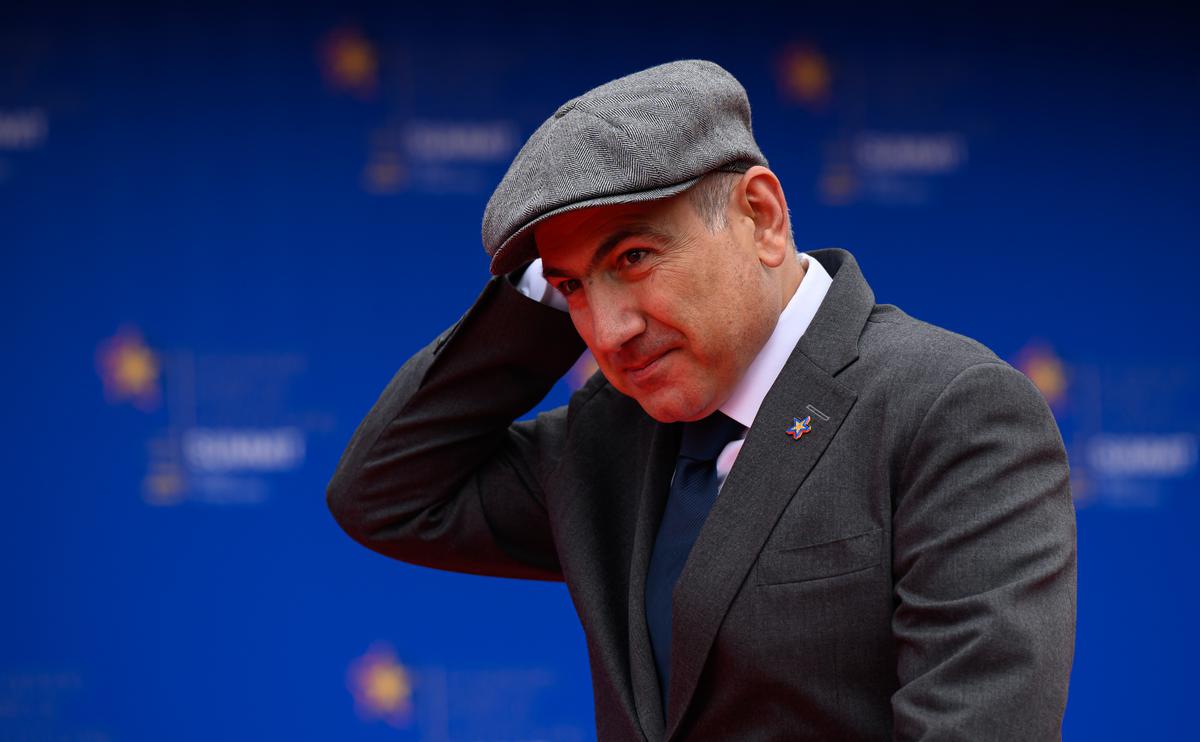
Russia has reacted with noticeable irritation to Armenian Prime Minister Nikol Pashinyan’s public call to restore the Ijevan–Gazakh and Gyumri–Kars railway lines.
Before the Victory in the Patriotic War, Azerbaijan’s primary objective was the restoration of state sovereignty and territorial integrity.
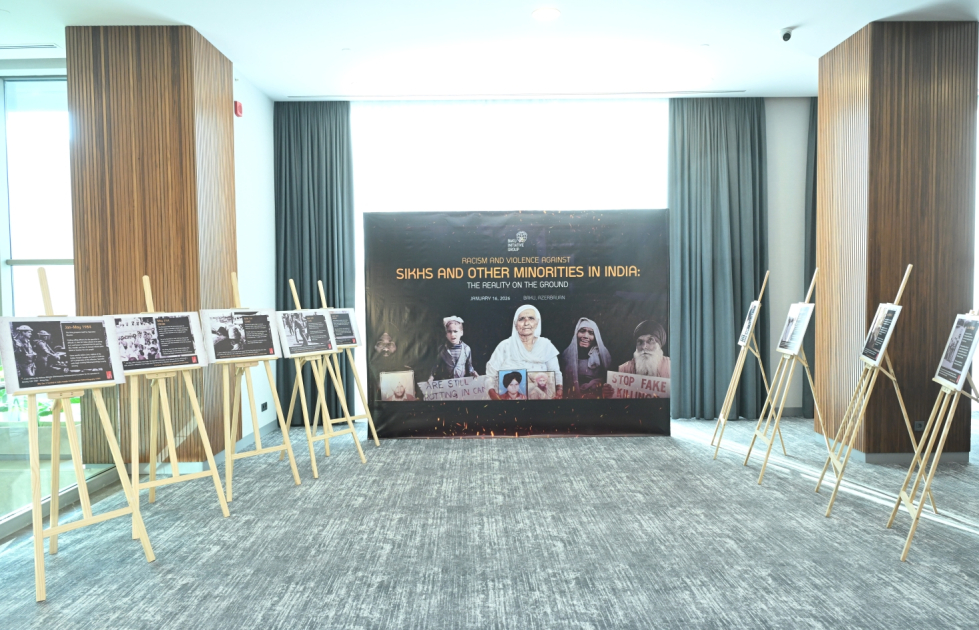
On January 16, under the auspices of the Baku Initiative Group, Azerbaijan will host the country’s first international conference dedicated to the repressive policies of the Indian government against ethnic minorities.
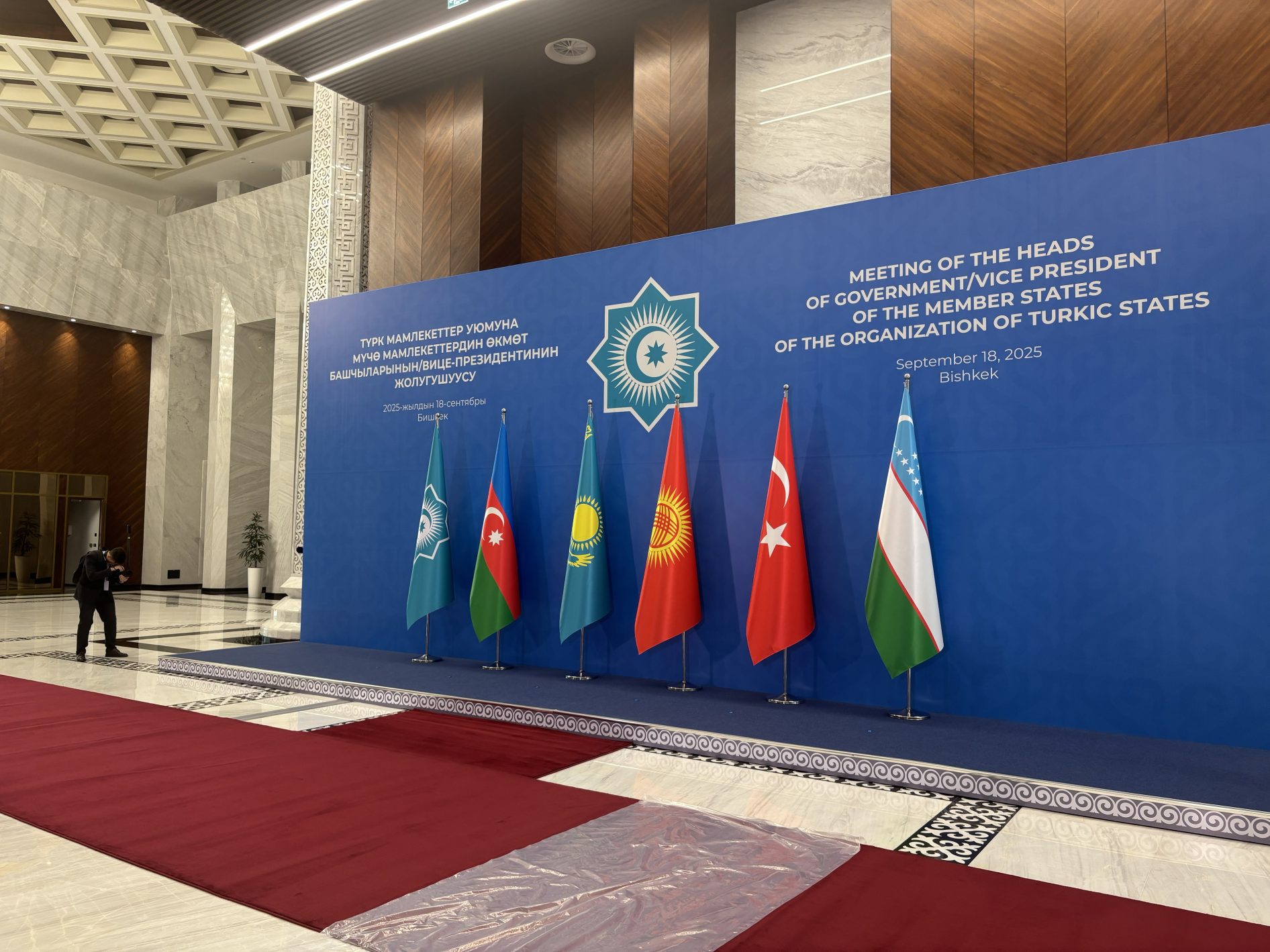
The Organization of Turkic States is quickly becoming a crucial mode of engagement in the Central Asian region.
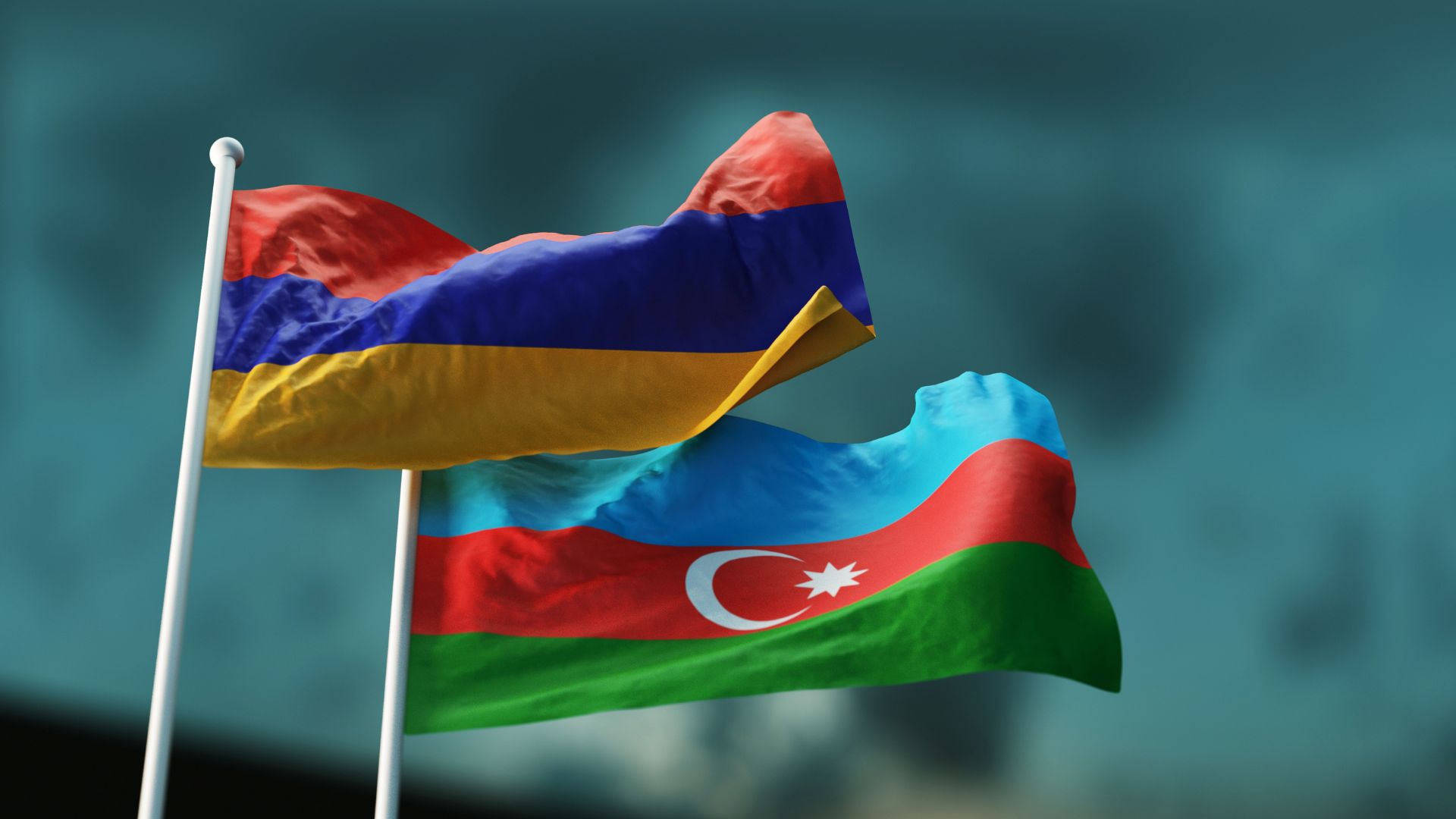
In late December 2025, Armenia’s Central Election Commission pointed to June 7, 2026, as the likely date for parliamentary elections, implicitly tightening the timetable for any referendum linked to the Armenia–Azerbaijan peace agreement.
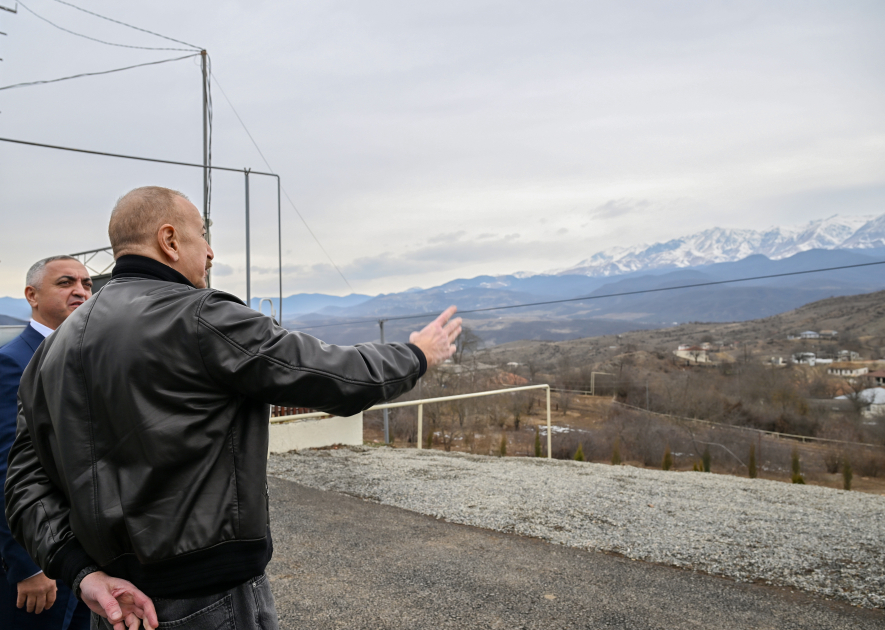
President Ilham Aliyev yesterday paid a working visit to the Tartar and Aghdara districts — a trip that carries not only symbolic weight, but also systemic political significance in the process of reintegrating the liberated territories.
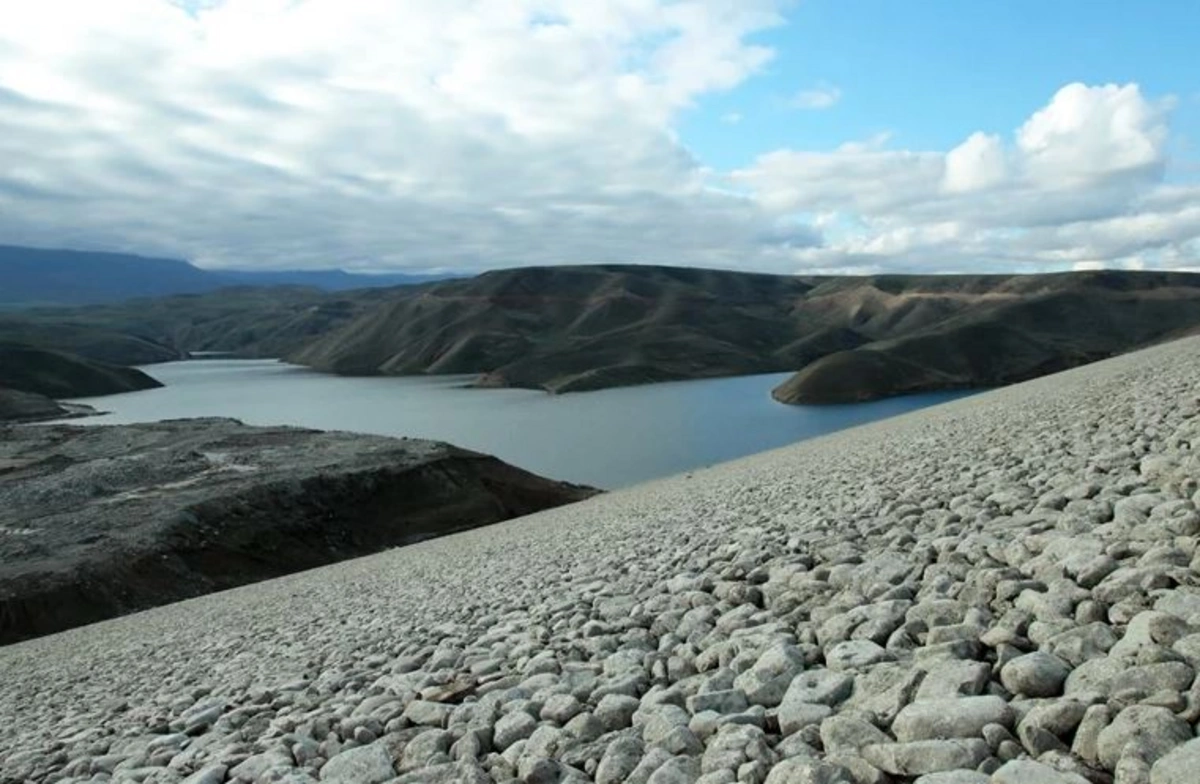
For many decades, the issue of water supply in Baku and on the Absheron Peninsula has remained one of the capital’s most acute social and infrastructure challenges.