The negotiating documents on Karabakh released by the Armenian government have, as expected, drawn the attention of both Azerbaijani experts and the broader public.
Karabakh remains Armenia’s dominant domestic political issue — a fact reaffirmed by the government’s recent publication of long-concealed negotiation documents on the conflict.
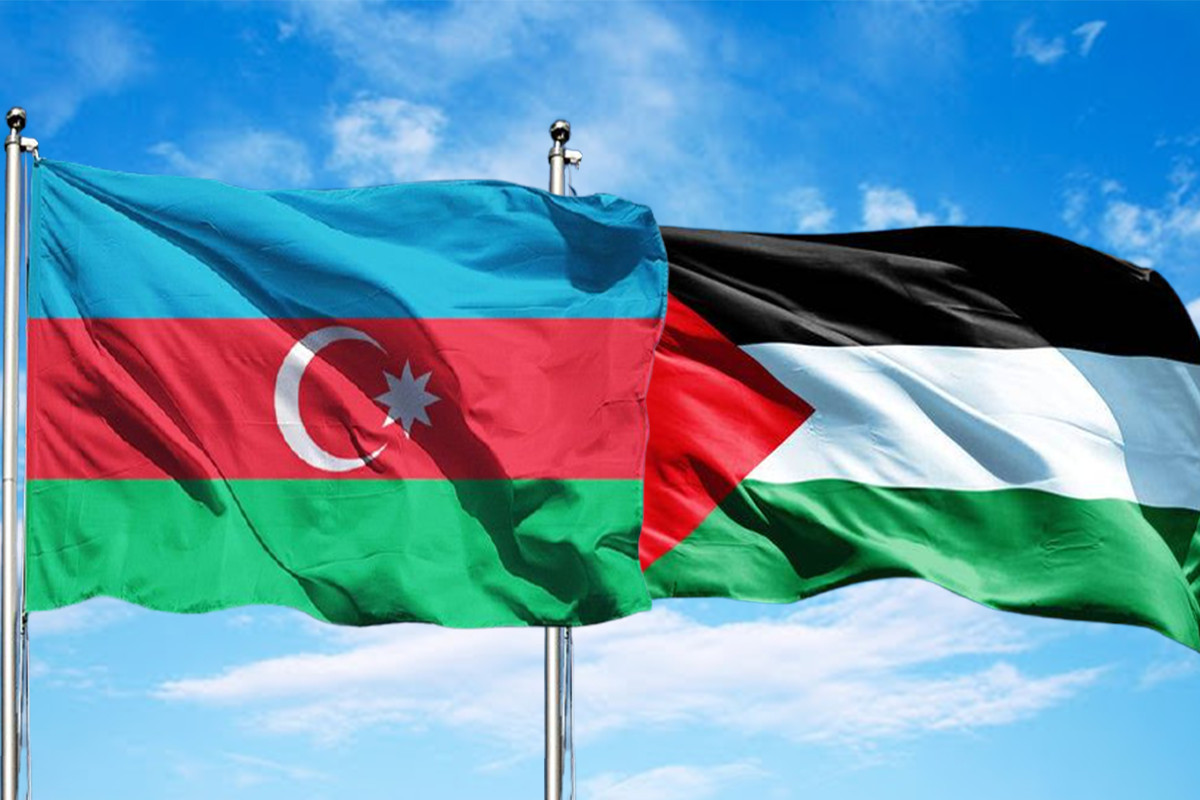
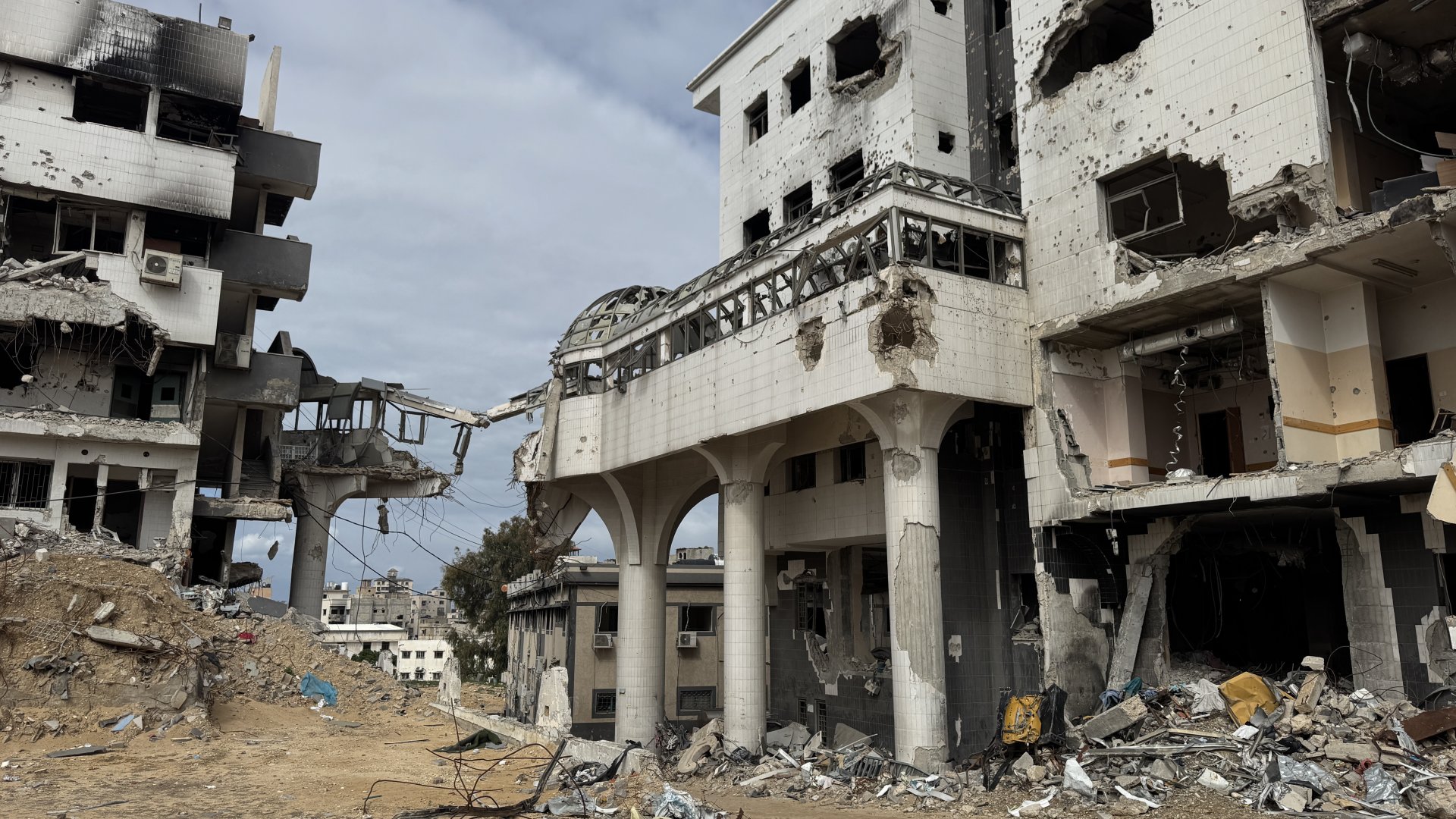
A rather strange appeal was recently published from by former US State Department Josh Paul and the Armenian National Committee of America signed by a long list of Palestinian and other organisations. The appeal did not praise peace coming to the Middle East, which has seen eight decades of conflict, but rather aggressively attacked Azerbaijan as unfit to be part of the planned 20,000-strong International Stabilization Force (ISF).
In recent months, debate within the European Union has intensified over a potential EU role in implementing the TRIPP project—the so-called “Trump Route,” which forms part of the Zangezur Corridor and fits into a broader system of transregional connectivity.
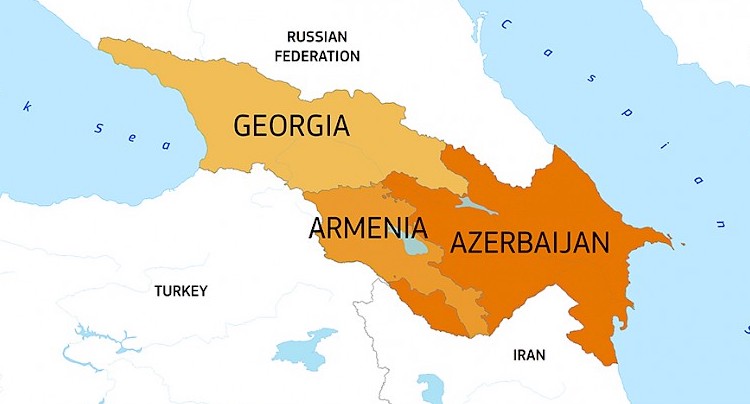
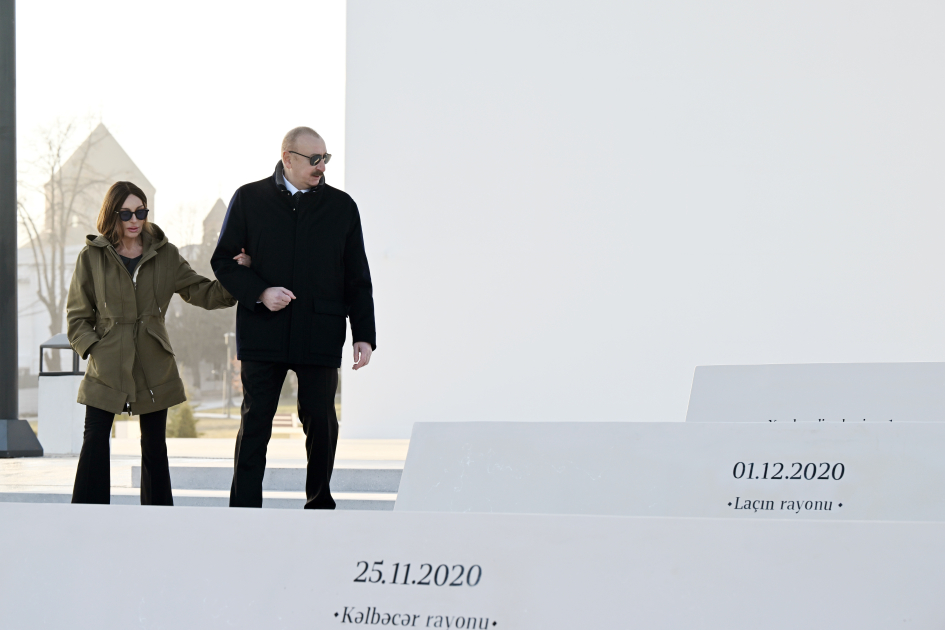
Five years ago, around these very days, a remarkable event took place. On December 1, 2020, the withdrawal of Armenian occupation forces from Azerbaijani territory was completed on the basis of the Trilateral Statement signed in the night of November 10 that same year.
The peace process between Azerbaijan and Armenia is unfolding steadily, systematically, and consistently — and most importantly, almost entirely without outside mediation.
Among recent developments, one important event went largely unnoticed by the media: the fourth meeting of the Azerbaijan–Israel Joint Intergovernmental Commission on Economic Cooperation.
The situation surrounding the American peace plan for Ukraine is becoming increasingly uncertain — and increasingly scandalous. The plan, which originally had 28 points, has already been reduced to 22 and continues to be “refined” during negotiations in Abu Dhabi.
Russia, which only on rare occasions manages to pretend it has tucked away its imperial ego for the sake of some short-term whim, is hardly capable of abandoning its expansionist reflexes. And certain talking heads make sure Russia’s neighbors never forget this defining trait of the Kremlin’s political class.
Despite its strategic location, Iran’s sanctions exposure and regulatory unreliability have made it difficult to insert itself within the region’s burgeoning trade networks.
Turkmenistan, with the fifth-largest natural gas reserves in the world, will be able to expand natural gas shipments to Europe and Türkiye, reducing its reliance on sales to China.
The role of NGOs in shaping the humanitarian dimension of Turkic cooperation is steadily growing.
Baku is one of the first candidates to form a decisive link in this new chain. US interest in the post-Soviet region has increased since Russia's invasion of Ukraine.
For thirty years of occupation, Azerbaijan consistently conveyed its just position to the international community, yet many external actors preferred to ignore Armenia’s violations of international law in the occupied Azerbaijani territories.
The recent Central Asia summits in Tashkent and Washington, DC proved that the United States is now seriously challenging Russia’s and China’s influence in the region.
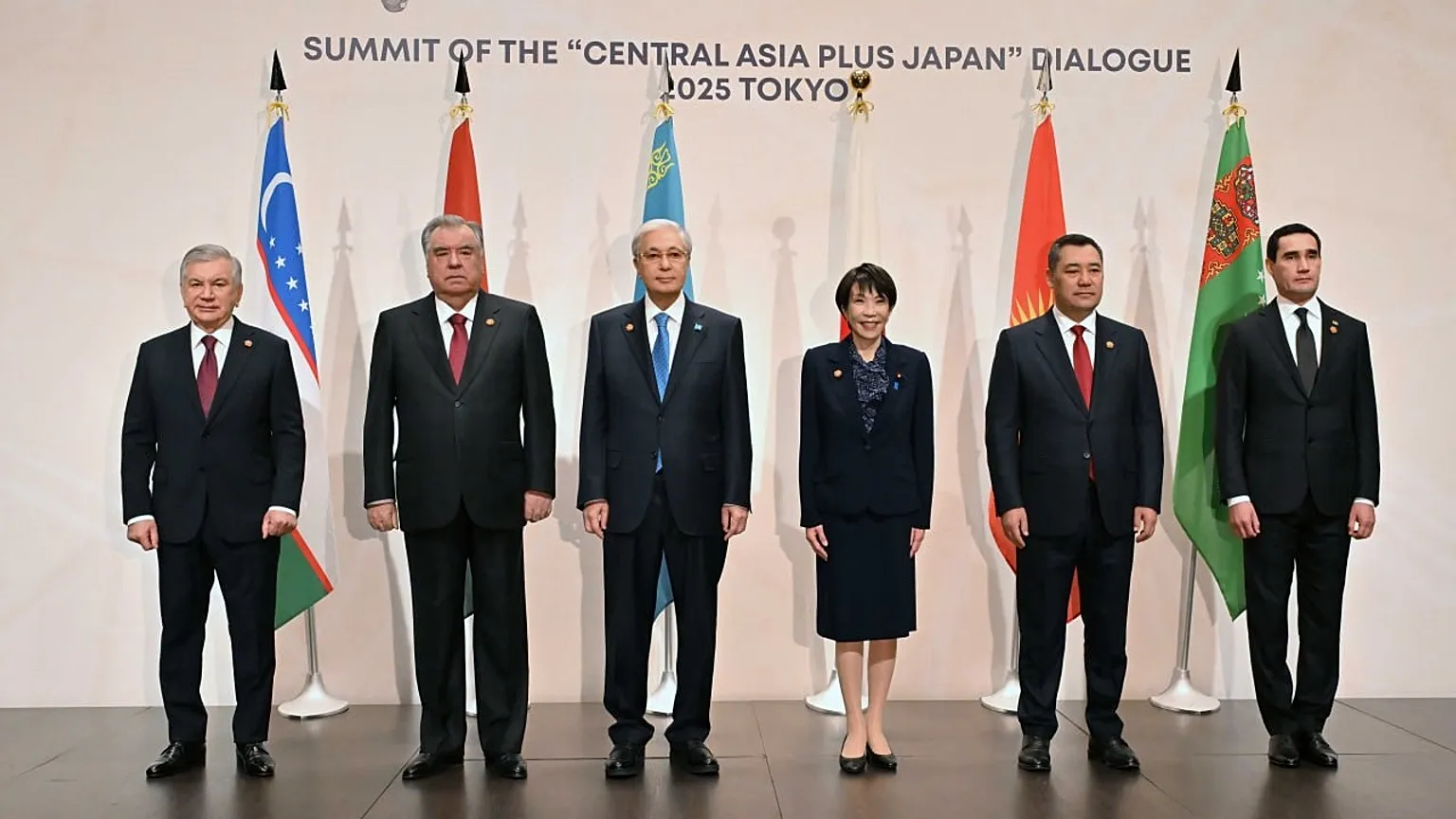
At a meeting in Tashkent, Uzbekistan, last Sunday, the leaders of the five Central Asian states — Kazakhstan, Uzbekistan, Turkmenistan, Kyrgyzstan and Tajikistan — made an important decision that could have geopolitical ramifications for Eurasia.
Azerbaijan, after years of speculation and declarations, has joined the Central Asian bloc. This creates a more practically engaged multilateral actor straddling even more of Russia’s southern border, which can now reach the West via the Caucasus and interdict Russian transit to Iran.
Security is perhaps the defining factor for the effectiveness of both domestic and international strategies of almost all existing states. Given the trends we observe in the world, it is hard to argue with this statement.
Central Asia is emerging as a new hub of diplomacy and regional cooperation with growing global influence.
Discussions around the implementation of the Zangezur Corridor — the route named after U.S. President Trump — generally converge on one point: the participating states, as well as the users of this corridor, will gain significant economic benefits.
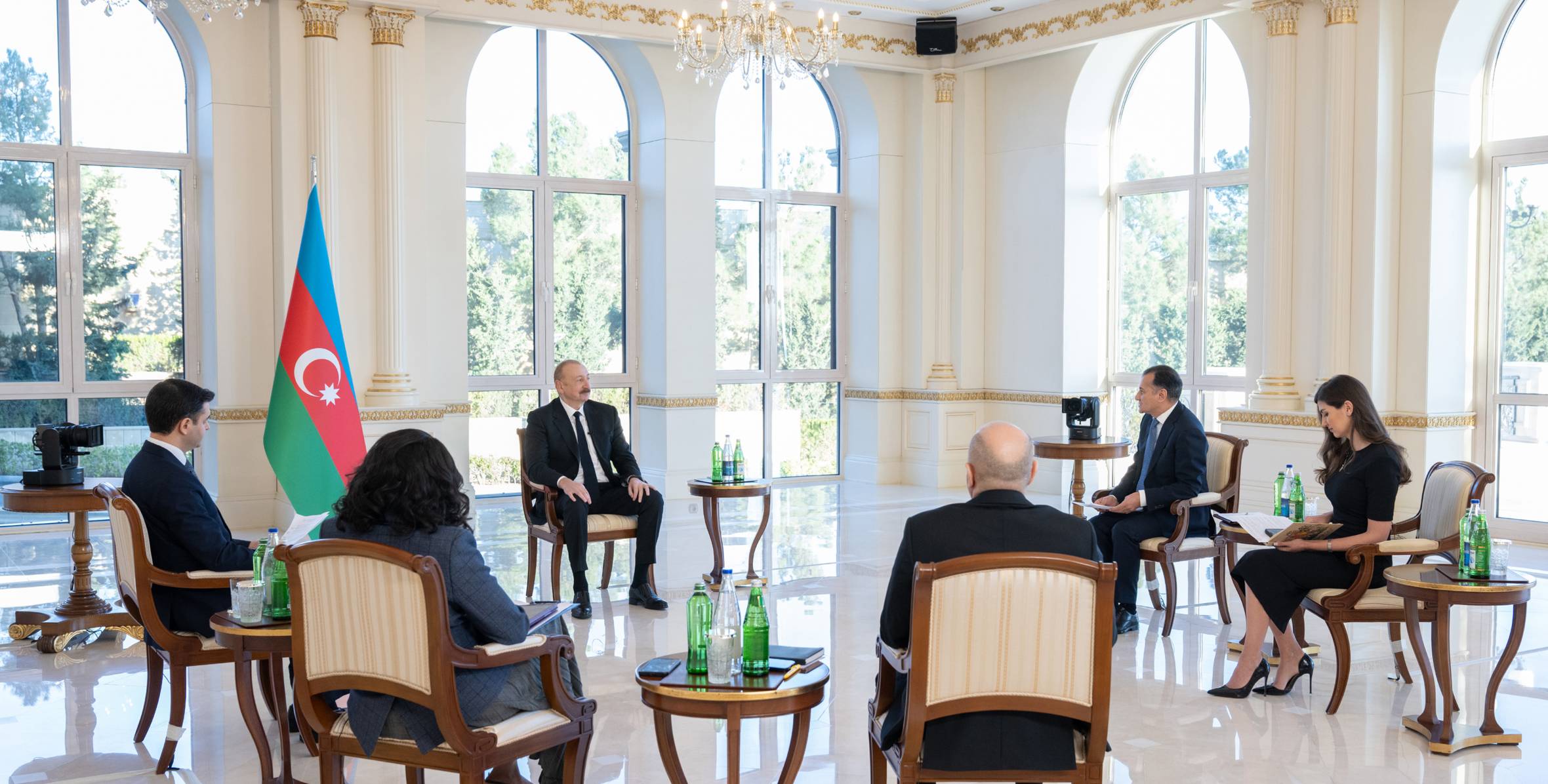
Central Asian leaders met in Tashkent on November 15–16 for the seventh Consultative Meeting of Heads of State. Azerbaijan attended as a guest with full rights, as it had done at the meetings last year and the year before.
Azerbaijan’s President Ilham Aliyev is participating in the forum as a full-fledged member. It is worth recalling that he took part in the C5 format for the first time—in 2023 in Dushanbe and in 2024 in Astana—still as an honorary guest.
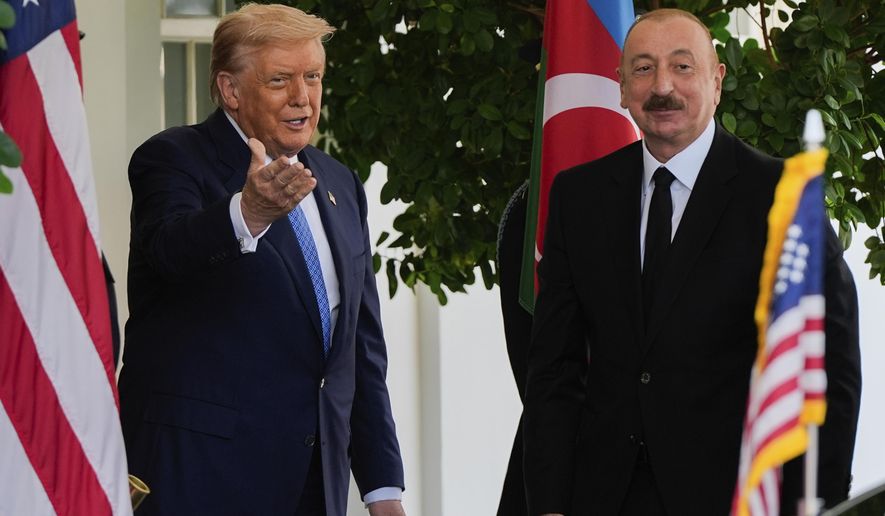
Peace through strength isn’t a slogan. It’s working, and the proof lies in the South Caucasus.
The process of delineating the state border between Azerbaijan and Armenia has again moved into the spotlight.