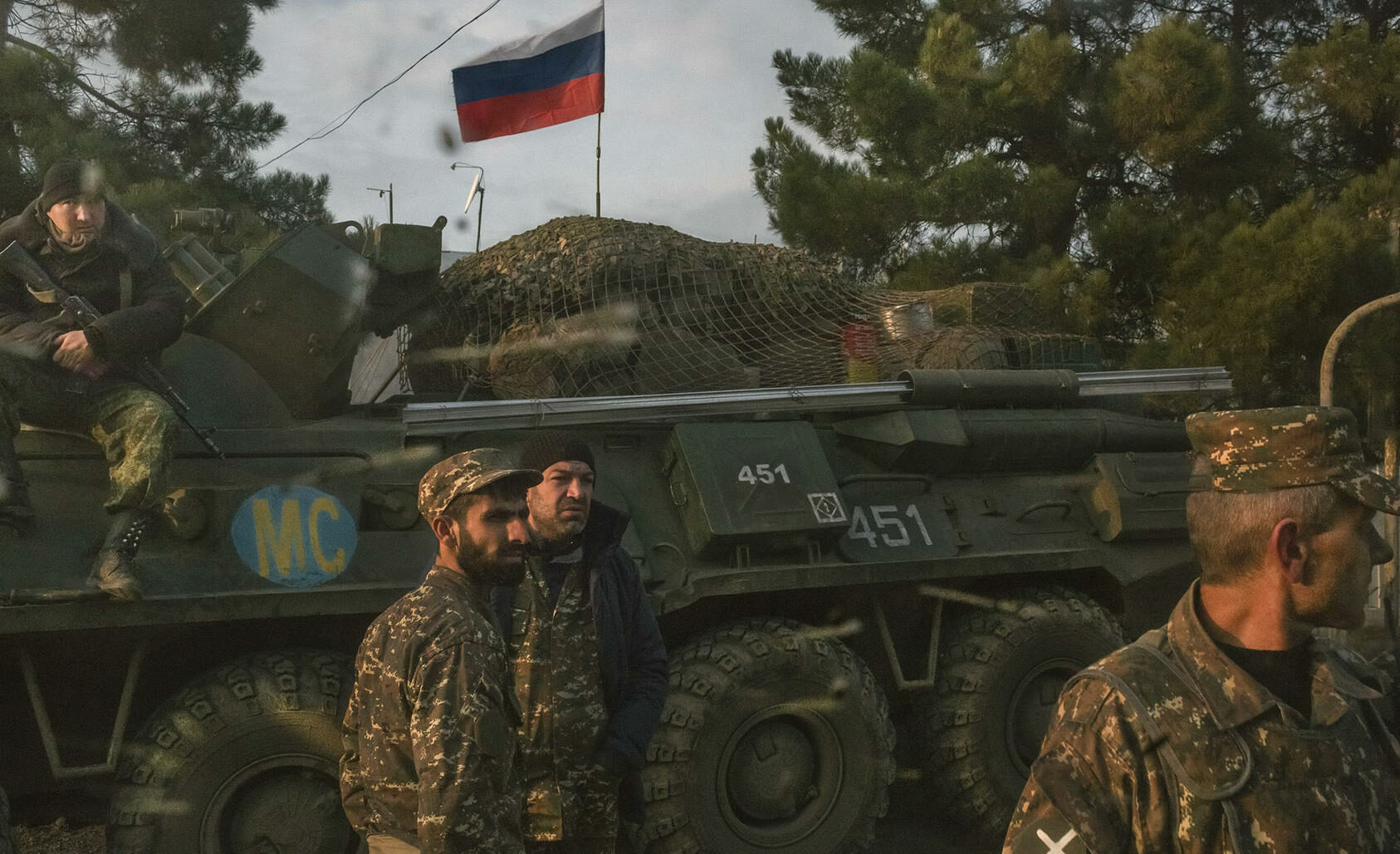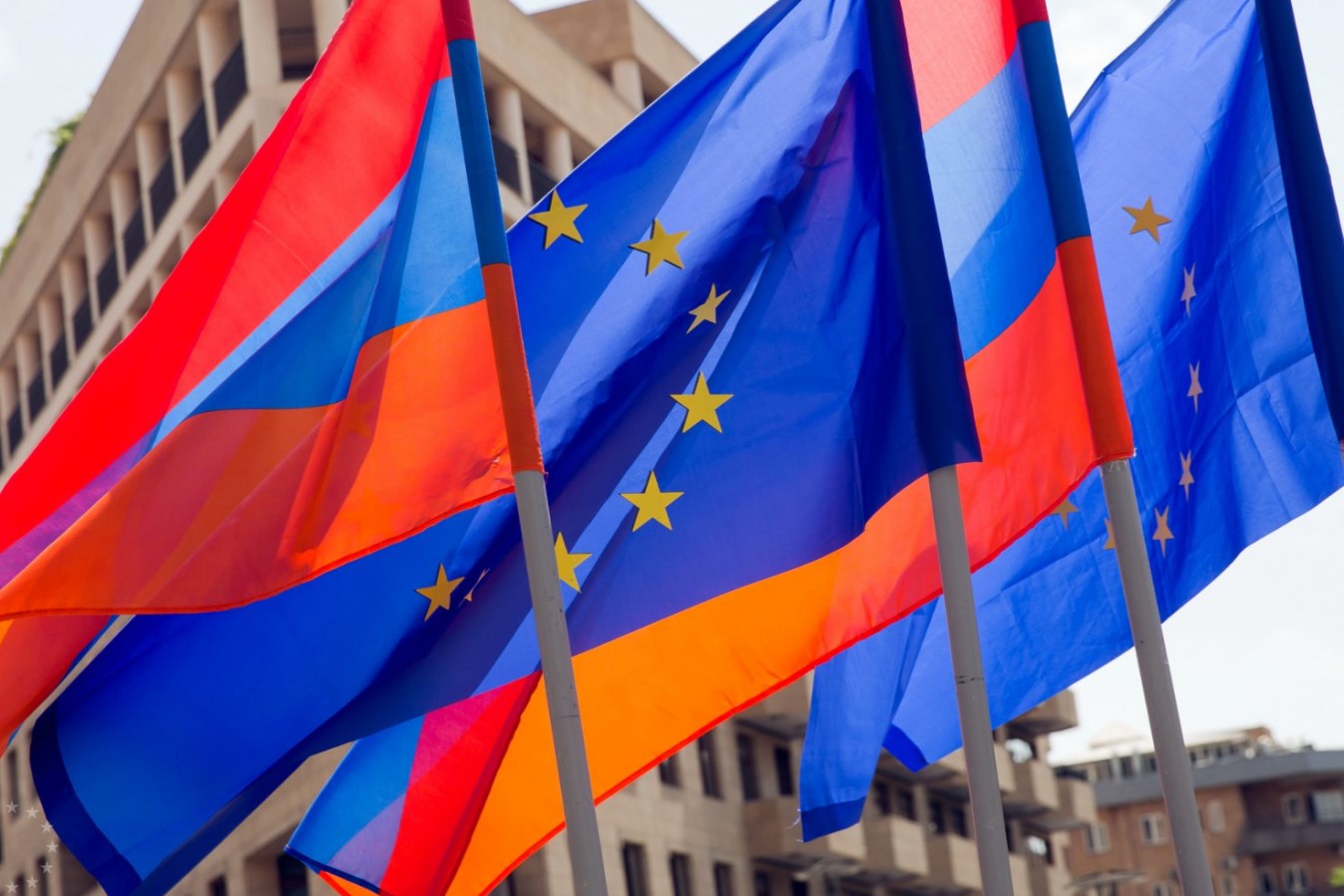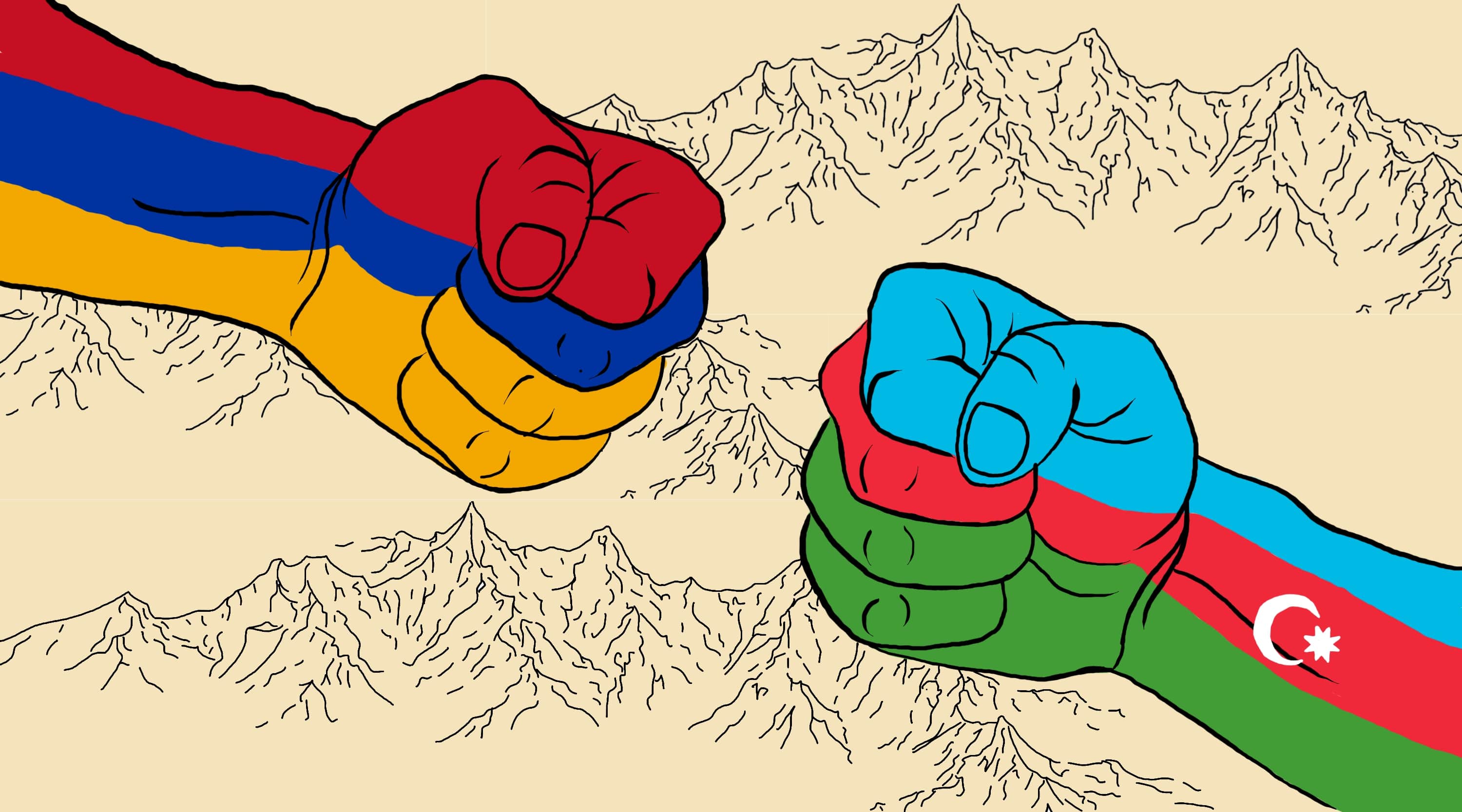
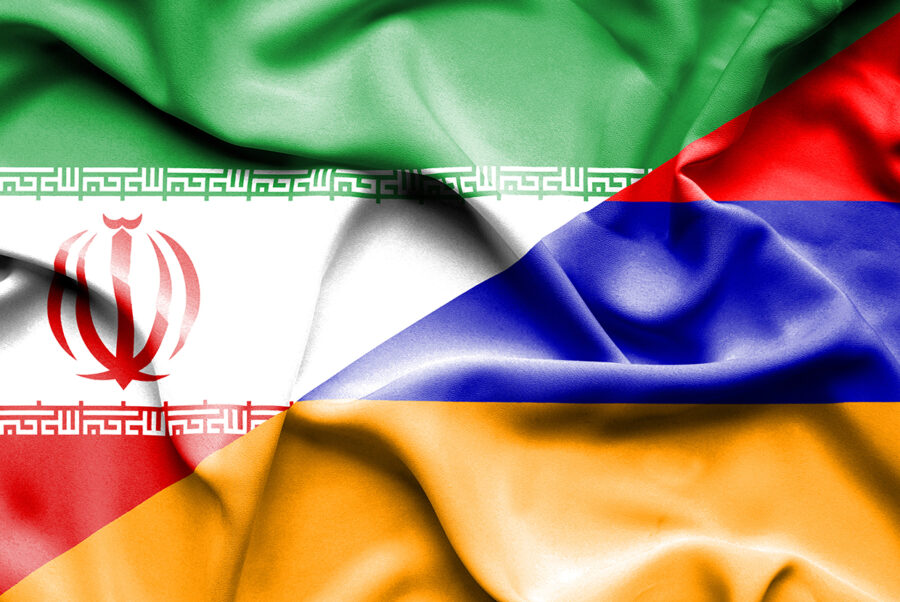
The Russian military presence is not everlasting in Armenia. Armenia is moving toward normalizing relations with its neighbors, creating a platform of good-neighborly relations to ensure possible future development.
Amid the backdrop of a common Iranian threat, Azerbaijani lawmakers invited Israeli MKs to visit Israel and deepen ties and strategic partnership.
Amid ongoing tensions in Azerbaijan-Iran relations, a statement by Mohammad Bagher Ghalibaf, Speaker of Iran's Islamic Consultative Assembly, drew the attention of both countries. In an interview with journalists upon his return to Tehran, Ghalibaf, who had met with Sahiba Gafarova, Speaker of Azerbaijan's Milli Majlis, on the sidelines of the 13th plenary session of the APA in Antalya last week, said that "some misunderstandings that have arisen recently in relations with the Republic of Azerbaijan have been resolved."
Building deeper relations with the Arab world is one of the important elements of President Ilham Aliyev's multi-vector foreign policy aimed at securing Azerbaijan's national interests and further strengthening Baku's position in the world.
One wonders if some of the self-professed "masters of information warfare" have at least learned school arithmetic. This is a question we cannot help asking after President Ilham Aliyev's interview with local TV channels: one of the issues discussed was some particularly frisky "experts" accusing Azerbaijan of reselling Russian gas to Europe.
Iran and Turkey share a history of deep rivalry spanning centuries. Where in the medieval and early modern period, they fought expansionist wars in the Middle East, nowadays their competition is more subtle, but nevertheless covers entire regions and numerous countries. Increasingly, one such area is the South Caucasus.
The peacekeeping contingent of the Russians is unable to avoid clashes between Yerevan and Baku over the pro-Armenian separatist region. Moscow would like to replace Armenian PM Pashinyan with its own oligarch. The Kremlin seems increasingly weak in the Caucasus, an effect of the war in Ukraine.
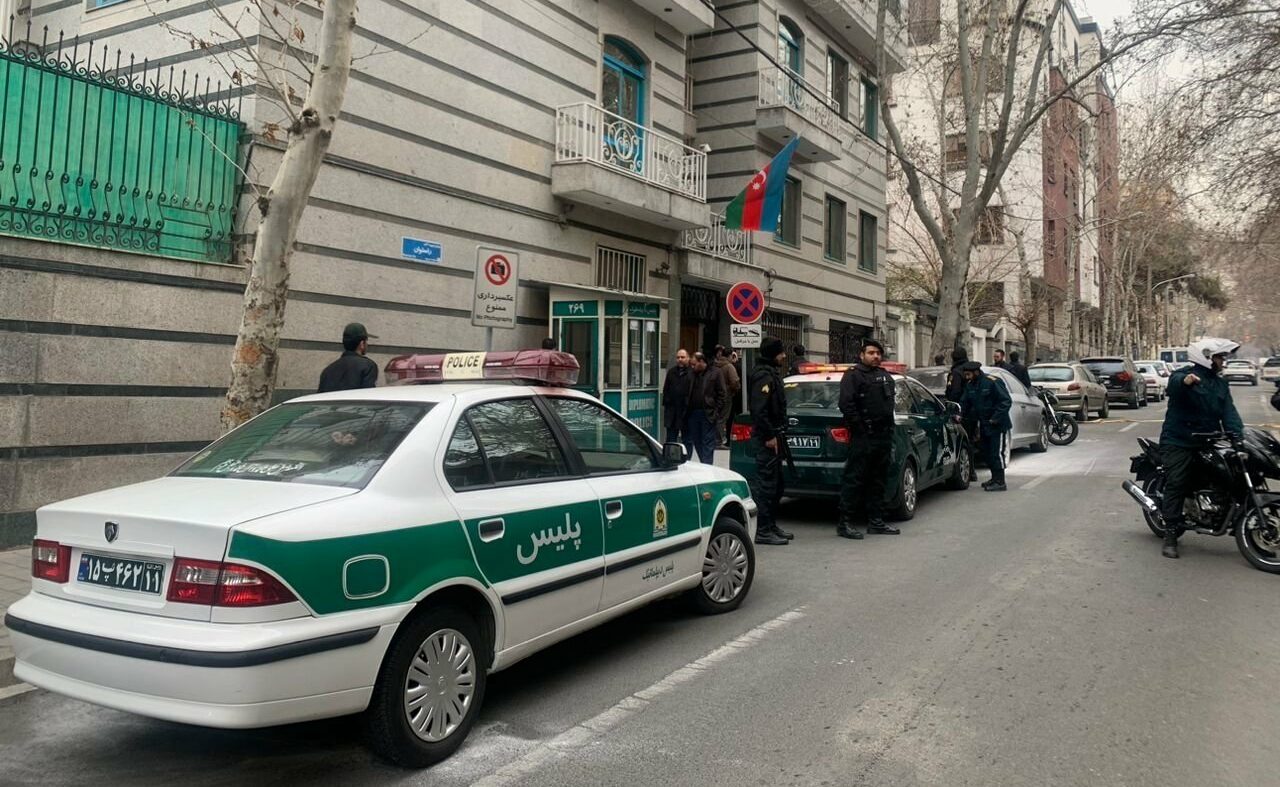
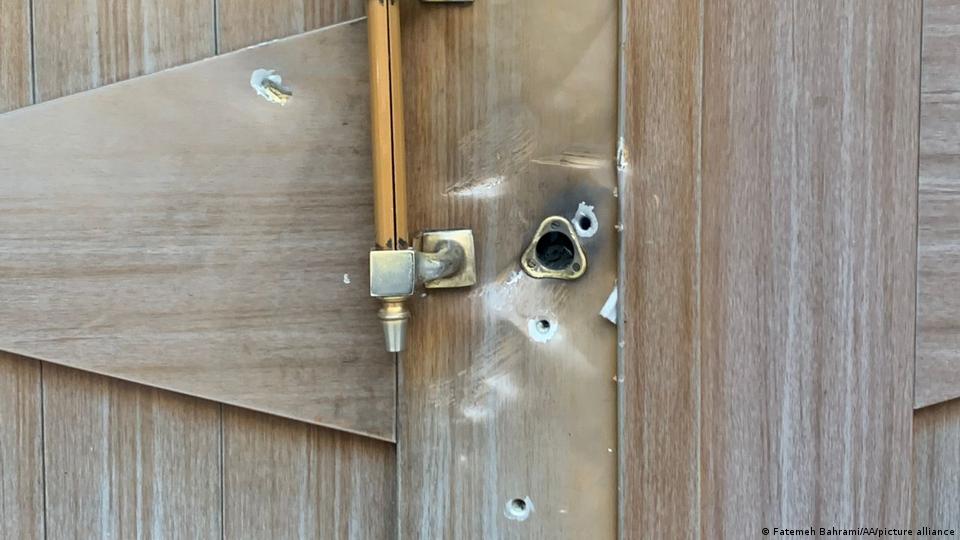
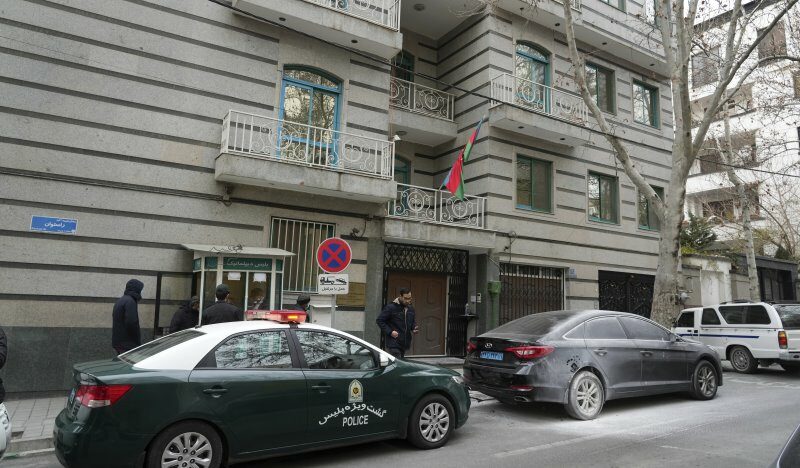
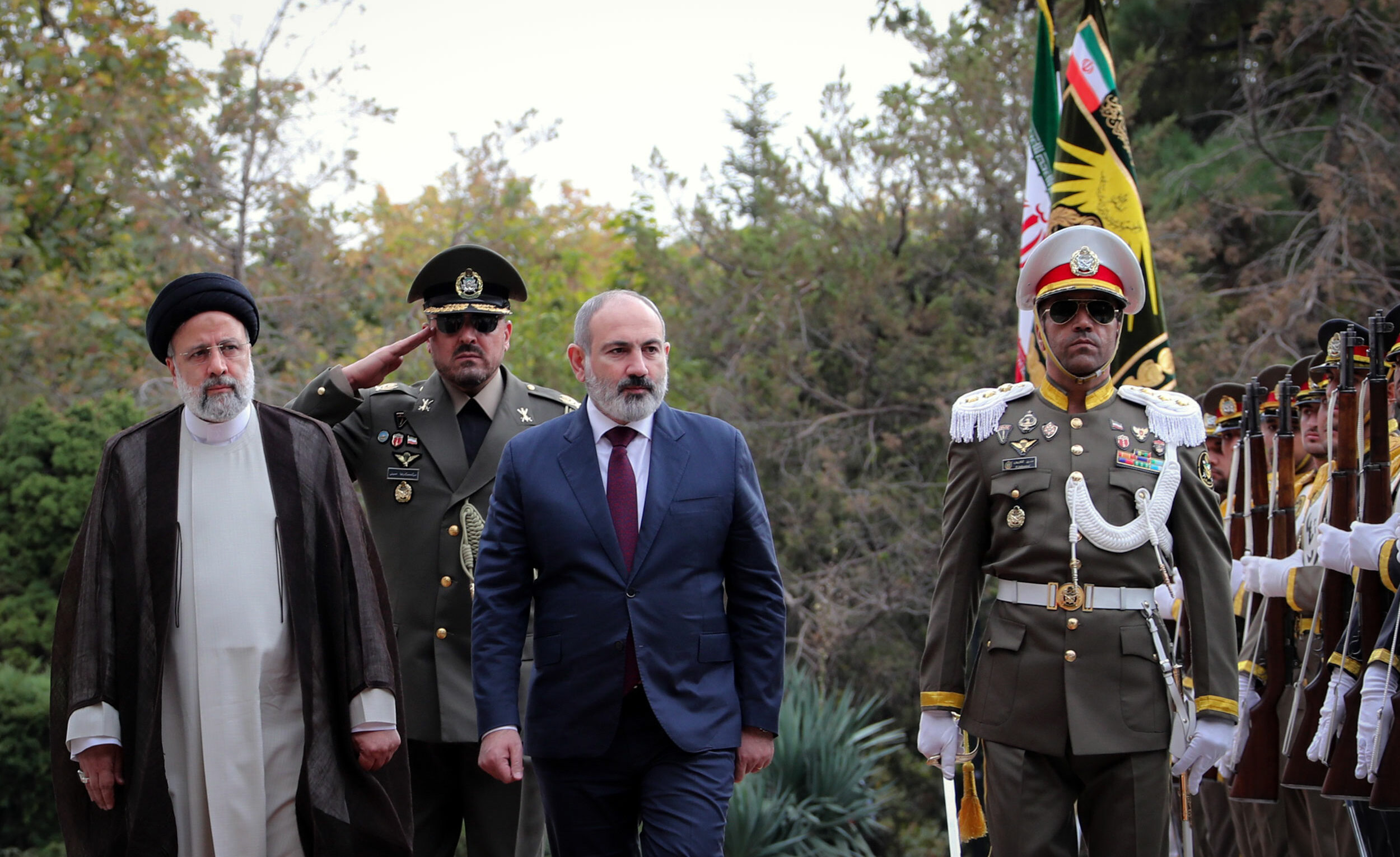
Experts see the decline of Tehran's relations with Baku as a microcosm of the broader failure of President Ebrahim Raisi’s promised strong-neighbourhood agenda.
Armenian Prime Minister Nikol Pashinyan gave a press conference, opening a new political year for his country. After the holidays, everyone (who has a job) returns to work, and it is high time to set a certain tone for the year, which would help somehow smooth out last year's failures.
The Board of Trustees of the Hayastan All-Armenian Fund issued a statement regarding the "blockade" of the Lachin corridor, calling on the UN Secretary General, other international organizations and the concerned states to make immediate efforts for operating the Khojaly airport and "putting in place guarantees for delivering emergency humanitarian aid to the Nagorno-Karabakh population by air."
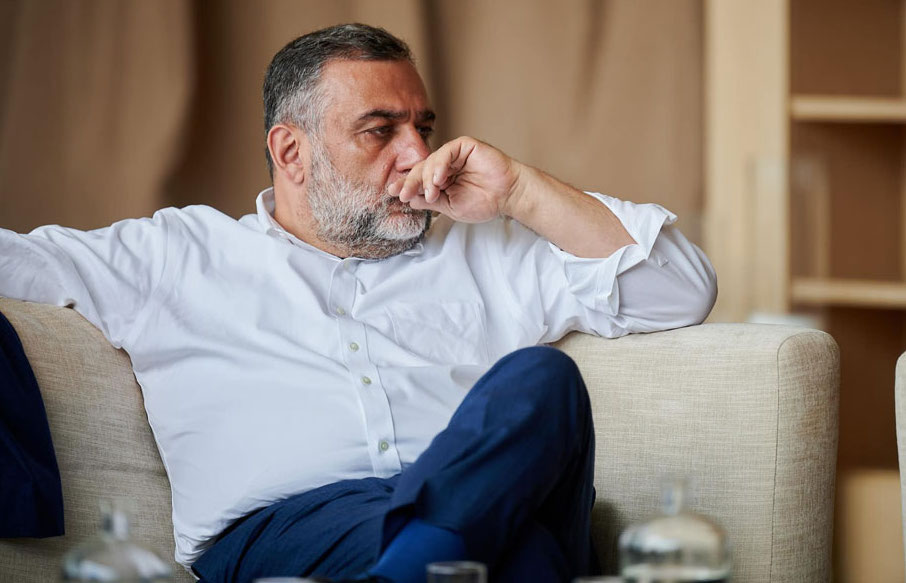
Having considered all their affairs on the ground completed, the Armenian side has begun to deal with problems in the sky. At first, Moscow-backed "state minister" Ruben Vardanyan threatens to open an airport in Khojaly, and Armenian political analyst Richard Kirakosyan calls for closing Armenian airspace for civil aircraft of Azerbaijan and Türkiye.
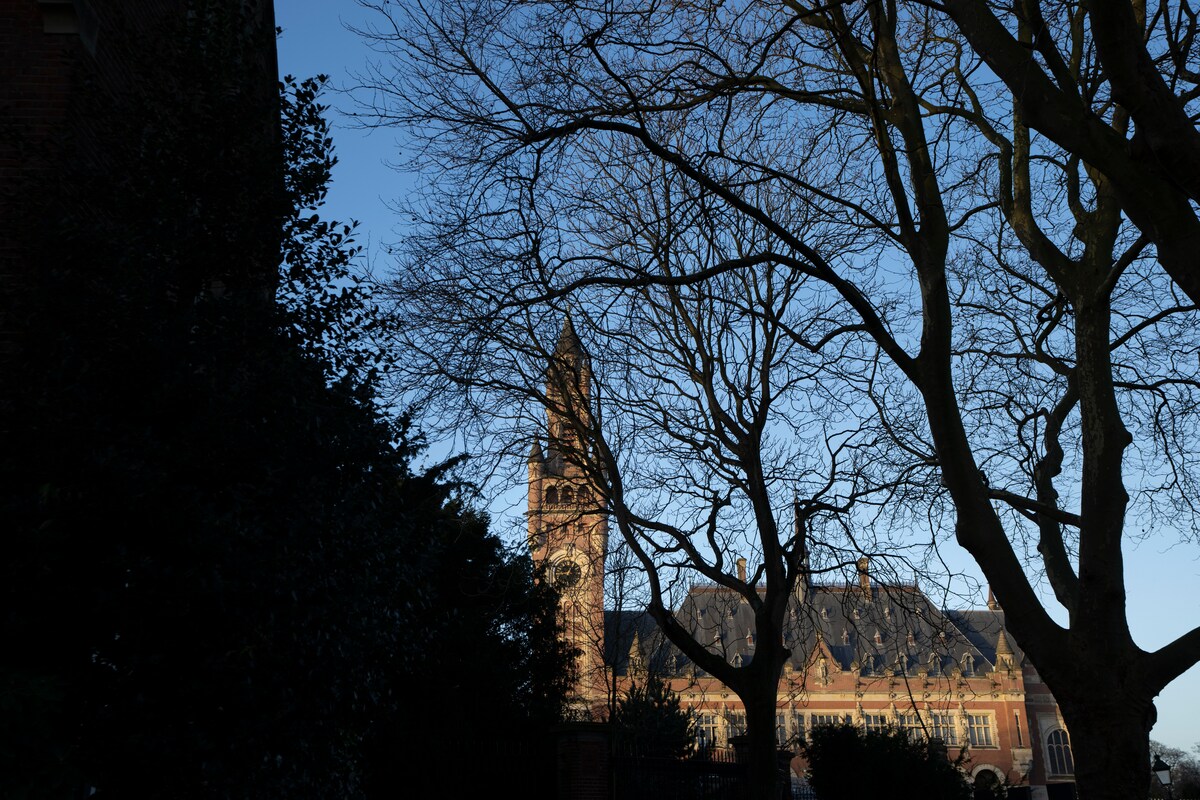
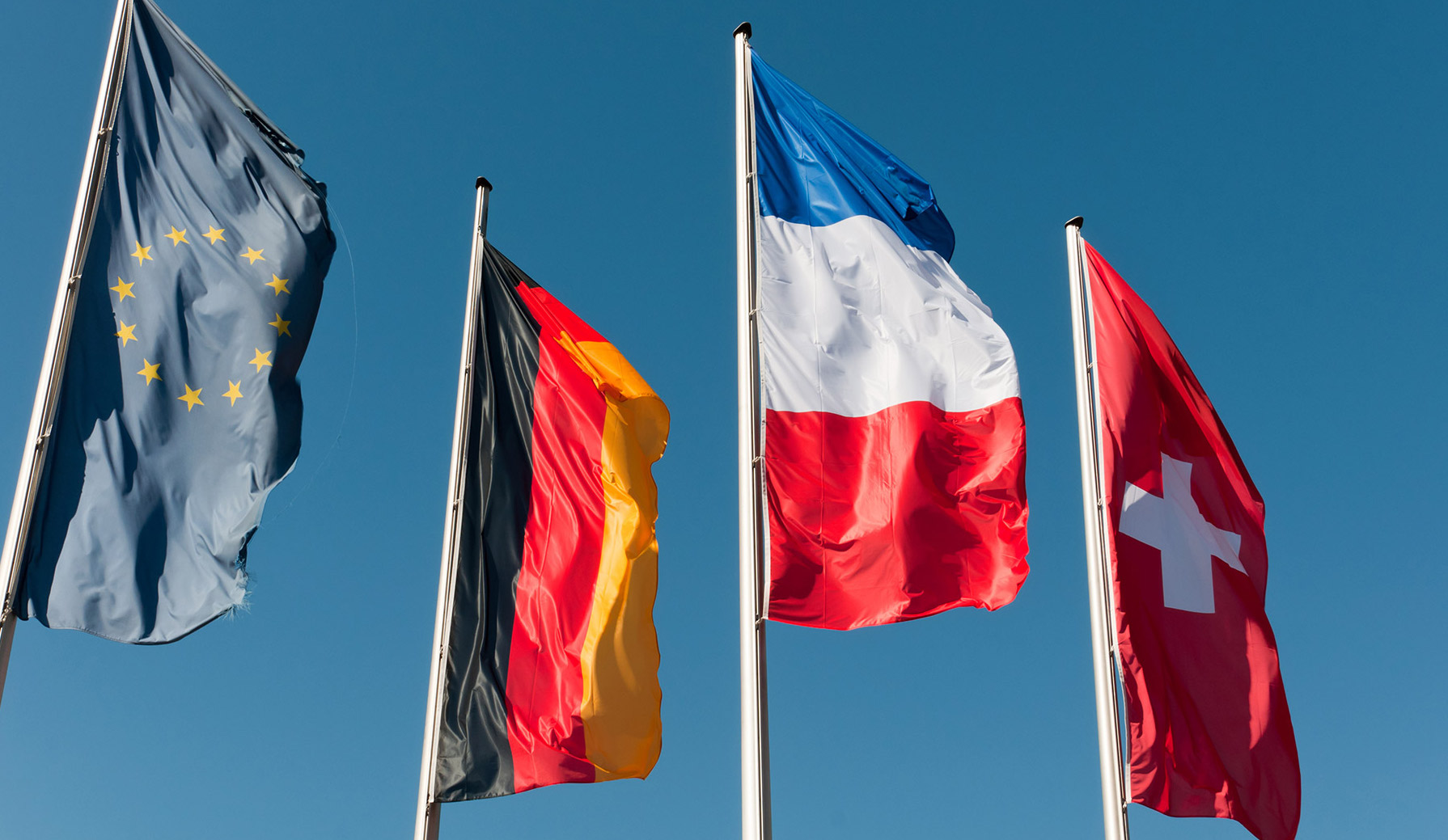
One of the factors encouraging the French to awaken activity in the Caucasus region is its traditional anti-Anglo-Saxon orientation. France has no interest in strengthening the Anglo-American tandem in the South Caucasus from weakening the Russian influence standpoint. This rivalry has a long history, and its geography spans the entire world.
It seems that Europe has long been aware of the criminal ties of Ruben Vardanyan, a Russian billionaire of Armenian origin and a crook, who recently became the "state minister of Artsakh".
For a man who just renounced his Russian citizenship in a blaze of publicity, billionaire oligarch Ruben Vardanyan surprisingly left a lot behind.
Iran using children as a tool against Azerbaijan is certainly a provocation that should be strongly condemned. Such actions are despicable and completely inappropriate in any political context, says former US ambassador to Azerbaijan, former US Co-Chair of the OSCE Minsk Group, and Jamestown Foundation Board Member Matthew Bryza.
After consultations in Tehran with Foreign Minister Hossein Amir-Abdollahian, dubbed by reformists behind his back the "silver fox" of centuries-old Iranian diplomacy, Iranian Ambassador to Azerbaijan Seyed Abbas Mousavi made a more than bizarre statement.
Azerbaijan’s parliament announced on Friday, November 18, 2022, that it initiated the process of opening an embassy in the State of Israel. It is the first Shi’ite Muslim-majority country to do so.
Using children as tools of military provocation is unacceptable under international law. Unfortunately, the authoritarian regime in Iran ignores all international principles.
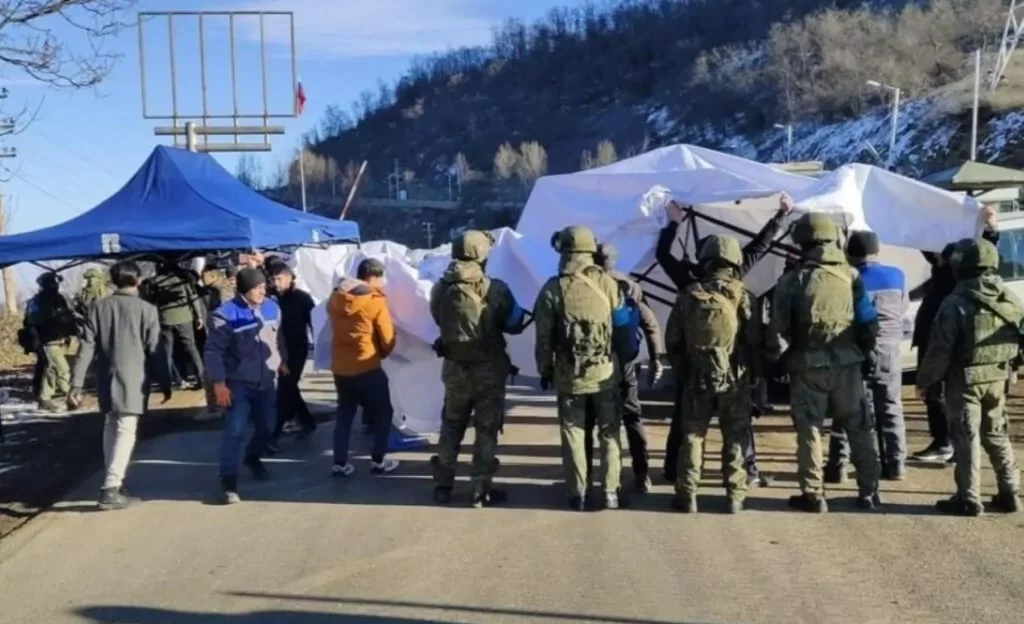
Today is the 26th day of the Azerbaijani environmentalists' protest on the Lachin-Shusha-Khankendi road. And for the 26th day Armenia is trying to feed its version of the events about "120,000 Artsakh people suffering in the blockade", "separated families", "sick people who cannot be transported to Armenia" etc. to the world media.
Losing hope of somehow influencing Azerbaijanis' peaceful protest, which has been going on for 25 days on the Shusha-Khankendi road, the separatists continue to push for sympathy. This time they decided to bring back the OSCE Minsk Group, may it rest in peace.
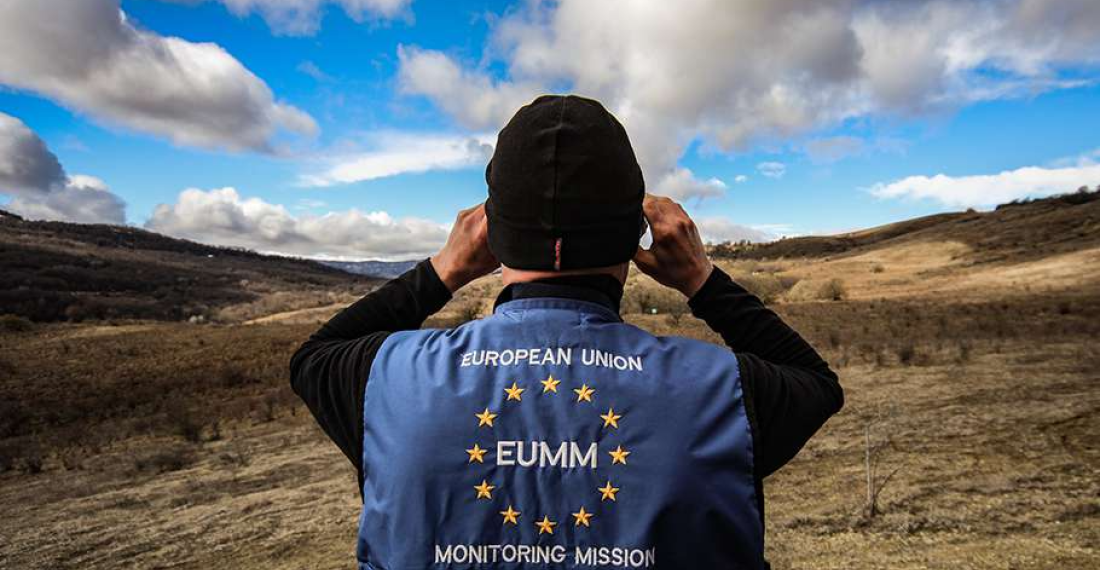
The European Union (EU) played practically no mediating role between Armenia and Azerbaijan over their territorial conflict until the Second Karabakh War in late 2020.
Foreign Armenian lobbyists continue living their "Karabakh activity" season. And it is hardly a coincidence that this surge happened soon after the notorious Ruben Vardanyan showed up in Karabakh.
A series of events in recent months marked a sharp increase in France's efforts to establish its presence in the South Caucasus at the expense of the sovereignty of Azerbaijan. Let us briefly enumerate the events.
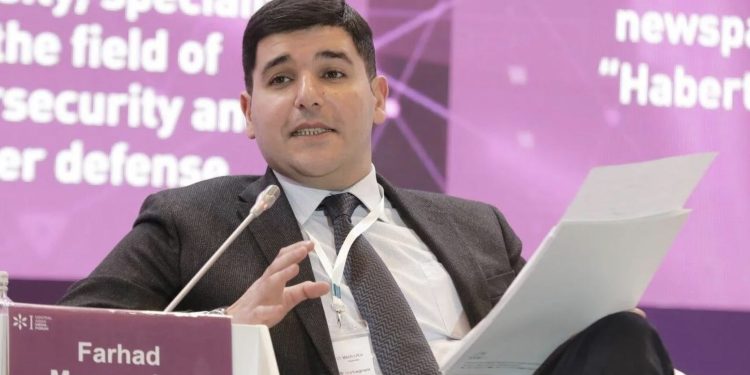
Farhad Mammadov, political scientist and head of the South Caucasus Research Centre, has commented on the anti-Azerbaijani policy of France on his Telegram channel.