If you have any doubt the Armenian regime and its loyal contingent here heavily lobbies for political support, just try tweeting something supportive of Azerbaijan. You’ll be assailed by more trolls than ever appeared in The Lord of Rings.

If you have any doubt the Armenian regime and its loyal contingent here heavily lobbies for political support, just try tweeting something supportive of Azerbaijan. You’ll be assailed by more trolls than ever appeared in The Lord of Rings.
The Kremlin will have a hard time preserving its nominal ally Armenia in Russia’s geopolitical orbit.
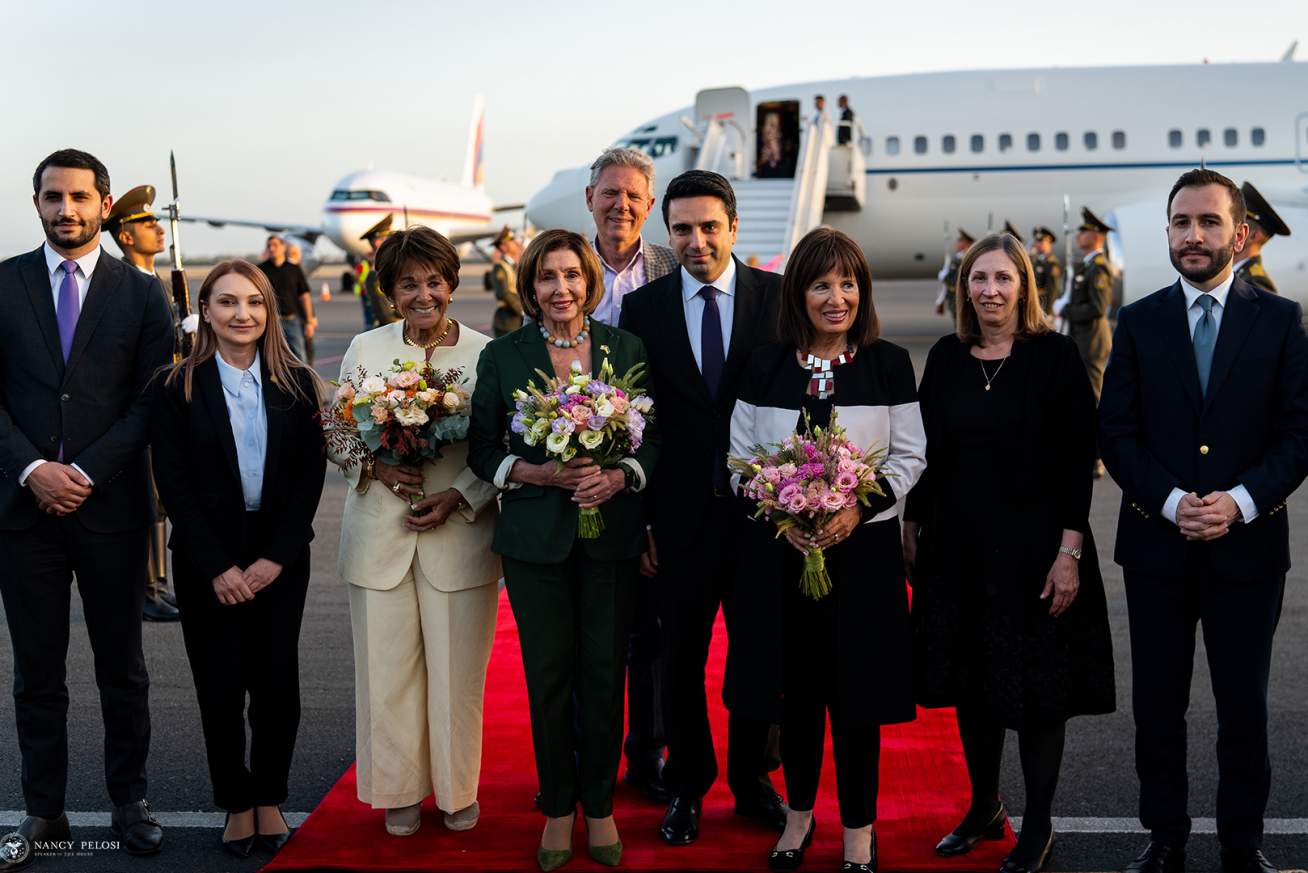
House Speaker Nancy Pelosi this weekend led a congressional delegation to Armenia following last week’s deadly clashes along the border between Armenia and Azerbaijan.
While there is little reason to believe that Armenia will soon turn away from Moscow and toward Washington, Pelosi’s trip could be a starting point for another political shift in the Caucasus.
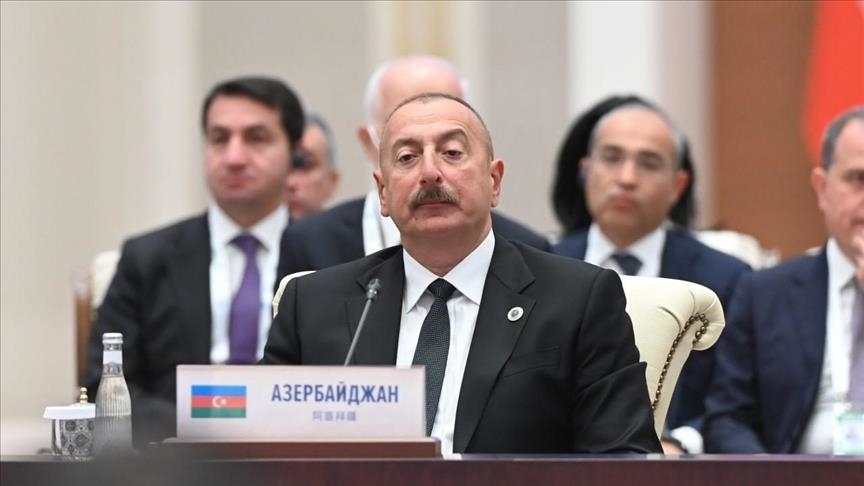
The lack of a peace agreement might expand the theater of future hostilities between the two countries and lead to new tragedies.
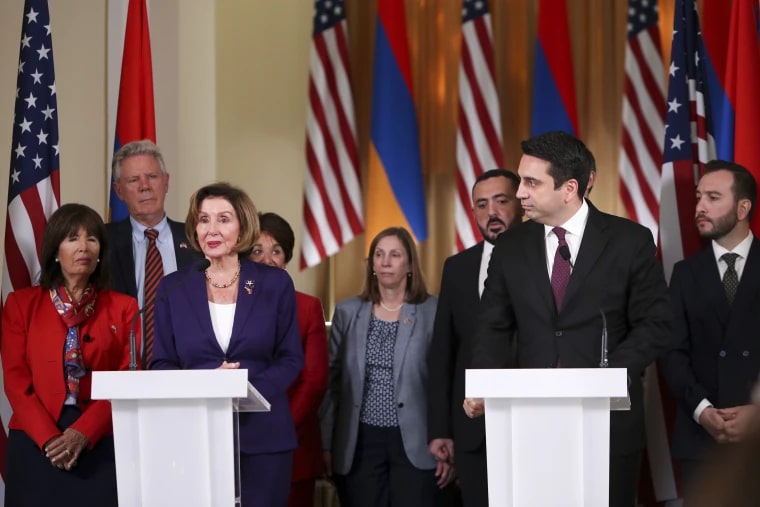
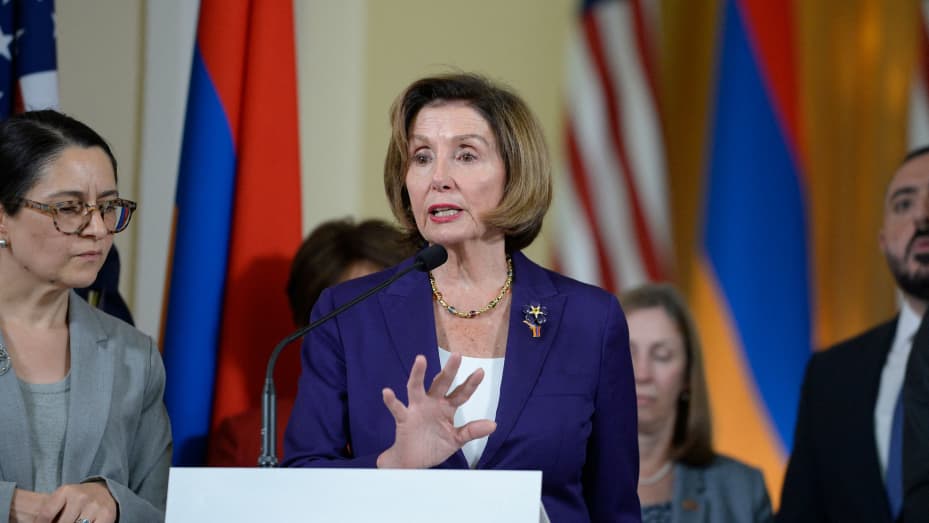
Armenian "high-level diplomacy" continues to hit rock bottom. Speaker of the Armenian National Assembly Alen Simonyan said at the joint press conference with the Speaker of the US House of Representatives Nancy Pelosi that Yerevan was "grateful for the efforts of the United States in brokering a fragile ceasefire agreement on September 14".
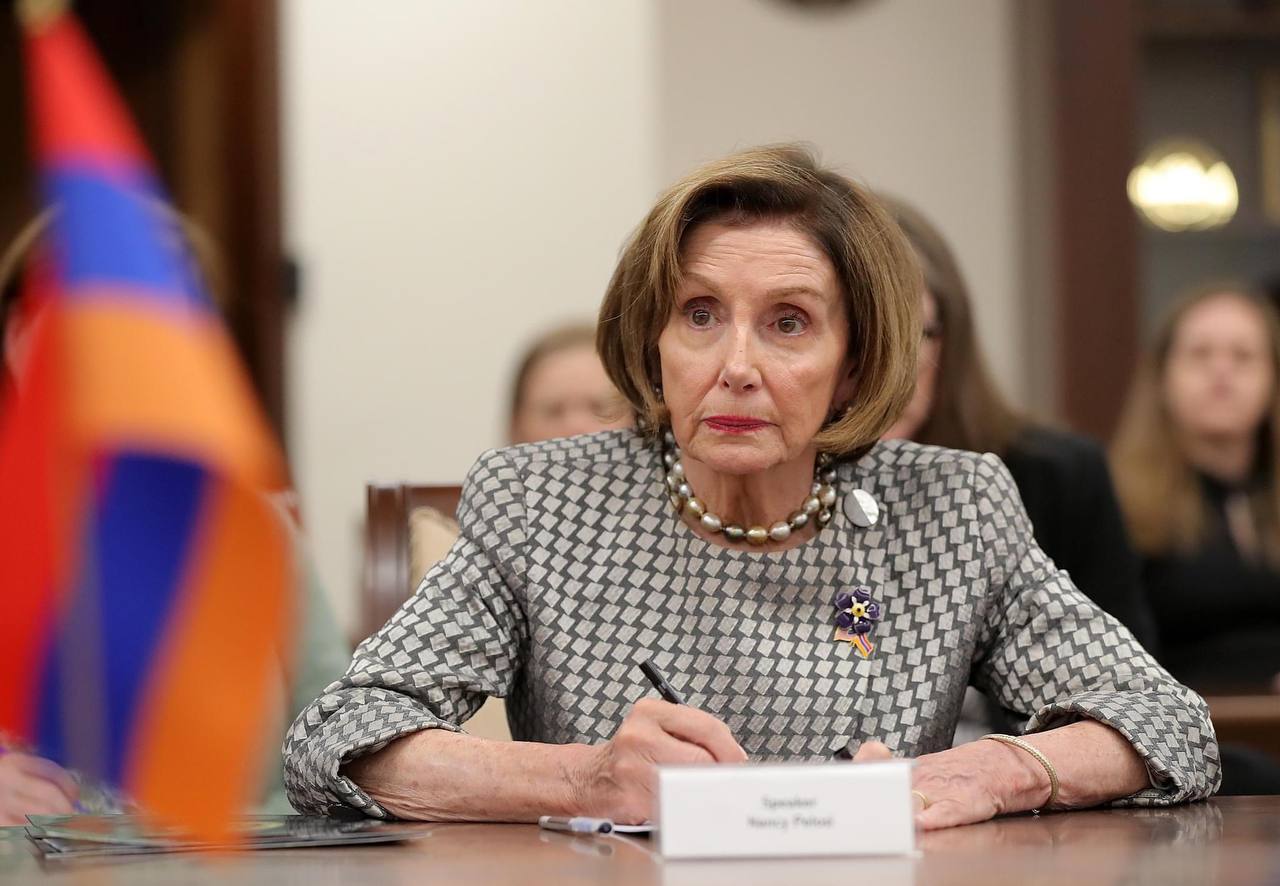
Armenian media link the visit of Nancy Pelosi, Speaker of the United States House of Representatives, to the tensions on the Armenian-Azerbaijani border. However, according to the organizers, Pelosi's trip to Armenia had been planned several months in advance.
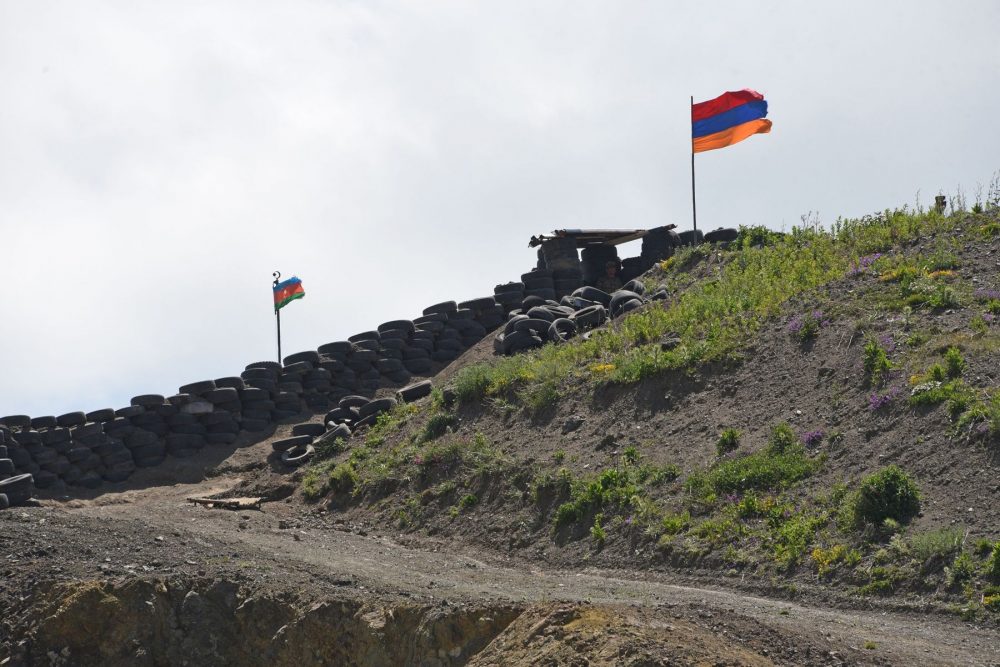
In recent days renewed clashes have broken out between Armenia and Azerbaijan in the South Caucasus. Fighting between these two countries is nothing new.
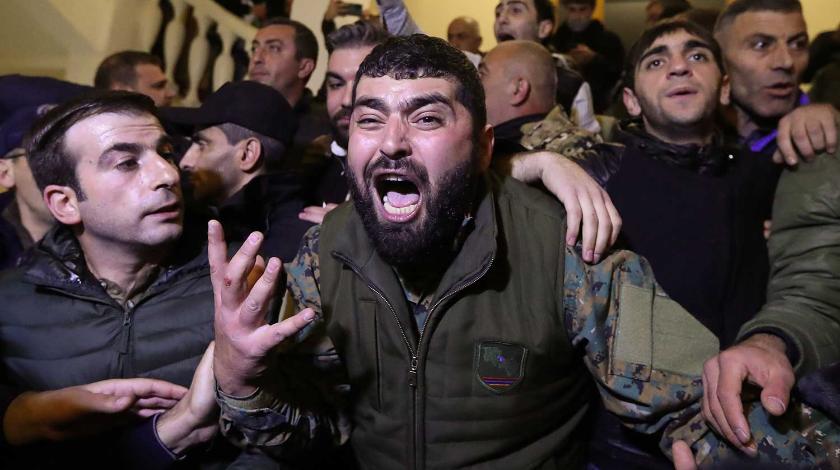
Taking advantage of the sentiments of the thousands of protesting crowds triggered by Nikol Pashinyan saying he was ready to sign a "document of capitulation", opposition leaders in Armenia tried to organize a new wave of street protests demanding a change of government.

US House of Representatives Speaker Nancy Pelosi, who visited Taiwan last month, causing great tension with China, is said to visit Armenia, which was involved in major deadly border clashes with its neighbour Azerbaijan.
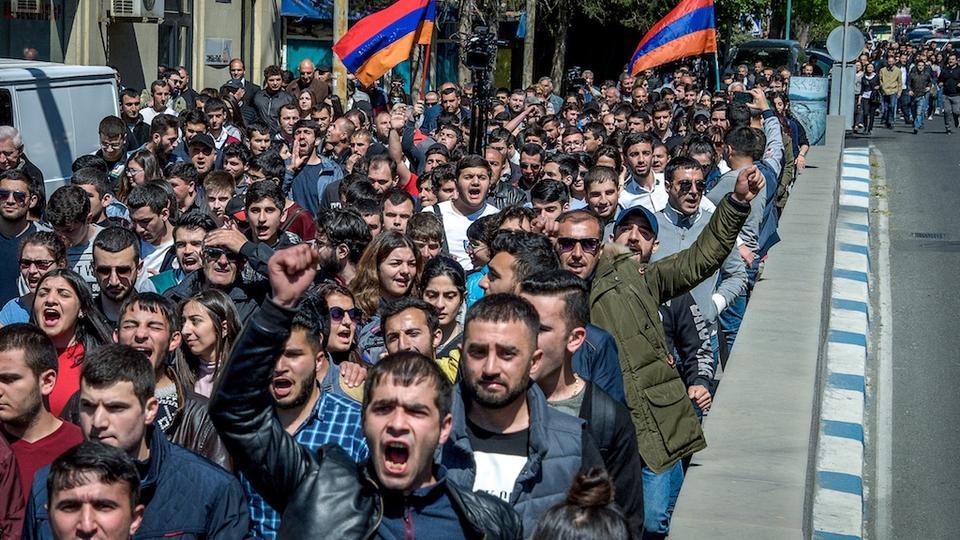
Over the past few months, the situation in the South Caucasus region has begun to change rapidly. Great powers, countries of Asia and Europe, express their desire to strengthen and develop relations with Azerbaijan.

Revenge-thirsty Armenia does not draw any conclusions for itself, Michael Finkel, an Israeli lawyer and specialist in international law and international politics told Report, commenting on the large-scale provocation of the Armenian
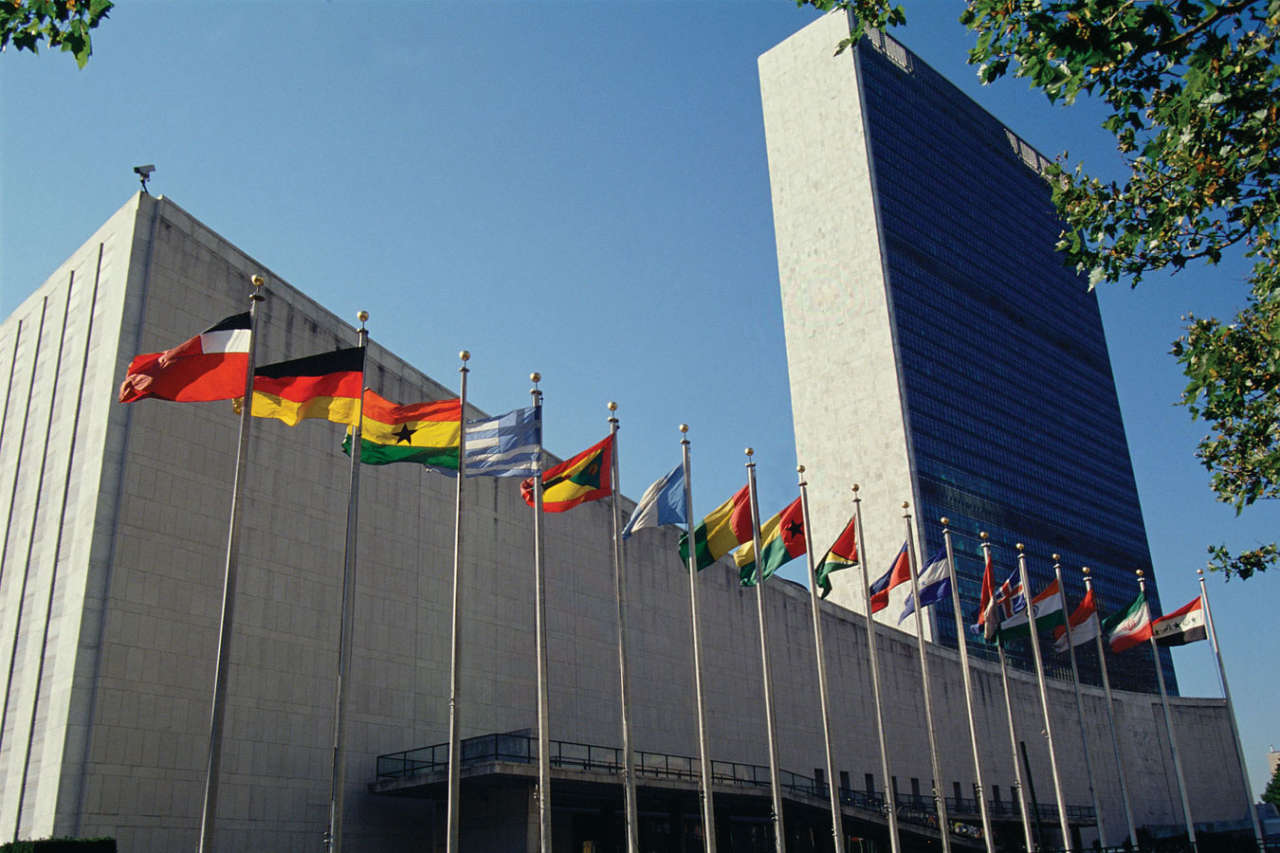
Today, September 15, the UN Security Council will discuss the situation on the Azerbaijani-Armenian border.
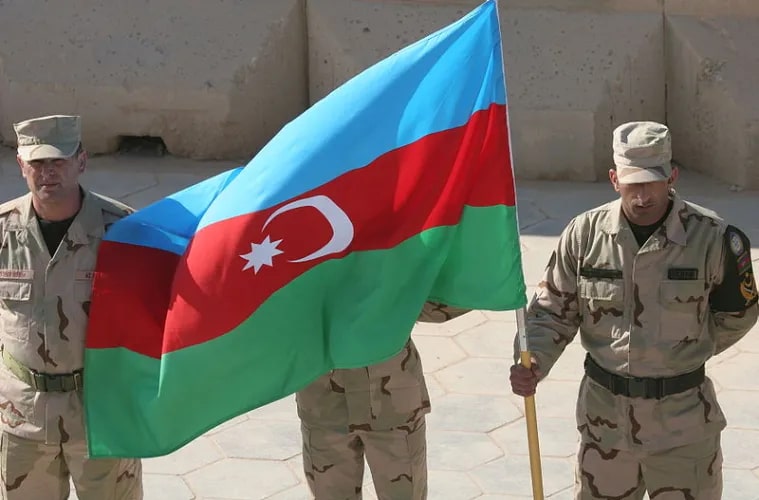
Azerbaijan continues to effectively tame the ardor of Armenian separatism in the region, regardless of any opposition from external forces and lobbying influence.
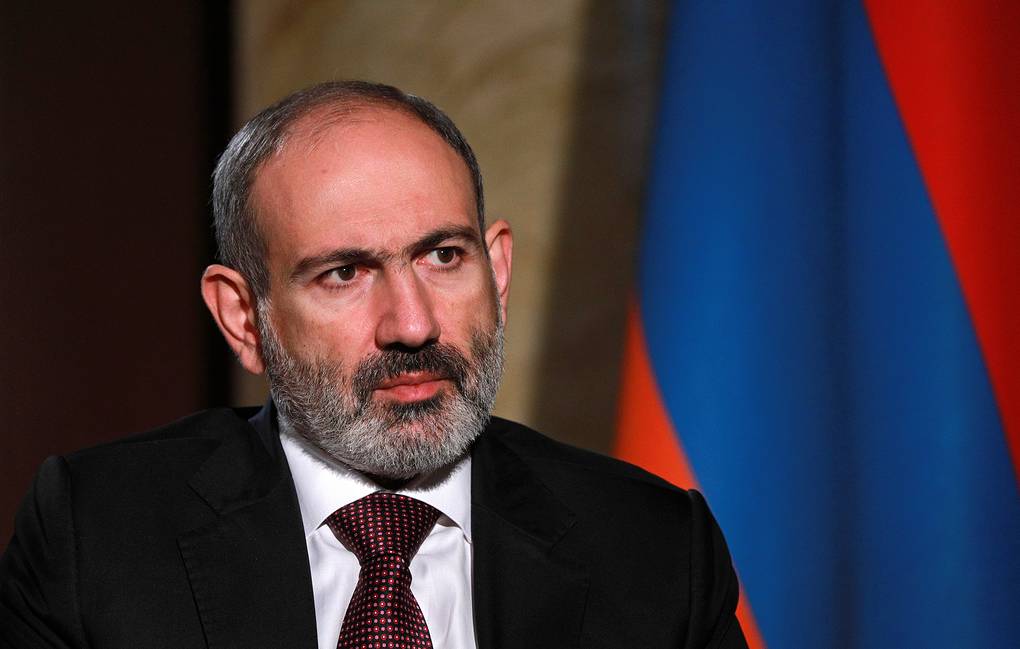
As previously reported, on September 13, 2022, an extraordinary session of the Collective Security Council of the Collective Security Treaty Organization was held via videoconference at the initiative of Armenia, who currently holds the CSTO presidency.
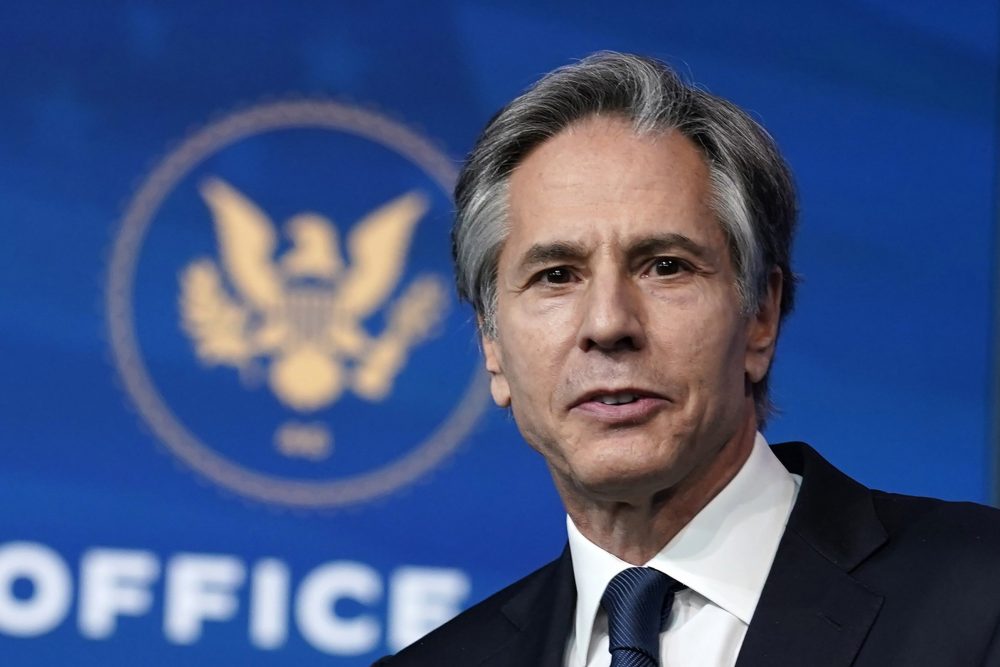
US diplomacy continues to stoop to new lows. This time, paradoxically as it sounds, at the highest level.
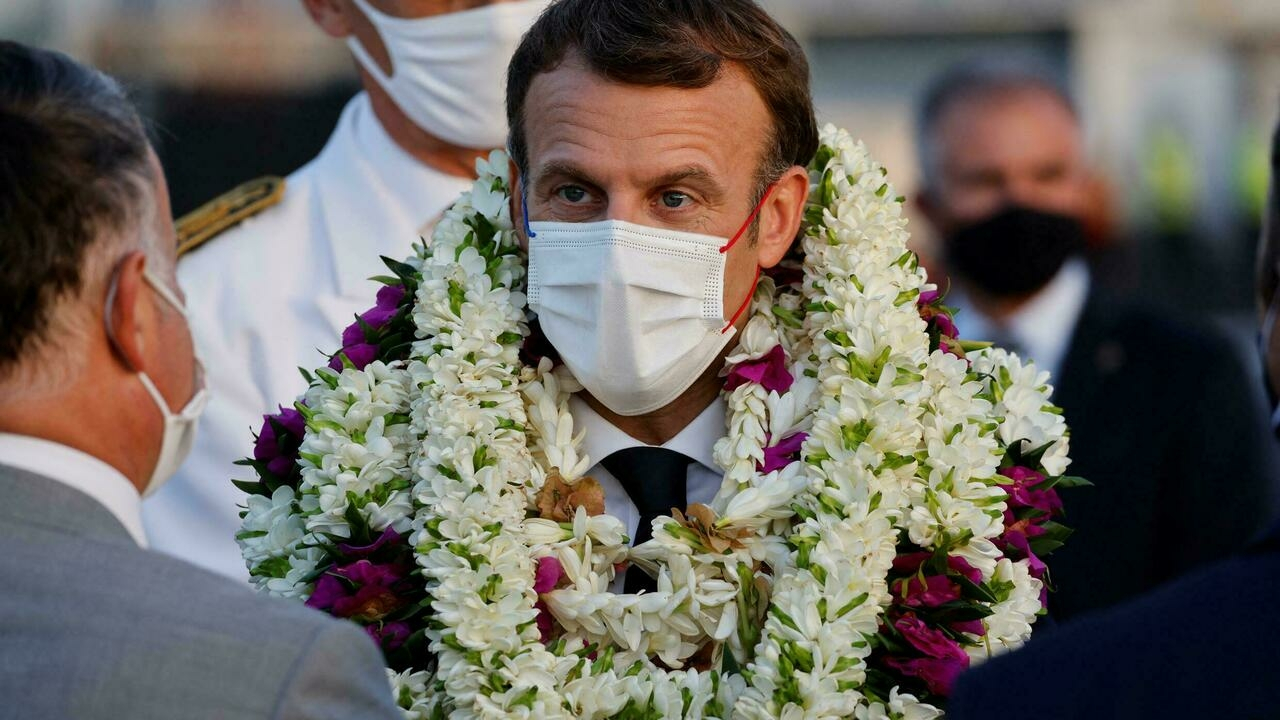
French President Emmanuel Macron in a telephone conversation with Ilham Aliyev urged the latter to return to respecting the ceasefire between Baku and Yerevan, the French leader's administration said Tuesday.
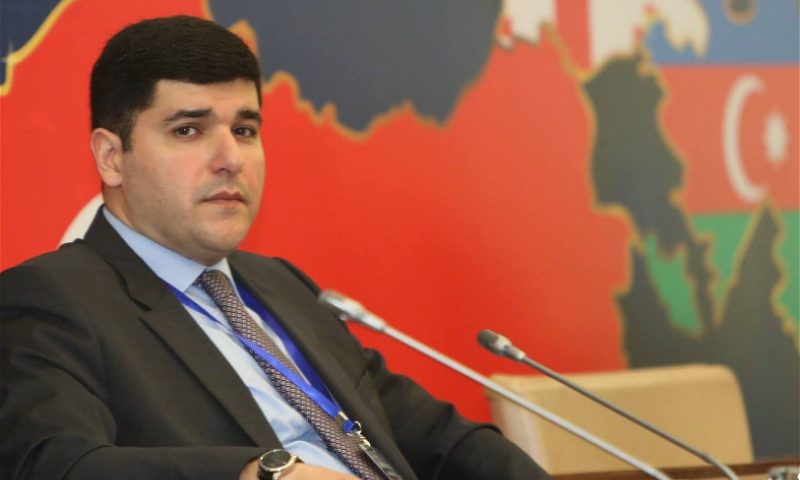
Why now? Armenia’s late-night provocation on the conditional border between Azerbaijan and Armenia took place against the backdrop of many events and processes, which we should re-address in order to

Unexpectedly and treacherously, on the night of September 13, the Armenian armed forces resorted to a new military gamble.
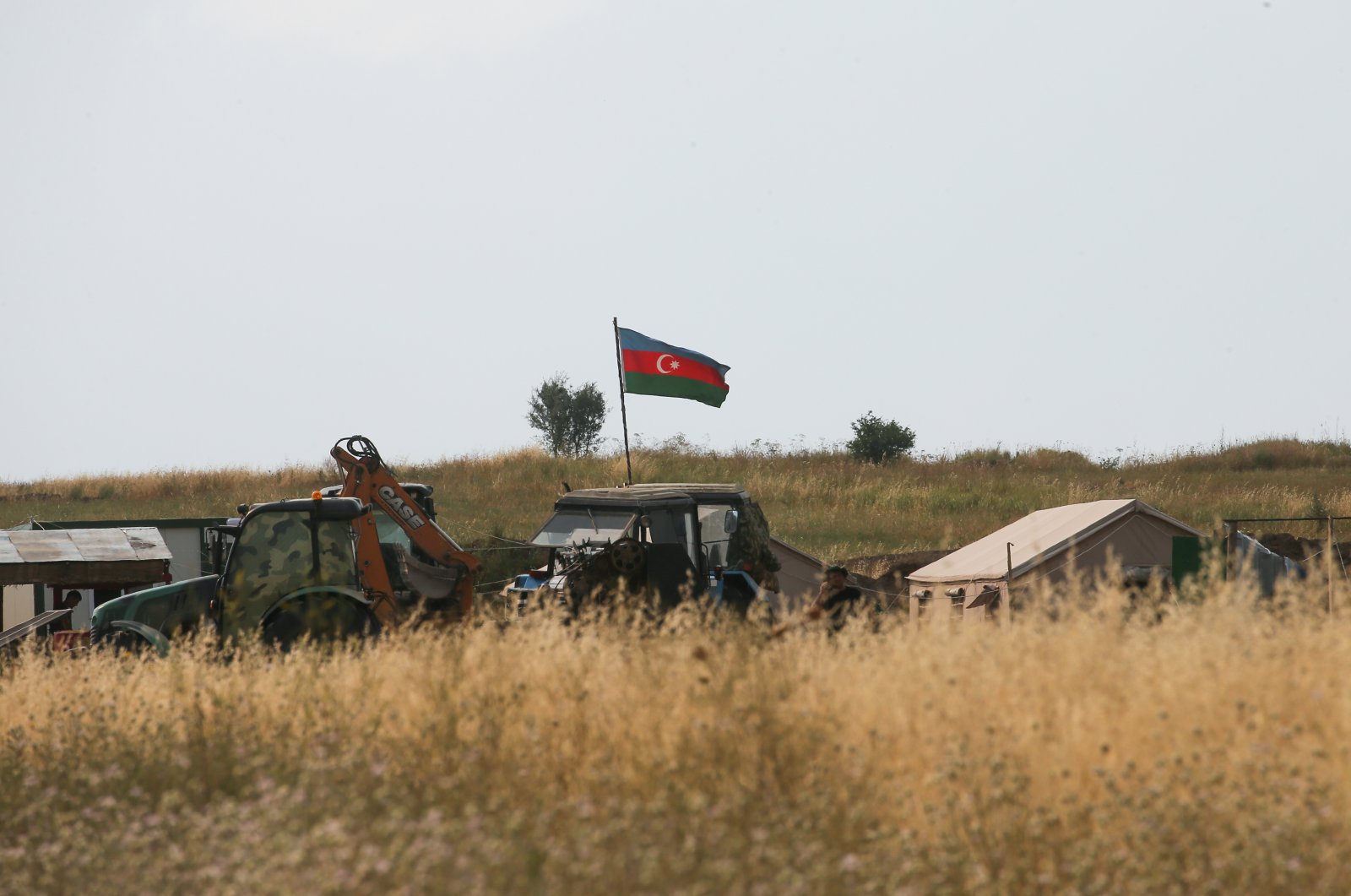
Not only has Armenia failed to complete the withdrawal of its military personnel from the territories of Azerbaijan controlled by the Russian peacekeepers, but on the contrary, it is increasing their presence with contract soldiers serving in the illegal Armenian armed groups in Karabakh.

Will peace come to the region immediately after that? We think not. The signing of a peace treaty is just the beginning of the road.
In two months we will celebrate the second anniversary of the Victory. These two years have been full of diplomatic triumphs and military activity pursuing corrective goals. In just two years, the liberated territories have seen tremendous changes that astonish the world.
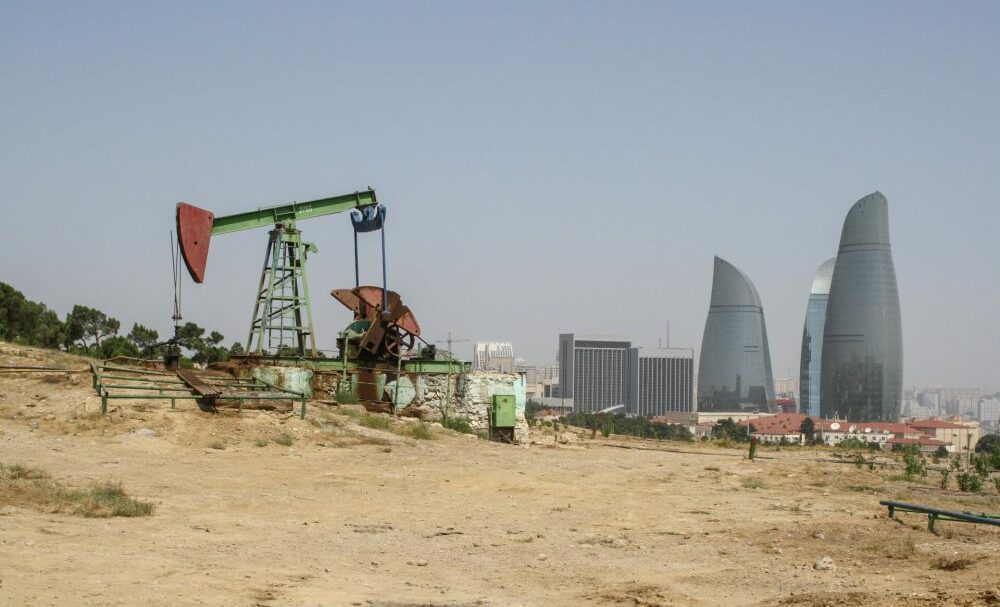
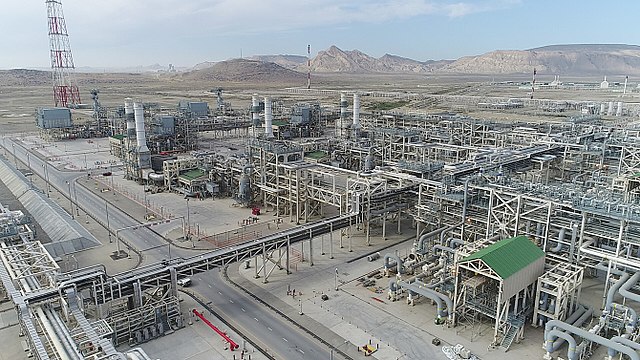
Azerbaijan, a large energy producer, also has the potential to become a starting point on a green energy corridor to European markets.
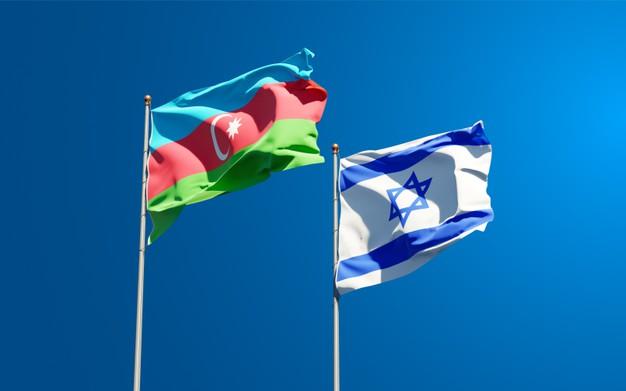
Israel and Azerbaijan have routinely found natural areas of synergy in their alliance, from defense and energy cooperation, to the 2,000-year-old Jewish community in the Muslim-majority country and the thriving Azerbaijani immigrant community in Israel, to shared values such as multiculturalism and religious tolerance.