To this end, Azerbaijan and the European Union continue the successful cooperation in a wide range of areas, and both sides are interested to strengthen and expand the existing co-operation.

To this end, Azerbaijan and the European Union continue the successful cooperation in a wide range of areas, and both sides are interested to strengthen and expand the existing co-operation.
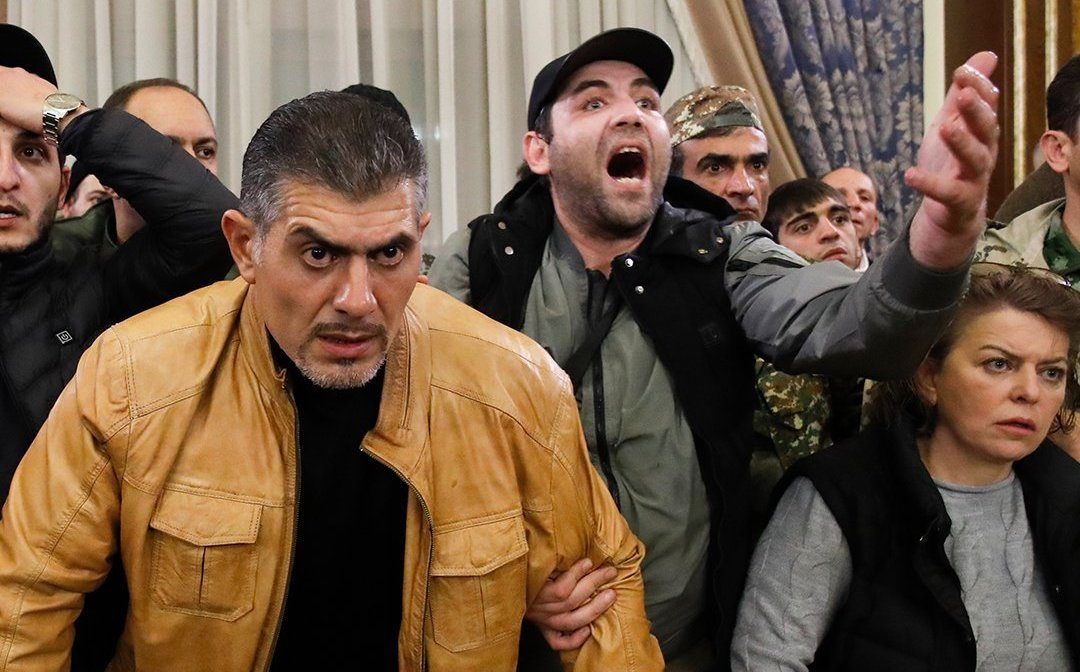
One of the Kremlin towers sends Ruben Vardanyan to Karabakh. At the same time, a landing party of Russian spin doctors and media saboteurs drops in Yerevan (this information was recently leaked; our sources double-checked through their channels and confirmed it).
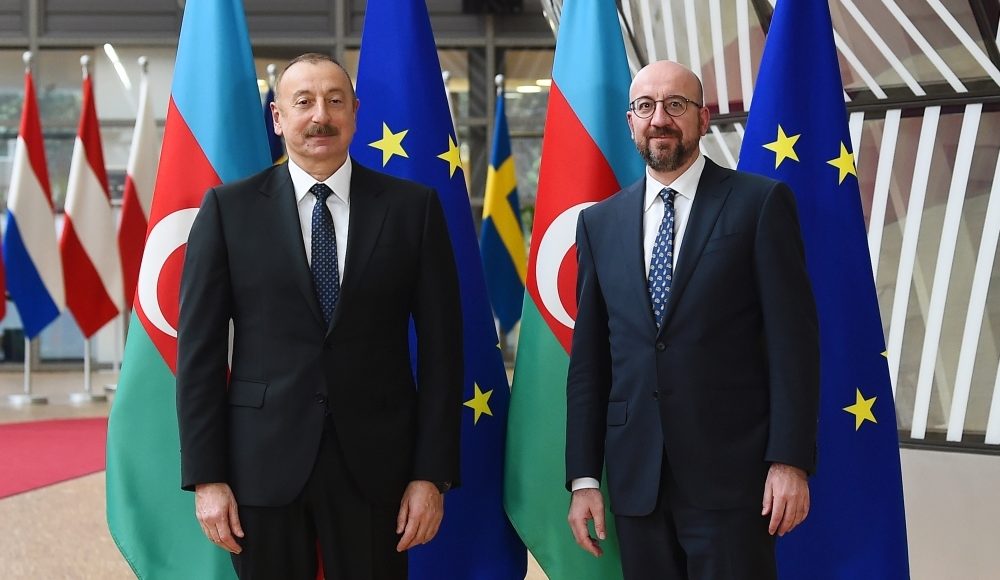
President Ilham Aliyev's visit to Brussels, his meeting with President of the European Council Charles Michel and Armenian Prime Minister Nikol Pashinyan and the results achieved are yet another diplomatic success for Azerbaijan.
Azerbaijan will soon celebrate another anniversary of the victory in the Patriotic War of Liberation, the end of which put an end to the Nagorno-Karabakh conflict. It took Azerbaijan only 44 days to single-handedly solve the problem that the OSCE Minsk Group had been dragging out with its inaction for 30 years.
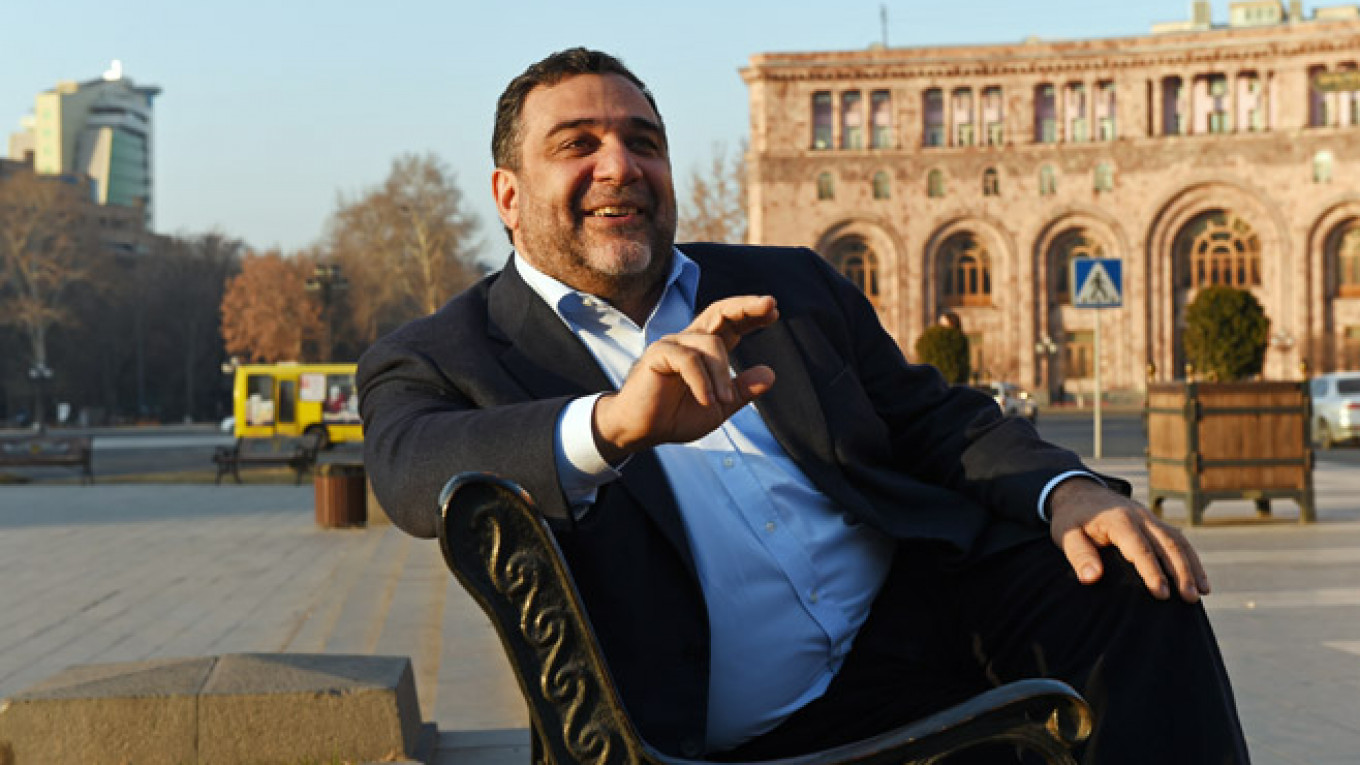
A few days ago, Ruben Vardanyan, a well-known Russian banker, investor and billionaire, announced that he was giving up his Russian citizenship and moving to Karabakh.
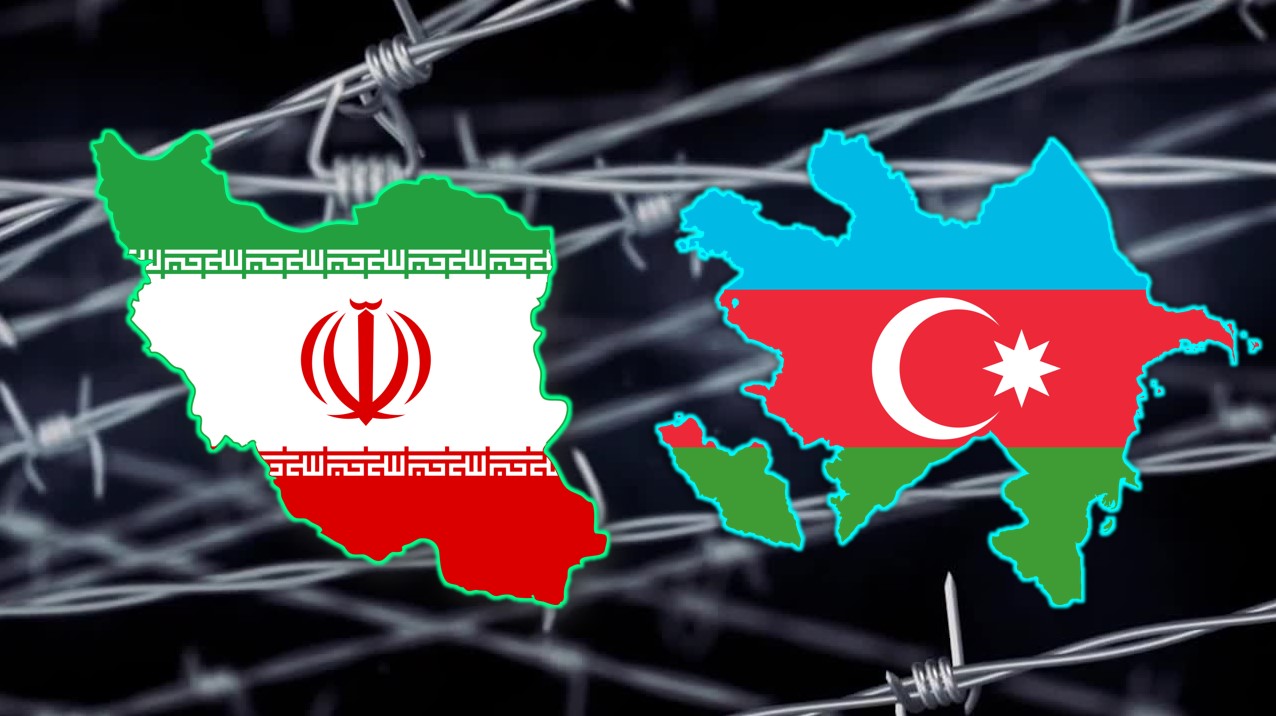
Azerbaijani media called on ethnic Azerbaijanis in northern Iran to try separating from Iran, reigniting tensions between the two countries.
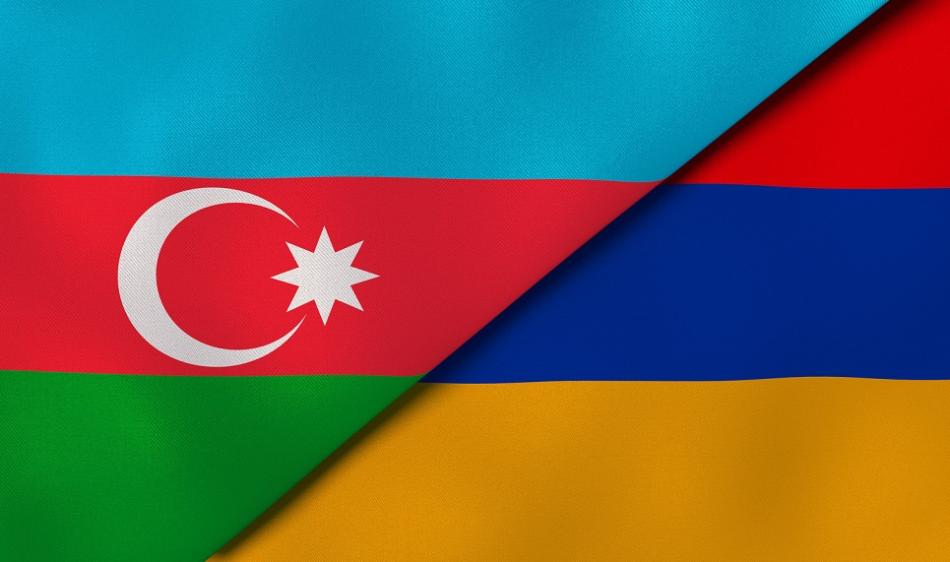
In this sense, Azerbaijan is not a philanthropist, not a brother and not a mentor, and does not feel much sympathy for Armenia’s political bullshit.
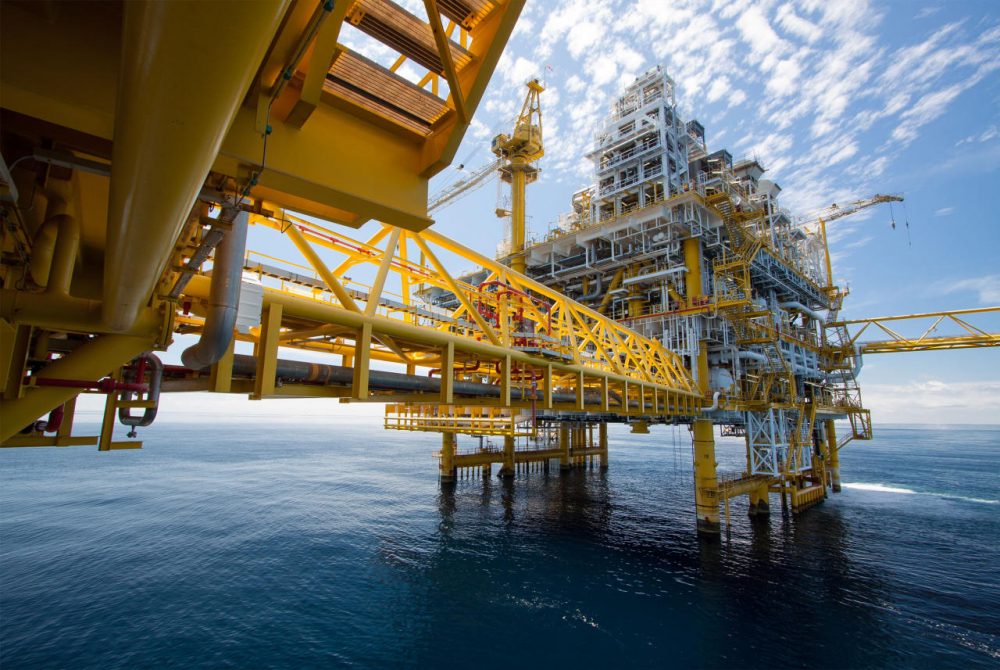
Azerbaijan seems capable of supplying the extra gas, but a lot will depend on continuing exploration work, financing and whether or not Turkey will turn down the gas.
So, either Baku will conduct another operation in Karabakh or will patiently force Armenia to implement Azerbaijan's agenda through direct pressure and through Armenia's patrons.
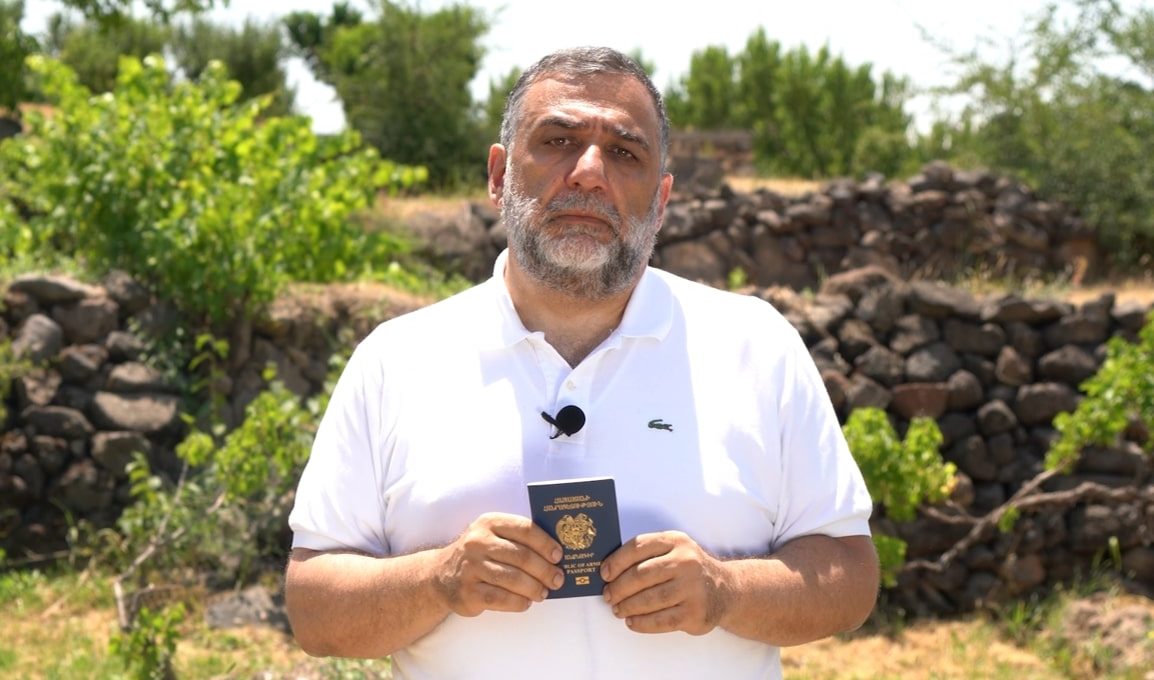
Ruben Vardanyan, whose fortune was estimated at $1 billion by Forbes last year, announced his decision to renounce Russian citizenship. Vardanyan, an entrepreneur and investor, announced that he had decided to give up his Russian citizenship.
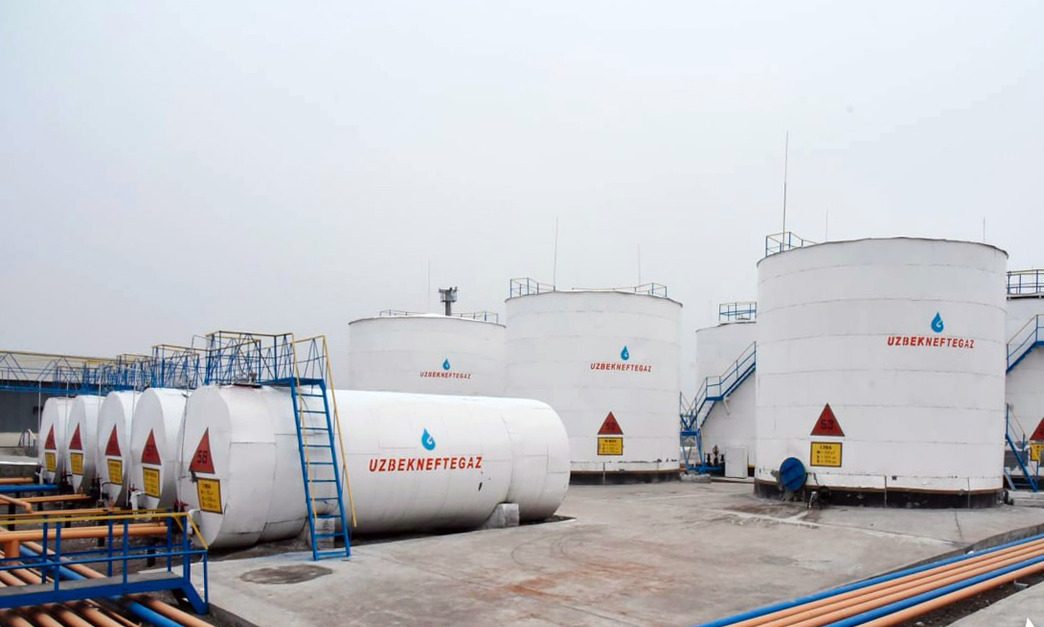
It has been clear for some time that Russia’s war in Ukraine is driving the Central Asian states and Azerbaijan to forge tighter partnerships, as countries in Moscow’s orbit cast around for new trade routes bypassing their internationally isolated former colonial master.
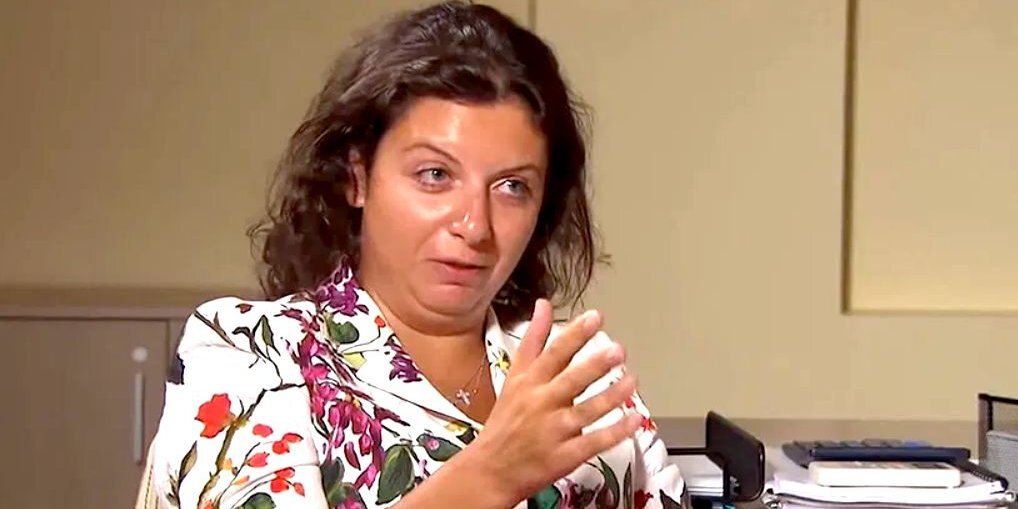
Margarita Simonyan is one of Russian President Vladimir Putin’s main faces of propaganda and disinformation, both internationally and inside Russia. She is adept at serving up lies as truths — and with a smile.
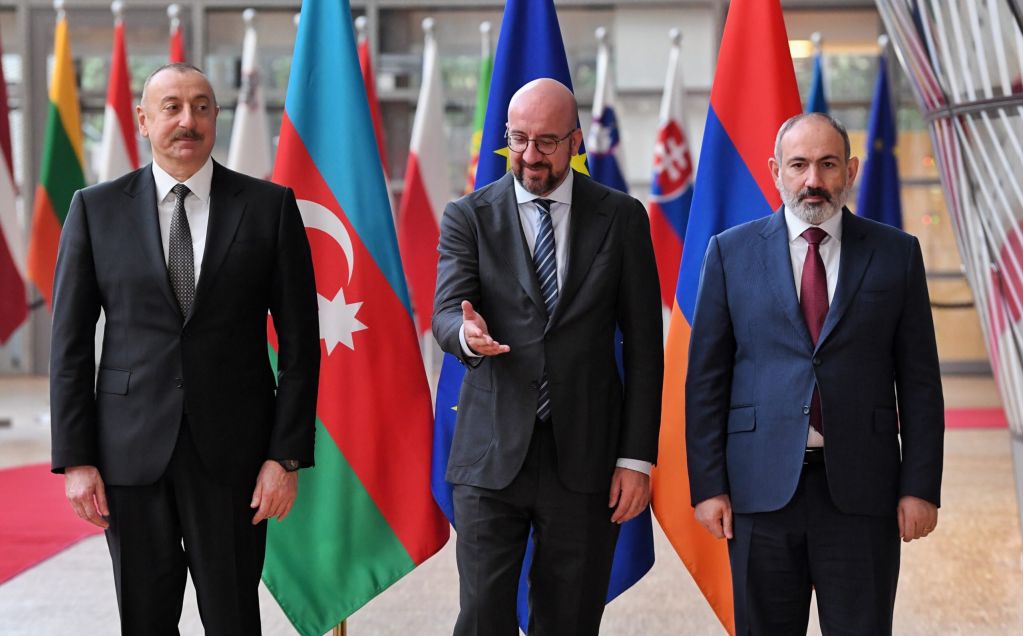
On August 31, President Ilham Aliyev of Azerbaijan and Prime Minister Nikol Pashinyan of Armenia met for the sixth time since the end of the Second Karabakh War.
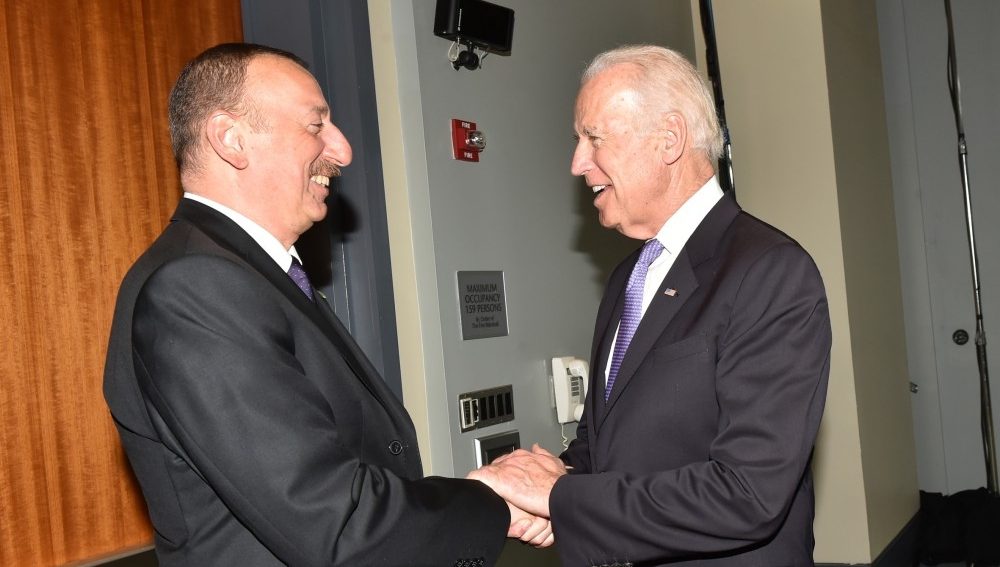
The late American statesmen Zbigniew Brzezinski once described Azerbaijan as “the cork in the bottle containing the riches of the Caspian Sea Basin and Central Asia.”
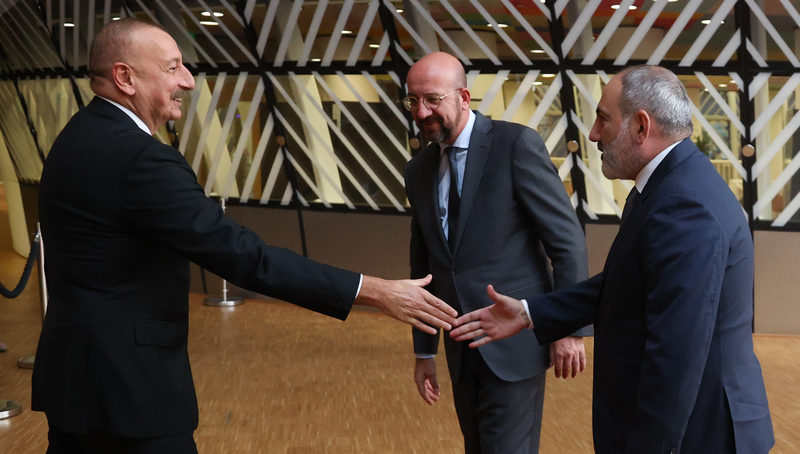
The meeting of President of Azerbaijan Ilham Aliyev, Prime Minister of Armenia Nikol Pashinyan and President of the European Council Charles Michel in Brussels will remain the focus of attention of regional, and not only regional, experts for a long time to come.
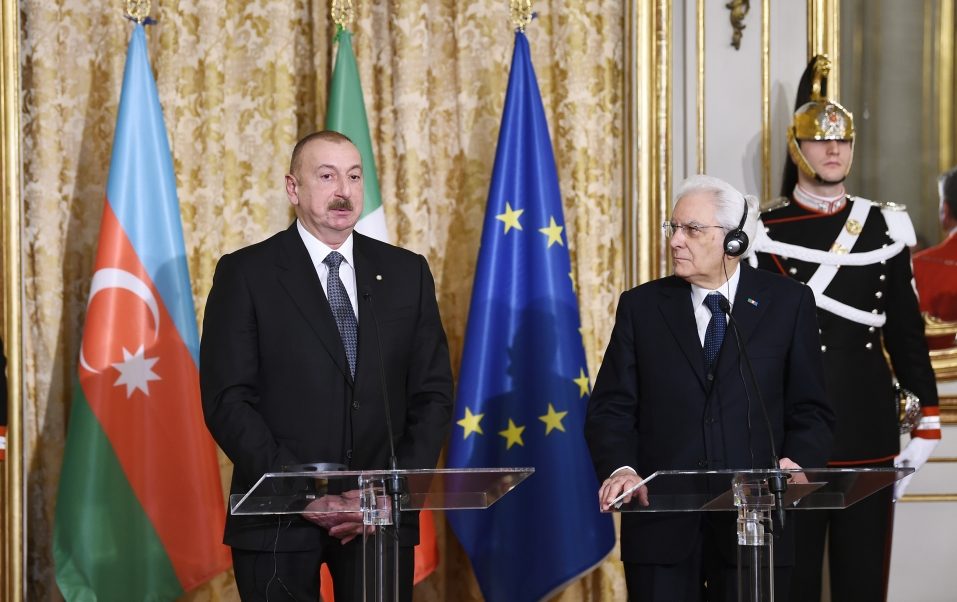
President of Azerbaijan Ilham Aliyev departed for Italy on a working visit at the official invitation of President Sergio Mattarella. The two days’ visit is timed to coincide with the 30th anniversary of the establishment of diplomatic relations between Azerbaijan and Italy.
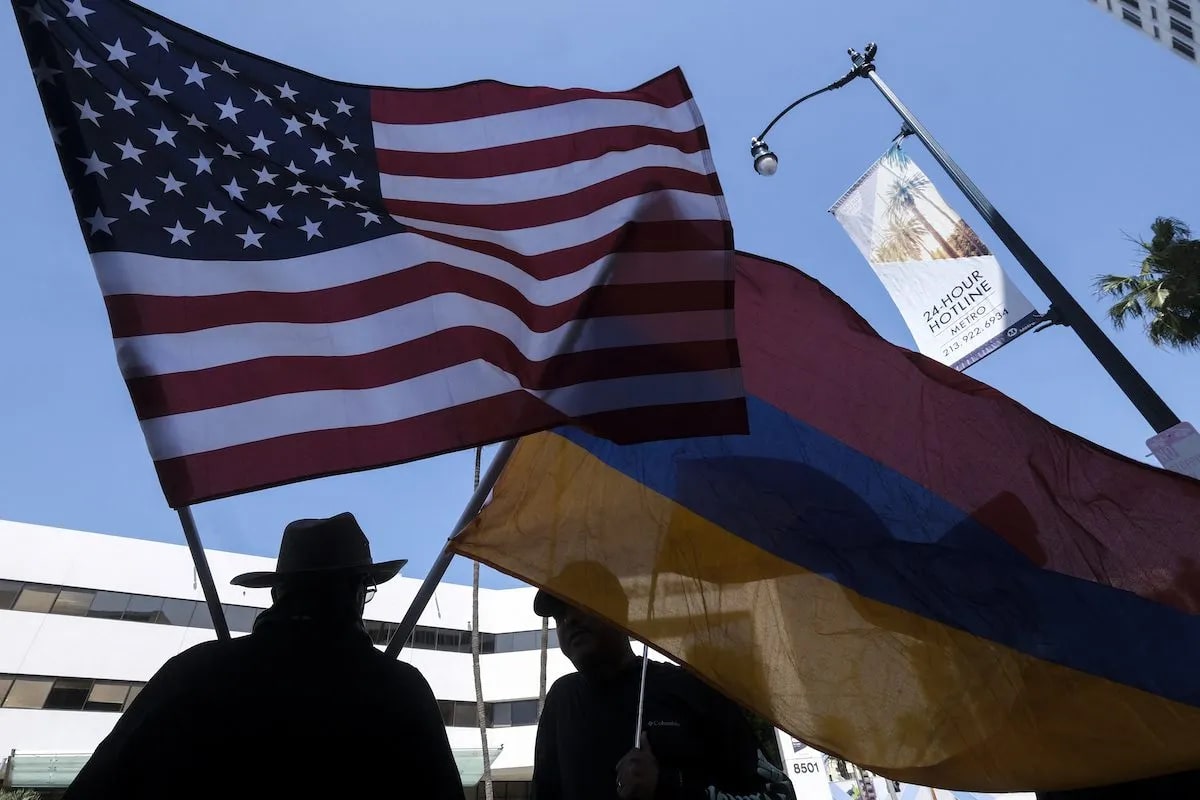
The US started its game in the South Caucasus region. Though this game is not advanced and far-sighted, Washington has highlighted key points clearly enough - you would have to be blind not to notice them.
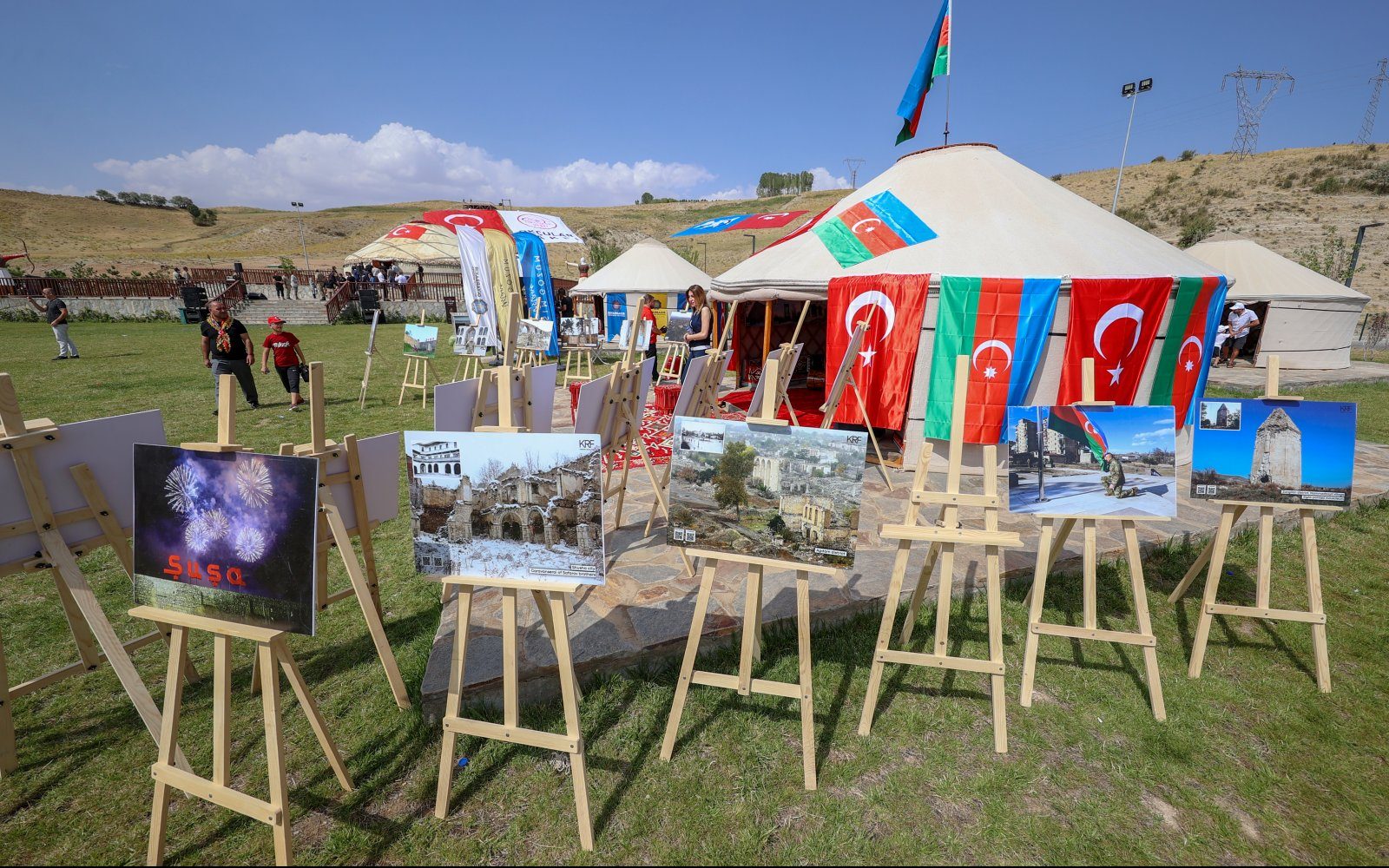
Despite the ongoing peace negotiations between the parties, the tension between Azerbaijan and Armenia reflects the fragility of the process.
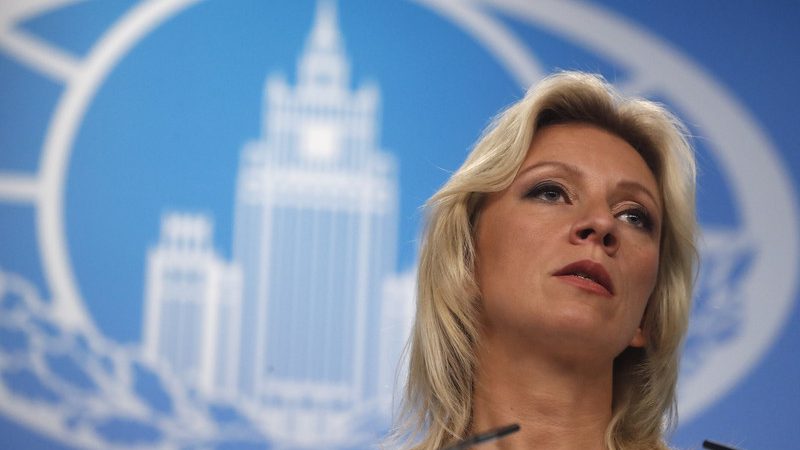
According to Zakharova, Russia acts as a mediator, and this work yields concrete results, which are appreciated both in Baku and Yerevan.
It seems that the high art of diplomacy in the United States, lacking new wise heads like Zbigniew Brzezinski and Henry Kissinger, is beginning to seriously sink and devalue. Otherwise, it is difficult to explain the actions of the Americans in relation to the key state in the South Caucasus region - Azerbaijan.
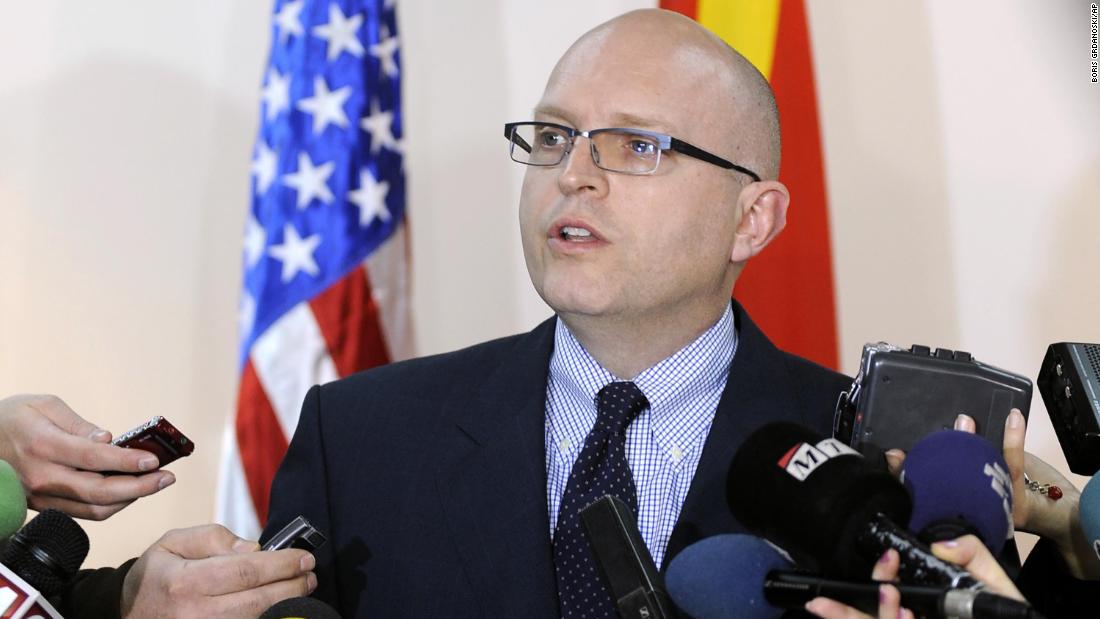
An international conference attended by foreign diplomats and military attachés was held in Shusha last Saturday to discuss the restoration of the liberated Azerbaijani territories. However, the US and French ambassadors did not attend the conference, for reasons unknown.
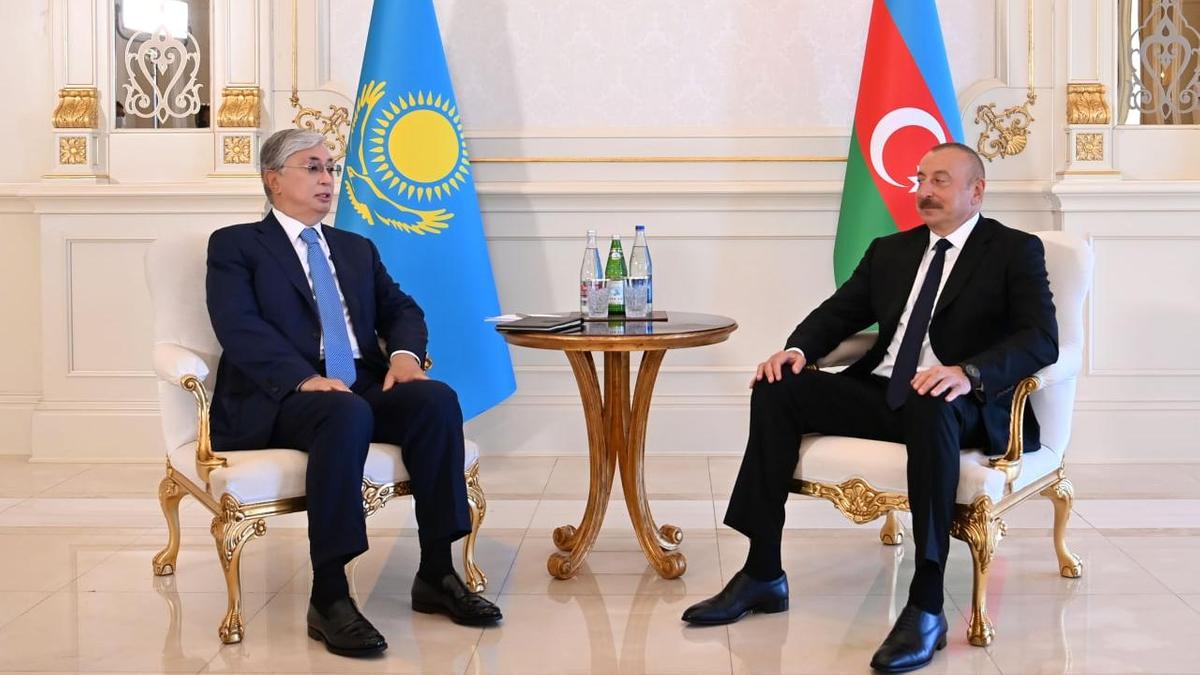
The first official visit of the President of Kazakhstan Kassym-Jomart Tokayev to Baku on the invitation of the President of Azerbaijan Ilham Aliyev has been a landmark event last week.
The closer the prospect of realization of the Zangazur corridor, advocated by Azerbaijan, Türkiye, and Russia, the more tension grows not only in Armenia but also in neighboring Iran, where they welcome the old-new logistics route in words, but in fact...
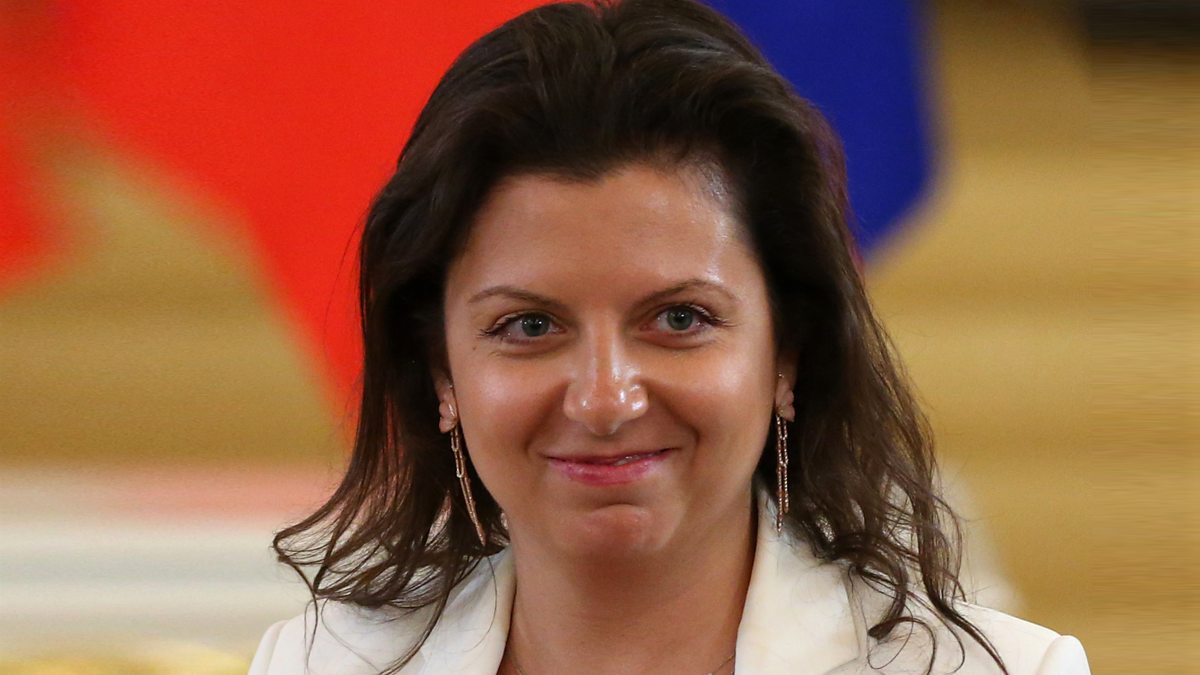
Simonyan – like many in the Russian elites – shows her inferiority complex towards the West when she complains about how Western leaders don’t understand Russia.