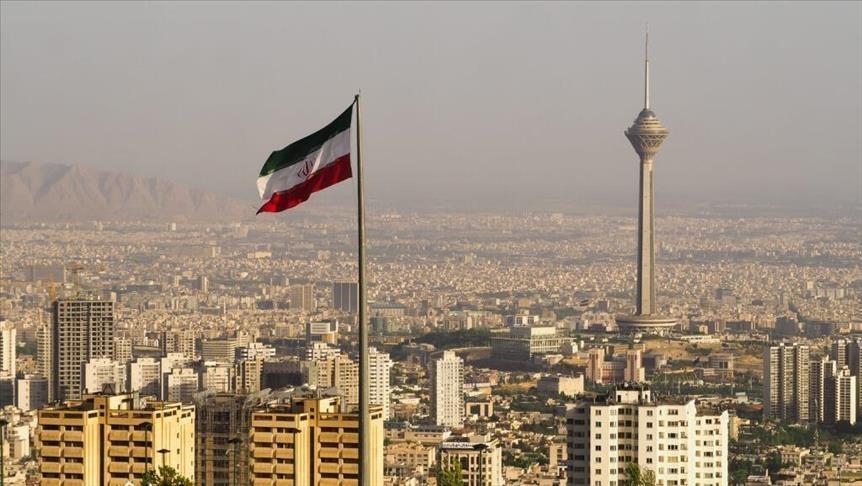
August is historically a hot month for Iran. Daytime temperature does not drop below 30 degrees Celsius, the merciless sun heats the earth and the high humidity aggravates the miserable situation.

August is historically a hot month for Iran. Daytime temperature does not drop below 30 degrees Celsius, the merciless sun heats the earth and the high humidity aggravates the miserable situation.
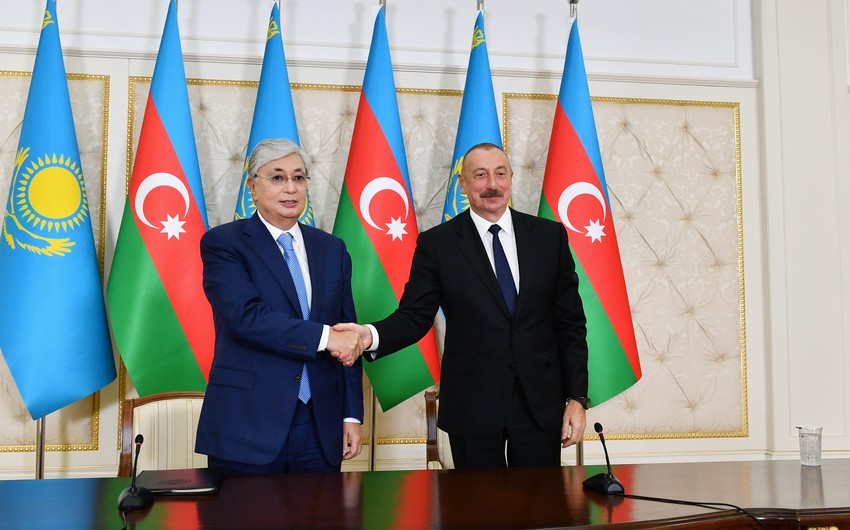
Aliyev and Tokayev spoke without an interpreter, neither in English nor in Russian, each in his own language. And yet they understood each other perfectly.
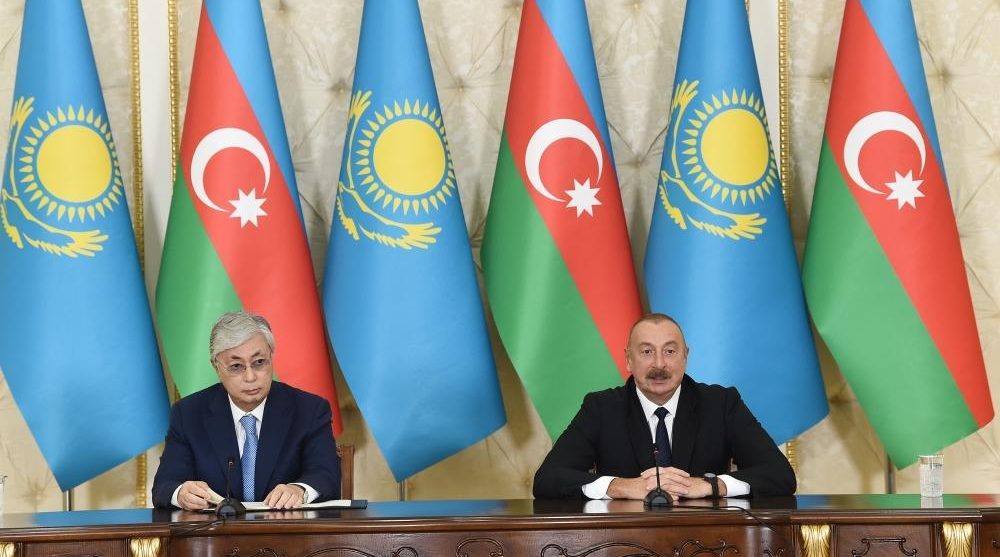
Despite the most difficult geopolitical changes in the post-Soviet space, the burden of imported inflation, the food crisis, and other negative aspects of the post-pandemic era, Caspian neighbors Azerbaijan and Kazakhstan were able to maintain the dynamics of development.
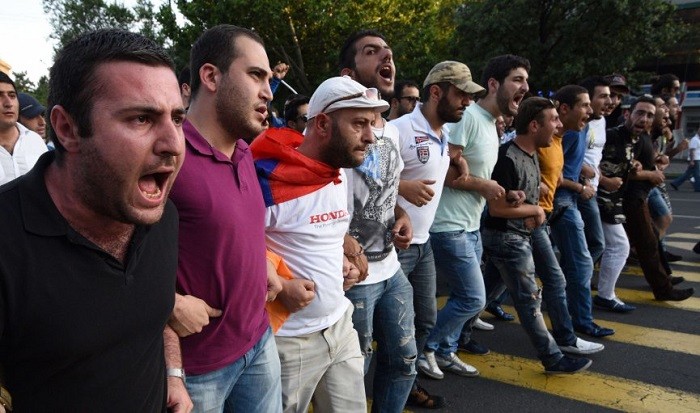
“Before the 44-day war in Karabakh, I could say with confidence that the Armenian people are a people loving their homeland and capable of sacrificing even the most precious thing—their
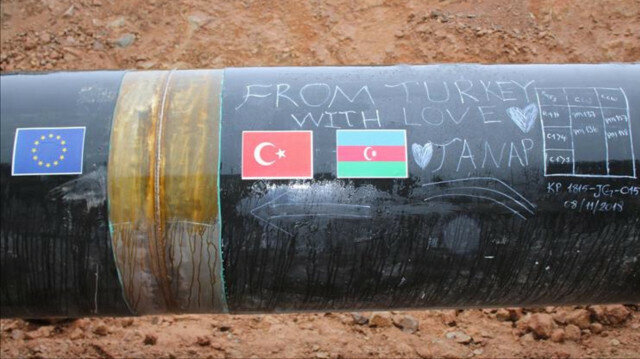
Türkiye and Azerbaijan have been given opportunity to grow their influence as alternatives to Russian gas as a result of Ukrainian war.
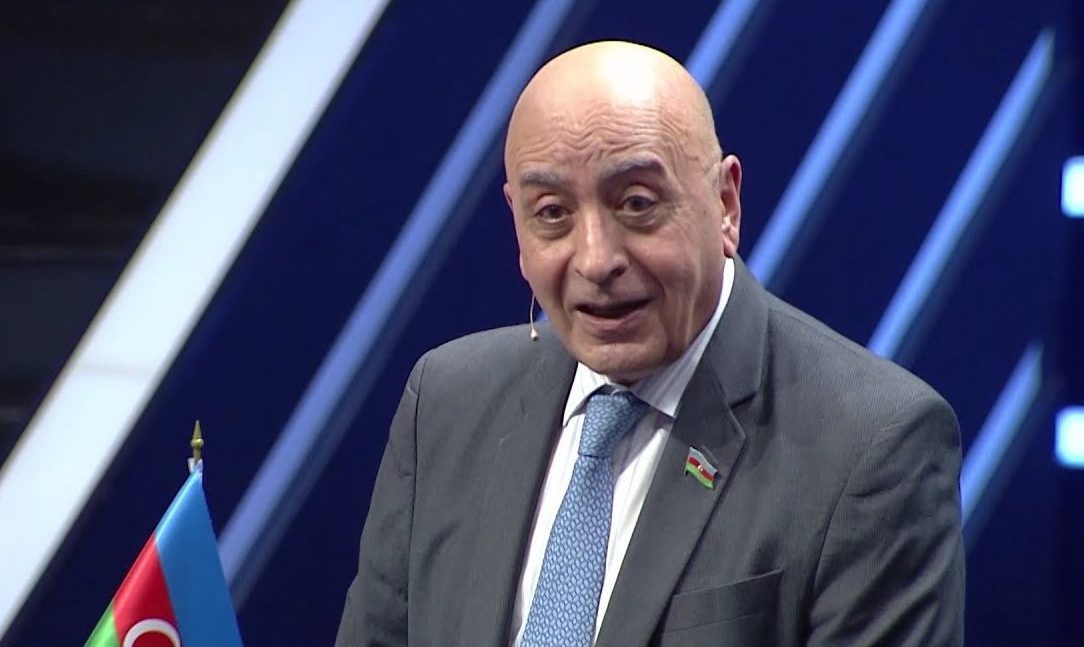
According to him, Yerevan proceeds from the assumption that since Baku has presented to the Armenians the relocation of the Lachin corridor as a fait accompli, they can do the same.
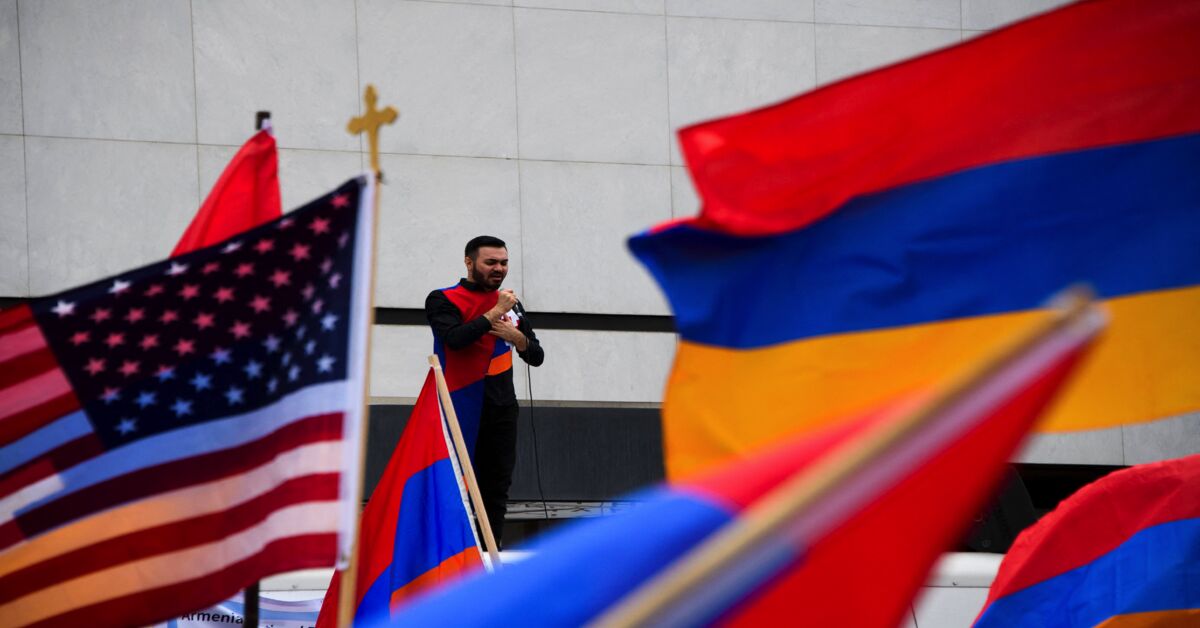
The aim of this report is therefore to demonstrate the misrepresentation inherent in the coverage of the Second Karabakh war and how exactly the concepts of Orientalism, Turkophobia, and Islamophobia influenced the way Western media narrated the war between Armenia and Azerbaijan in the fall of 2020.
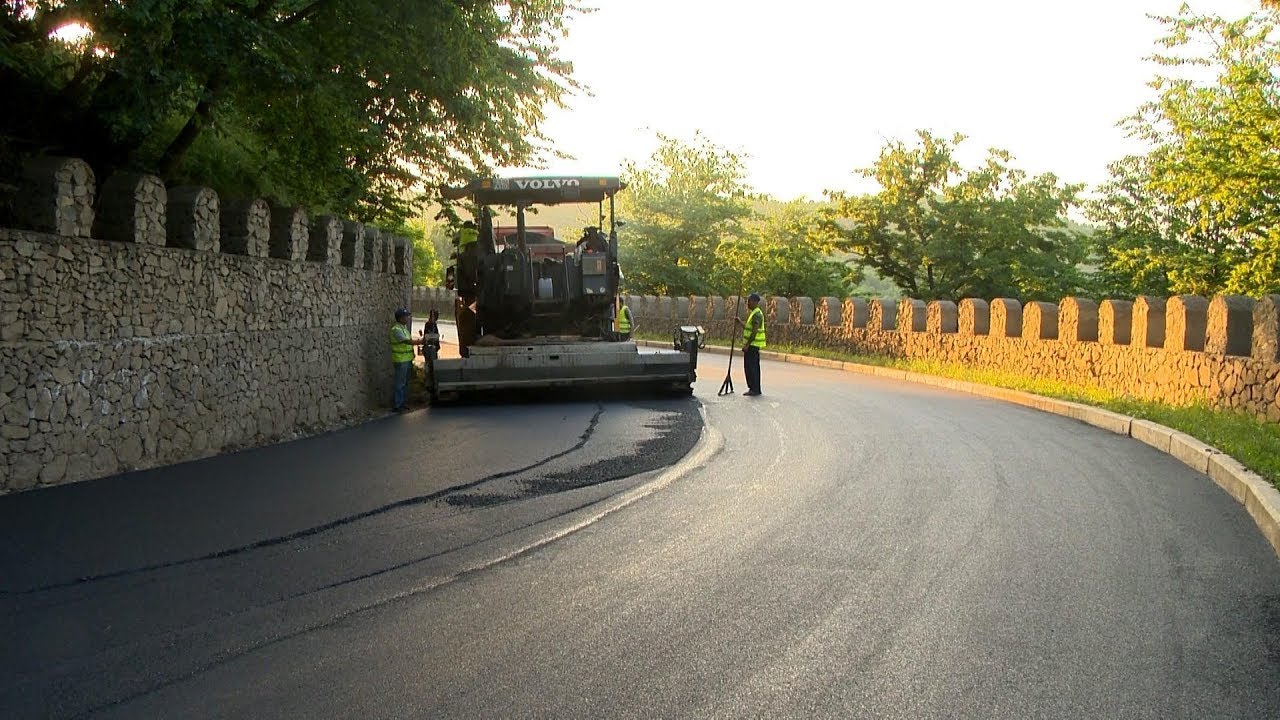
According to a number of media outlets, the logistics of the Zangazur corridor and its launch will likely become the main topic of the upcoming meeting among Azerbaijani President Ilham Aliyev, Russian President Vladimir Putin and Armenian Prime Minister Nikol Pashinyan.
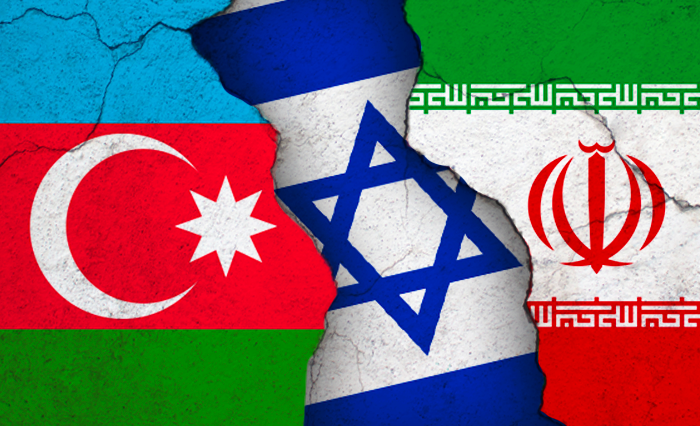
Our readers are aware of the position of Aze.Media platform: we support the strengthening of all-round ties with Israel, we stand for the secular course of development for Azerbaijan and express our absolute negative attitude towards Iran's fundamentalist influence and expansionist plans with regard to Azerbaijan.
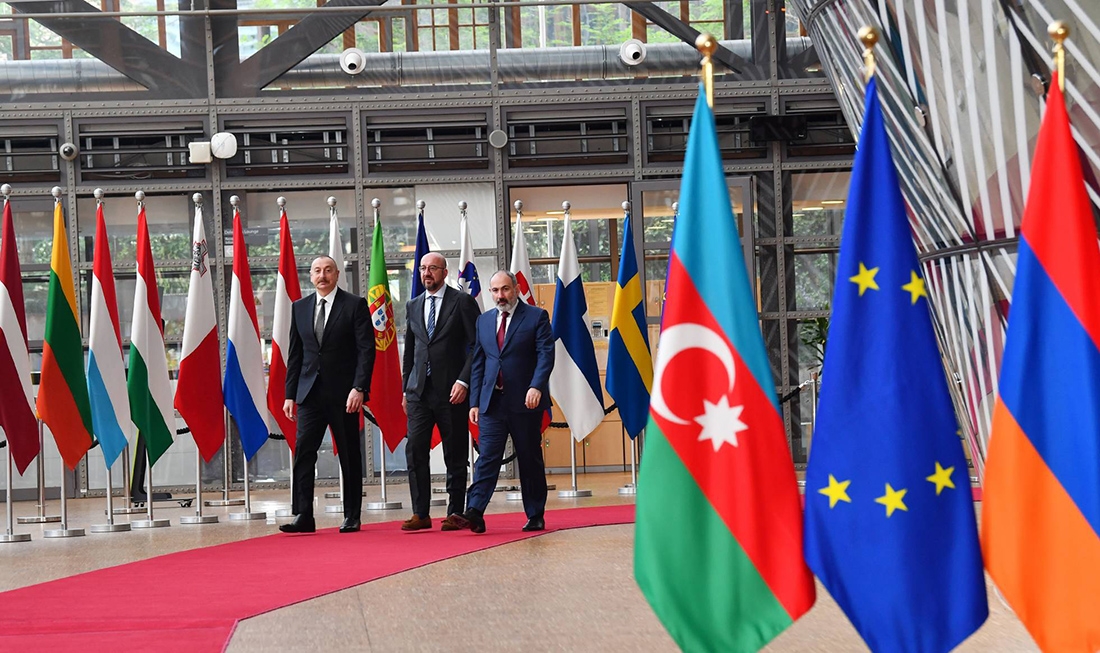
On August 19, Toivo Klaar, the European Union’s special representative for the South Caucasus, hosted a trilateral meeting with Hikmet Hajiyev, foreign policy advisor to President Ilham Aliyev of Azerbaijan, and Armen Grigoryan, Secretary of the Security Council of Armenia.

In recent weeks, Russian media and social media have been overflowing with apocalyptic prophesies of the hardships awaiting Europe and the United States, who had the nerve not only to impose economic sanctions on Russia, but also to help Ukraine survive the war.
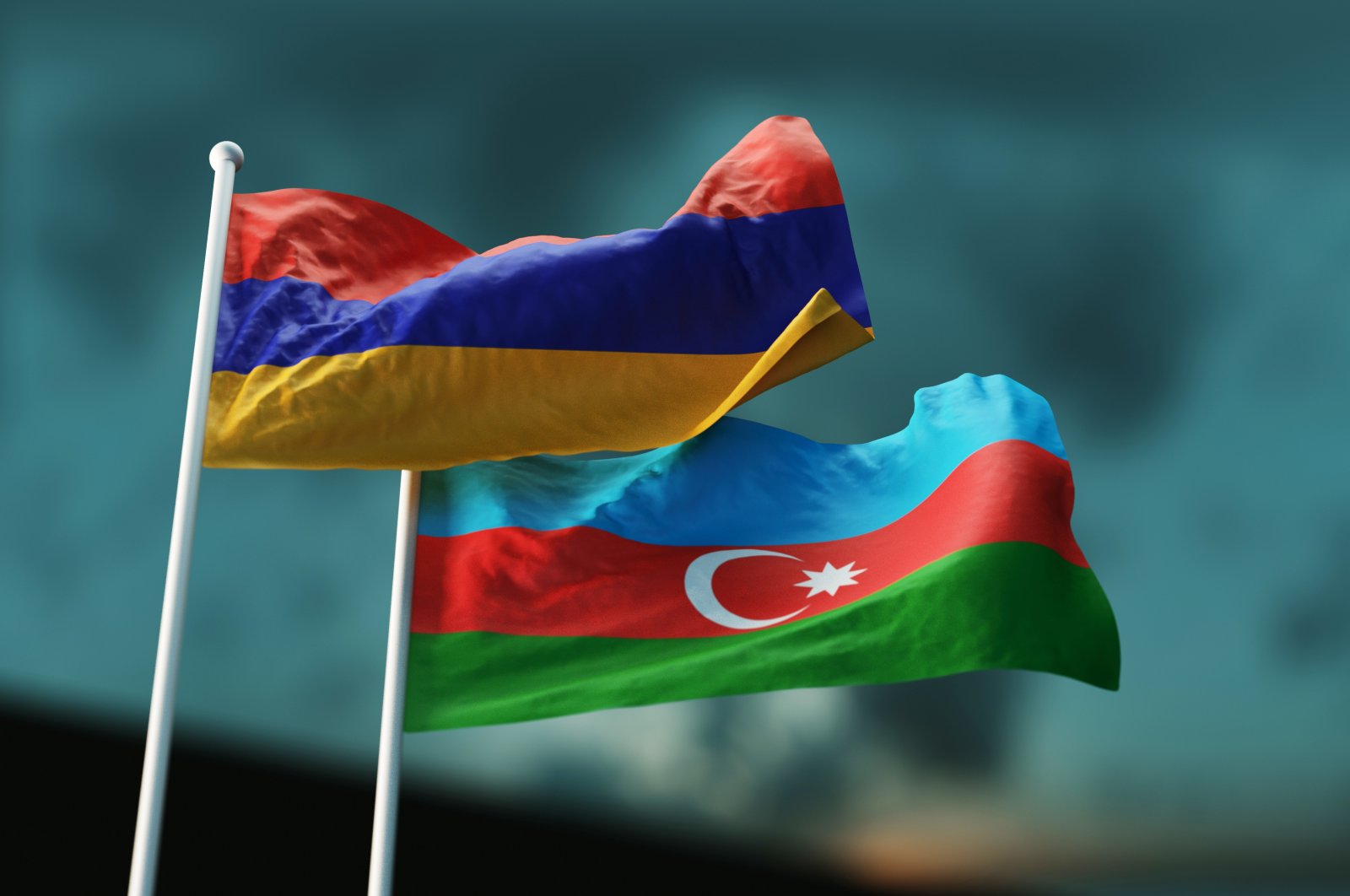
Although Azerbaijan has finally freed its territories after almost 30 years, the stability in the region is fragile and security risks still threaten permanent peace.
“A number of Armenian media outlets are now criticizing Russian weaponry, claiming that Yerevan lost the Second Karabakh War because of its poor quality.
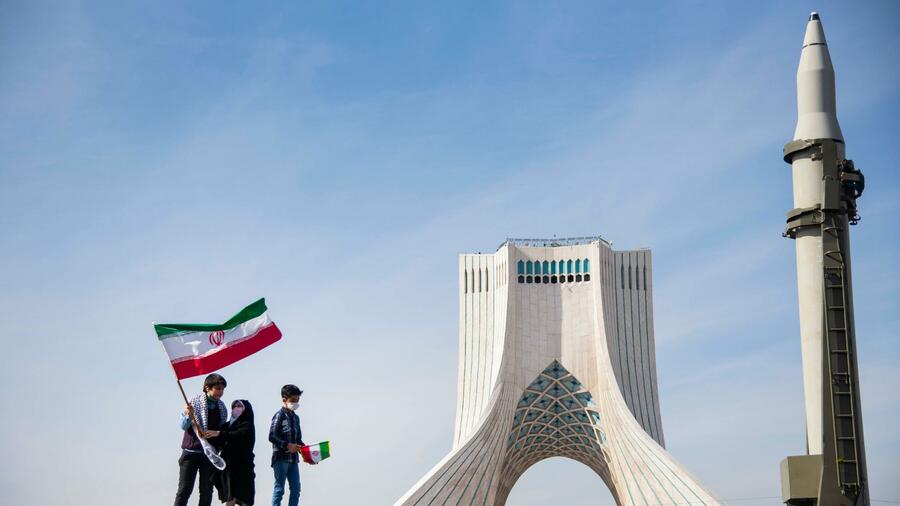
Much of the analysis on Iranian foreign policy focuses on both Iran’s positonality in relation to the Middle East, and its claim to the mantle of Shia Islamic leadership. However, a more detailed examination shows that Iran’s foreign policy is also focused toward its neighbors to the north in the Caucasus and Central Asia.
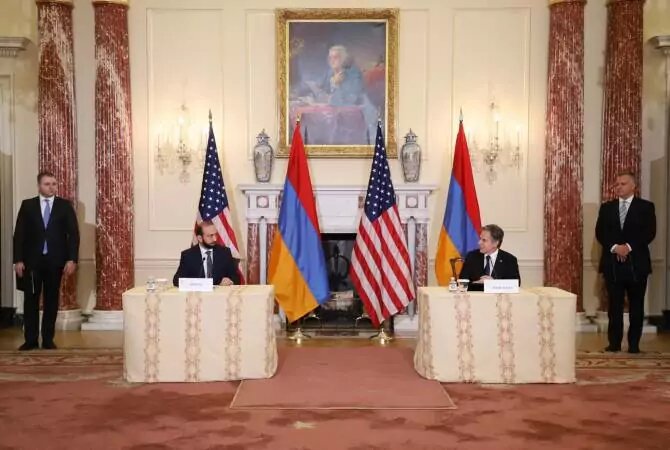
In the period between the announcement of Washington’s “reset” policy toward Russia following the Kremlin’s invasion of Georgia in 2008 and its re-invasion of Ukraine in February 2022, the United States’ engagement with the South Caucasus was limited.
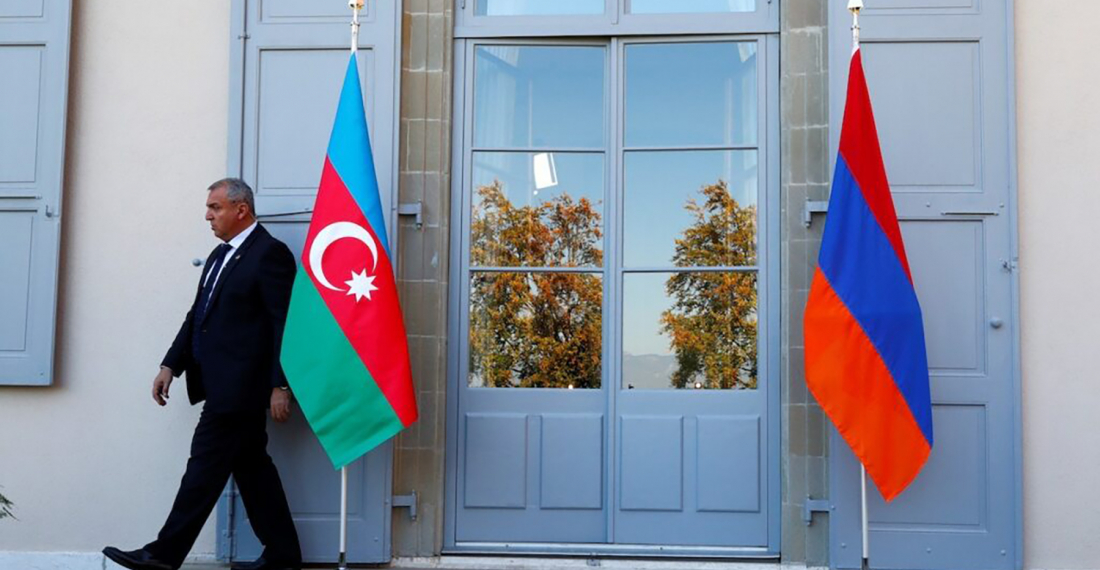
Both Azerbaijan and Armenia know the horrors of war at first-hand, not by hearsay. The 44-day Karabakh war brought back painful memories from the 1990s associated with the First Karabakh War and its devastating consequences.
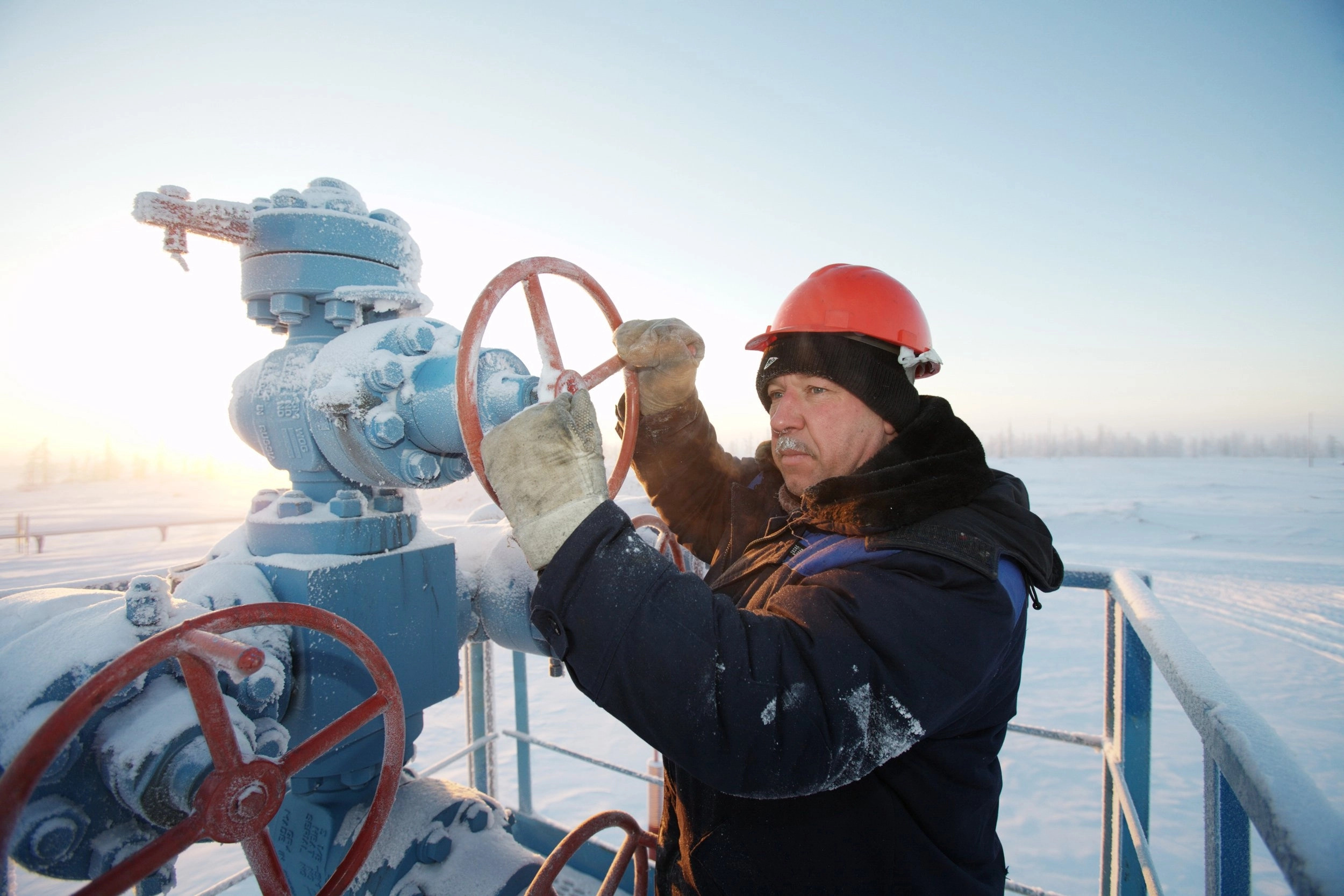
An energy watcher recalls how Europe’s fixation with market powers drove it into the arms of a Russian monopolist.
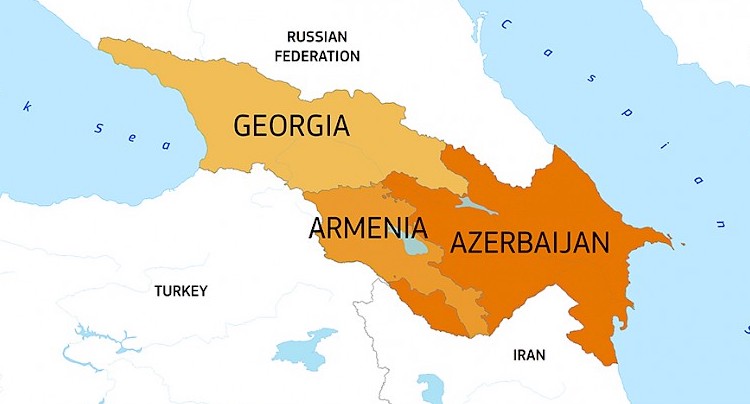
Azerbaijan is a major oil and natural gas supplier to the European Union, and there are many joint energy initiatives between the two sides.
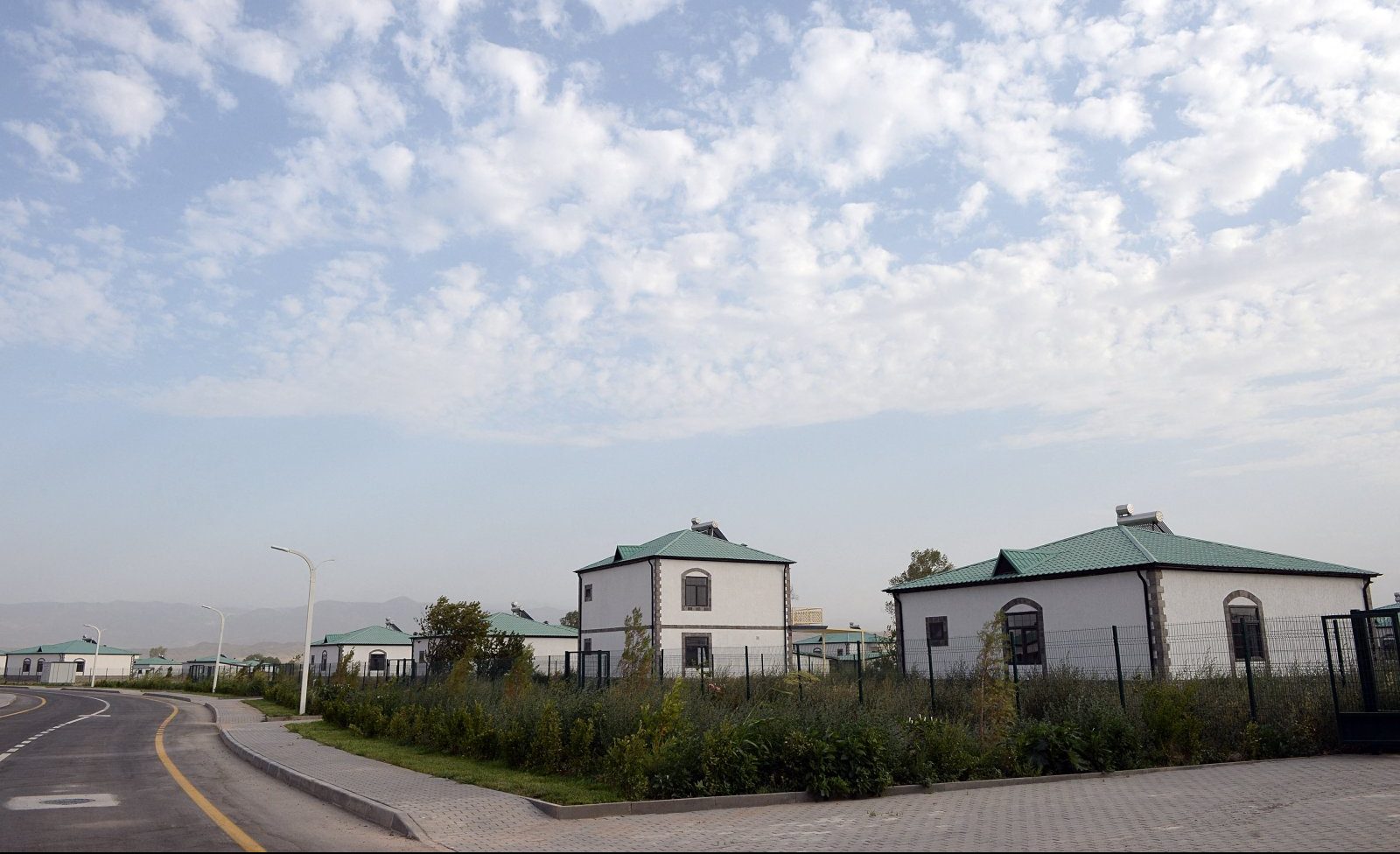
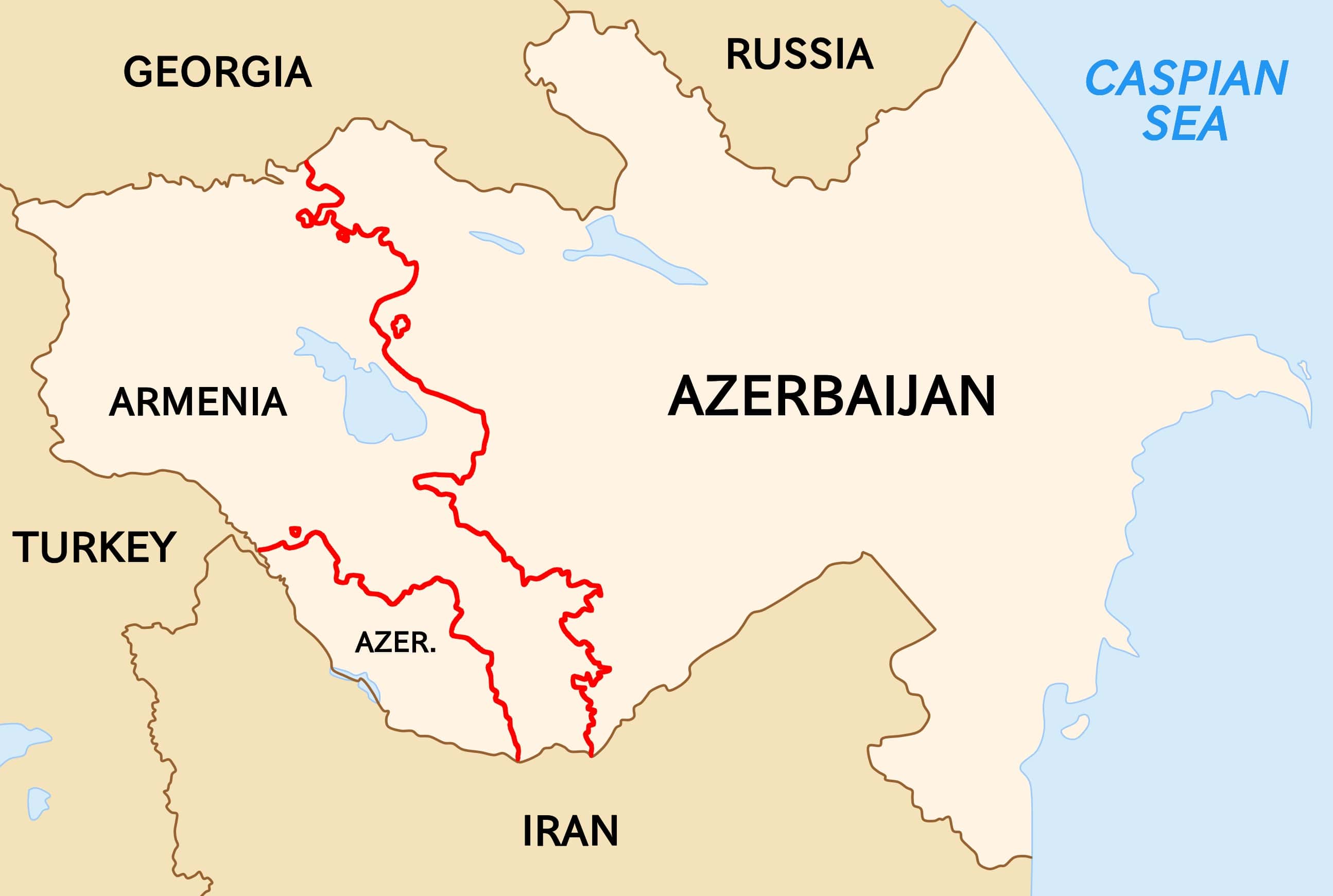
After the Armenian-Azerbaijan conflict, several meetings were held to start the delimitation and demarcation of their shared border; however, Armenia's preconditions continue to hinder the process.

Israel’s Ambassador to Azerbaijan George Deek on Tuesday urged the international community to take threats by the Iranian regime on Salman Rushdie “seriously,” weeks after the Christian Israeli-Arab diplomat received a death threat from a Tehran official.
Late autumn 1991. The USSR is bursting at the seams. Countries one after another declare their sovereignty. No one doubts that the Soviet Union is living out its last days.
What we have today is the announced date of the surrender of Lachin, the expected decision on the Zangezur corridor announced by President Ilham Aliyev and Azerbaijan's demand for the withdrawal of Armenian armed forces from Karabakh.
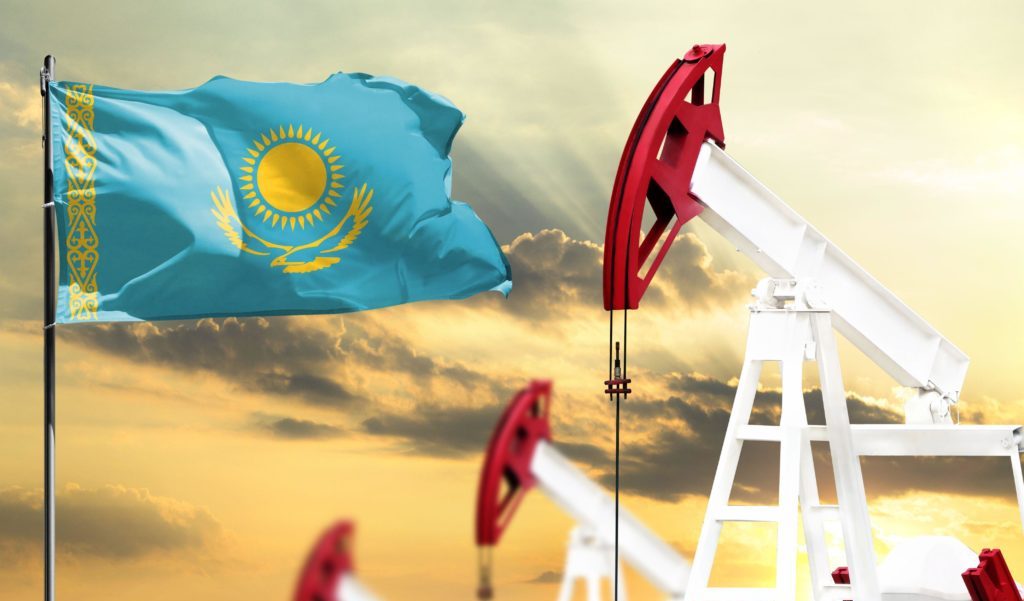
As the Ukraine conflict makes Black Sea shipments difficult, Kazakhstan looks at an alternative route to export its oil to Europe.
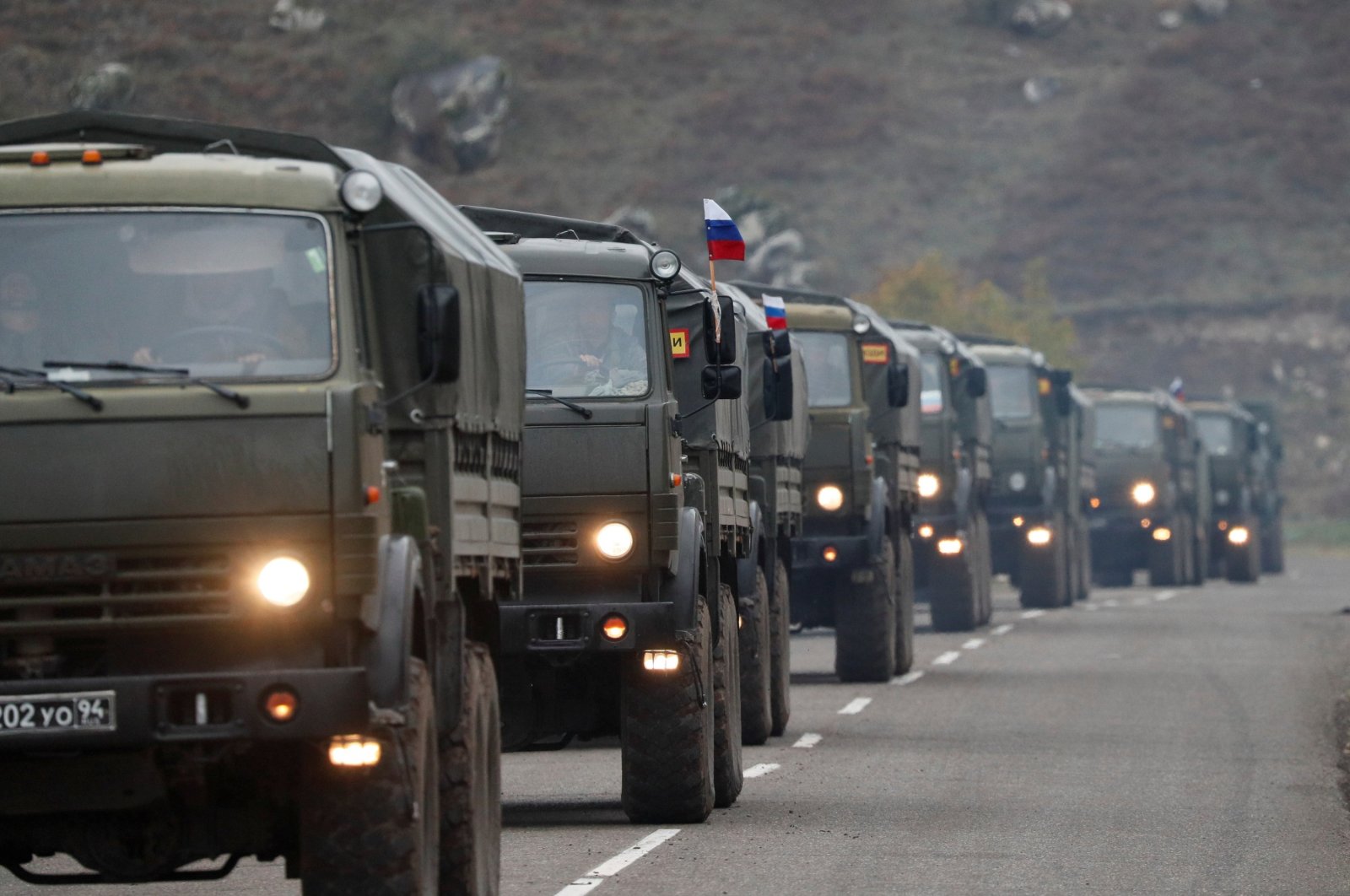
The normalization and regional cooperation processes among Türkiye, Azerbaijan and Armenia in the South Caucasus depend on the decisive steps to be taken by the administration in Yerevan, experts said amid the renewed tensions in the Karabakh region, underlining the lack of trust among regional actors.