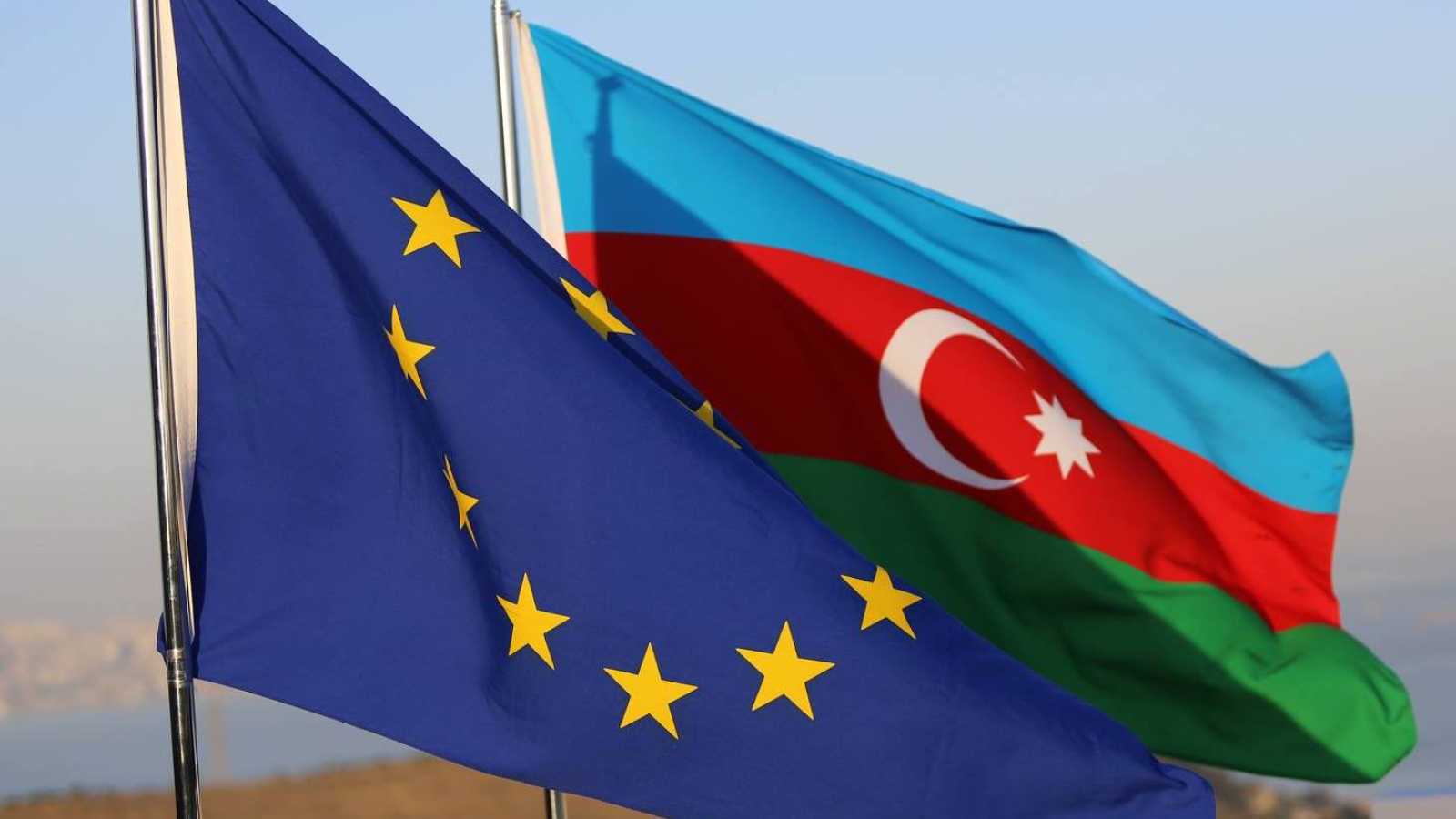
Overall, the European Union’s actions in the South Caucasus increasingly resemble an attempt to draw new dividing lines, driven by concerns over Azerbaijan’s growing political and economic influence.

Overall, the European Union’s actions in the South Caucasus increasingly resemble an attempt to draw new dividing lines, driven by concerns over Azerbaijan’s growing political and economic influence.
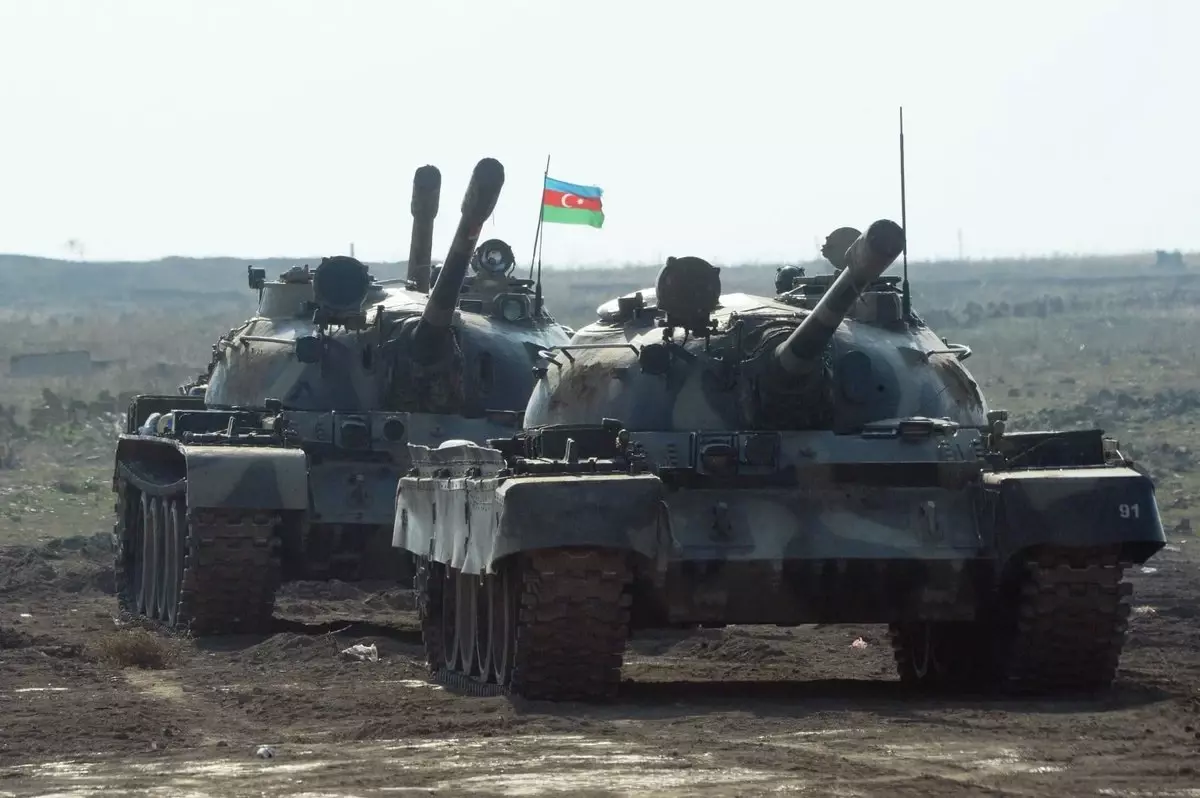
Amid rising security challenges in the South Caucasus, Azerbaijan’s cooperation with the North Atlantic Treaty Organization (NATO) has become a topic of heightened attention in military-political discussions.
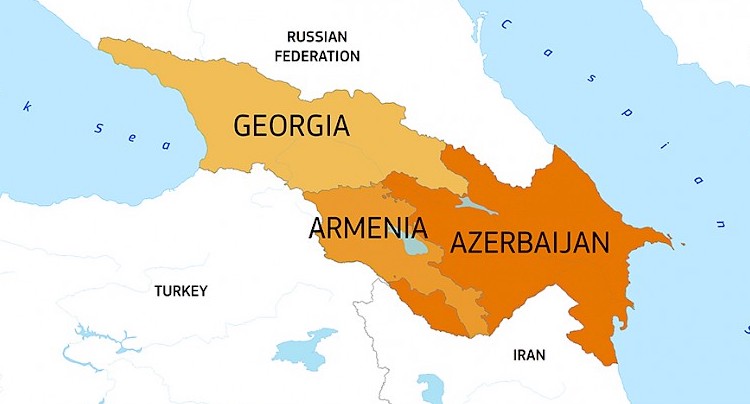
Amid rising security challenges in the South Caucasus, Azerbaijan’s cooperation with the North Atlantic Treaty Organization (NATO) has become a topic of heightened attention in military-political discussions.
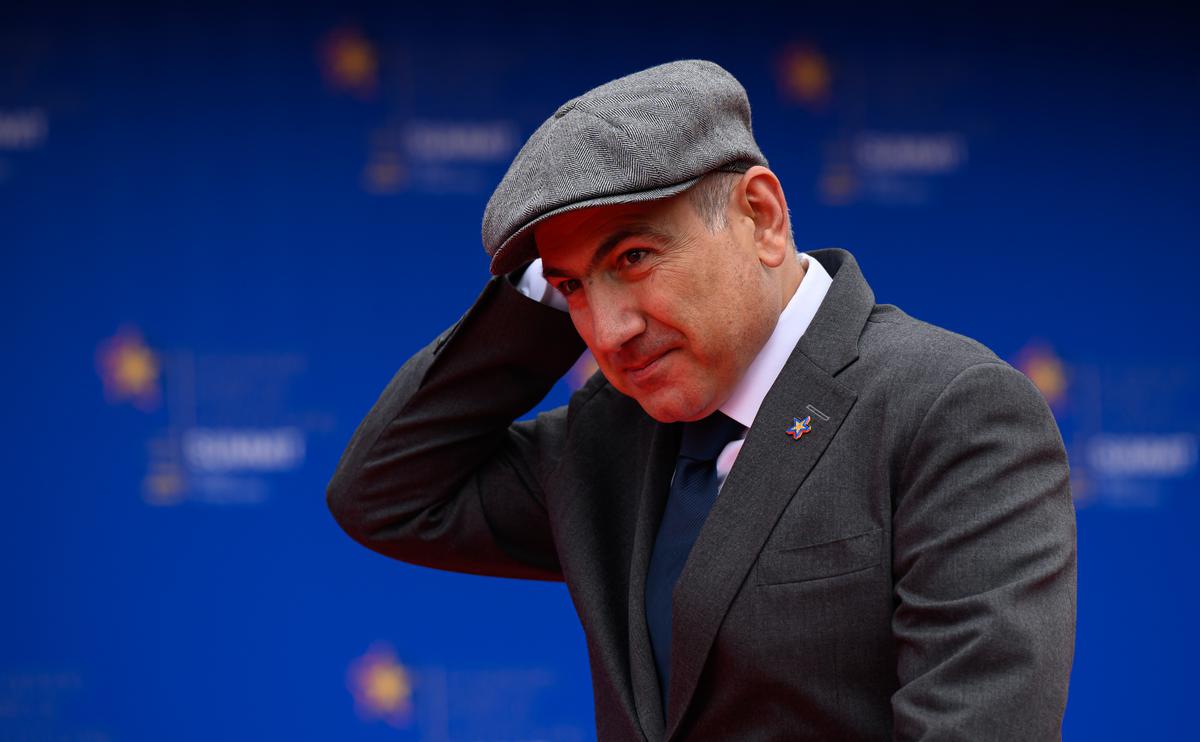
As Armenia’s parliamentary elections draw closer, tensions between the authorities and the Armenian Apostolic Church are becoming increasingly visible. A conflict that for a long time remained in the background of Armenian politics has now moved to the forefront and is being discussed publicly more and more often.
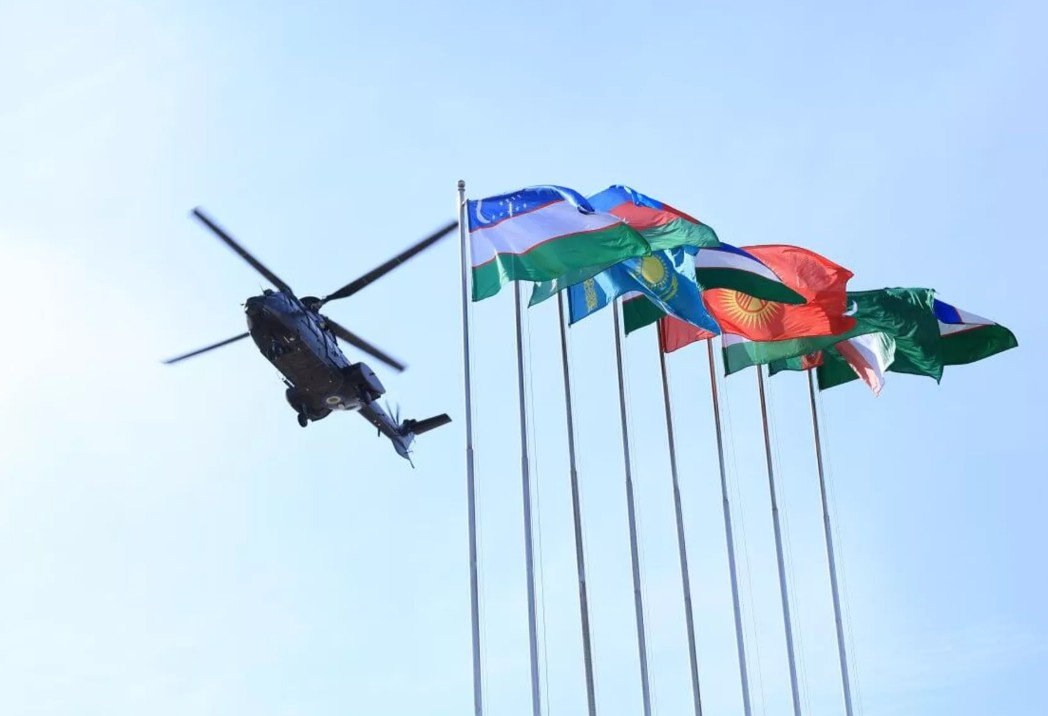
Baku and Tashkent are intensifying dialogue in the field of security—across multiple dimensions.
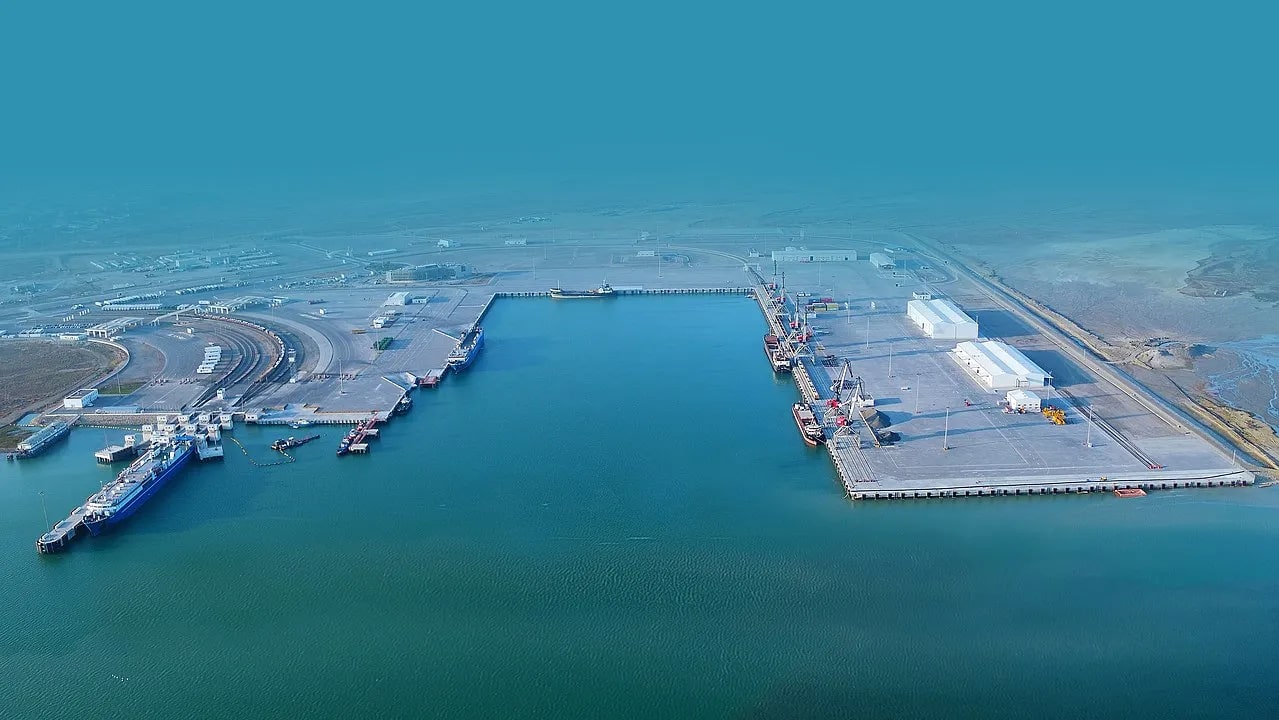
The Donald Trump administration’s recent slew of deals in Central Asia must be accompanied by the removal of congressional roadblocks to further regional cooperation.
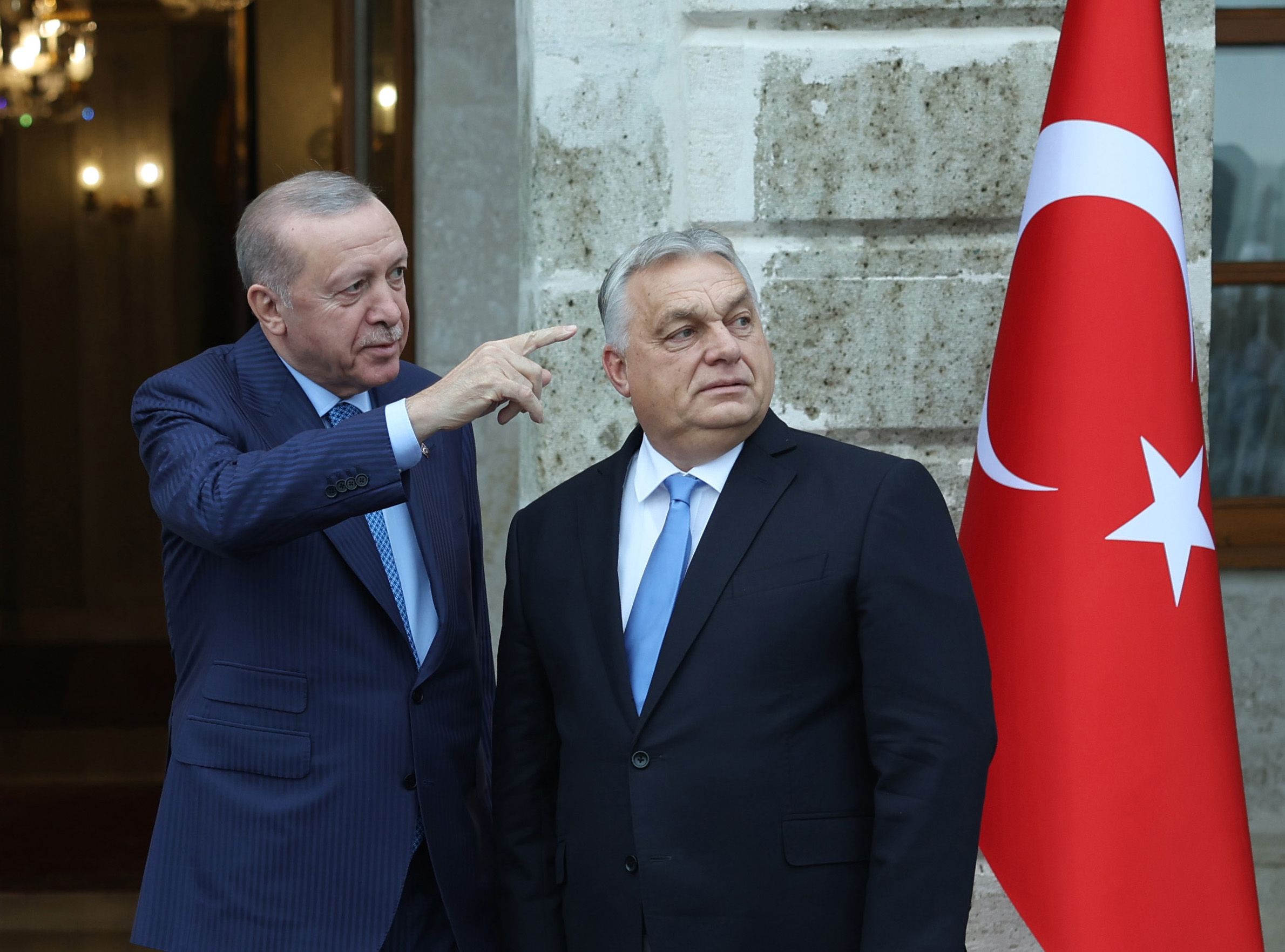
On December 8–9, Hungarian Prime Minister Viktor Orbán paid an official visit to Turkey that attracted attention far beyond the two countries, as the decisions taken went well beyond the bilateral agenda and have the potential to affect processes across Eastern and Central Europe.
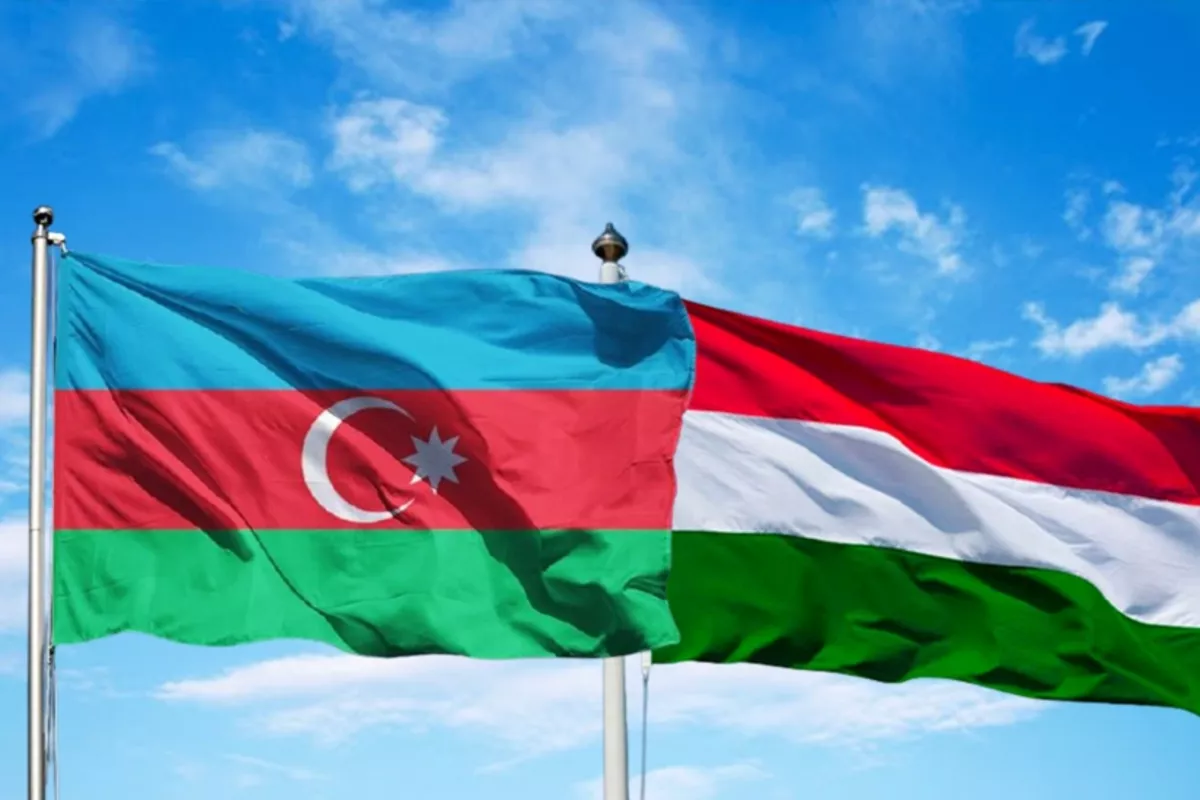
Azerbaijan and Hungary have long enjoyed a high level of mutual understanding, supported by steady political dialogue on key global issues. This strong foundation has helped foster business discourse, both bilaterally and in multilateral formats involving Central Asian states and Türkiye.
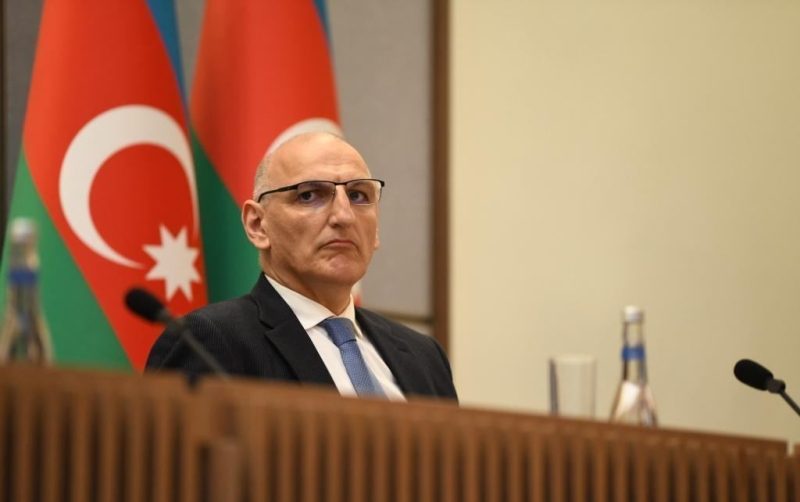
As Azerbaijan moves through the end of 2025, its diplomatic messaging reflects cautious optimism and a more confident engagement with Europe.
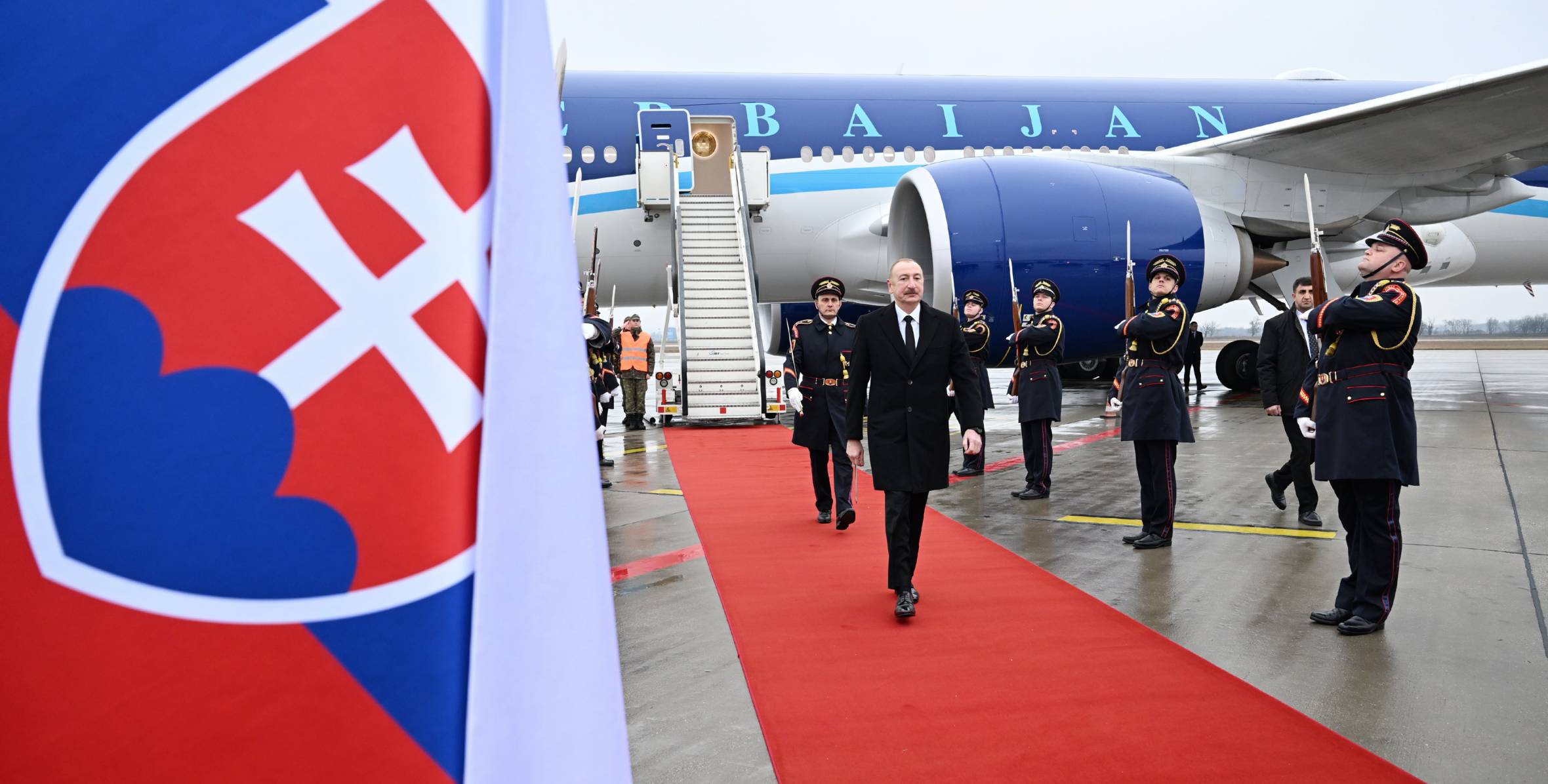
On 8–9 December, the President of Azerbaijan arrived in Slovakia for the first official visit in the history of bilateral relations. This fact alone vividly demonstrates the high level of trust between Baku and Bratislava, as well as the shared intention to give their cooperation a systemic and long-term character.
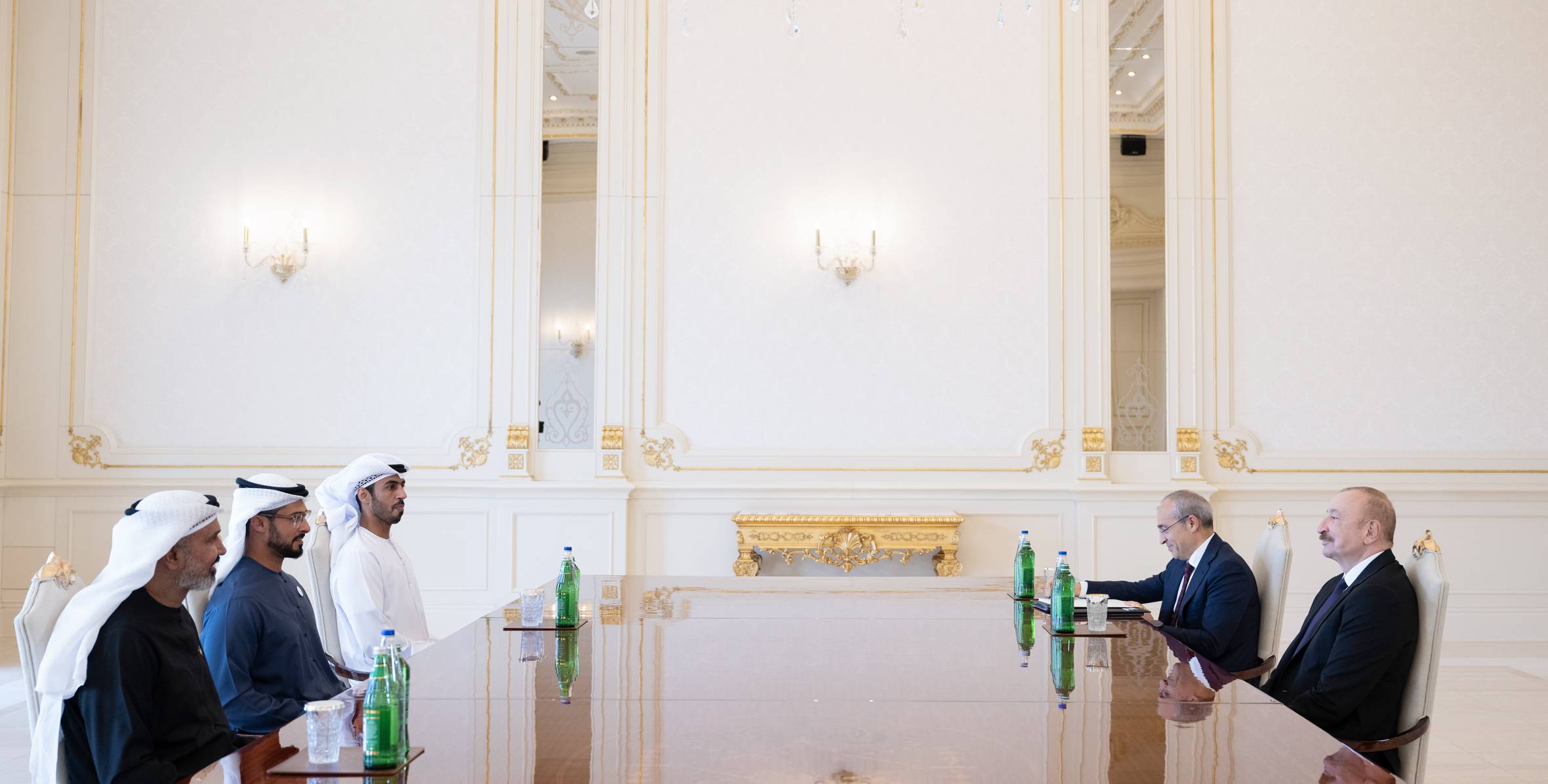
In recent months, relations between Azerbaijan and the United Arab Emirates have entered a phase of explosive activity — and this dynamic is anything but accidental.
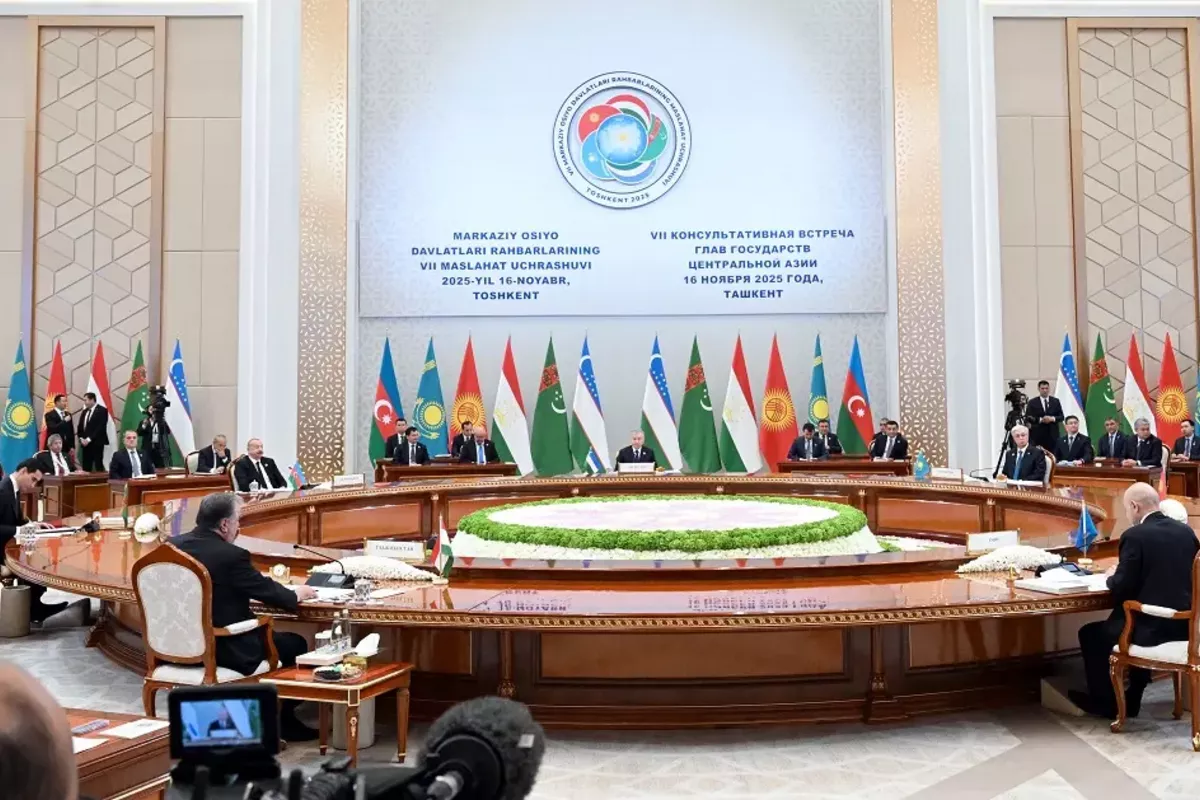
In recent years, Eurasia has undergone a structural transformation in how regions connect, trade, and cooperate. The combination of geopolitical shocks, disrupted supply chains, and the search for secure east–west routes has elevated the importance of the Trans-Caspian space.
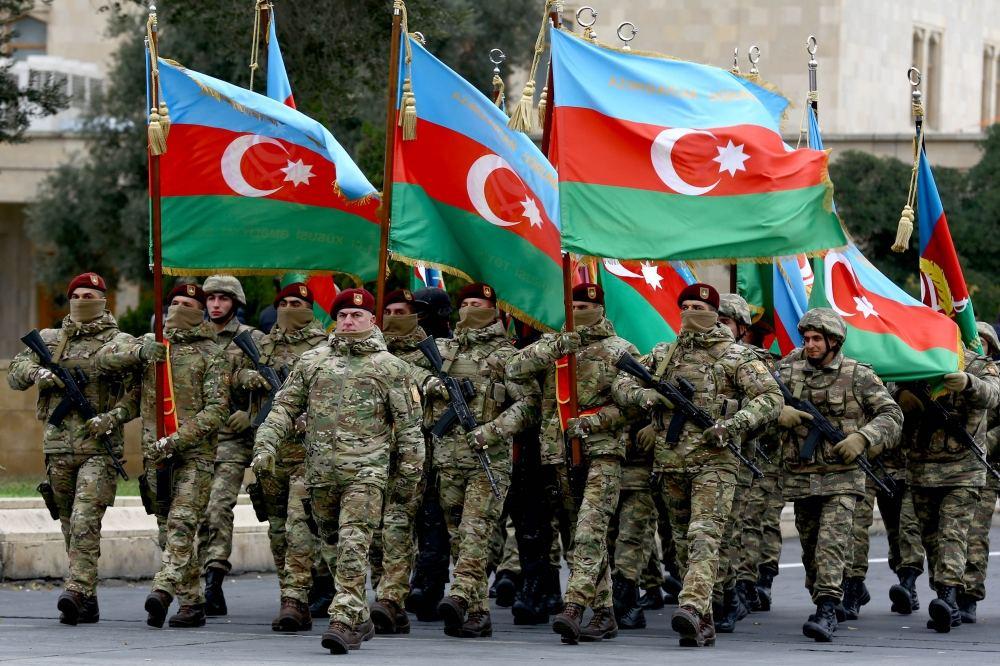
Azerbaijan, a leader member of the Non-Aligned Movement (NAM) and Organisation of Turkic States (OTC), is a relatively new addition to the small number of secular Islamic states in the world alongside Türkiye, Indonesia and Pakistan.
Until recently, Astana did not give much thought to this dependency. Relations with Moscow were relatively warm; Kazakhstan was a member of both the CSTO and the Eurasian Economic Union.
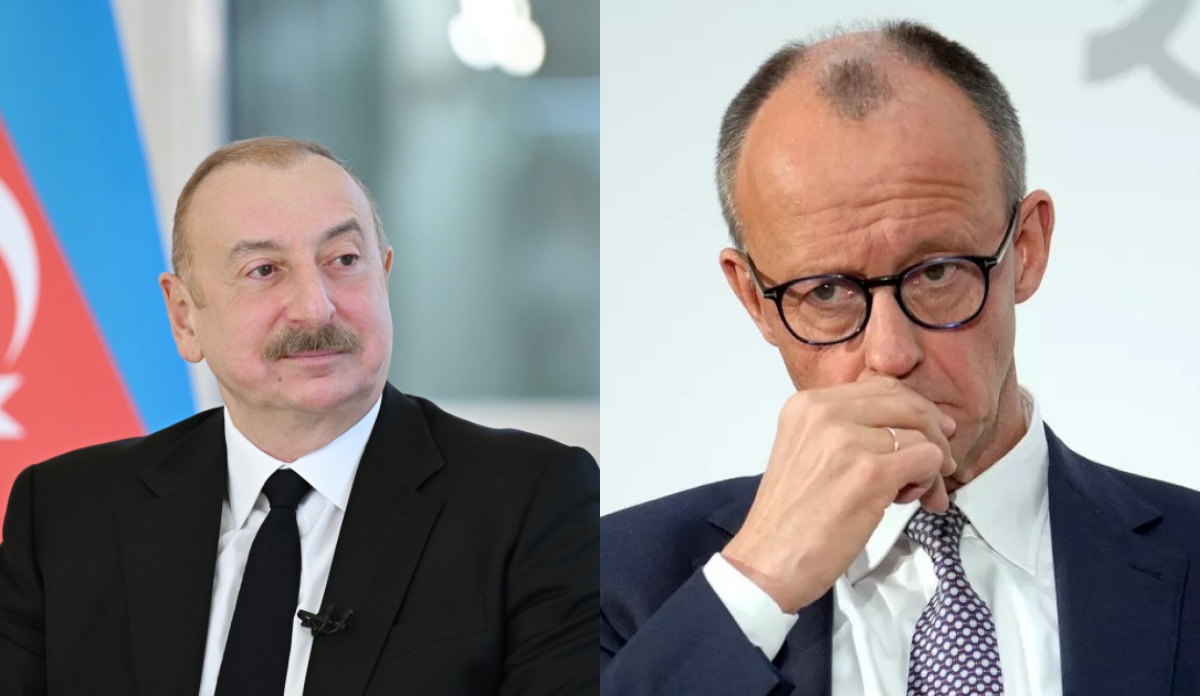
Amid the recent chain of events, one episode stands out — the sudden phone call from German Chancellor Friedrich Merz to Azerbaijani President Ilham Aliyev.
The corruption scandal in the European Union continues to dominate the attention of politicians and experts — unsurprisingly. After all, the investigation now targets Federica Mogherini, the former EU High Representative for Foreign Affairs and Security Policy, and Stefano Sannino, the former Secretary-General of the same service.
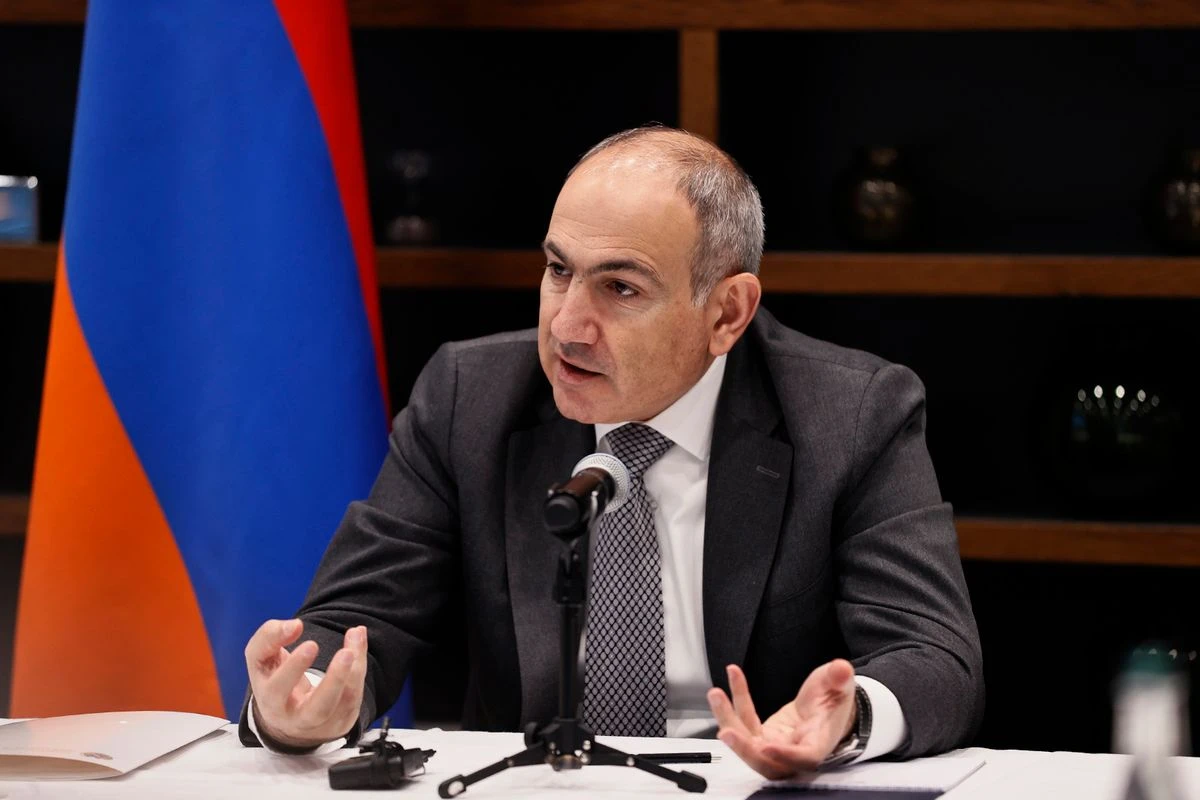
In recent days, virtually every significant move by Armenia’s leadership—both domestic and foreign—has been viewed through the lens of mounting pre-election dynamics. Preparations for next summer’s parliamentary elections have become the central factor shaping the government’s decisions.
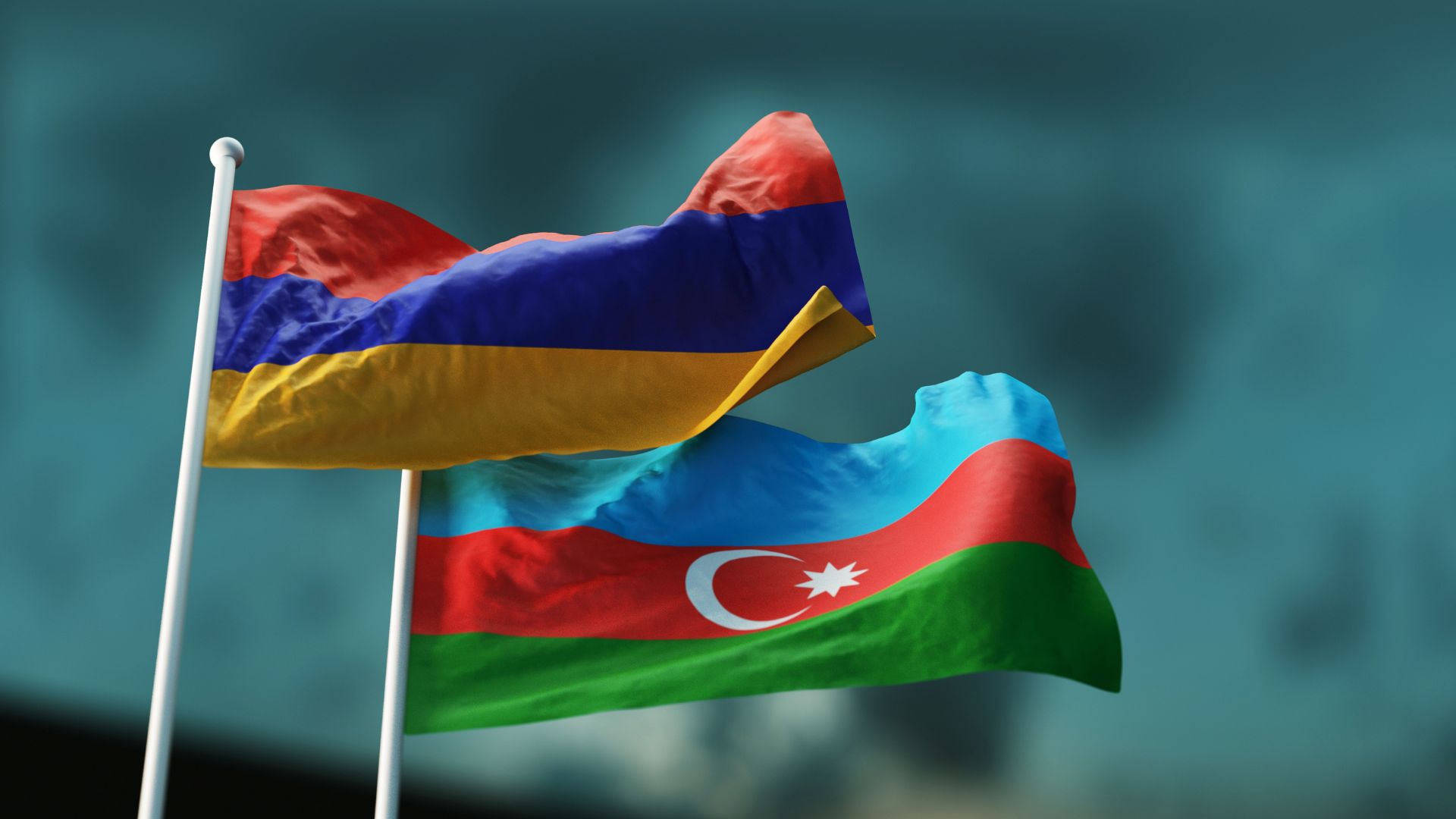
The negotiating documents on Karabakh released by the Armenian government have, as expected, drawn the attention of both Azerbaijani experts and the broader public.
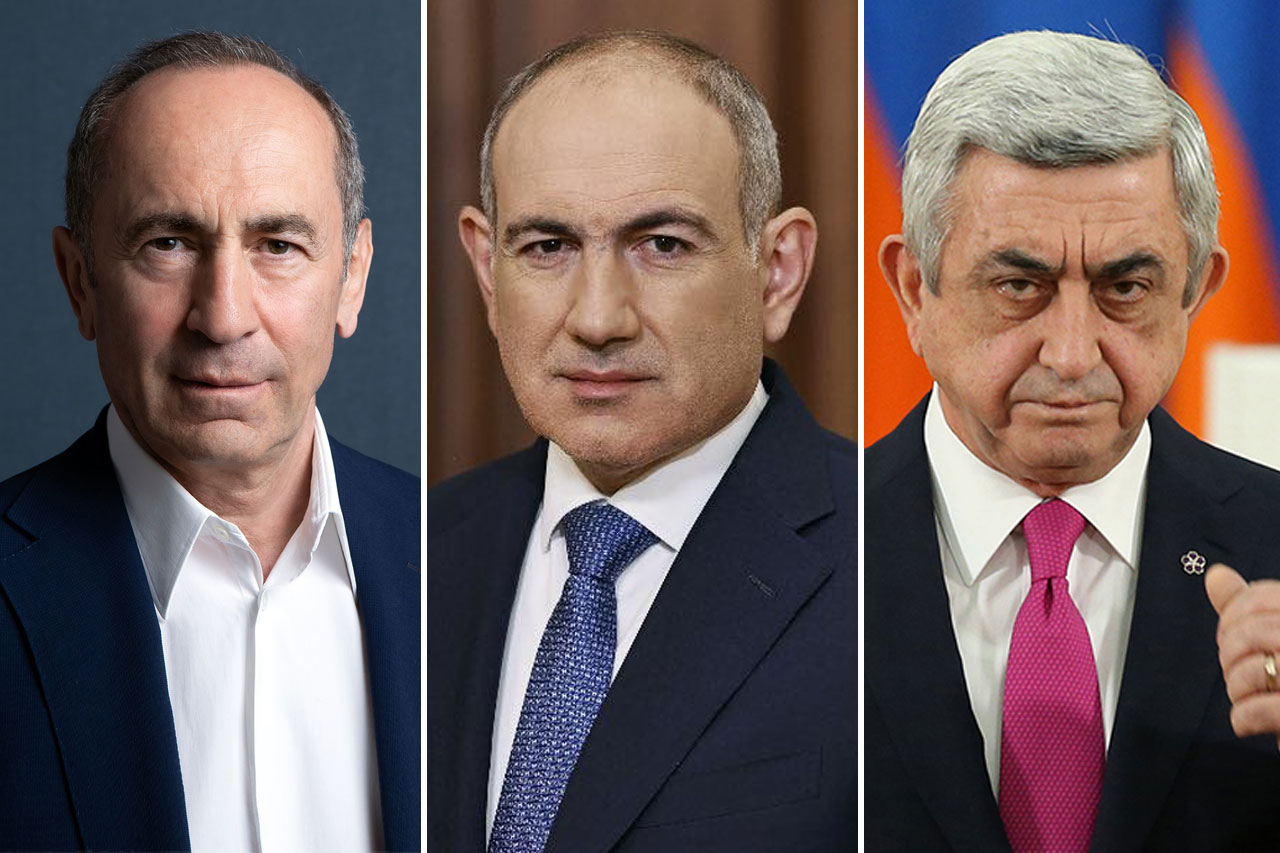
Karabakh remains Armenia’s dominant domestic political issue — a fact reaffirmed by the government’s recent publication of long-concealed negotiation documents on the conflict.
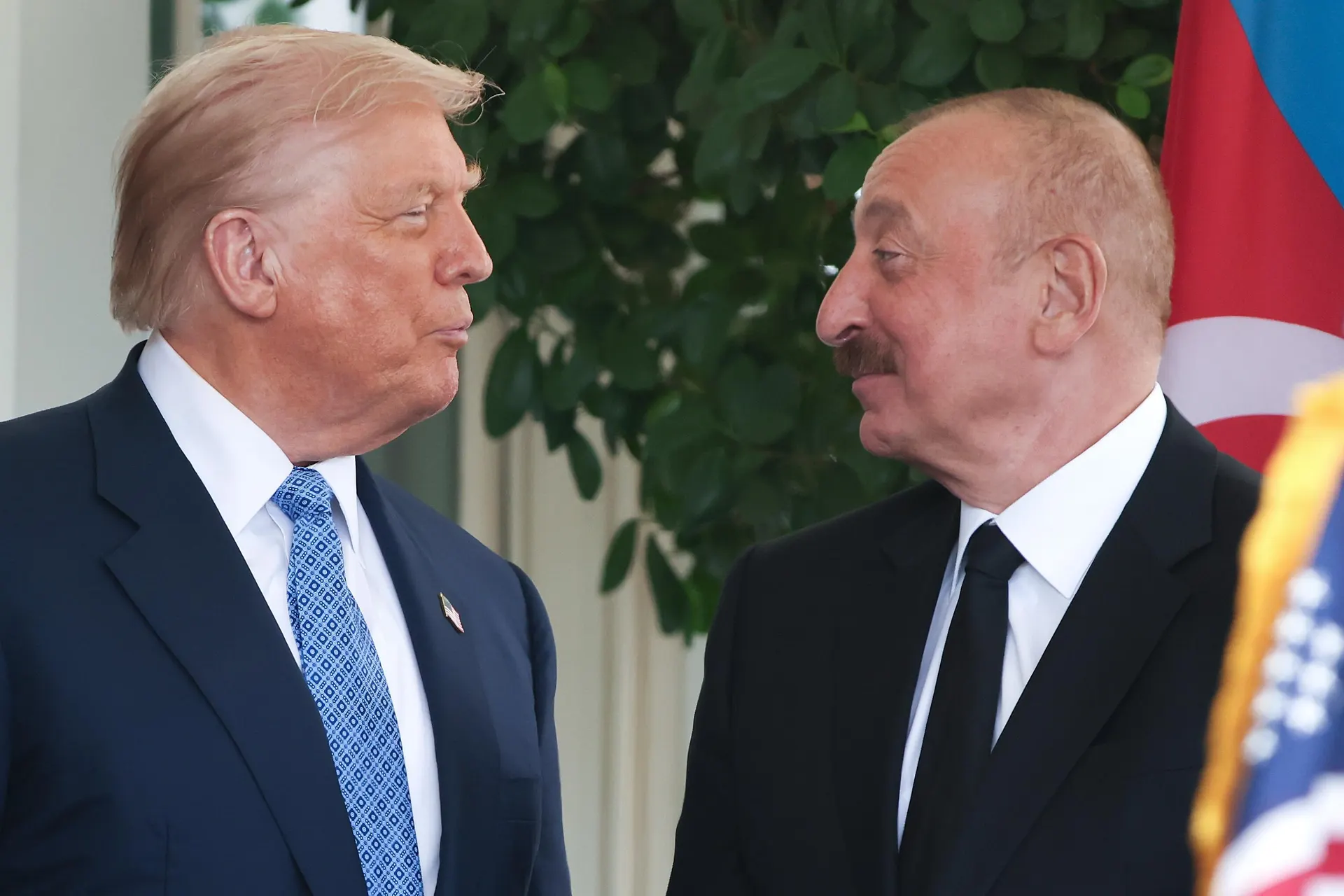
A rather strange appeal was recently published from by former US State Department Josh Paul and the Armenian National Committee of America signed by a long list of Palestinian and other organisations. The appeal did not praise peace coming to the Middle East, which has seen eight decades of conflict, but rather aggressively attacked Azerbaijan as unfit to be part of the planned 20,000-strong International Stabilization Force (ISF).
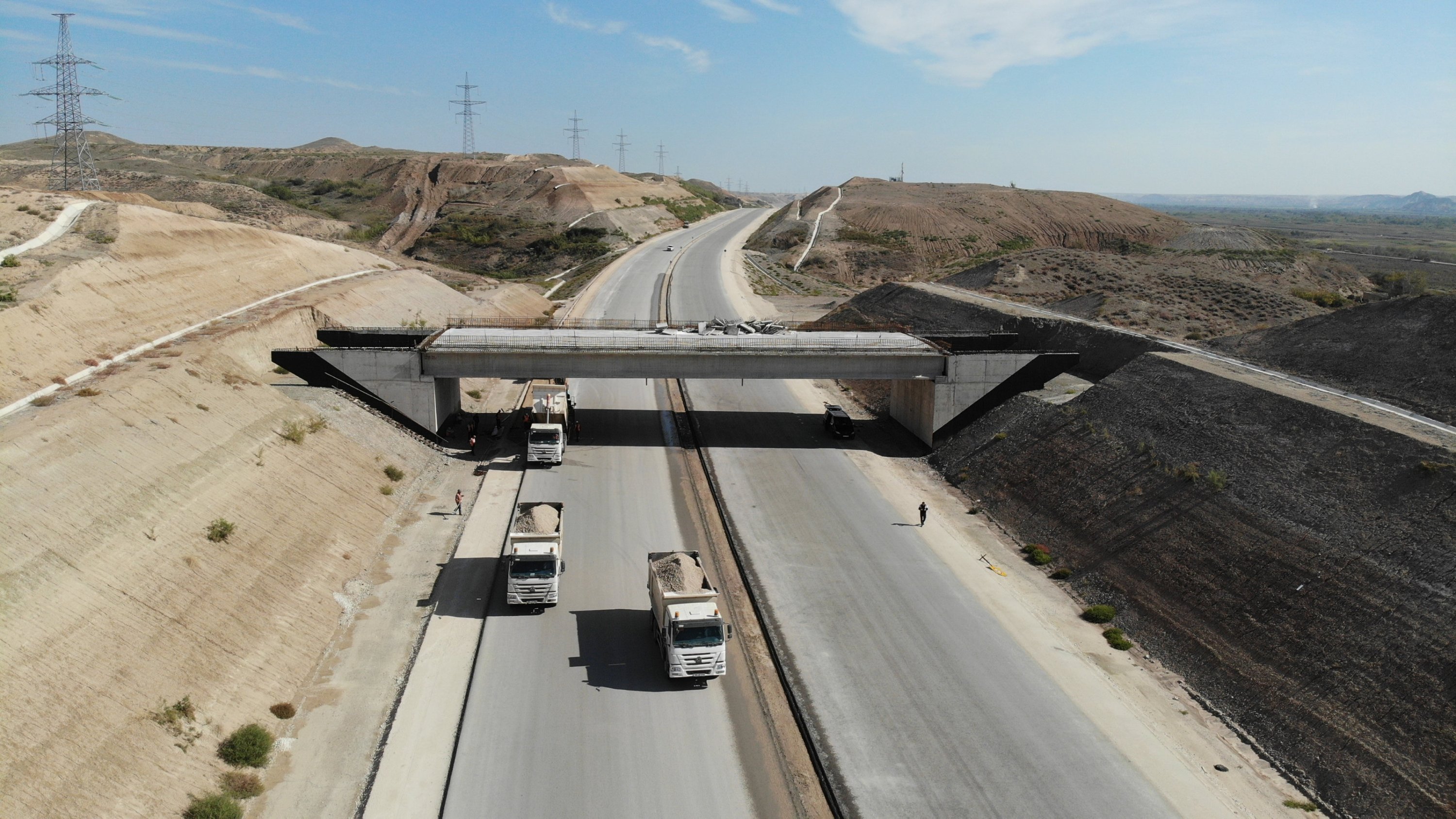
In recent months, debate within the European Union has intensified over a potential EU role in implementing the TRIPP project—the so-called “Trump Route,” which forms part of the Zangezur Corridor and fits into a broader system of transregional connectivity.
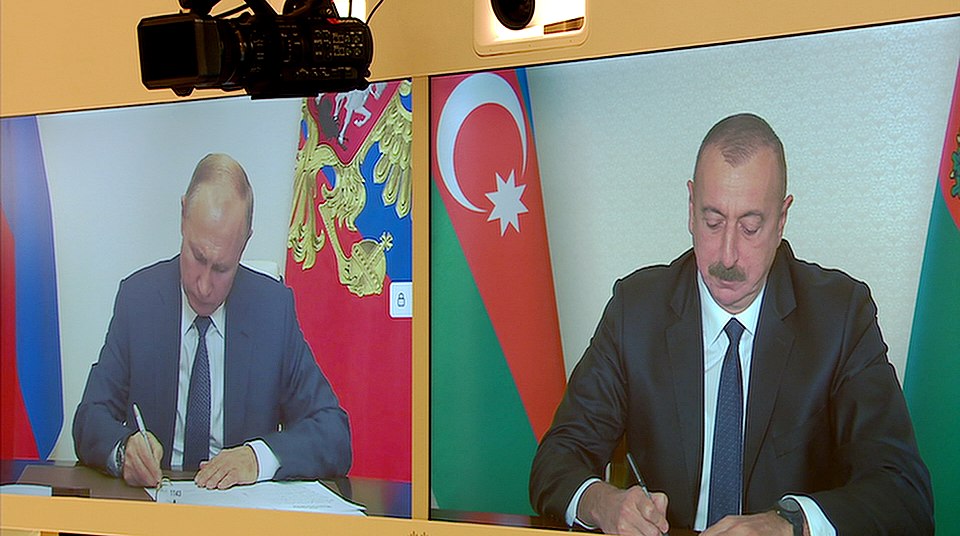
Five years ago, around these very days, a remarkable event took place. On December 1, 2020, the withdrawal of Armenian occupation forces from Azerbaijani territory was completed on the basis of the Trilateral Statement signed in the night of November 10 that same year.
The peace process between Azerbaijan and Armenia is unfolding steadily, systematically, and consistently — and most importantly, almost entirely without outside mediation.
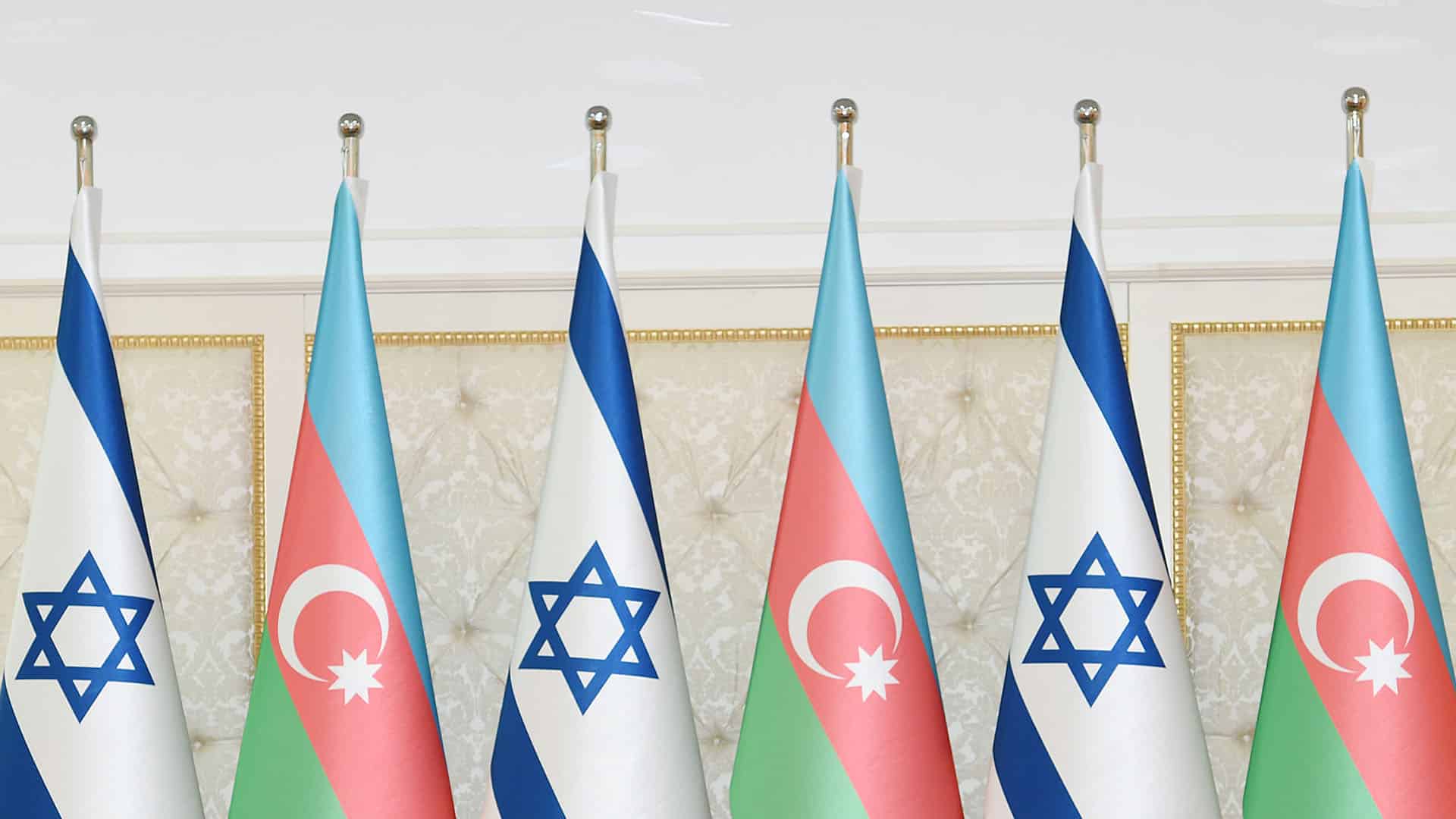
Among recent developments, one important event went largely unnoticed by the media: the fourth meeting of the Azerbaijan–Israel Joint Intergovernmental Commission on Economic Cooperation.