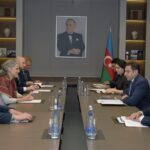
For a final peace treaty to be concluded, Armenia must amend its constitution to eliminate territorial claims against Azerbaijan. However, the signing of a peace treaty alone does not guarantee sustainable peace.

For a final peace treaty to be concluded, Armenia must amend its constitution to eliminate territorial claims against Azerbaijan. However, the signing of a peace treaty alone does not guarantee sustainable peace.
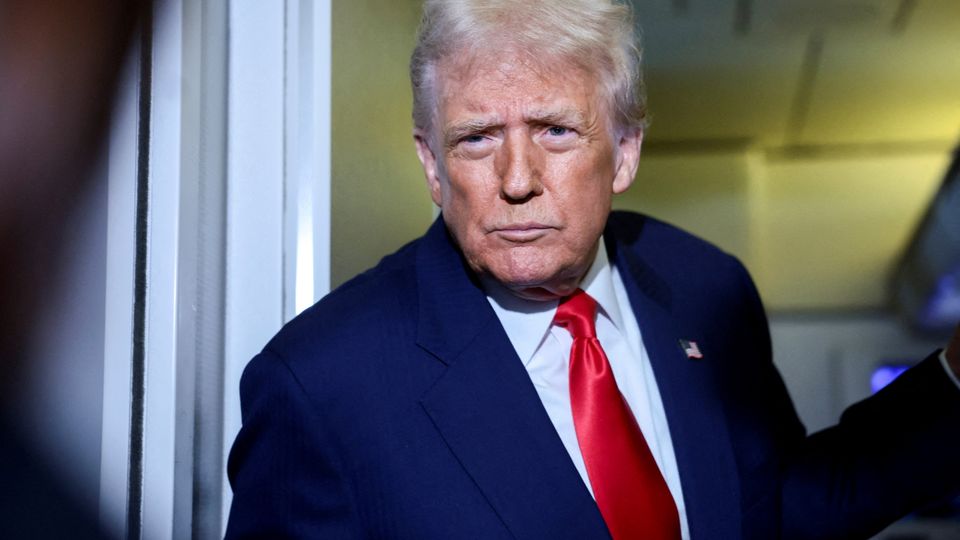
A Central Asian tour would show US interest in the region and add momentum to critical mineral cooperation.
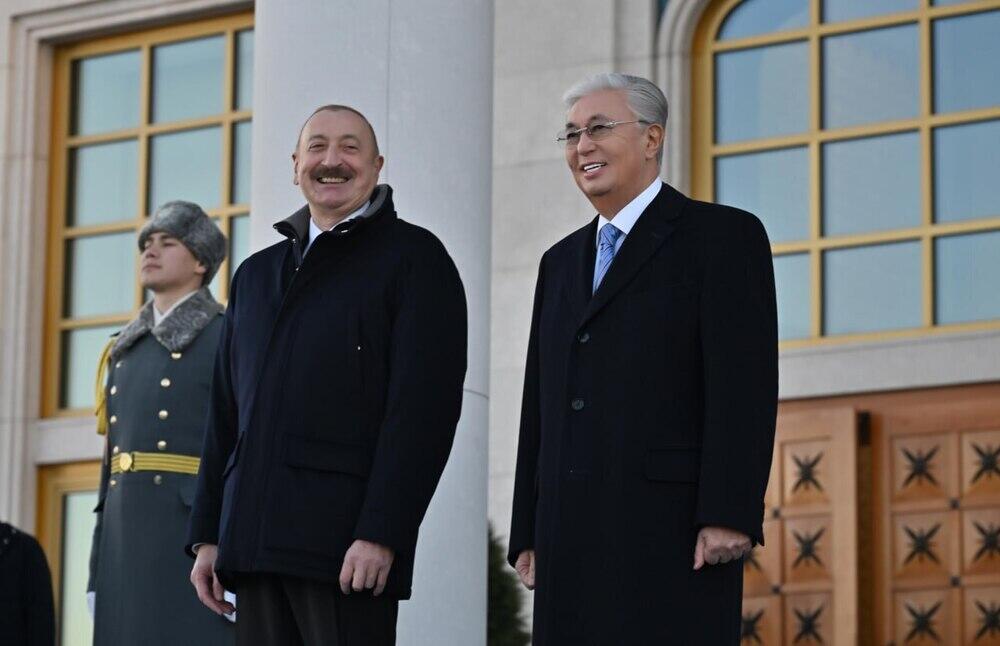
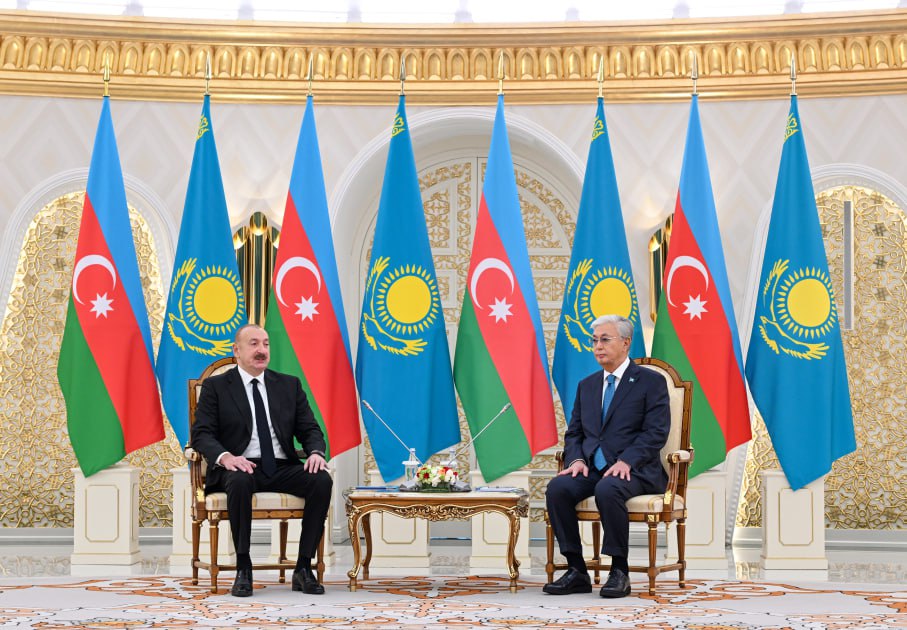
At a meeting in Astana on October 20–21—the 13th such summit in the previous five years—Azerbaijani President Ilham Aliyev and Kazakhstani President Kassym-Jomart Tokayev took steps to further their countries’ economic and security cooperation.
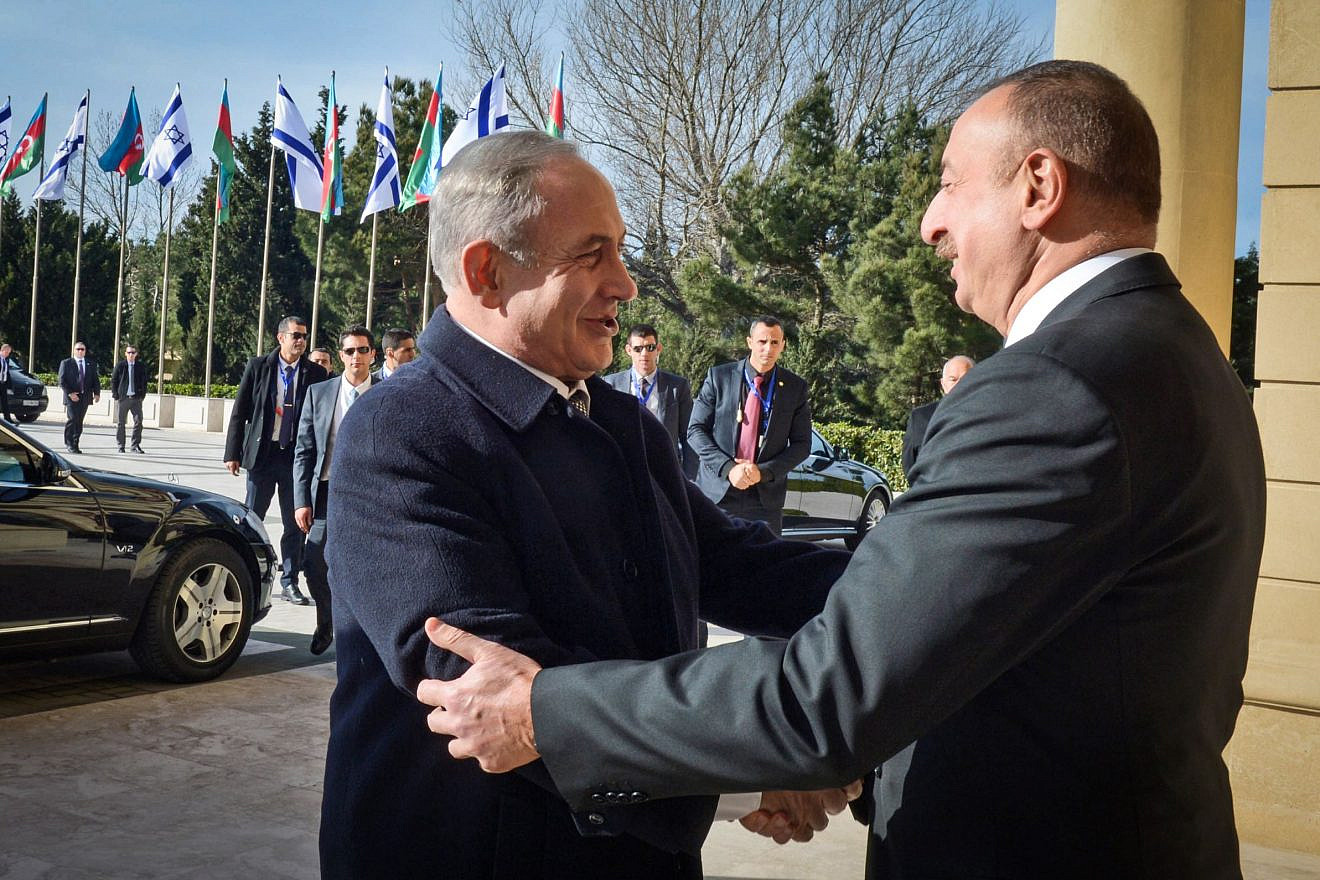
Diplomatic equilibrium between the Turkic states and Israel signals expanded possibilities for the Jewish state in its relations with an Eurasia rapidly becoming the world's new center of gravity.
The planned summit on November 6 falls under the C5+1 format that brings together the U.S. and the five countries of Central Asia. It will mark the first such gathering held in Washington, after an initial presidential meeting took place on the sidelines of the UN General Assembly in 2023.

During the discussion of the 2026 state budget in the National Assembly, Armenian Prime Minister Nikol Pashinyan announced Yerevan’s readiness to open a new transit route for cargo transportation between Turkey and Azerbaijan.
Armenia’s prime minister has diligently worked for peace and integration in the Caucasus despite withering domestic criticism.
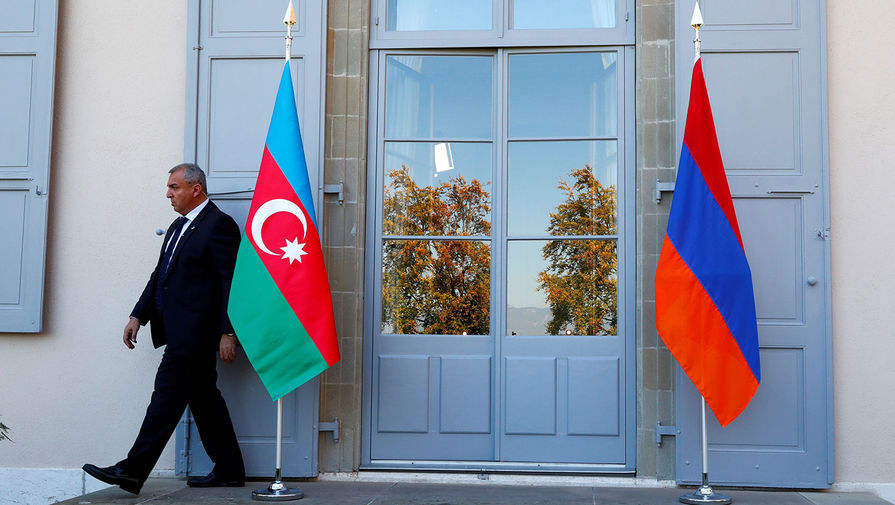
The peace process between Azerbaijan and Armenia is progressing — and at a rather fast pace. Another important stage was marked by a meeting of representatives of the two countries’ civil societies.
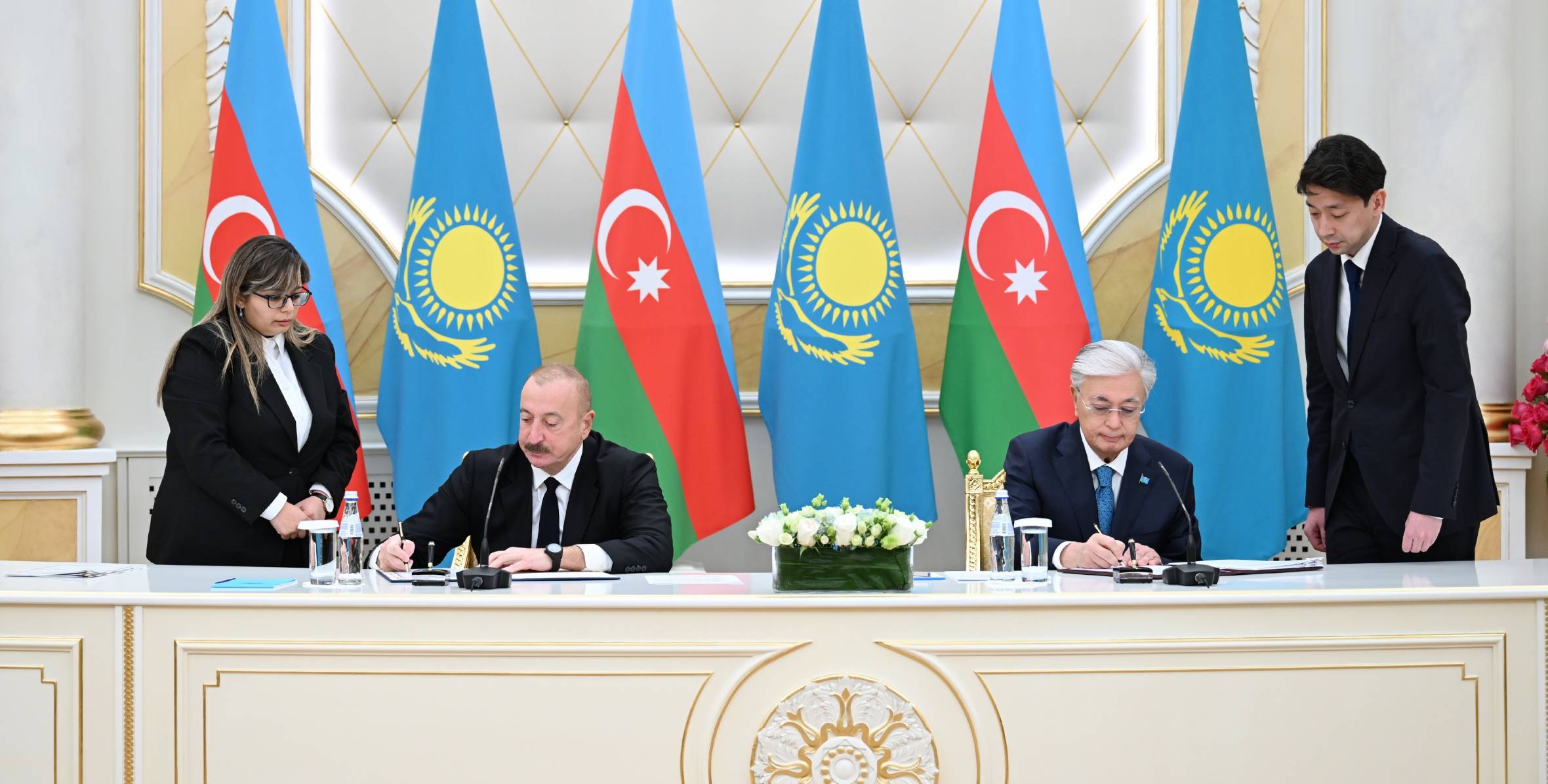
Talks with President Kassym-Jomart Tokayev confirmed that the economic cooperation between the two countries is reaching a qualitatively new level, becoming one of the key pillars of Turkic integration.
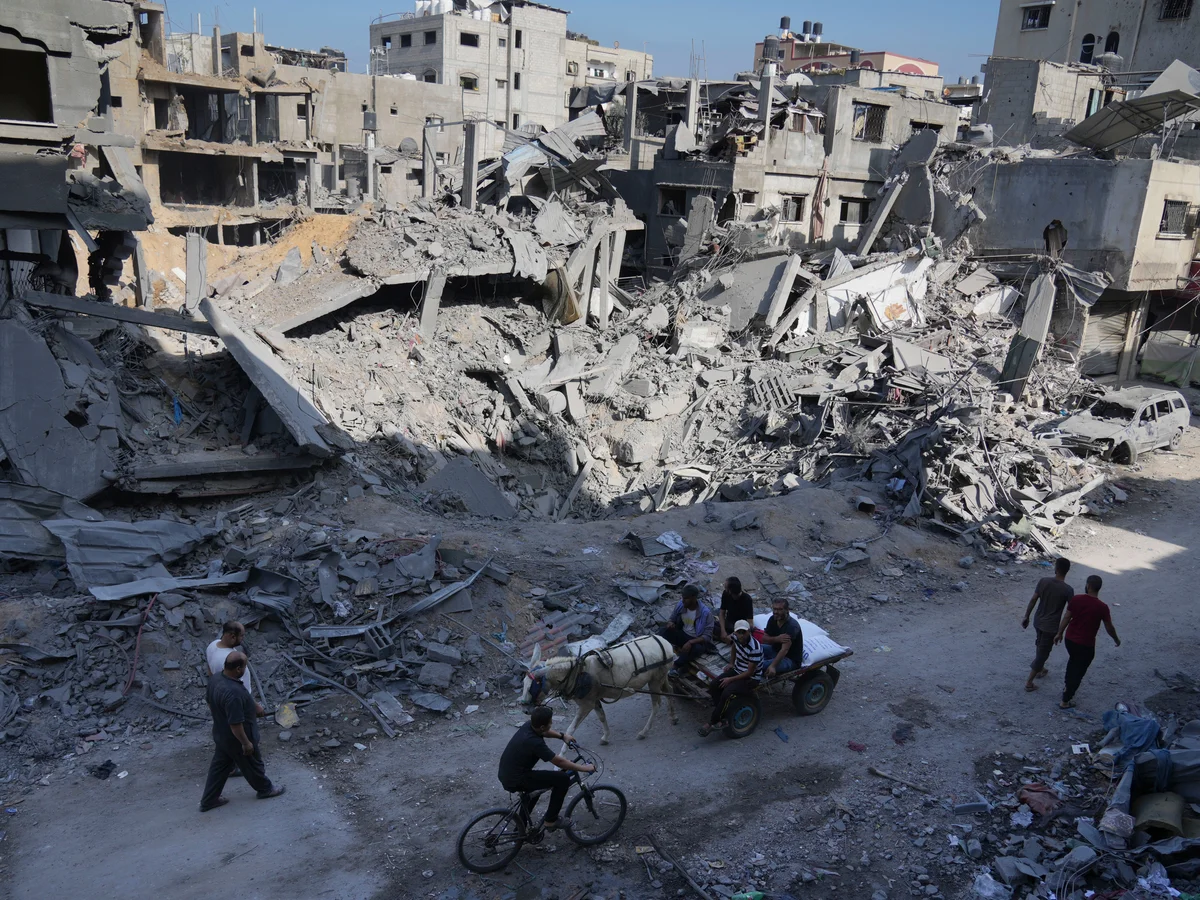
Several international media outlets have suggested that, alongside Indonesia and Bangladesh, contingents from Türkiye and Azerbaijan might also appear in Gaza.
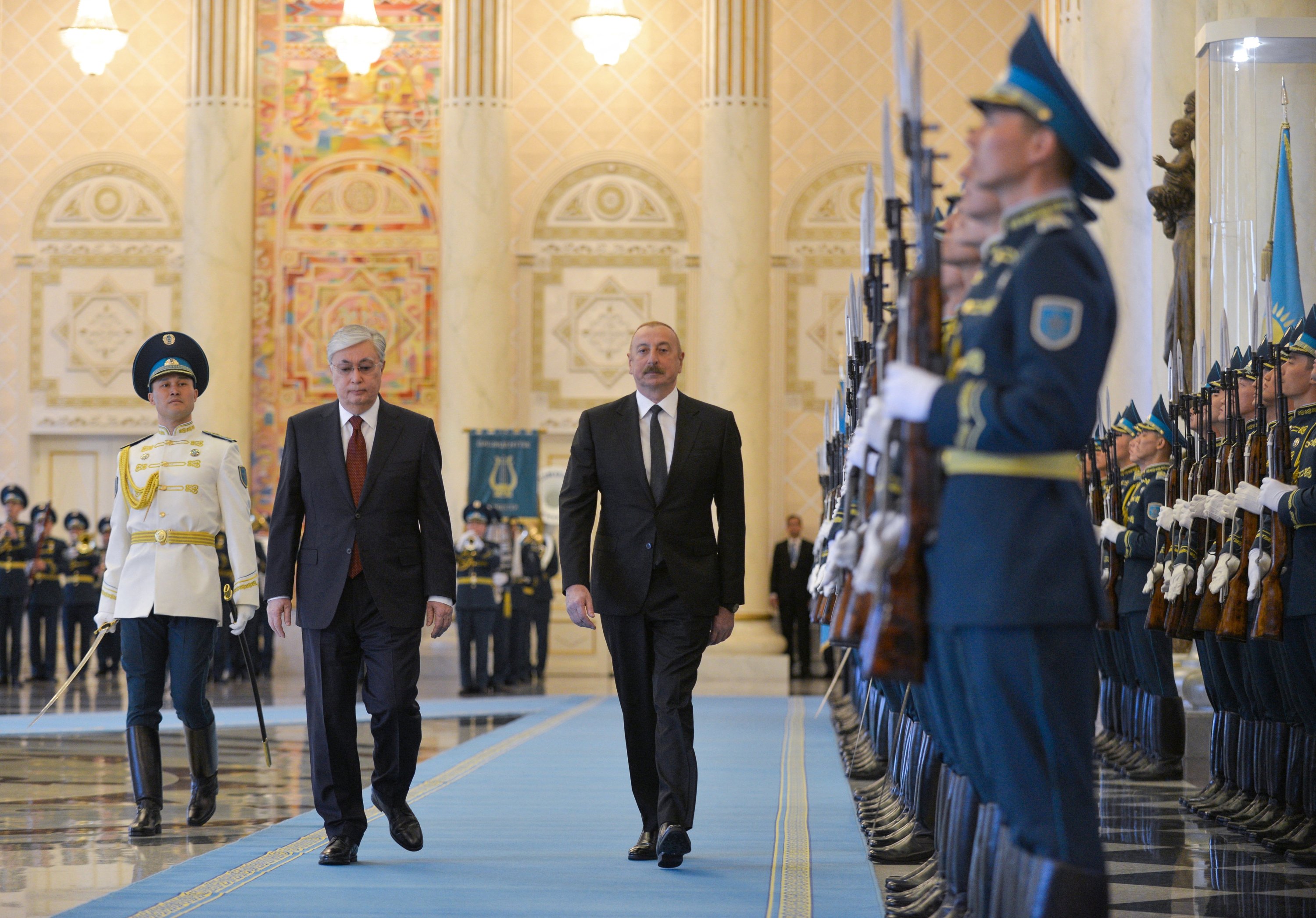
Azerbaijani President Ilham Aliyev’s state visit to Kazakhstan this week highlights the deepening strategic alignment between the two Caspian neighbors.
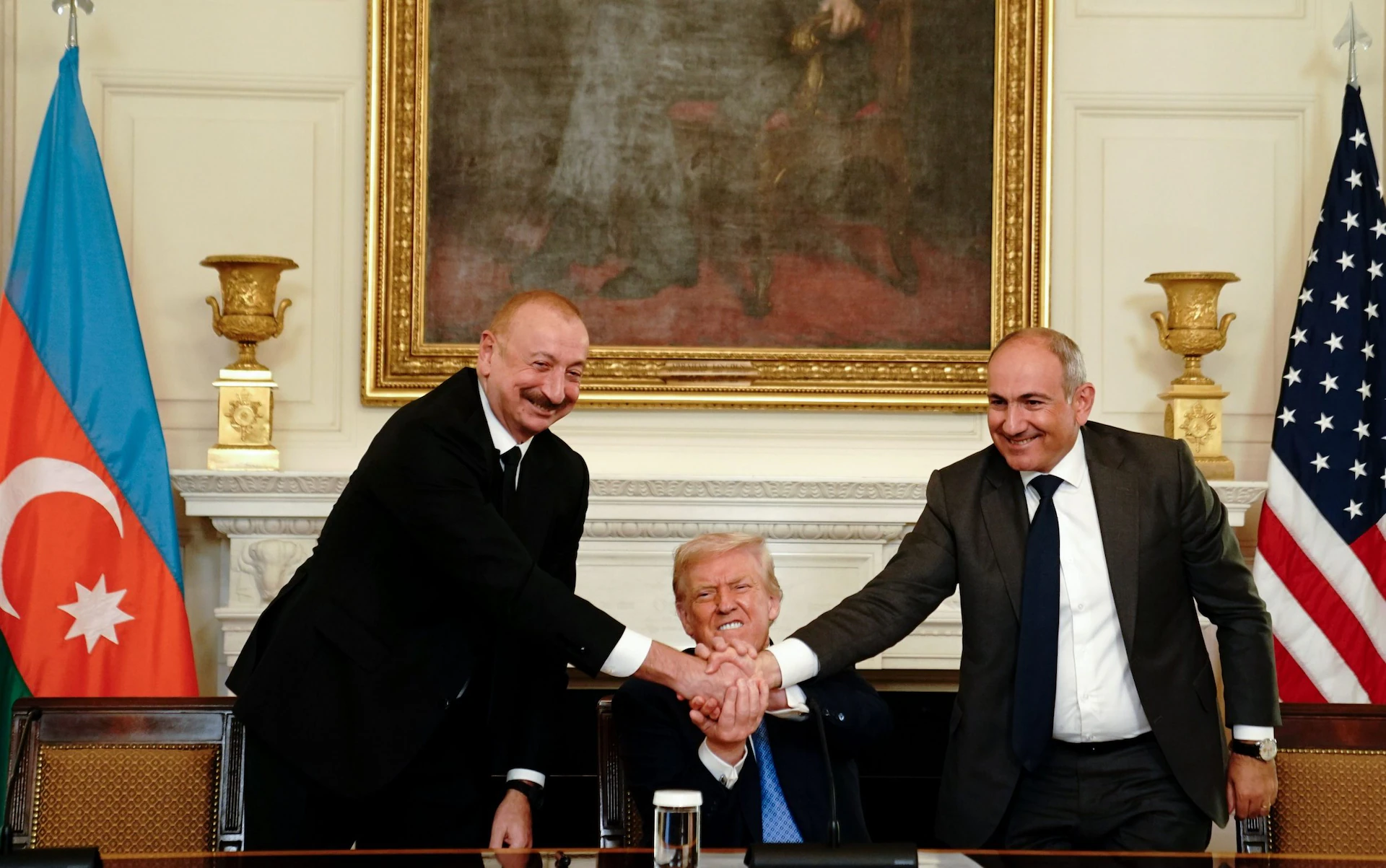
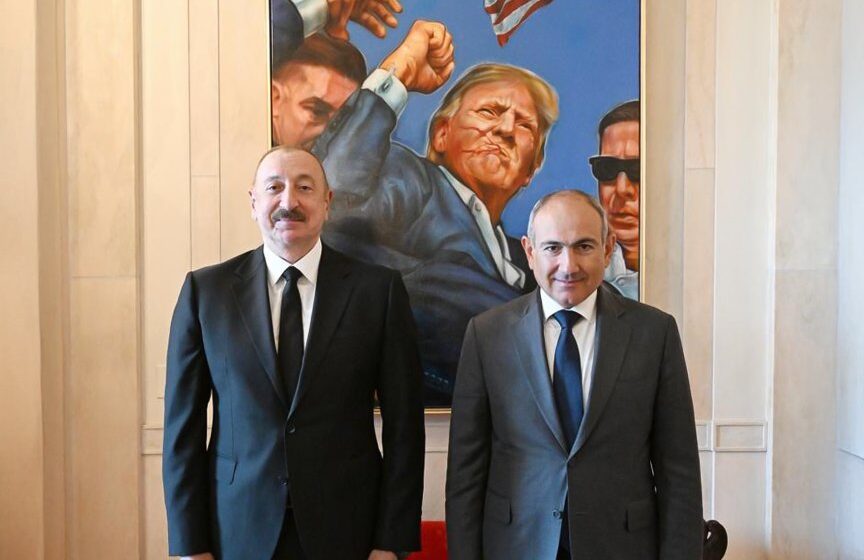
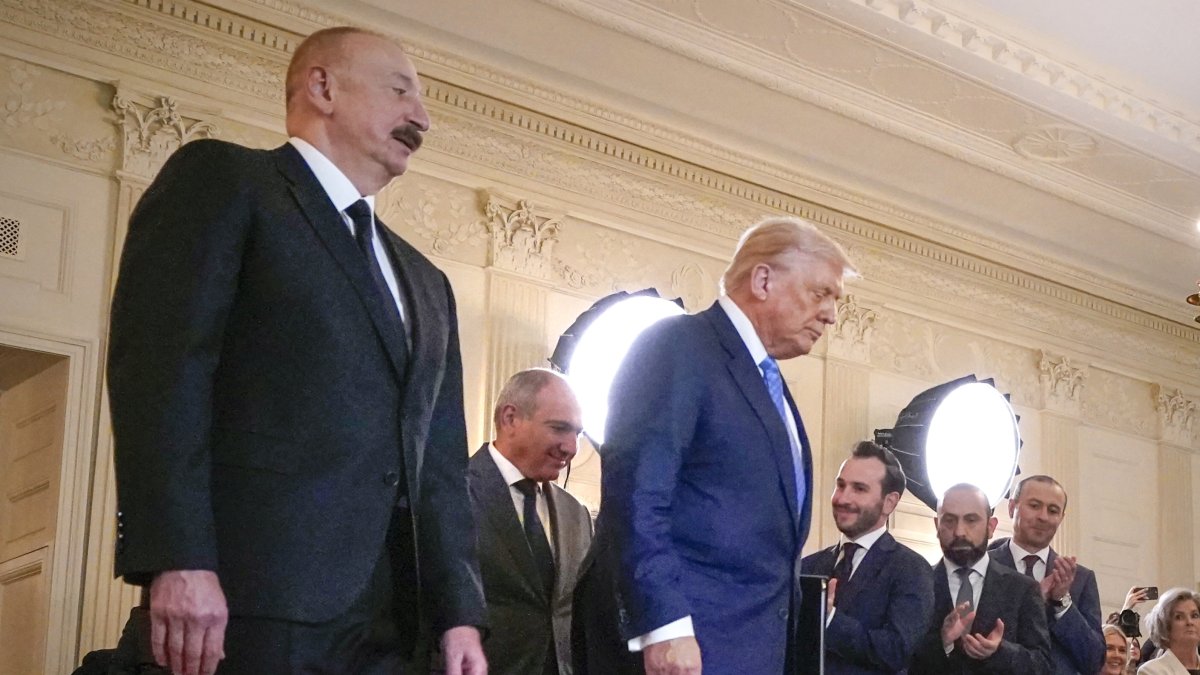
History was made at the White House on August 8, 2025, when President Donald Trump hosted Armenian Prime Minister Nikol Pashinyan and Azerbaijani President Ilham Aliyev for a landmark meeting.
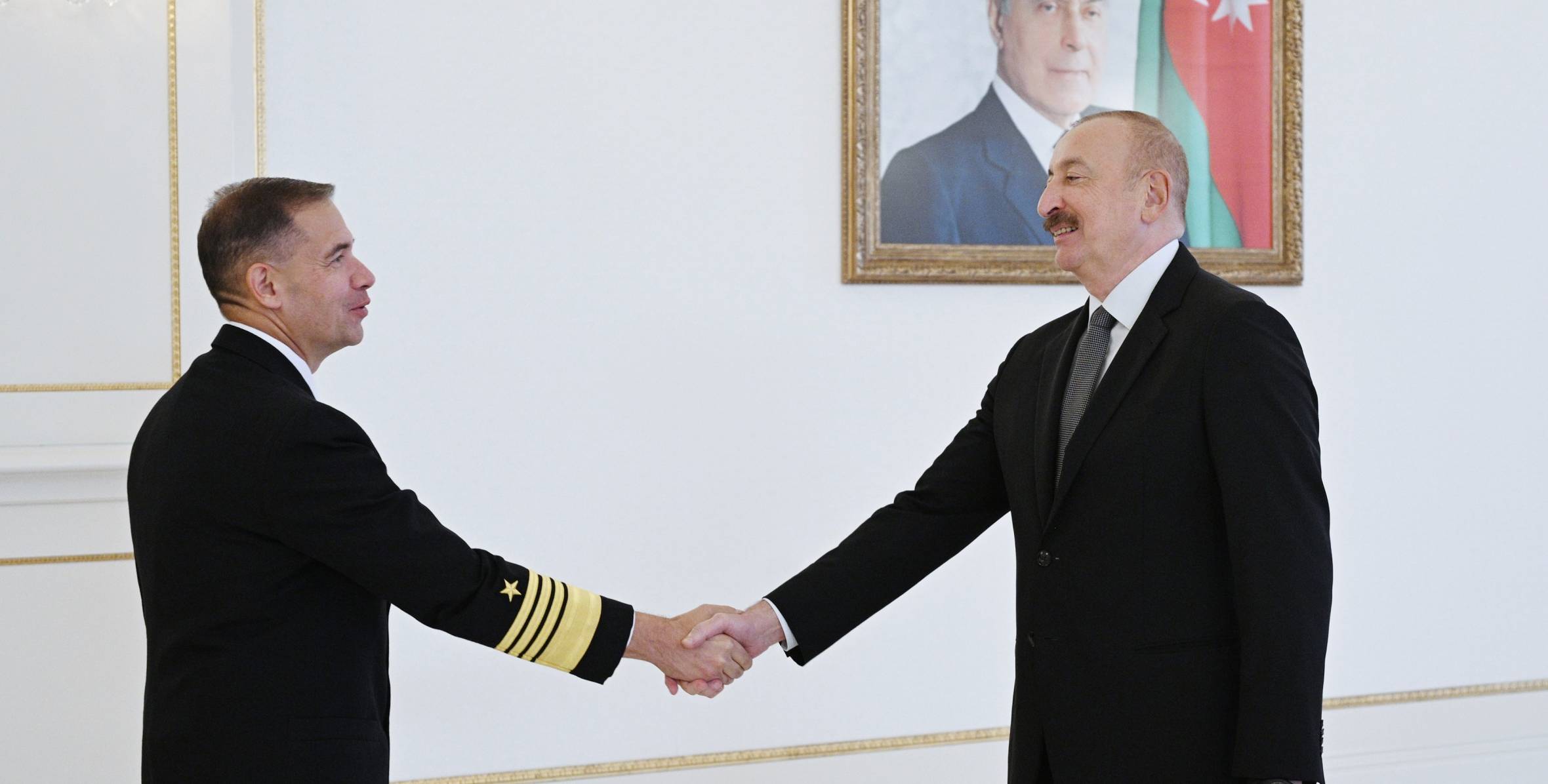
Over the past few years, Azerbaijan has repeatedly shown that it can act as a responsible and predictable force.
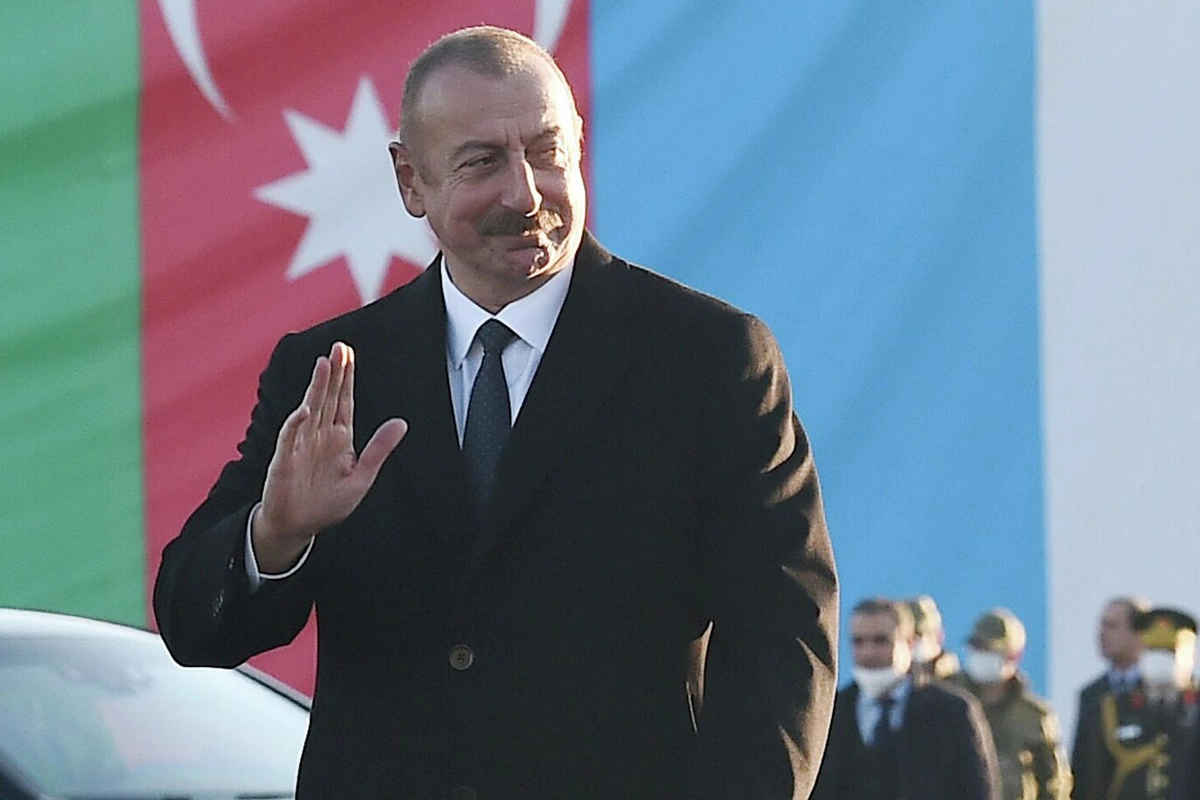
In today’s world, marked by increasing geopolitical tensions, Azerbaijan is seen in the international arena as a successful and, most importantly, stable state, confidently pursuing an independent foreign policy grounded in its national interests.
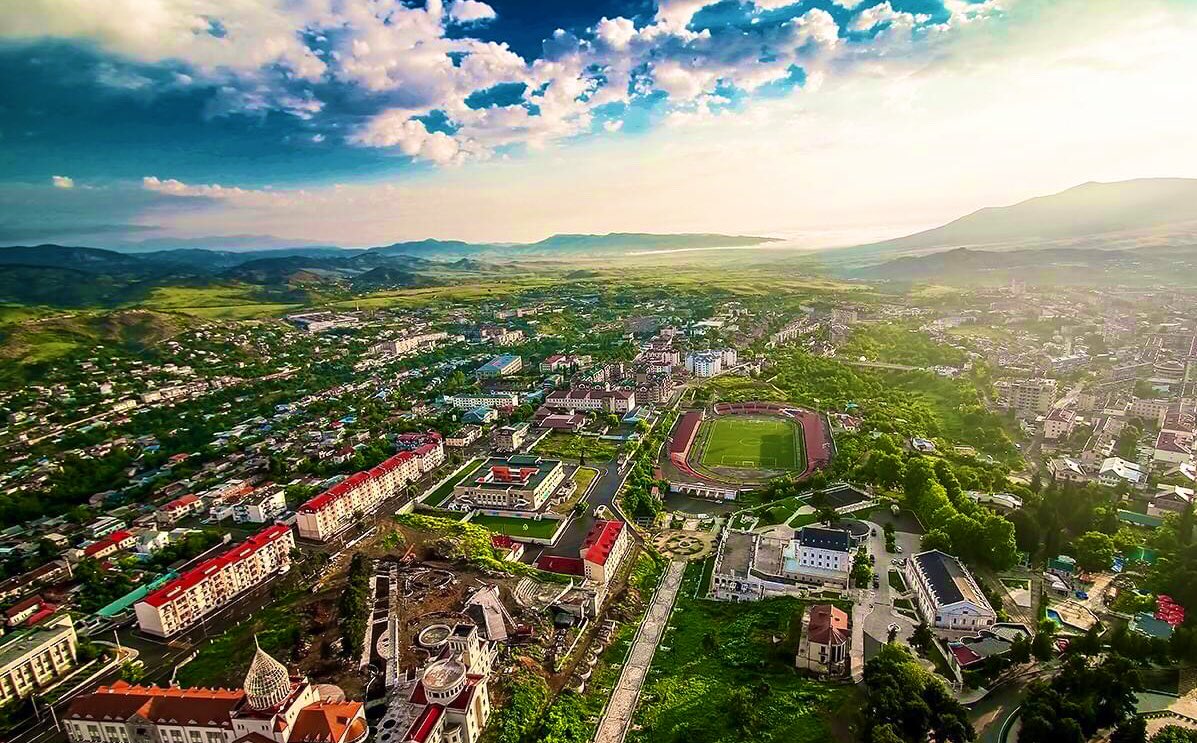
The Third Azerbaijan National Urban Forum was held in Khankendi, bringing together participants from many countries — architects, urbanists, journalists, and experts.
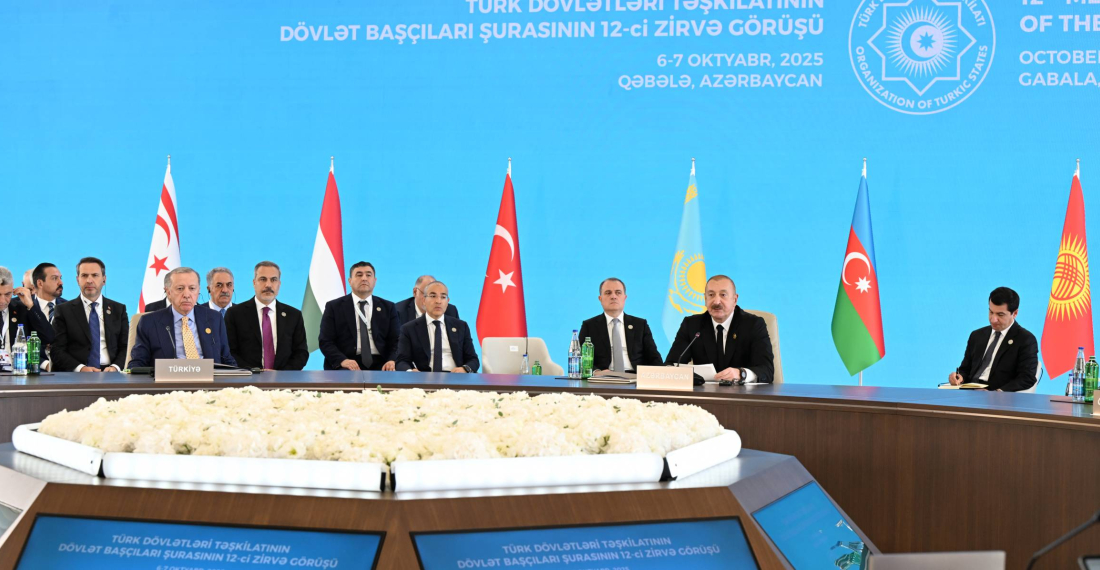
The 12th Summit of the Organization of Turkic States (OTS), held on 7 October 2025 in Gabala, Azerbaijan, marked a decisive stage in the evolution of integration within the Turkic world.
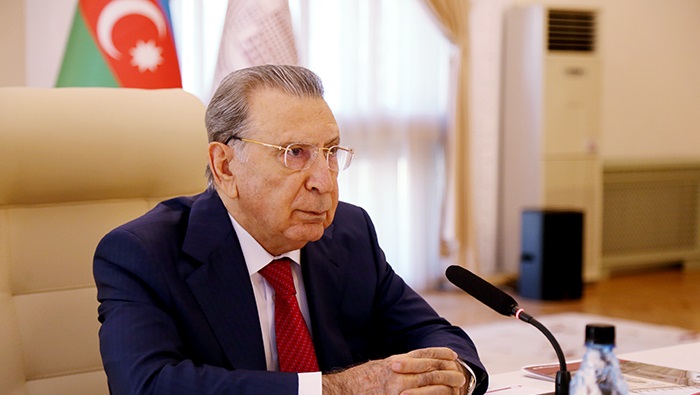
The arrest of Ramiz Mehdiyev continues to dominate public discussion in Azerbaijan. A court in Baku has placed under house arrest the man who, for more than two decades, headed the Presidential Administration of the Republic.
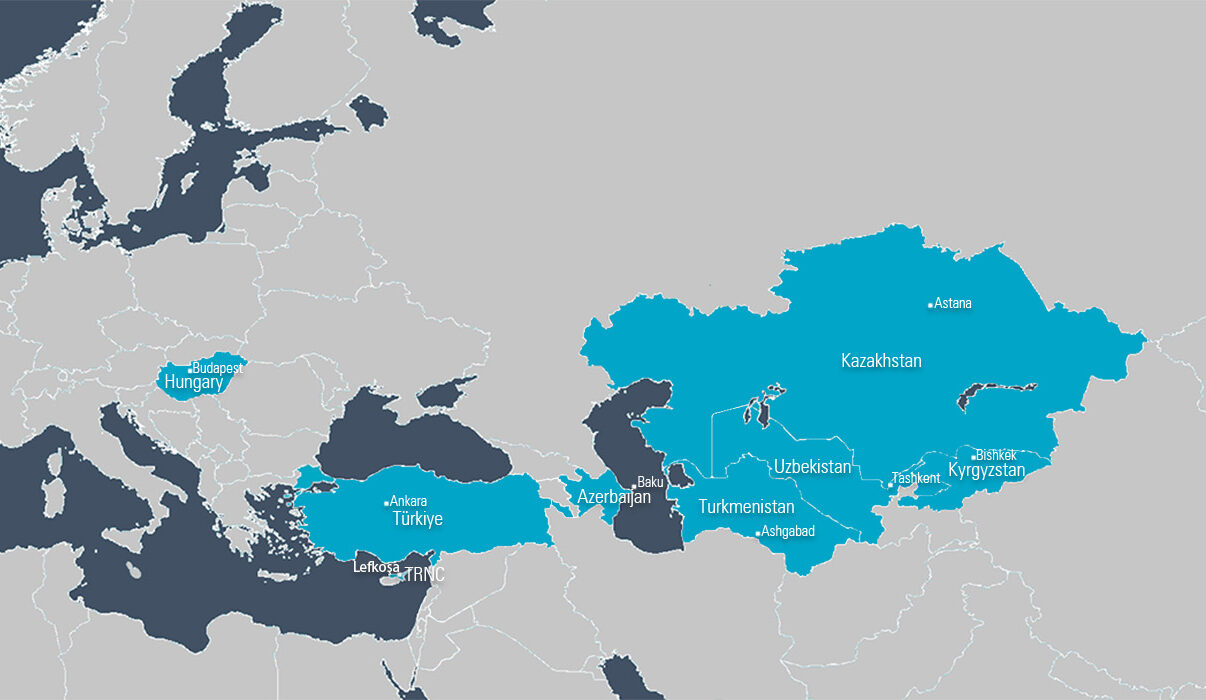
The formation of a unified labor market among Turkic states is gradually gaining strategic significance and becoming a key direction of integration.
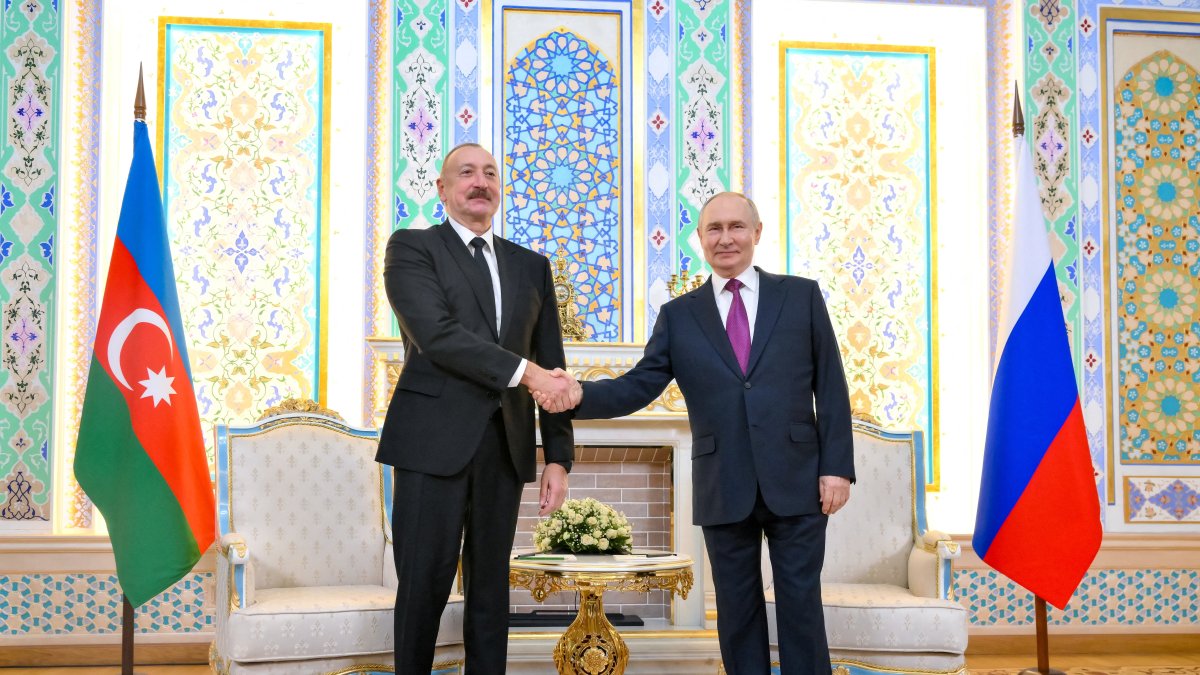
Putin and Aliyev’s Dushanbe talks signal a cautious reset in South Caucasus geopolitical dynamics.
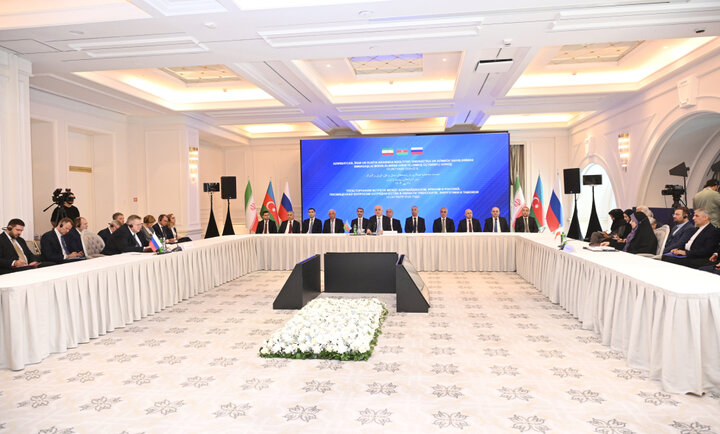
On October 13, a trilateral meeting between representatives of Azerbaijan, Russia, and Iran took place in Baku.
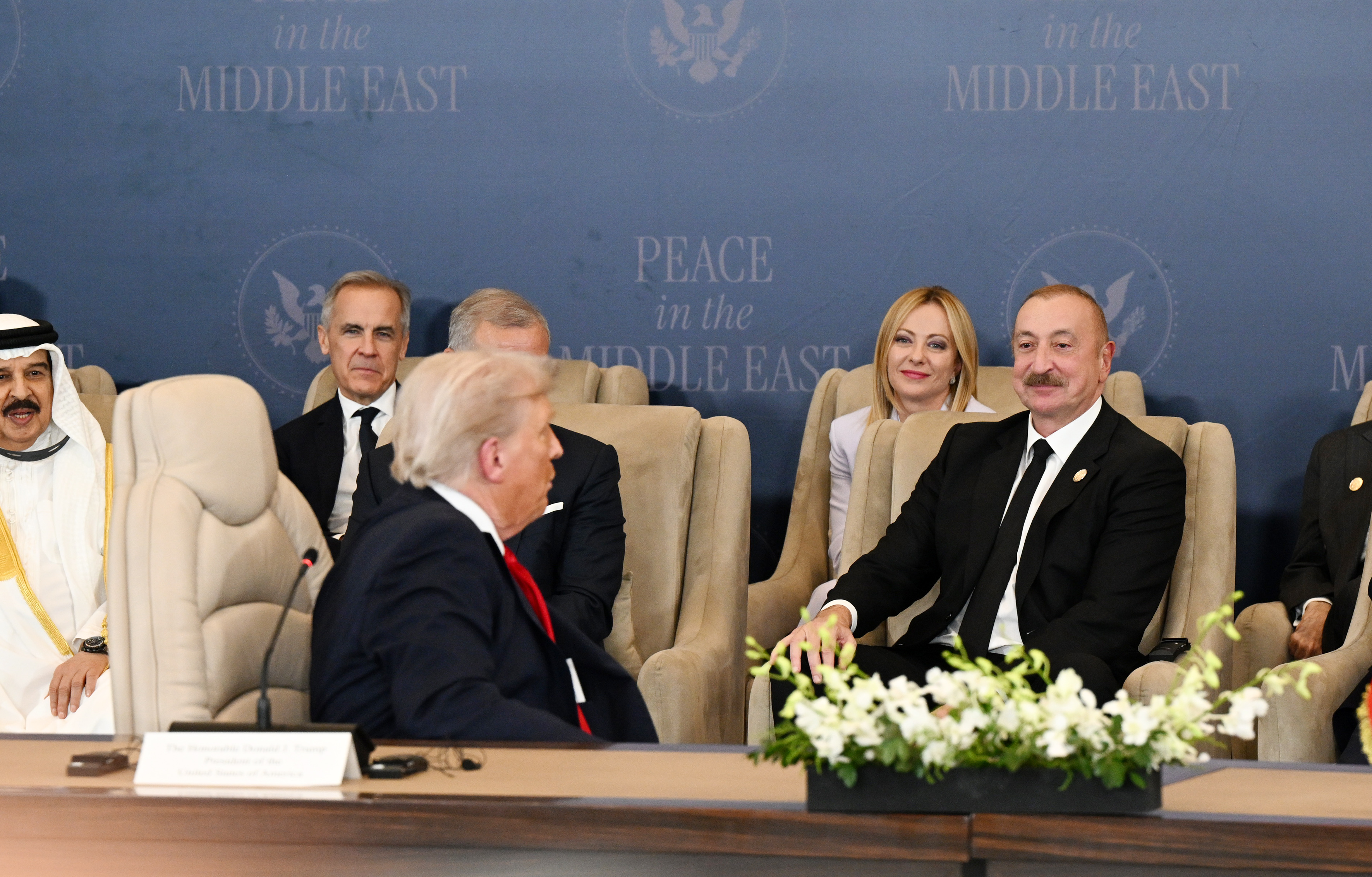
The main diplomatic news today comes from the Egyptian resort city of Sharm el-Sheikh, where the “Peace Summit” is kicking off.
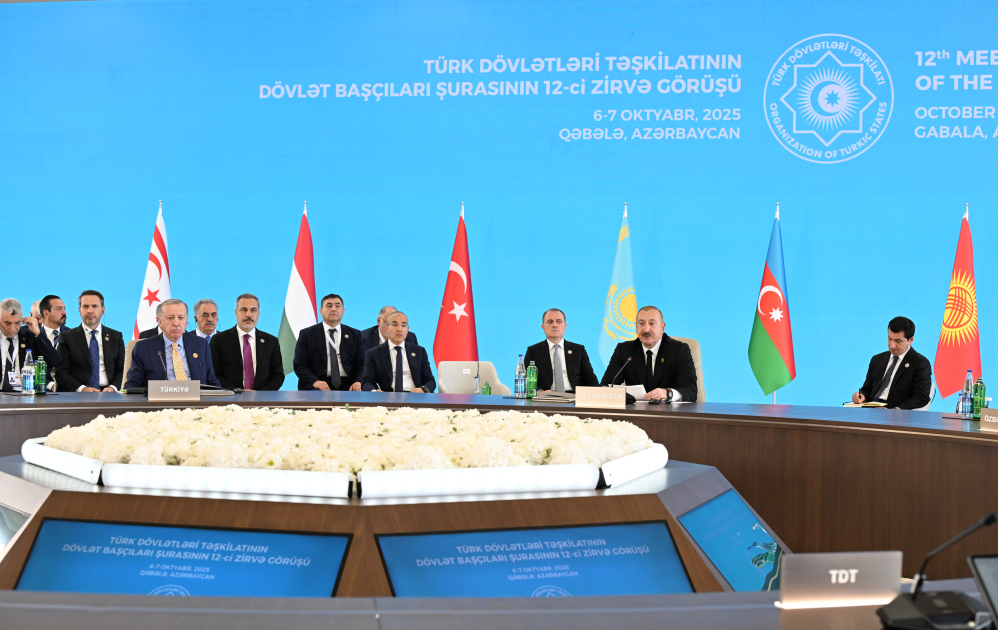
In recent years, global politics has undergone a profound transformation, where not only major powers but also regional alliances capable of independently shaping agendas and defending their interests have come to the forefront.
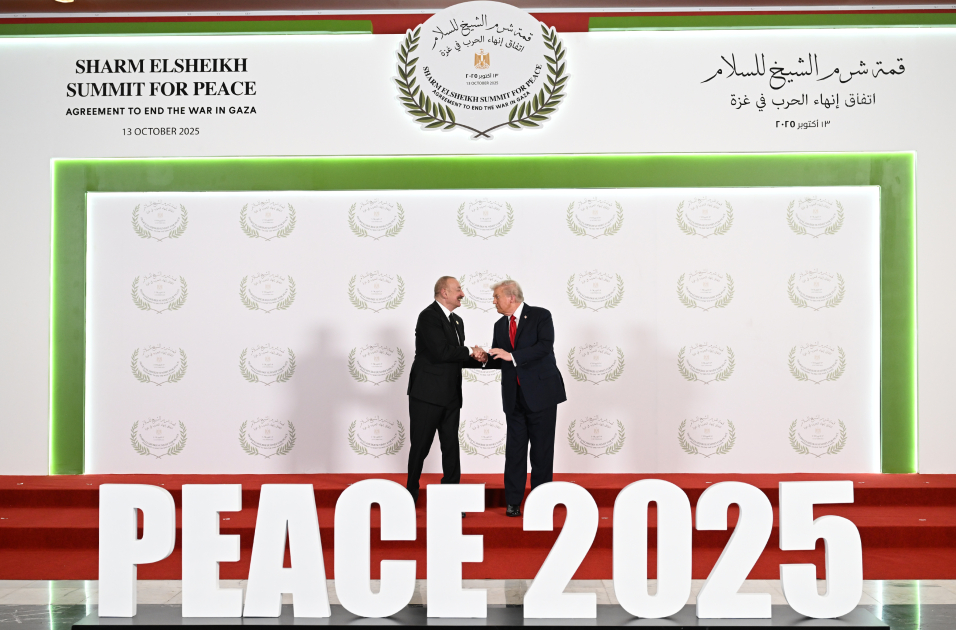
In January of this year, the president reaffirmed Baku’s consistent position on the Israeli-Palestinian issue, emphasising that Azerbaijan supports the creation—“i.e. the existence of two states.”
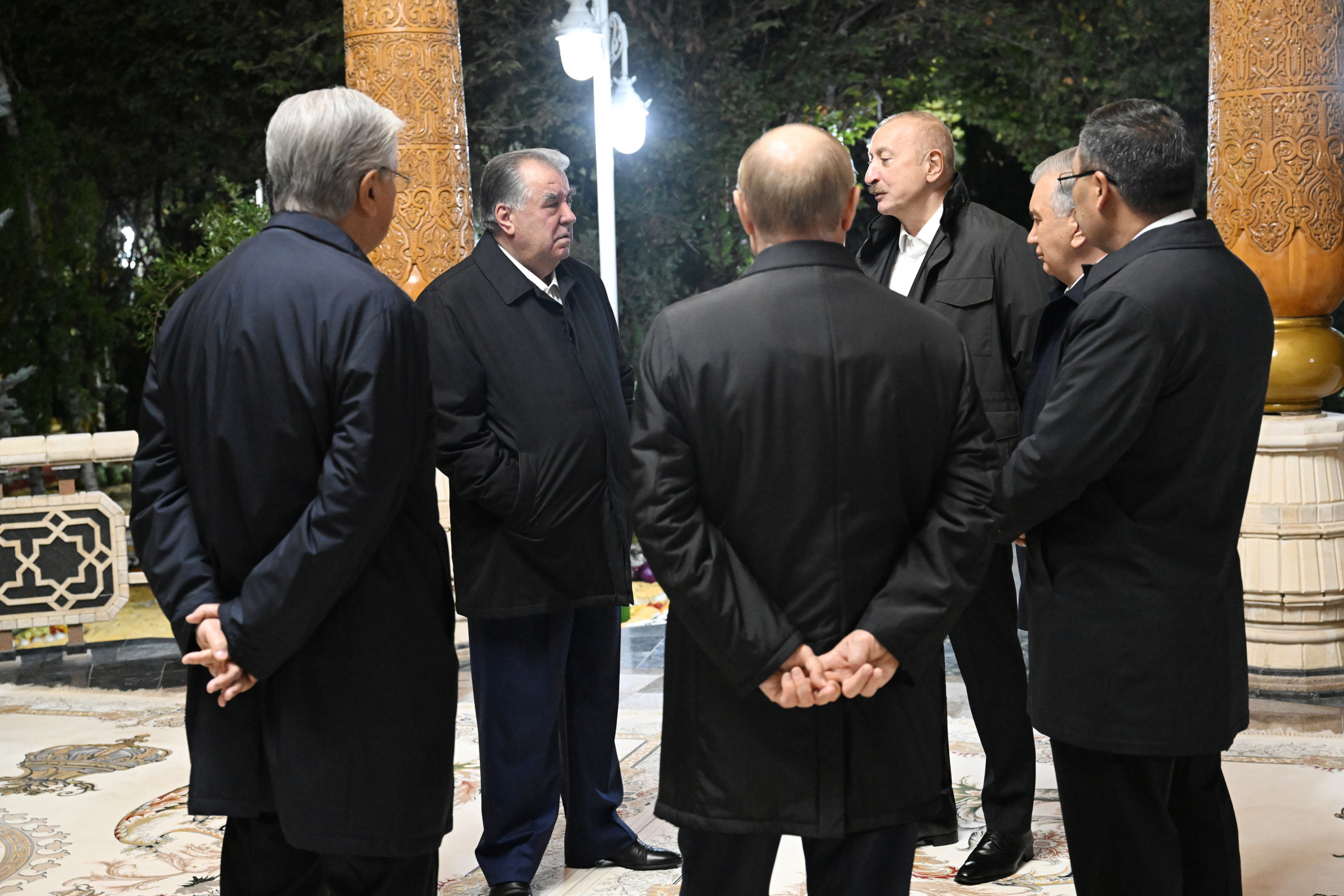
The CIS summit in Dushanbe followed the traditional format of such gatherings: an informal dinner, a closed meeting, and then a plenary session. The atmosphere was calm, businesslike, and warm — without scandals, disputes, or protocol blunders.