
Now Reading: Moscow once again declares the South Caucasus its “zone of influence”
-
01
Moscow once again declares the South Caucasus its “zone of influence”

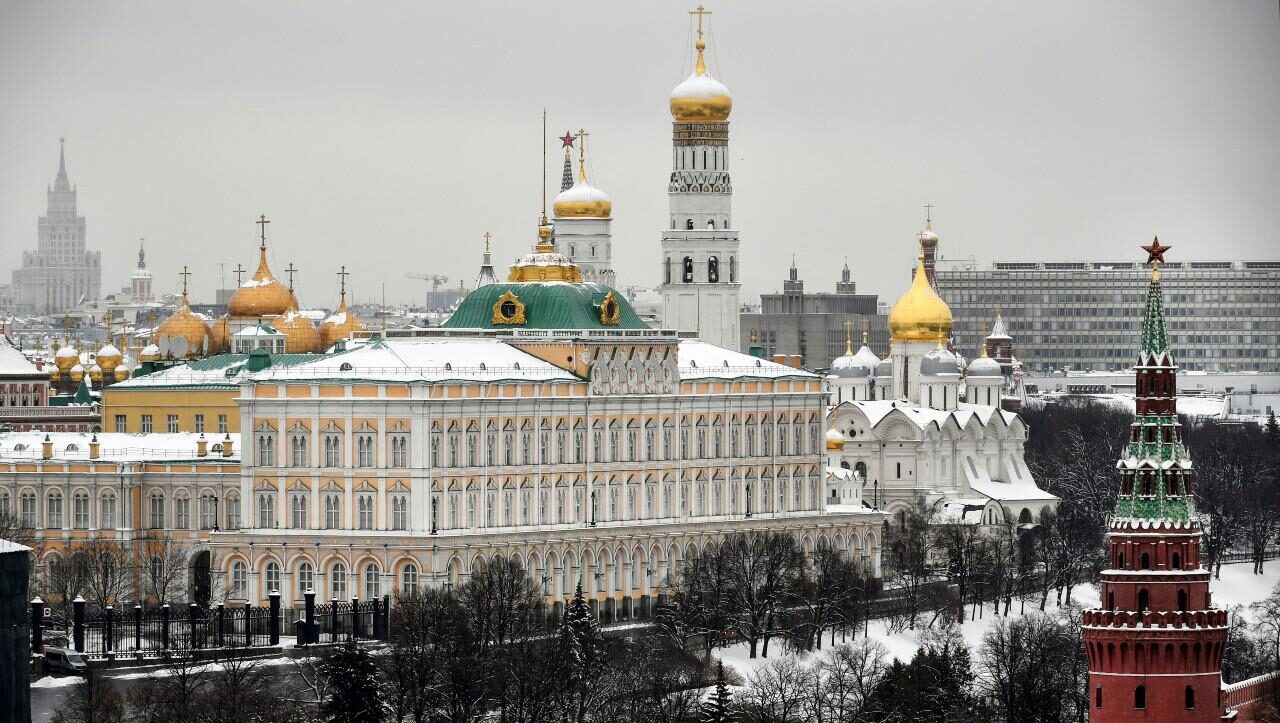
Russia is closely connected with processes in the region, and therefore the South Caucasus is of vital importance to it, Mikhail Kalugin, director of the Russian Foreign Ministry’s Fourth Department for CIS Countries, said in an interview with TASS.
“Our interests stem from the fact that Russia is not merely a neighbor, but is itself a ‘Caucasian power.’ We are linked to all the states of the region by the closest historical and cultural ties. We have allied relations with four of the five republics. For each of the South Caucasus countries, Russia is either the main or one of the main trading partners. Transport arteries of significance to us pass through the region. The situation in the North Caucasus largely depends on how processes develop on the other side of the ridge. In short, the South Caucasus is vital for us,” the diplomat said.
According to him, Russia’s fundamental interest lies in “the development of the region, unlocking its economic potential, and creating a ‘belt of stability and peace’ there.”
“What contributes to the prosperity of the region also contributes to Russia’s well-being. That is the simple logic behind our actions,” Kalugin emphasized. “Following this logic, we consistently oppose armed conflicts in the region, support the lifting of blockades, and work energetically to build a common architecture of regional connectivity so that every country can benefit from the advantages of its geographical position. We want the economy of the South Caucasus to breathe freely. This is beneficial to us.”
“That is precisely why, in 2020, Russian President Vladimir Putin made personal efforts to end the hostilities between Azerbaijan and Armenia. At that time, the foundations of the peace process between Baku and Yerevan were also laid. The process has already gone through several phases, but it still follows the roadmap developed on the basis of the agreements reached by the leaders of Russia, Azerbaijan and Armenia in 2020–2022,” the Foreign Ministry department director said.
Related Posts
- Aliyev says Turkic world is emerging as a major center of influence
- Baku hosts Turkic World Week honouring landmark 1926 Turkological Congress

- EU envoy holds talks in Baku ahead of high-level engagement with South Caucasus
- Europe must not lose Azerbaijan: Oleksiy Goncharenko on the risks of confrontation between Baku and the Council of Europe
- A leader forged by patience and victory