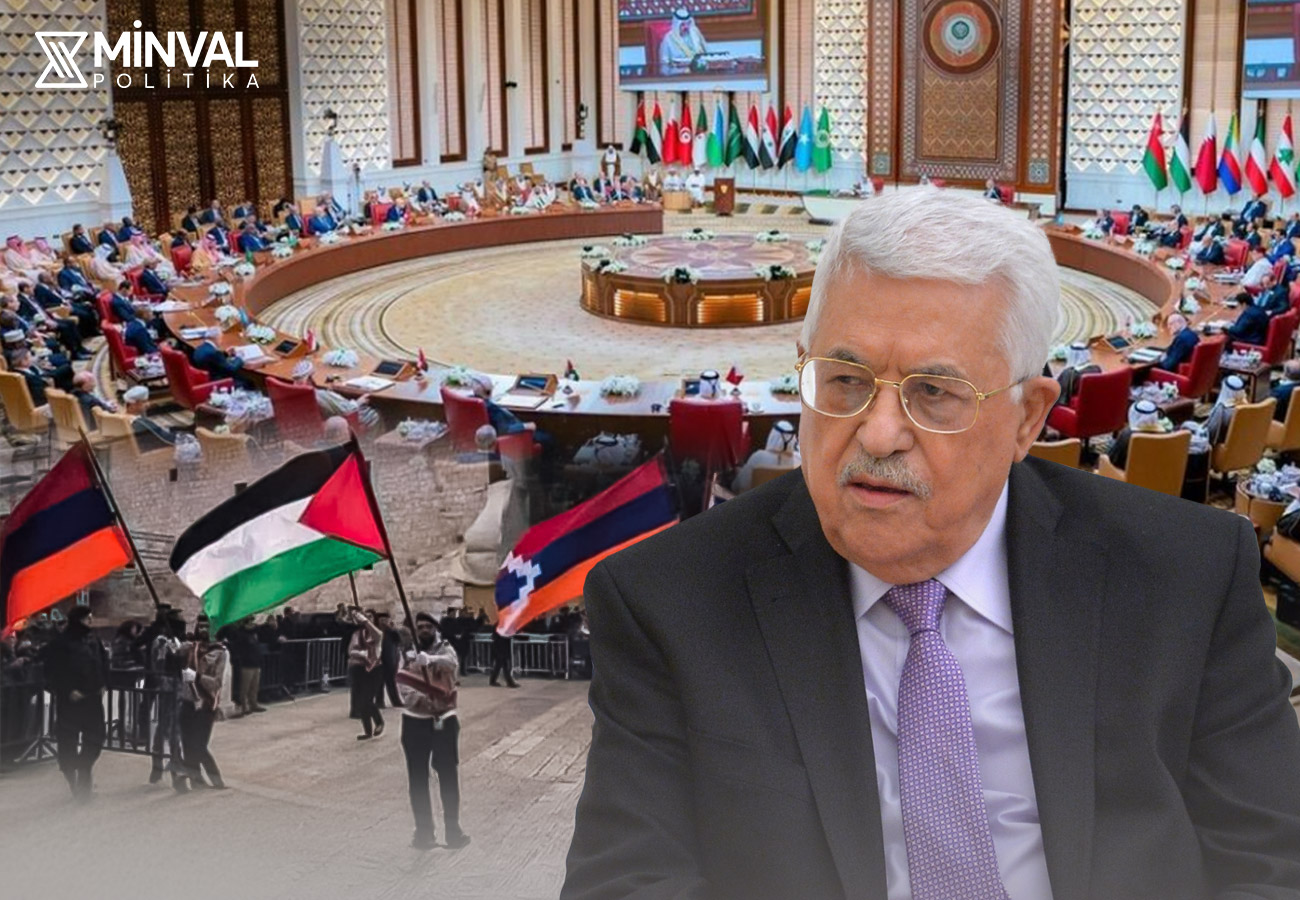
Issuing postage stamps in support of Armenians and creating other propaganda materials underscored how Palestinian organizations integrated into Armenian narratives—destructive to peace and stability.

Issuing postage stamps in support of Armenians and creating other propaganda materials underscored how Palestinian organizations integrated into Armenian narratives—destructive to peace and stability.
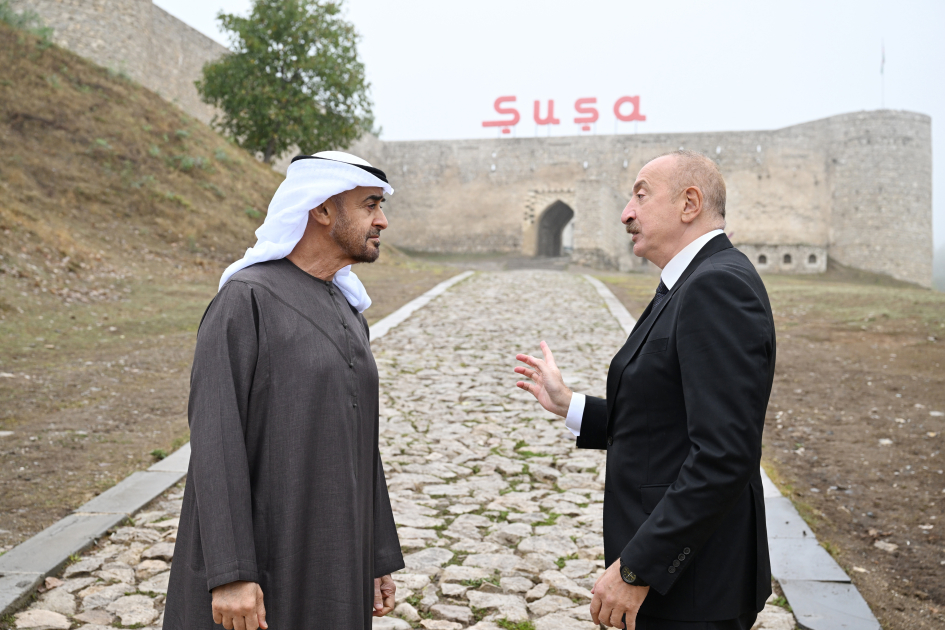
The recent official visit of Sheikh Mohamed bin Zayed Al Nahyan, President of the United Arab Emirates, to Azerbaijan can rightly be described as a new milestone in relations between Azerbaijan and the UAE, and more broadly, in Baku’s ties with the Gulf monarchies.
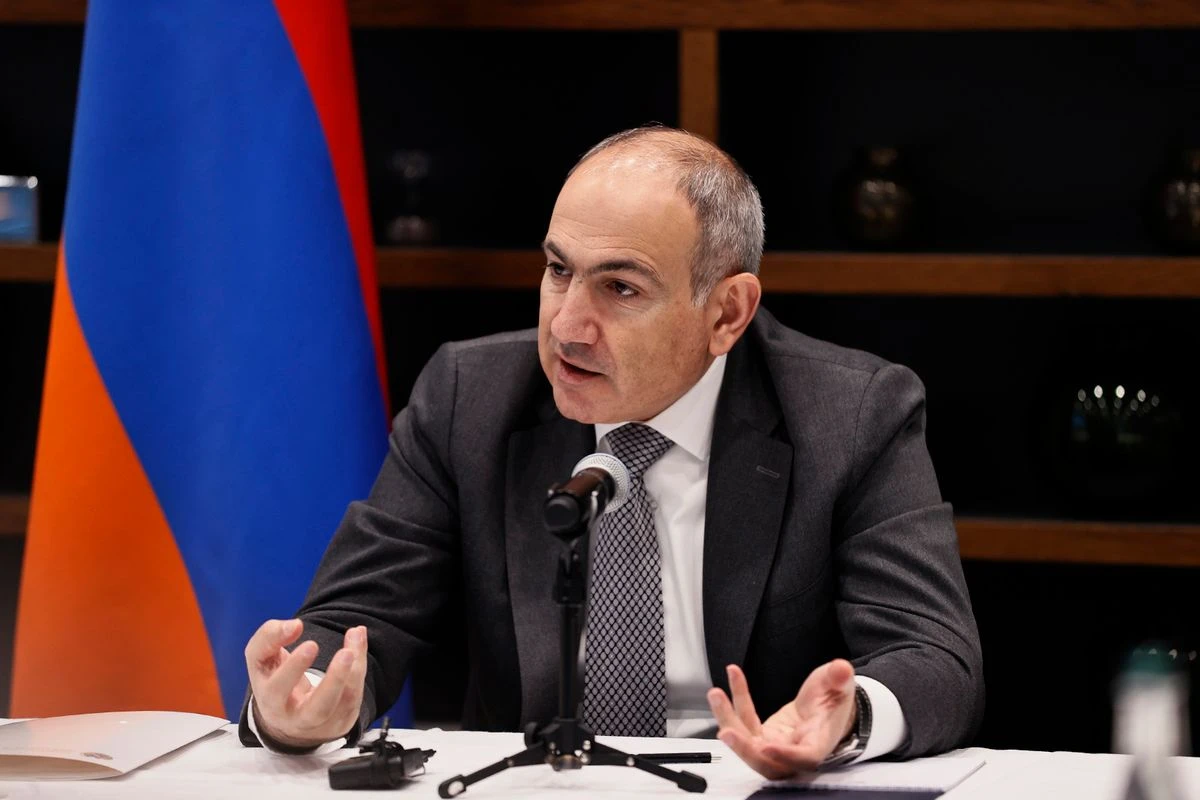
On September 15, Armenian Prime Minister Nikol Pashinyan delivered a keynote speech at the conference “Comprehensive Security and Resilience – 2025.”
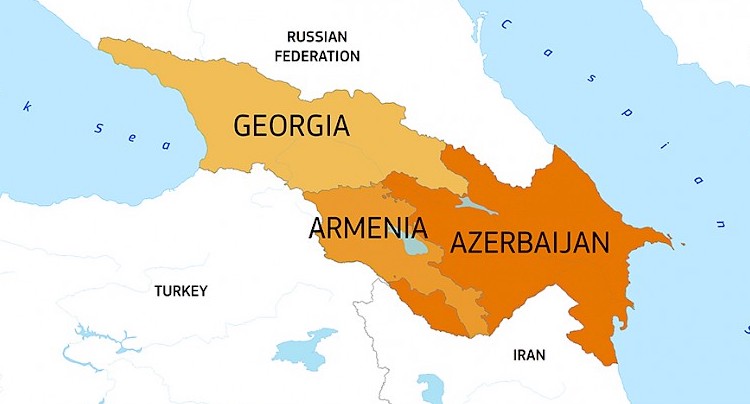
A strategic vacuum is emerging in the South Caucasus. Russia’s hold as the region’s hegemon is weakening. The Kremlin’s credibility is waning, and Armenia and Azerbaijan are recalibrating away from Moscow.
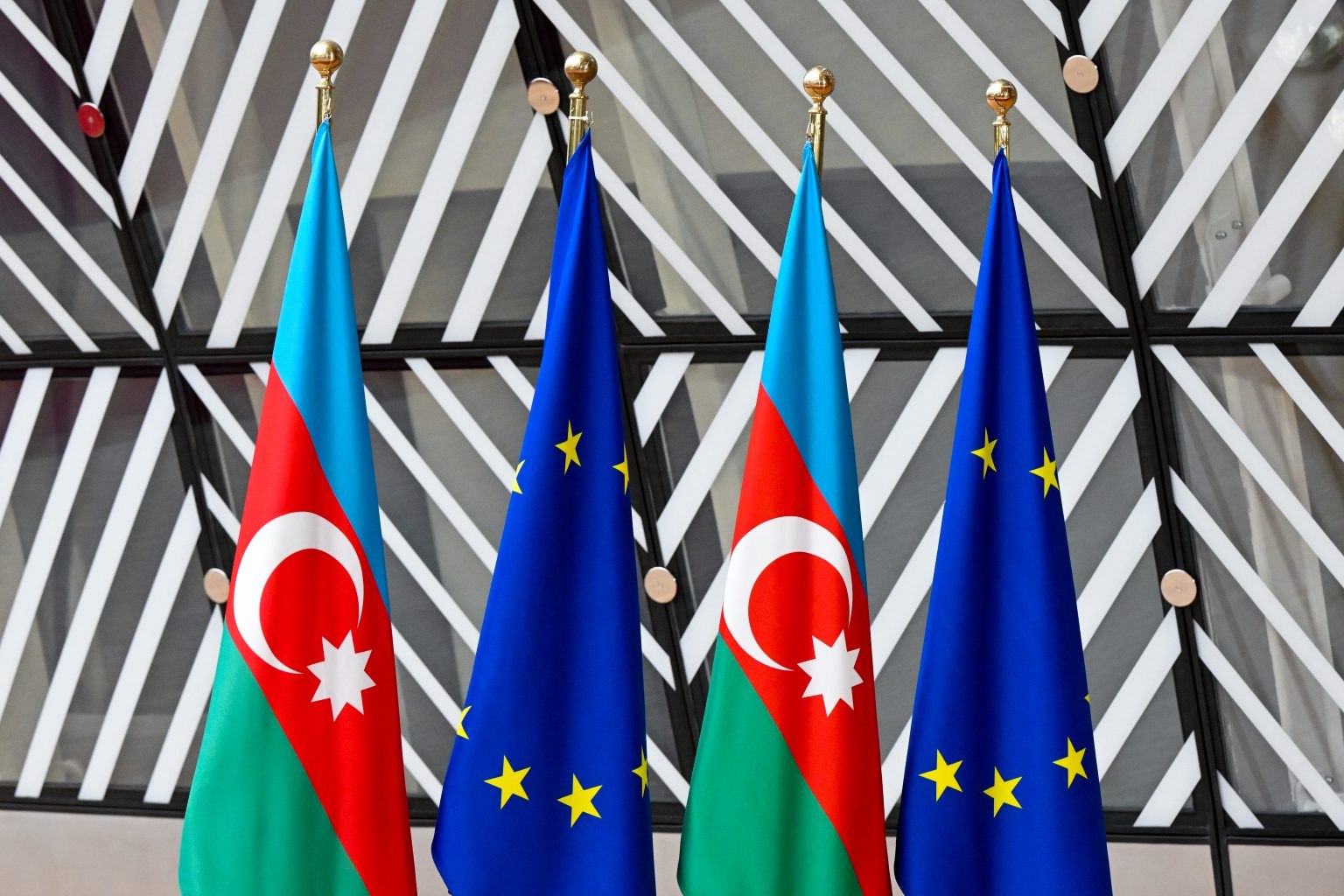
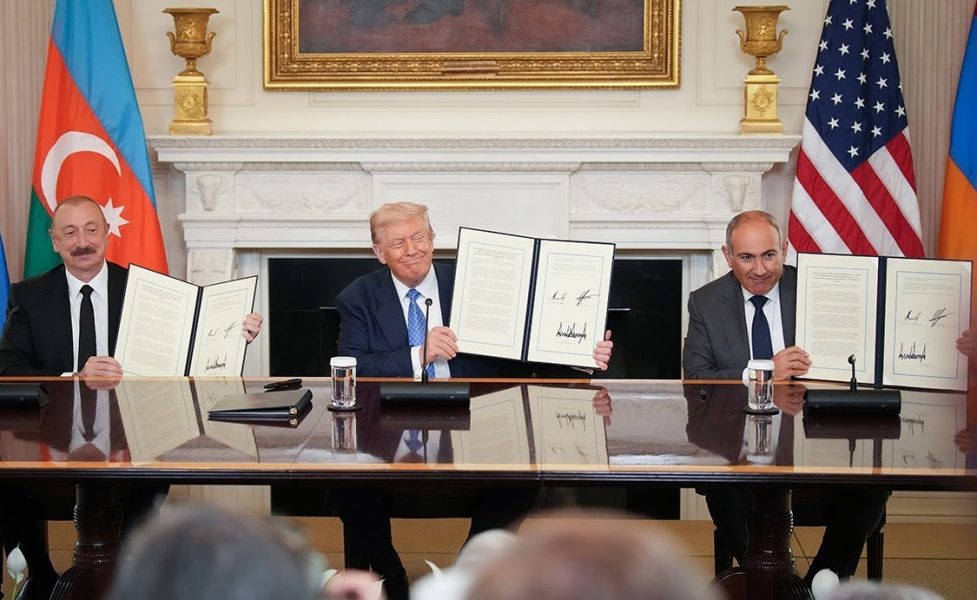
The agreements reached in the US-mediated summit of the Armenian and Azerbaijani leaders in Washington on August 8 are poised to fundamentally reshape the region's future.
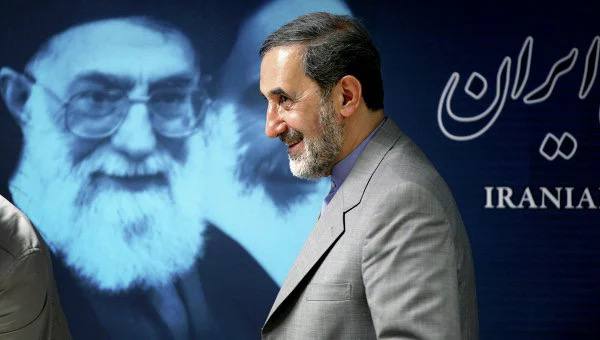
The spread of false narratives is a widely used tool in the ideological sphere, serving primarily tactical purposes. At the same time, attempts are being made to turn it into a companion of strategic policy.
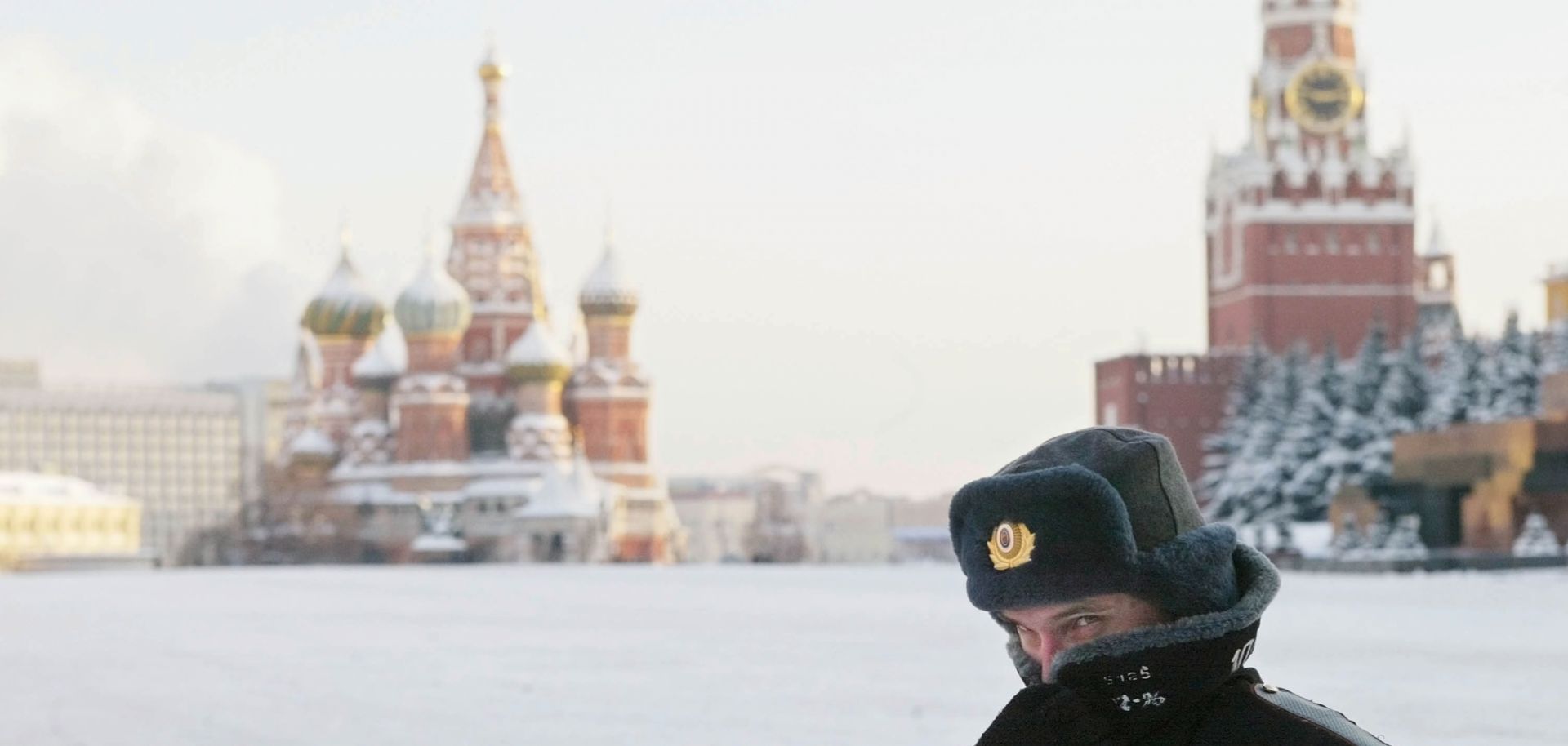
Moscow’s hybrid war strategy in the Caucasus is beginning to crumble, as countries in the region have begun to find their voice.
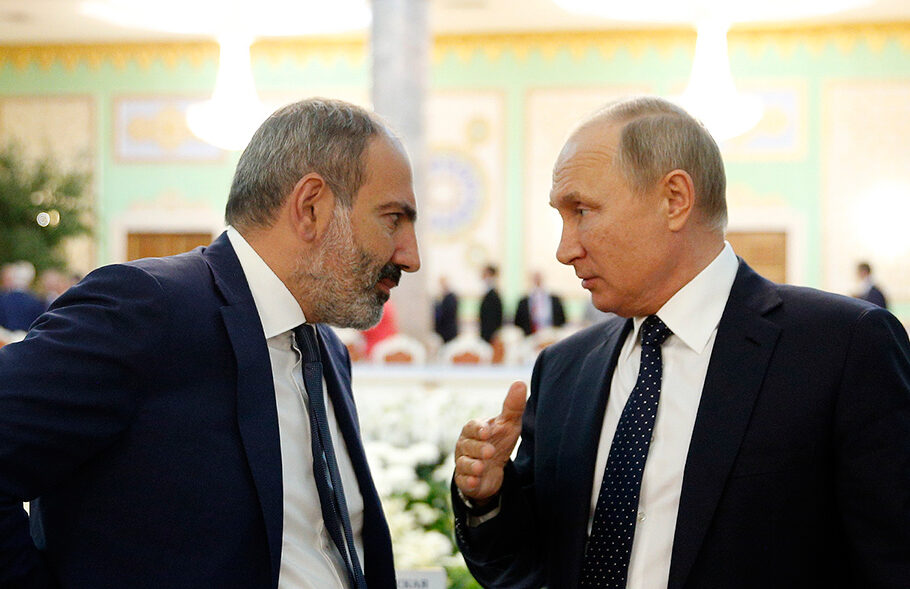
Official Yerevan is making yet another attempt to mend ties with Moscow. As the Speaker of Armenia’s Parliament, Alen Simonyan, announced, Nikol Pashinyan will visit Russia in the coming days, with a meeting planned between him and Russian President Vladimir Putin.
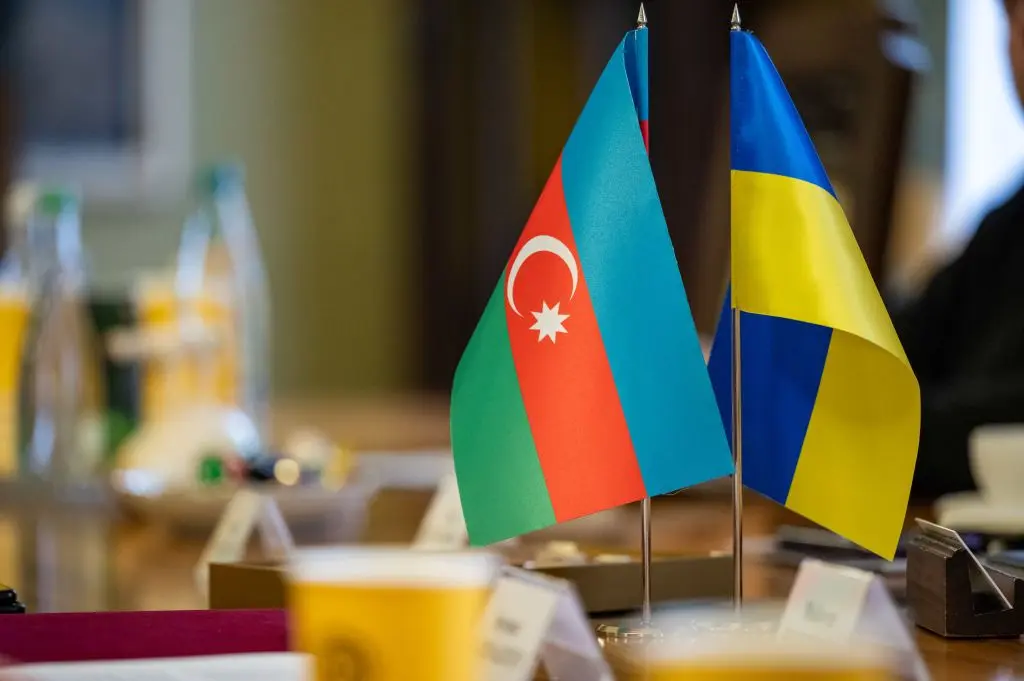
In a recent development, Azerbaijani President Ilham Aliyev signed a decree on August 11 allocating $2 million in humanitarian aid to Ukraine.
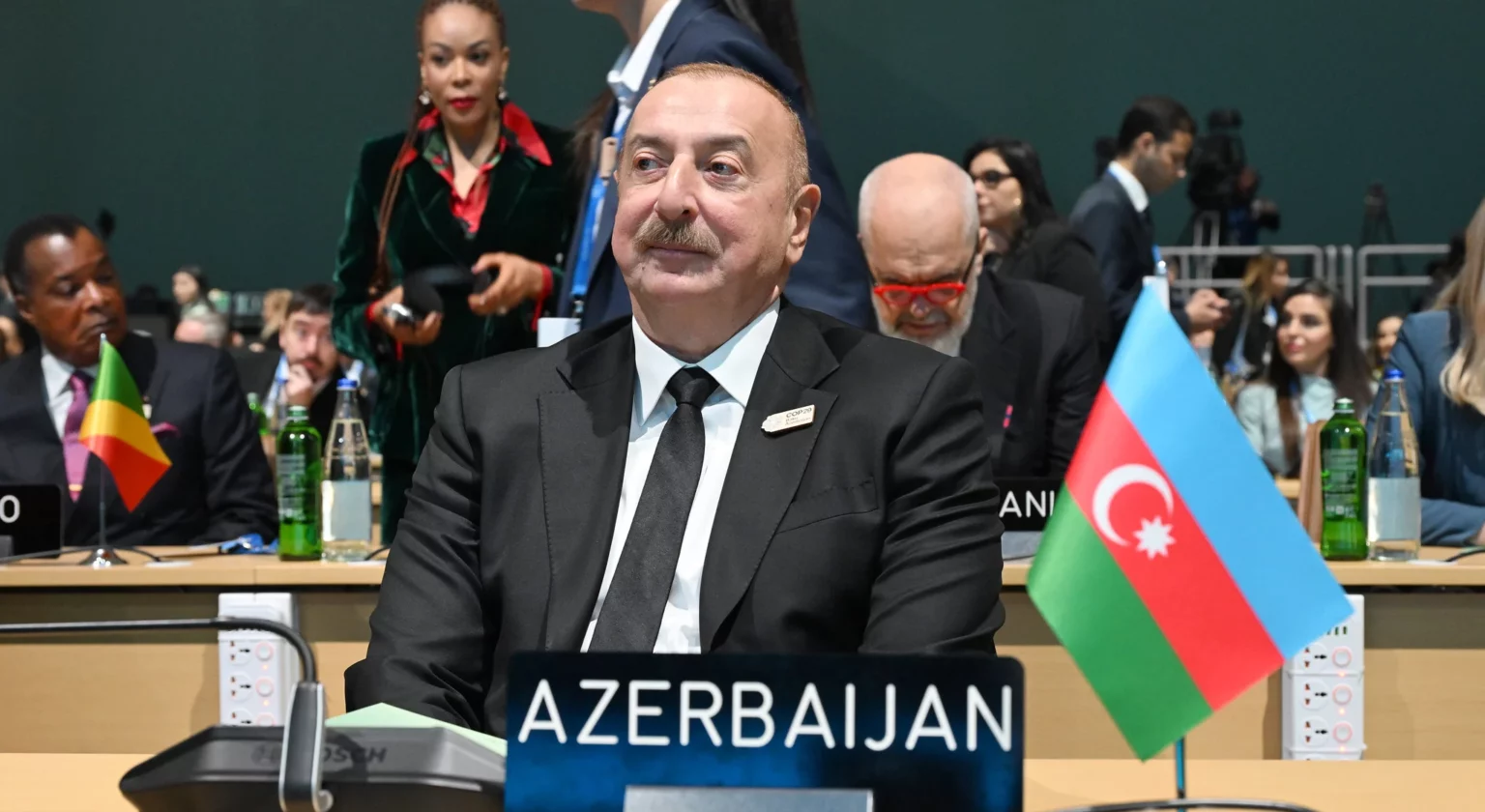
“Think tanks” are beginning to play an increasingly important role in modern global politics. The 13th session of the CICA Think Tank Forum, held in Baku, demonstrated this once again.
In particular, the order given by the Commander-in-Chief, Great Leader Ilham Aliyev, to the Azerbaijani Army in 2020 marked an unprecedented moment in world military history.
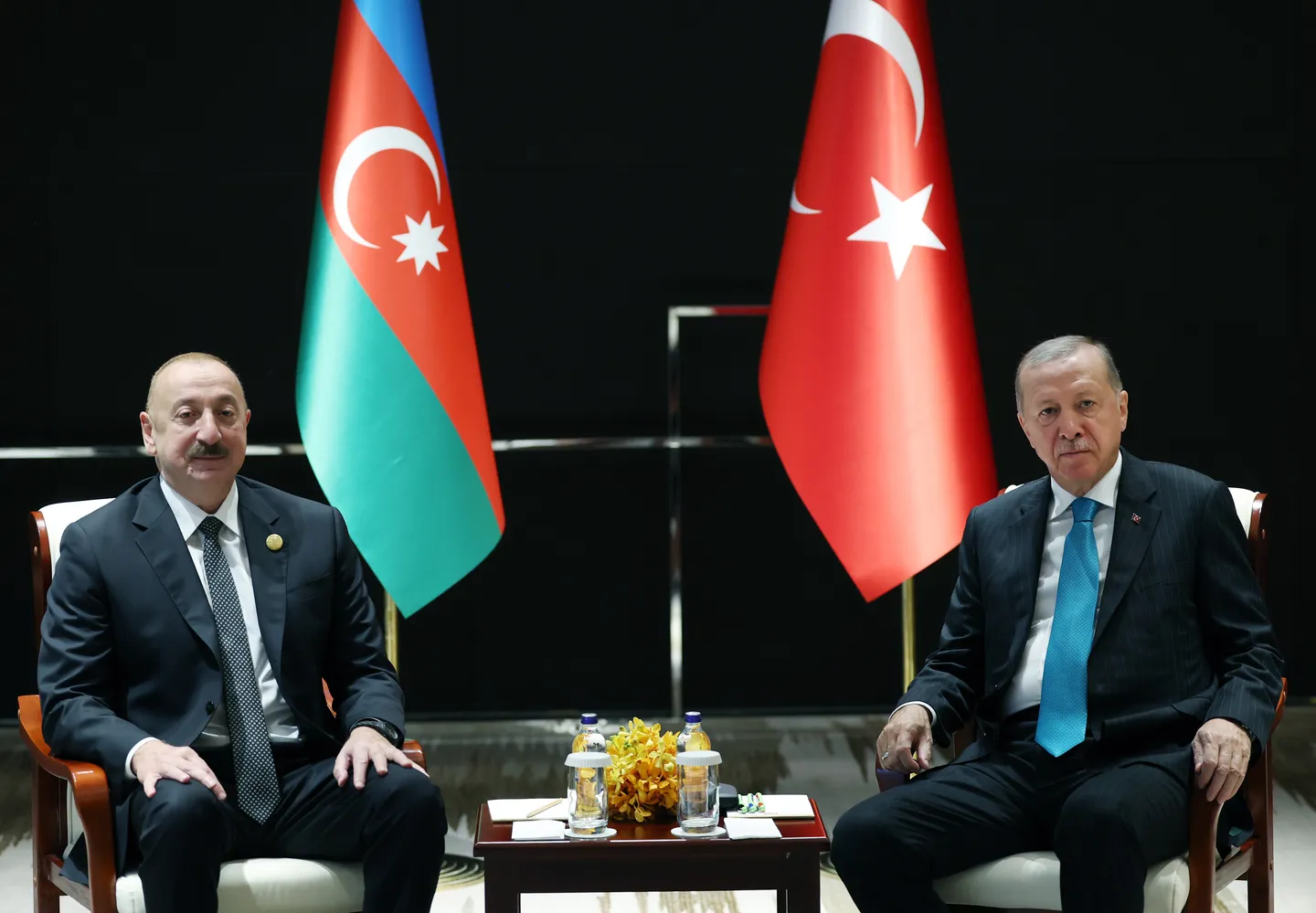
The Shanghai Cooperation Organization (SCO) is at a crossroads, evolving from an area-specific security forum to a multi-dimensional tool of regional cooperation, connectivity, and diplomacy.
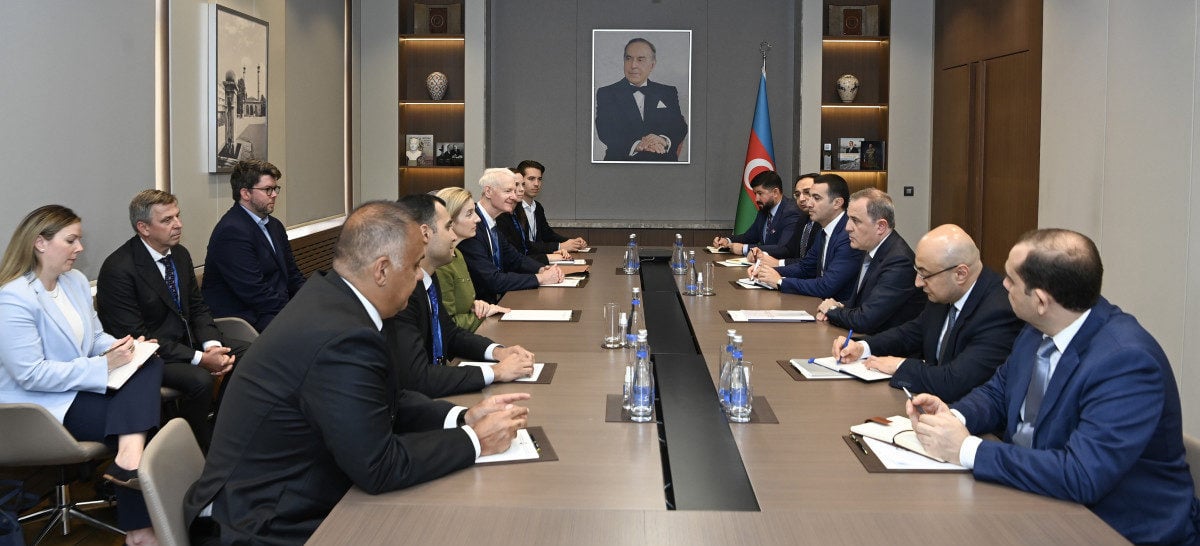
On September 9, representatives of the Certified U.S. Trade Mission visited Azerbaijan to discuss expanding cooperation on the Middle Corridor.
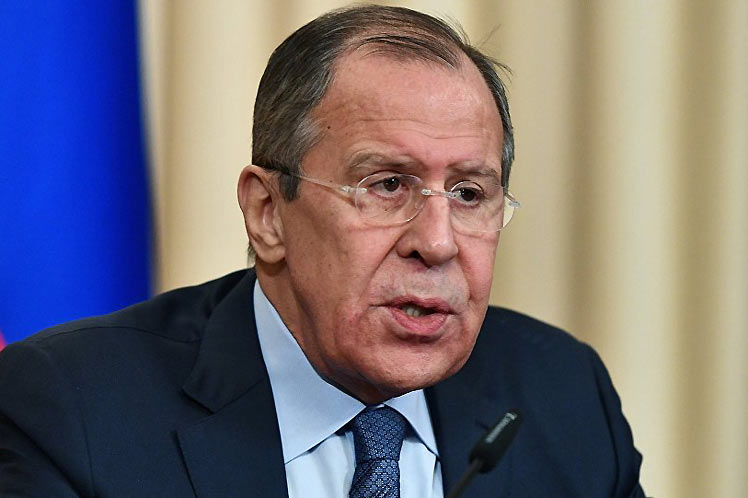
Russian Foreign Minister Sergey Lavrov once again decided to comment on the talks between Azerbaijani President Ilham Aliyev and Armenian Prime Minister Nikol Pashinyan in Washington.
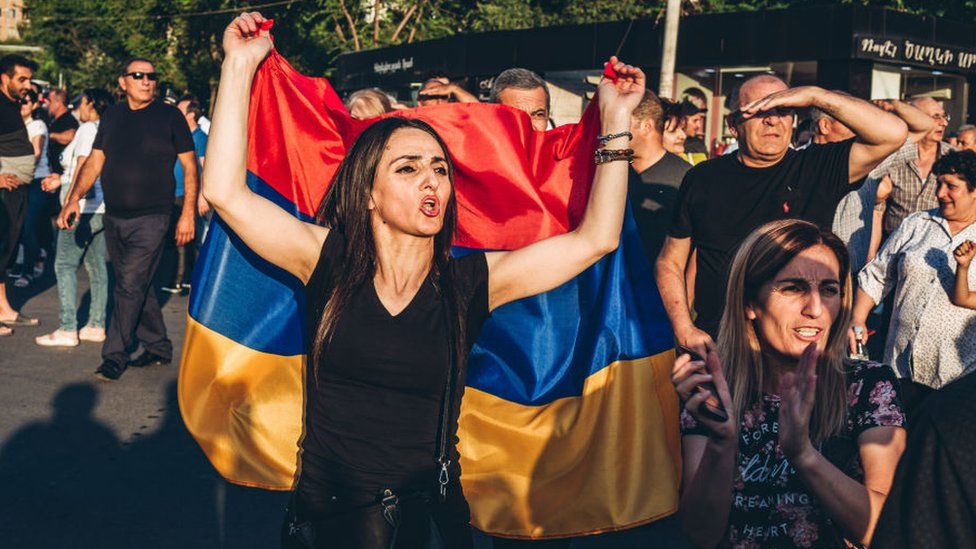
The recent announcement that the OSCE Minsk Group has officially ceased to exist marks another diplomatic victory for Azerbaijan and brings peace in the South Caucasus one step closer.
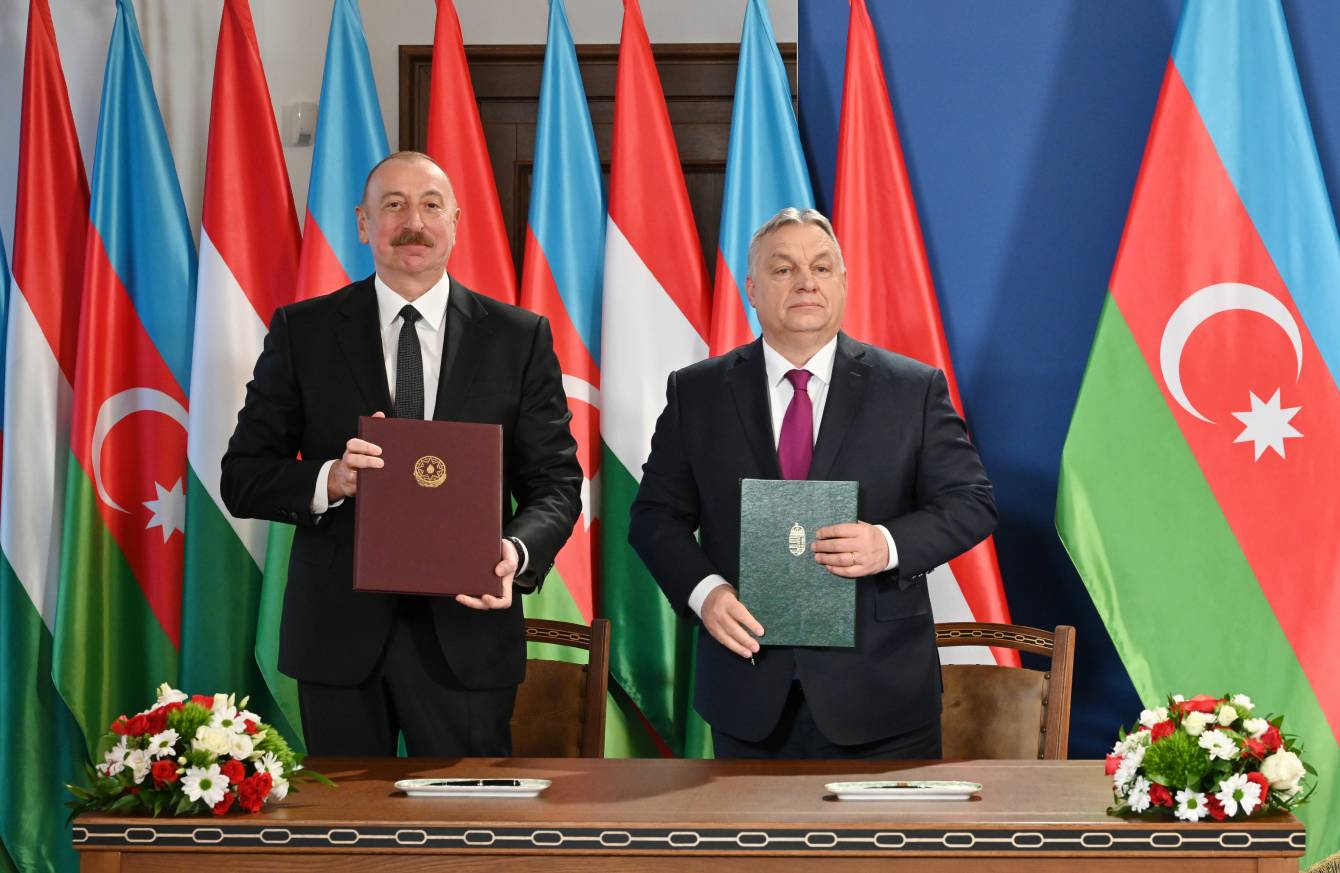
Azerbaijani-Hungarian relations in recent years have shown steady progress, reflecting not only the growth of mutual trade but also the transformation of cooperation into a strategic partnership covering a wide range of areas — from agriculture and pharmaceuticals to energy and the “green” economy.
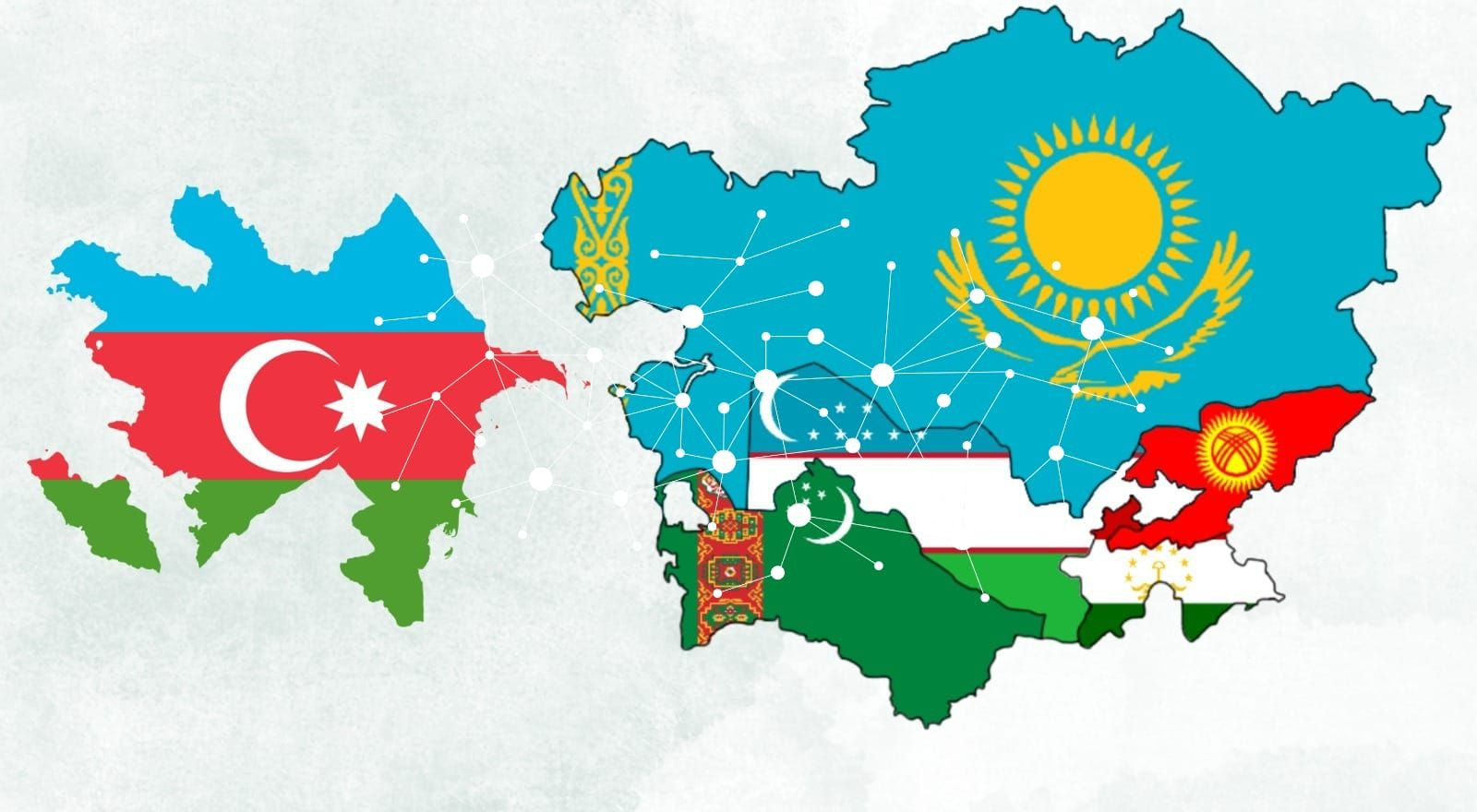
Today, Azerbaijan’s investments in the Middle Corridor and trans-Caspian transport infrastructure offer Central Asia crucial access to European and Turkish markets, bypassing traditional dependency routes.
The SCO stands at a crossroads. Türkiye and Azerbaijan’s participation in the Tianjin summit, and their aspirations for full membership, highlight the organization’s growing global appeal.
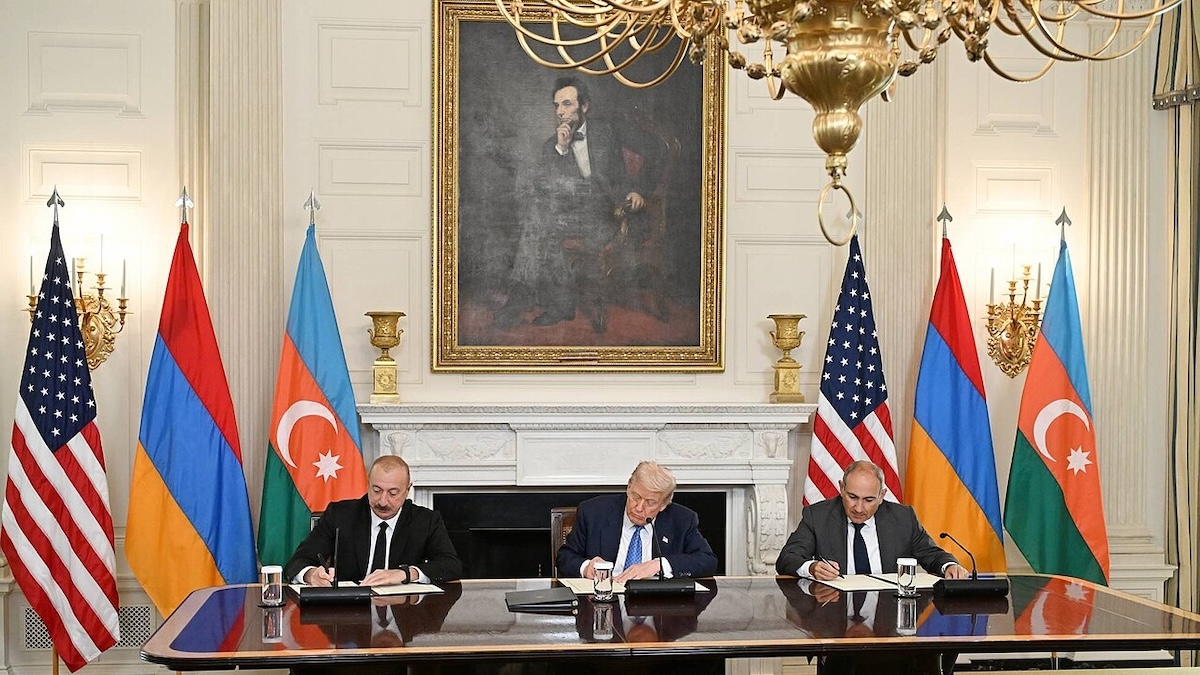
A pivotal challenge lies in Armenia’s constitutional reform process. Azerbaijani President Ilham Aliyev has explicitly linked the peace treaty’s signing to changes in Armenia’s constitution — specifically, removing references to Armenia’s 1990 independence declaration and the 1989 Nagorno-Karabakh unification act.
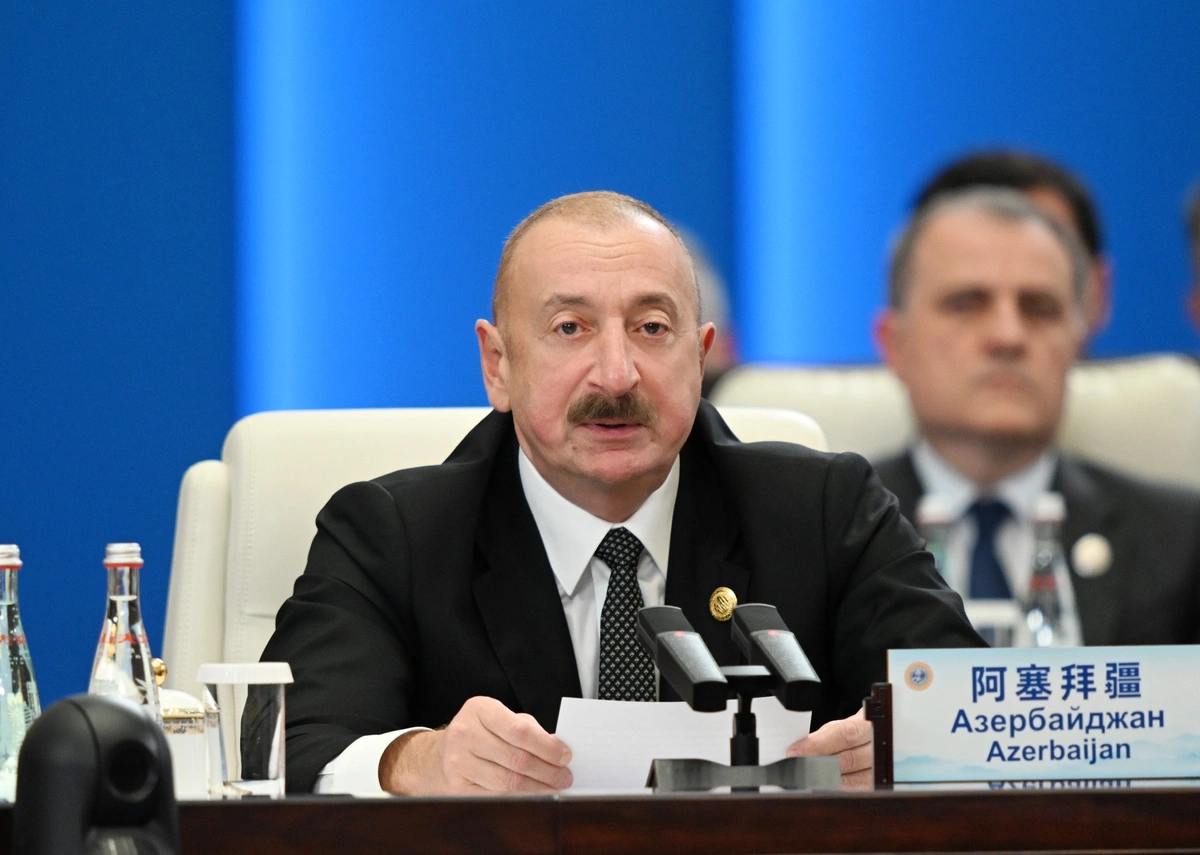
Our country is interested in developing its multifaceted foreign diplomacy by strengthening relations with friendly and partner countries, as well as with international and regional organizations.
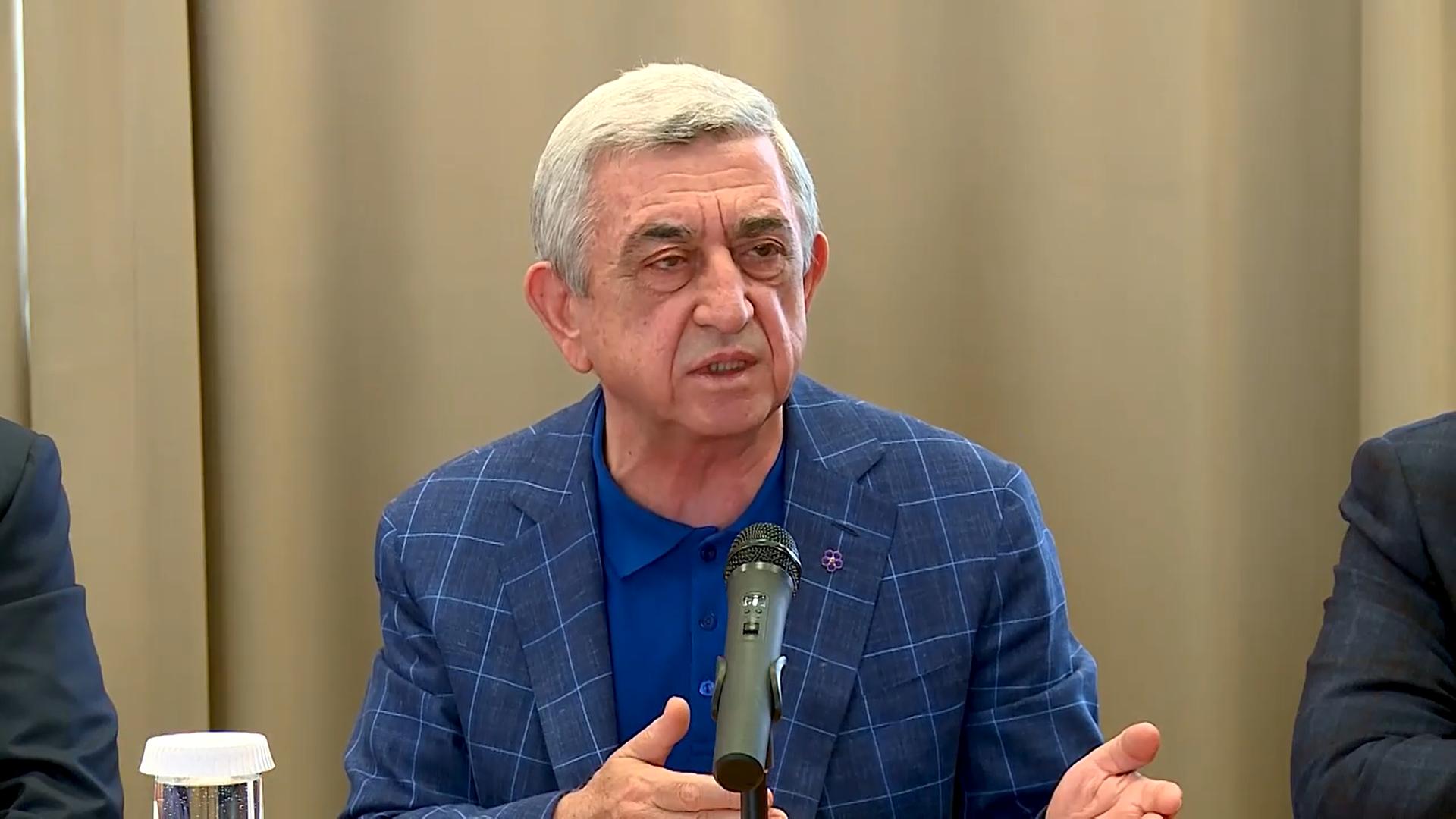
While the Armenian government has openly affirmed its commitment to peace with Azerbaijan, a fact enshrined in the Washington agreements, the perennial opponents of Prime Minister Pashinyan’s policy continue their vile attempts to torpedo this process.
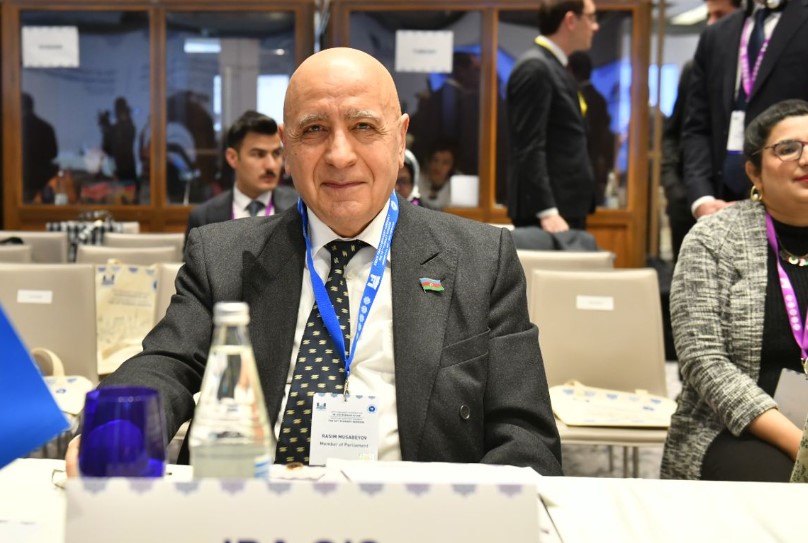
India vetoed Azerbaijan’s accession to the Shanghai Cooperation Organization (SCO). By doing so, New Delhi blocked China’s efforts to expand the organization.
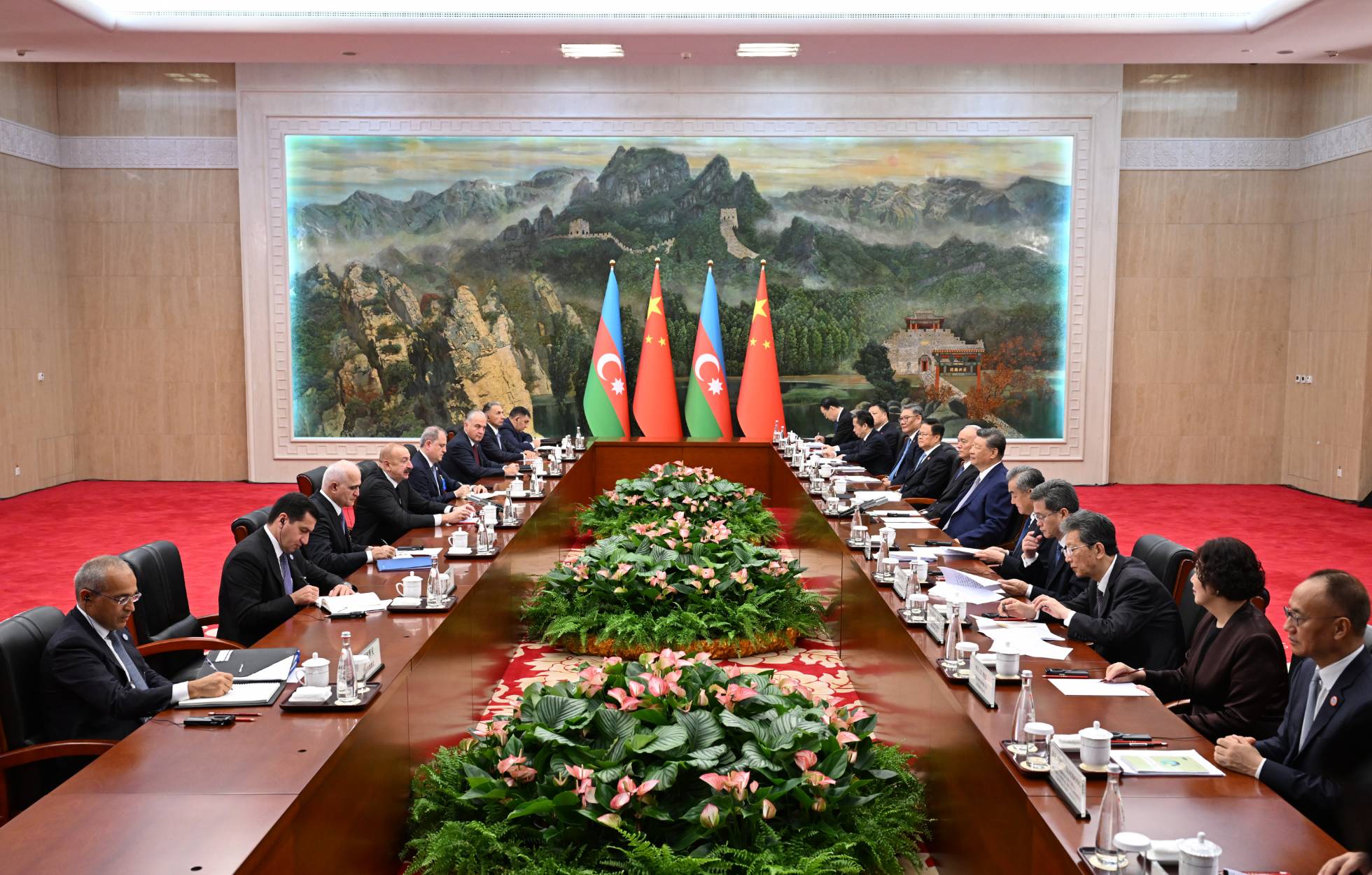
In recent years, trade between China and Azerbaijan has demonstrated steady growth. From about $1.3 billion in 2018, turnover reached $3.2 billion by 2023—an increase of more than 2.4 times.
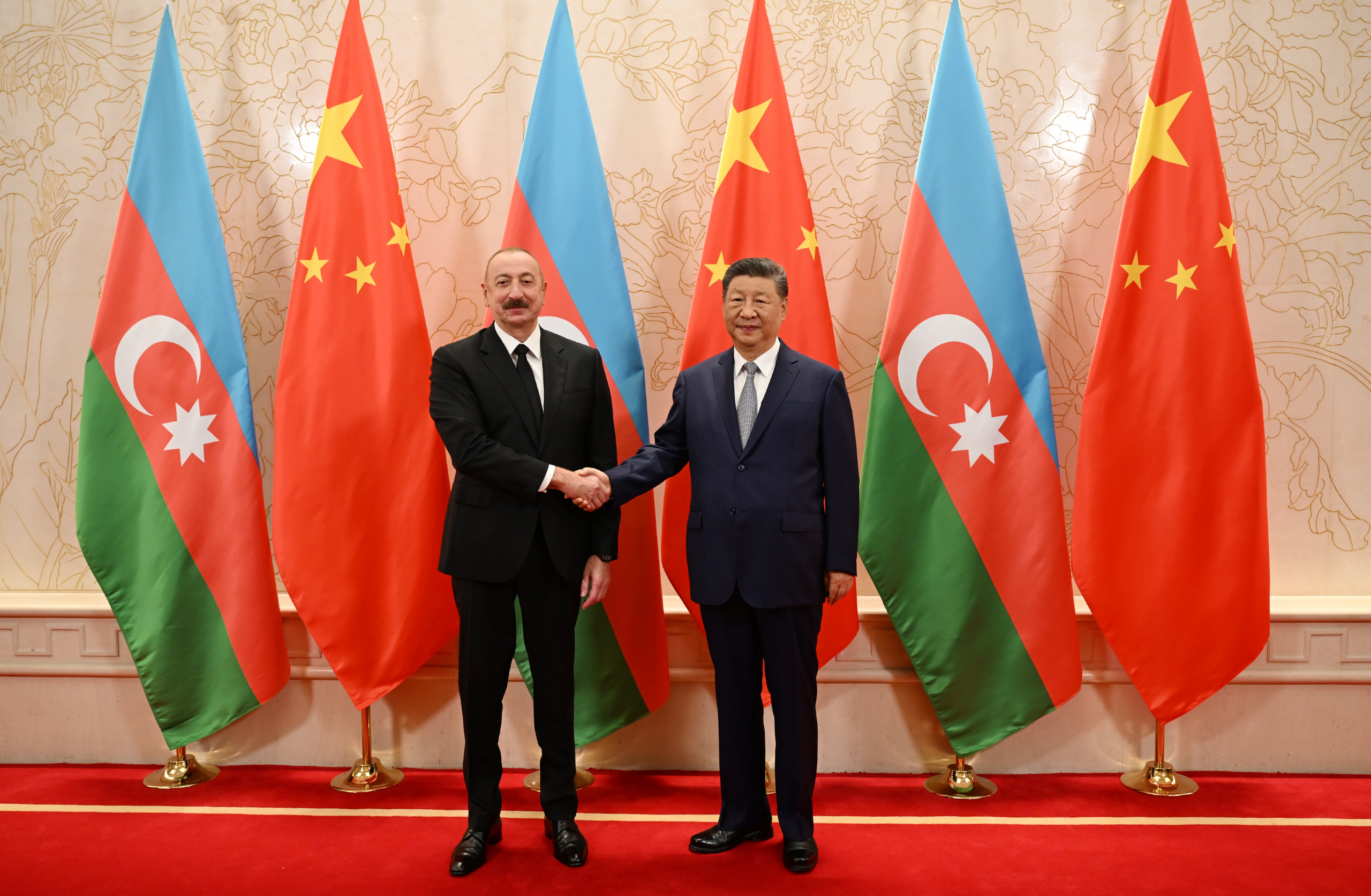
In the context of the Trans-Caspian Corridor, Ilham Aliyev placed special emphasis on the importance of its key component, the Zangezur Corridor.