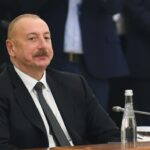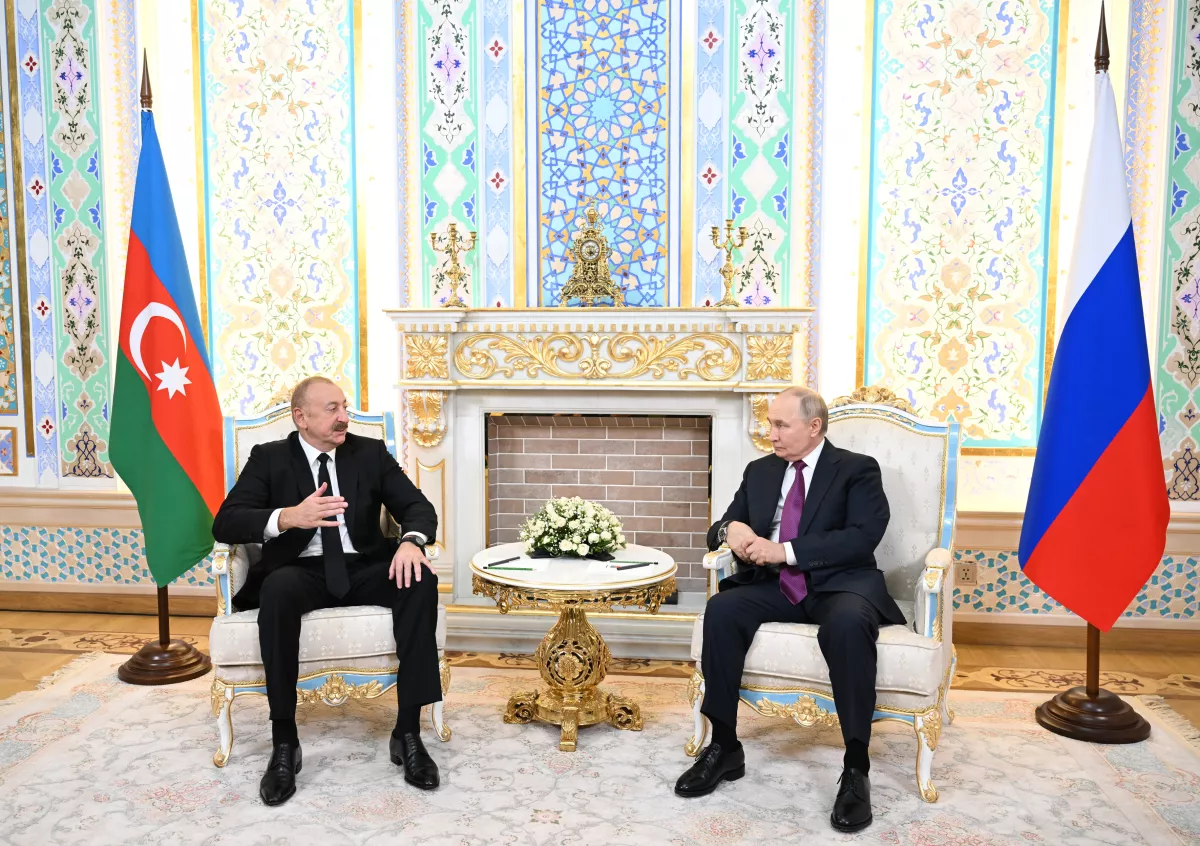
The talks held in the capital of Tajikistan, Dushanbe, between the Presidents of Azerbaijan and Russia — Ilham Aliyev and Vladimir Putin — will remain in the focus of experts and analysts for a long time.

The talks held in the capital of Tajikistan, Dushanbe, between the Presidents of Azerbaijan and Russia — Ilham Aliyev and Vladimir Putin — will remain in the focus of experts and analysts for a long time.
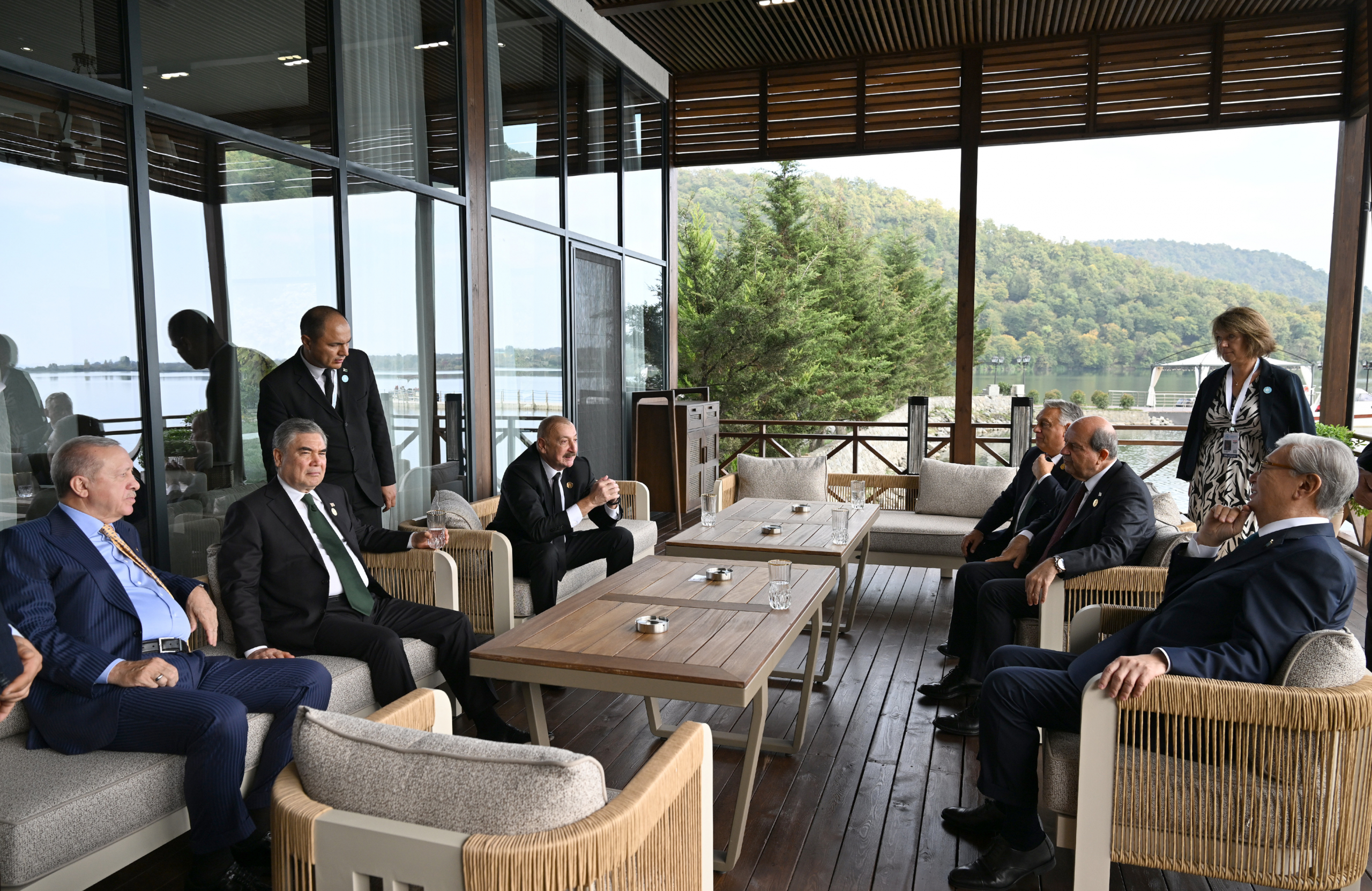
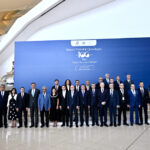
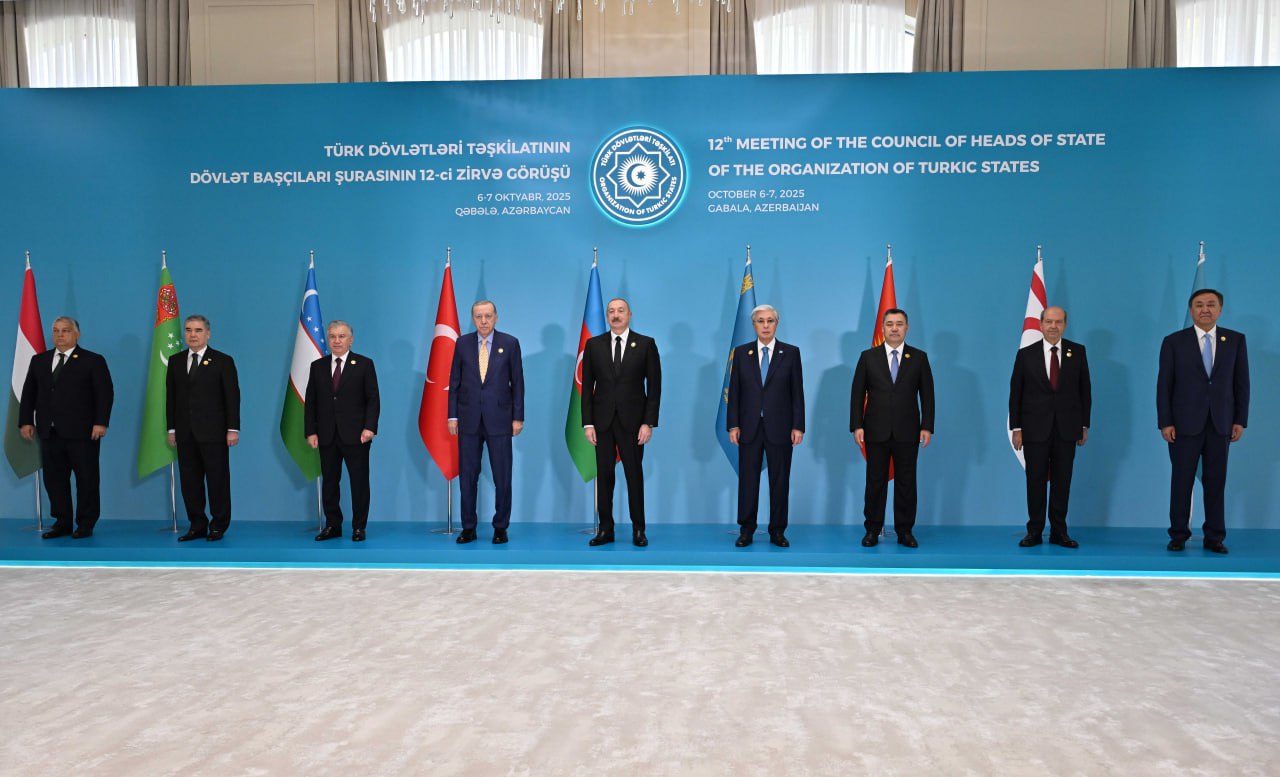
On October 7, the 12th Summit of the Council of Heads of State of the Organization of Turkic States (OTS) took place in Gabala. This summit can rightfully—and should—be regarded as a landmark political event for the entire Turkic world.
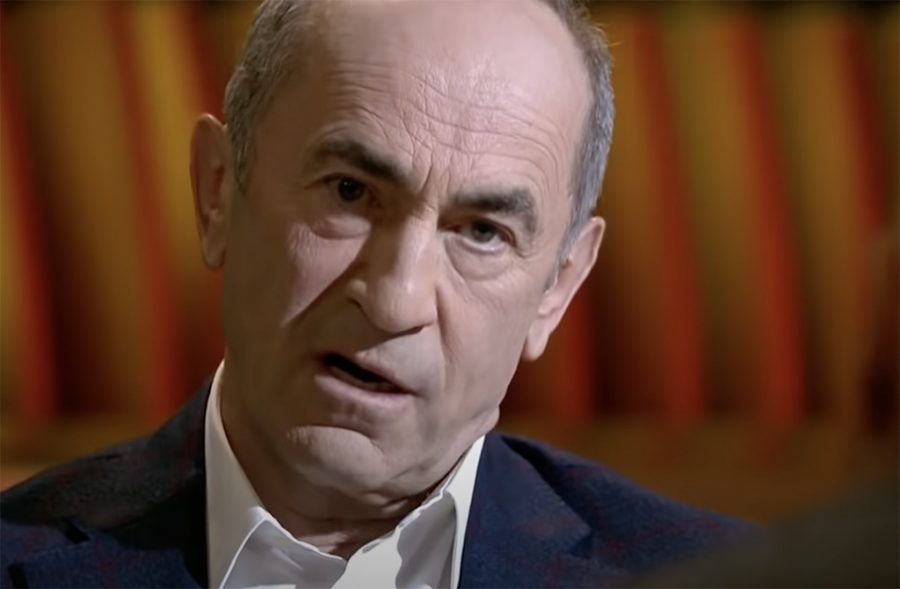
In the camp of Armenian revanchists there is a serious revival with a distinct smell of mothballs. Robert Kocharyan — the second president of Armenia and, at the same time, a war criminal — held his press conference.
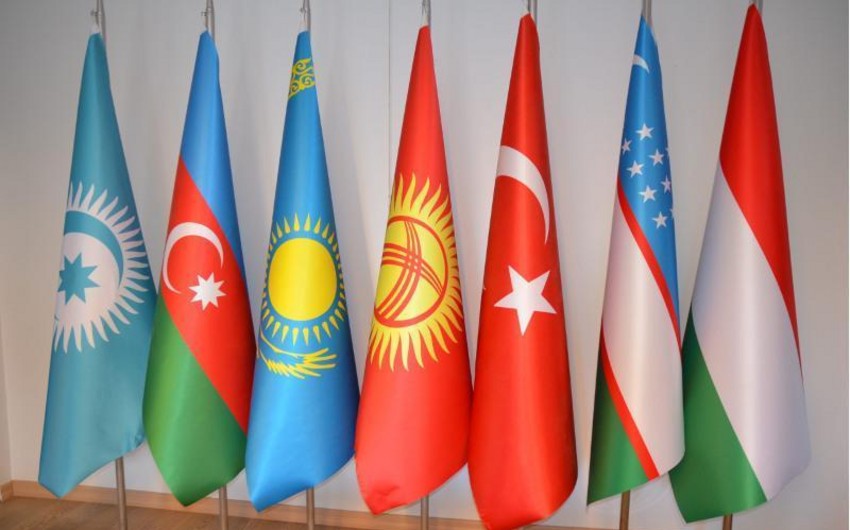
As its annual summit convenes, what role does the Istanbul-based organization play among the shifting constellation of international groupings?
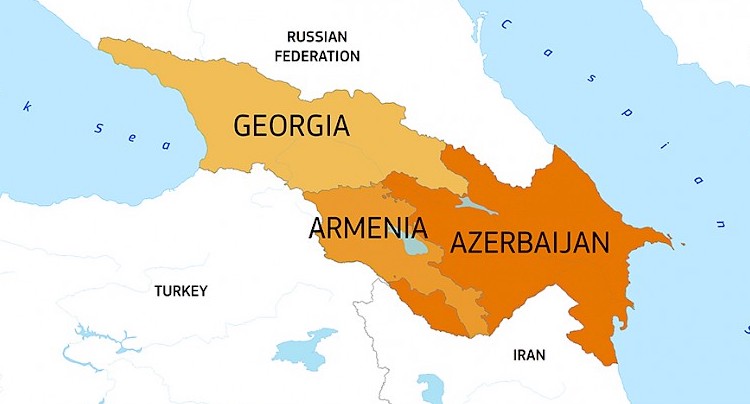
Since the Second Karabakh War, Russia’s ally in Syria – Bashar al-Assad – was overthrown, Iran’s network of proxies has been destroyed, and Iran has become severely weakened after Israeli and US attacks on its military.
Today, the 12th Summit of the Organization of Turkic States (OTS) opens in Gabala. The official theme is “Regional Peace and Security,” yet in practice, the participants are discussing a wide range of development goals for the OTS over the next three to five years.
Today in Gabala, the 12th Summit of the Council of Heads of State of the Organization of Turkic States (OTS) begins its work.
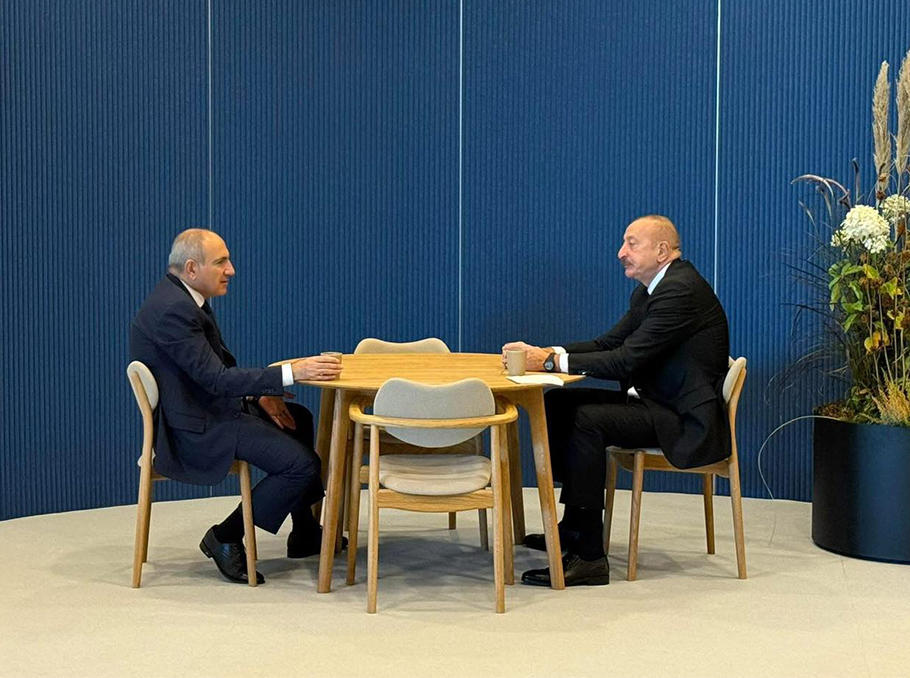
Over the course of two days, October 1–2, the Danish capital Copenhagen turned into the political hub of Europe: first came the EU summit, followed a day later by the European Political Community summit.
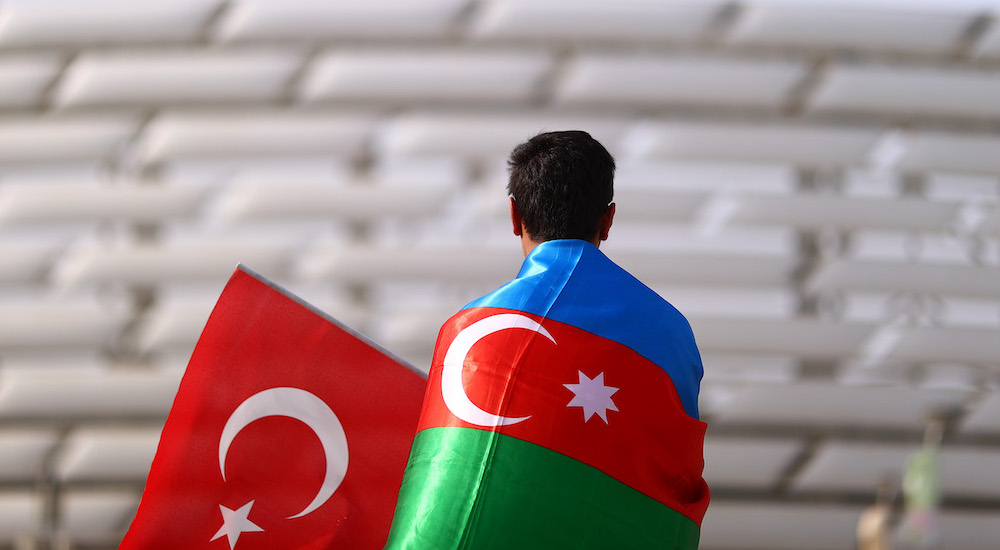
Every country that seeks to increase its influence would dream of having as an ally a country like Azerbaijan! And in this Turkey is fortunate…
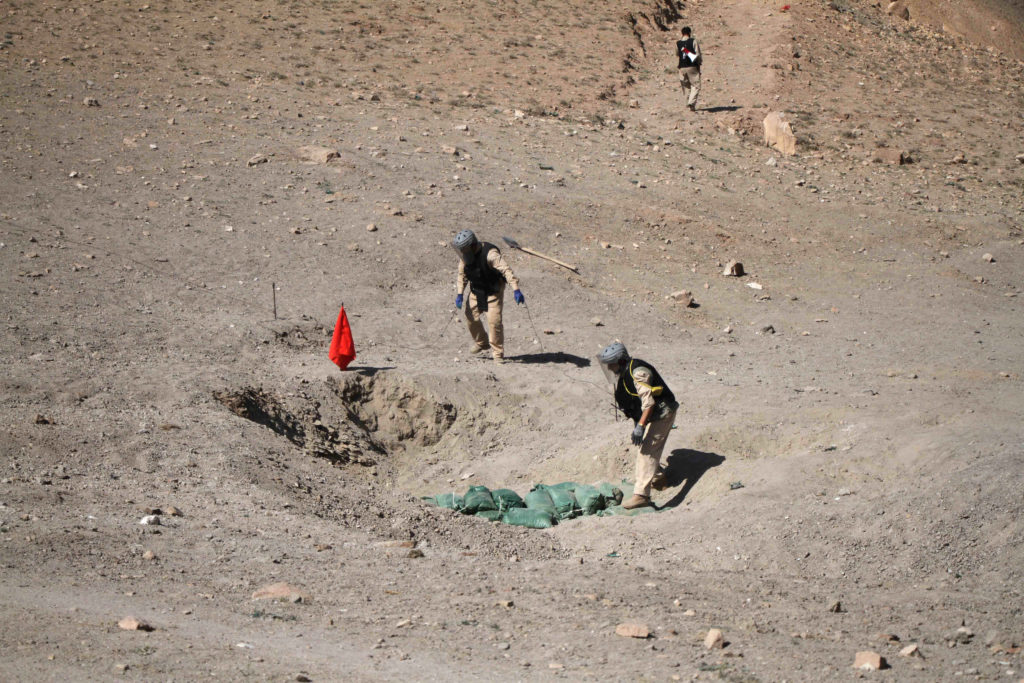
The South Caucasus is at a pivotal crossroads in its history.
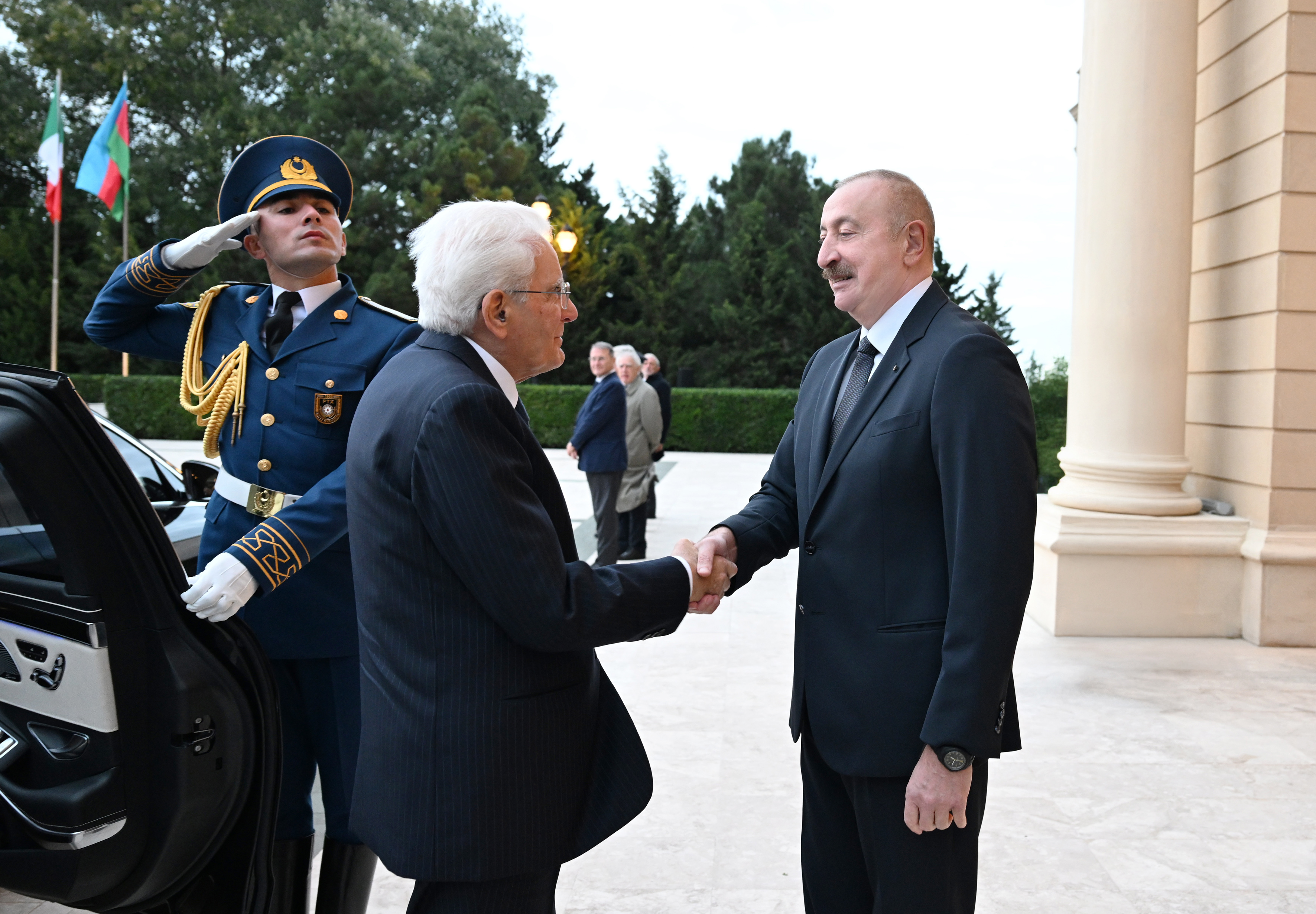
The structure of bilateral trade works in Baku’s favor: while Azerbaijan’s exports to Italy are measured in billions, imports from Italy are much smaller—around $515.8 million in 2024.
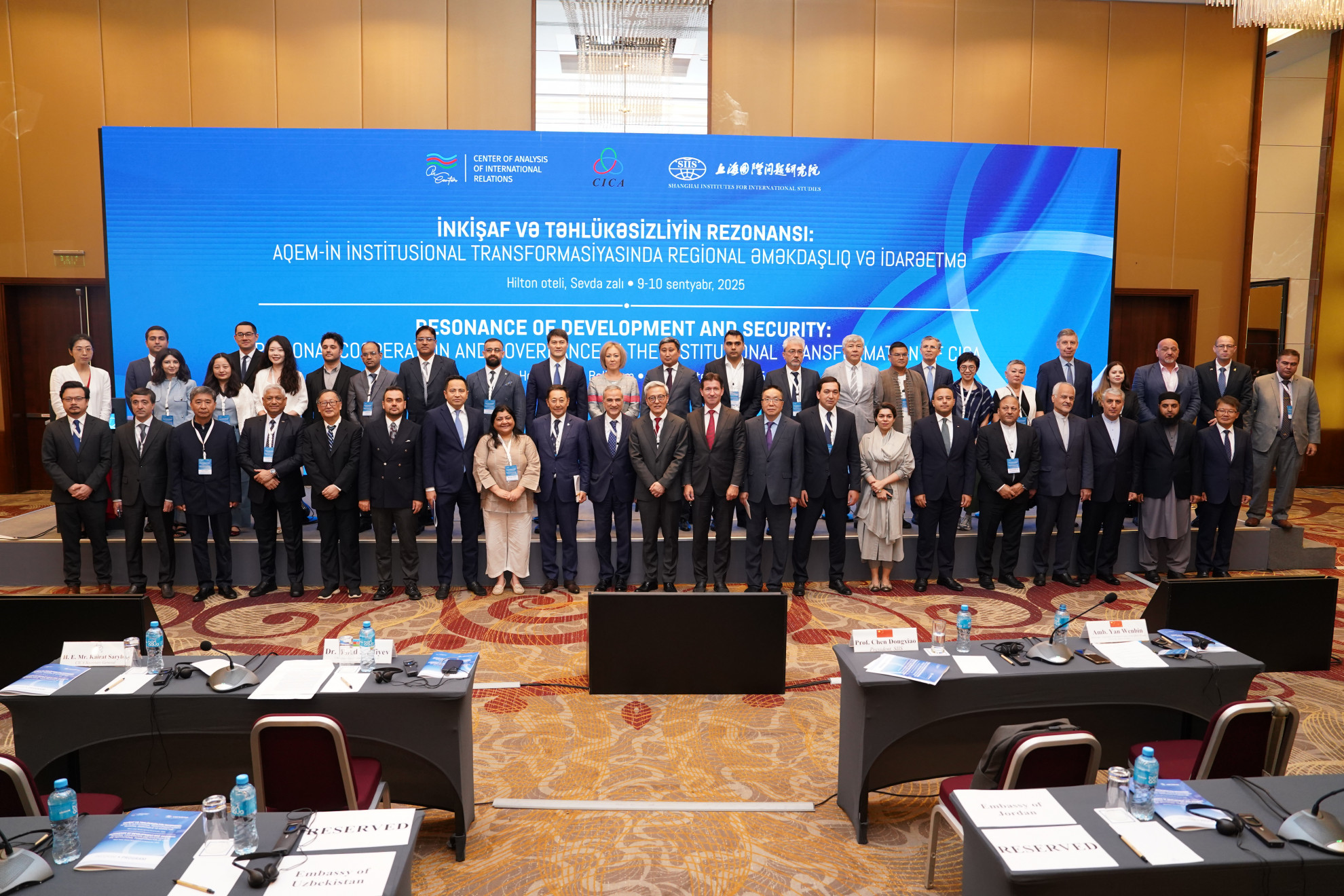
A conference of think tanks from the member states of the Organisation of Turkic States (OTS) concluded in Baku, under the agenda: “Organisation of Turkic States as a Regional Actor During Global Uncertainty .”
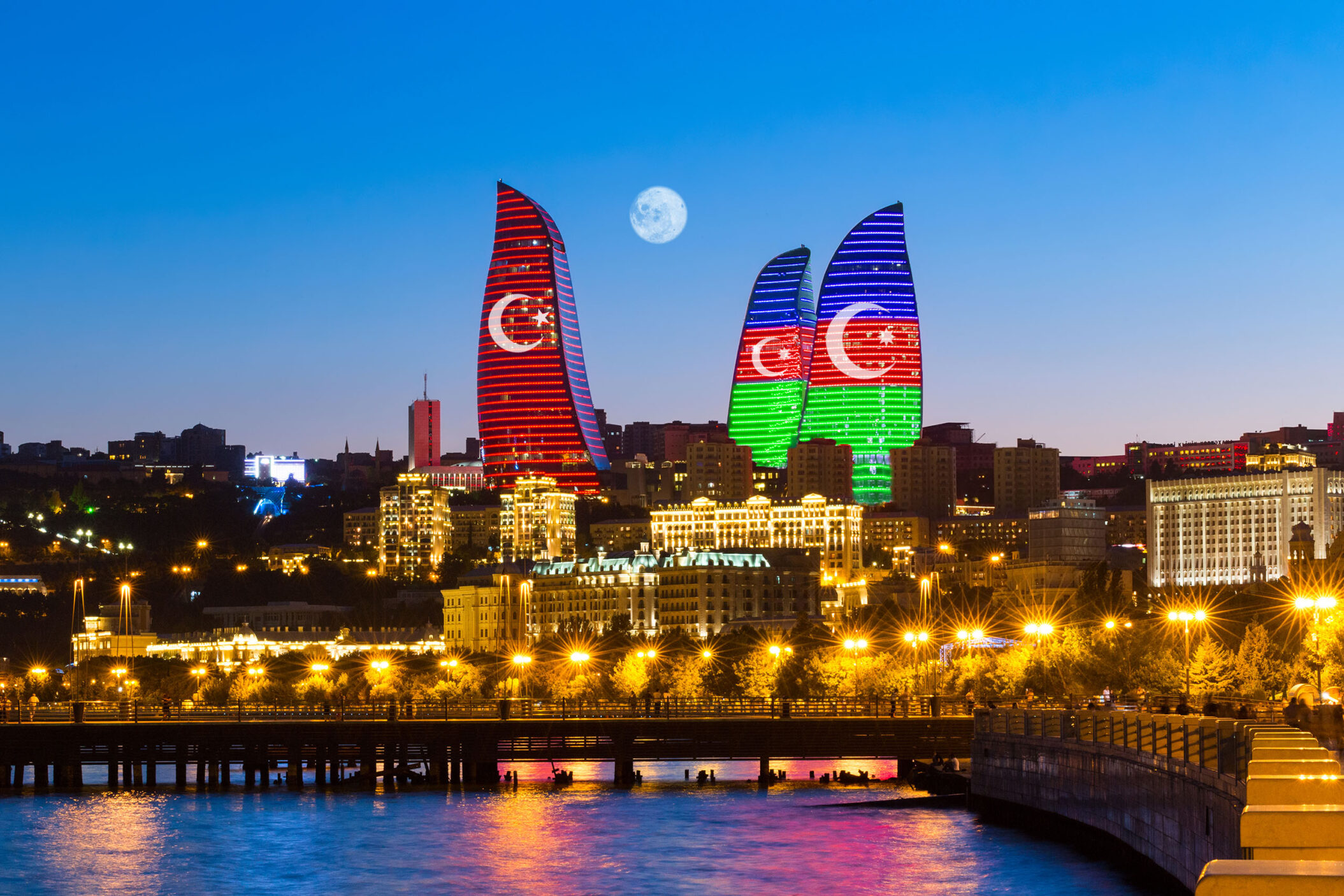
Imagine a Russian-made oligarch was parachuted into a fake state illegally occupying the territory of another country to take control of it for the Kremlin.
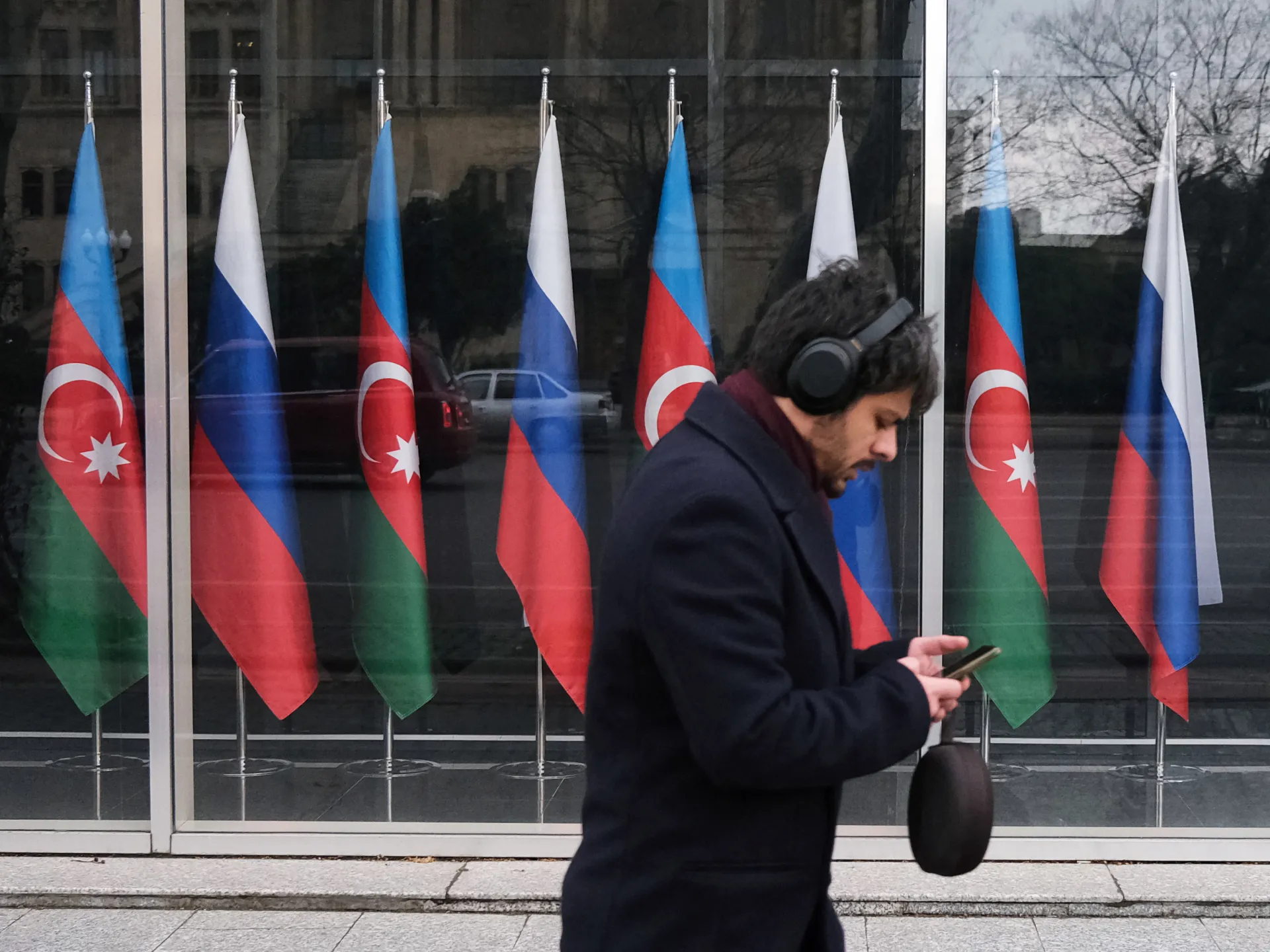
It can be said with confidence that there will be no return to the situation before the crash of the AZAL plane, which was shot down by the Russian Armed Forces.
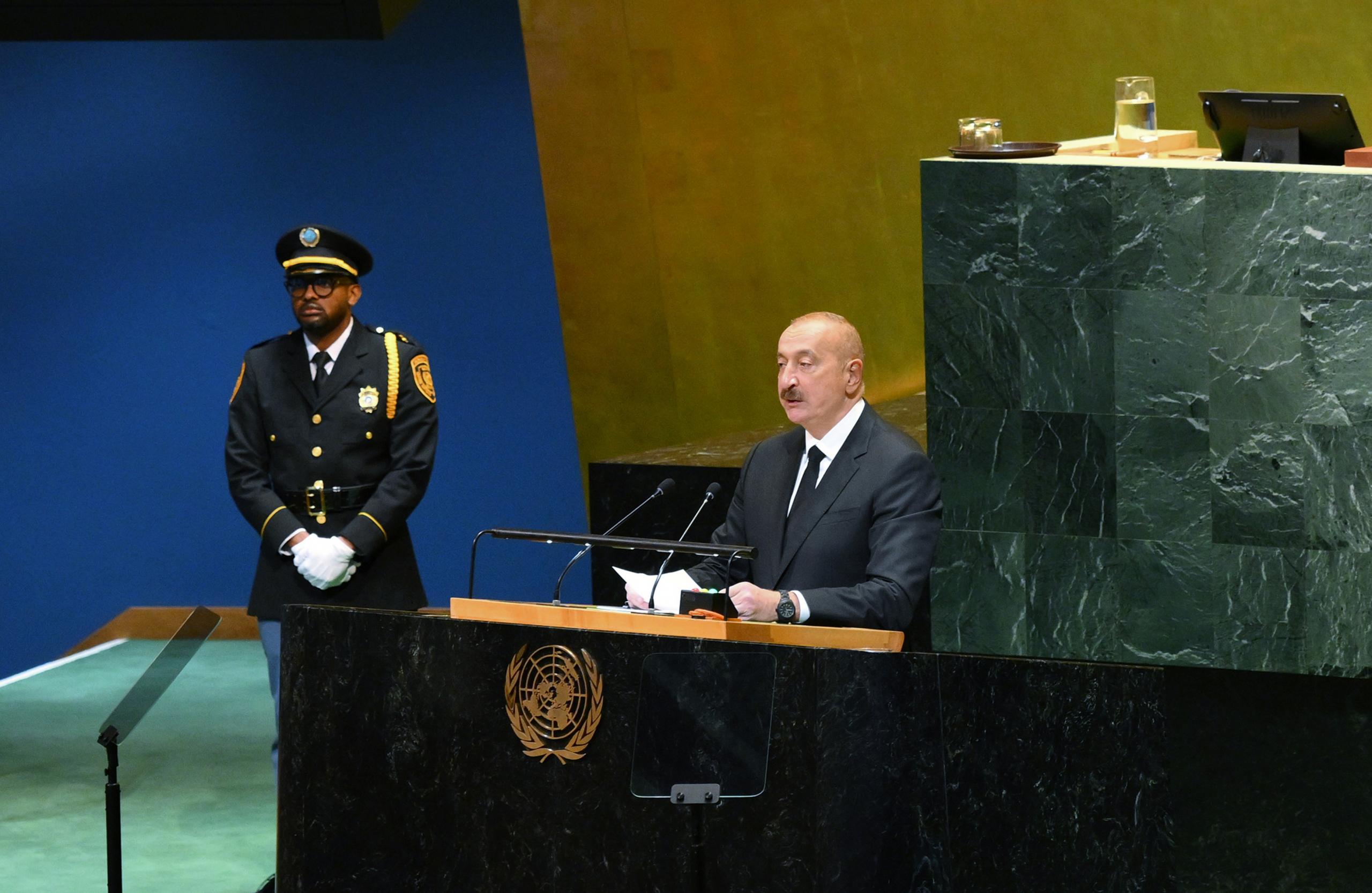
Undoubtedly, a president’s speech at the UNGA is a major event in the political life of any country. The UN platform is still regarded as the most important international stage.
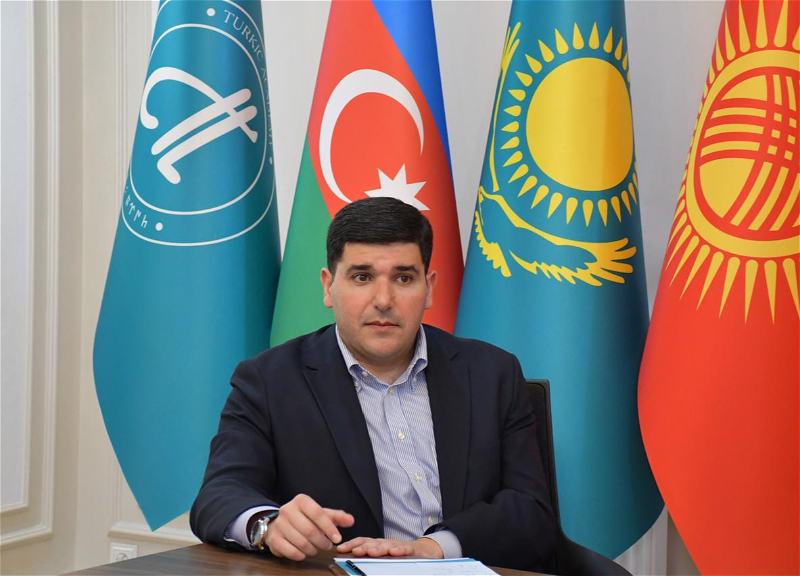
The speech of Azerbaijani President Ilham Aliyev at the 80th anniversary session of the UN General Assembly became a powerful political message, outlining the country’s priorities both domestically and internationally.
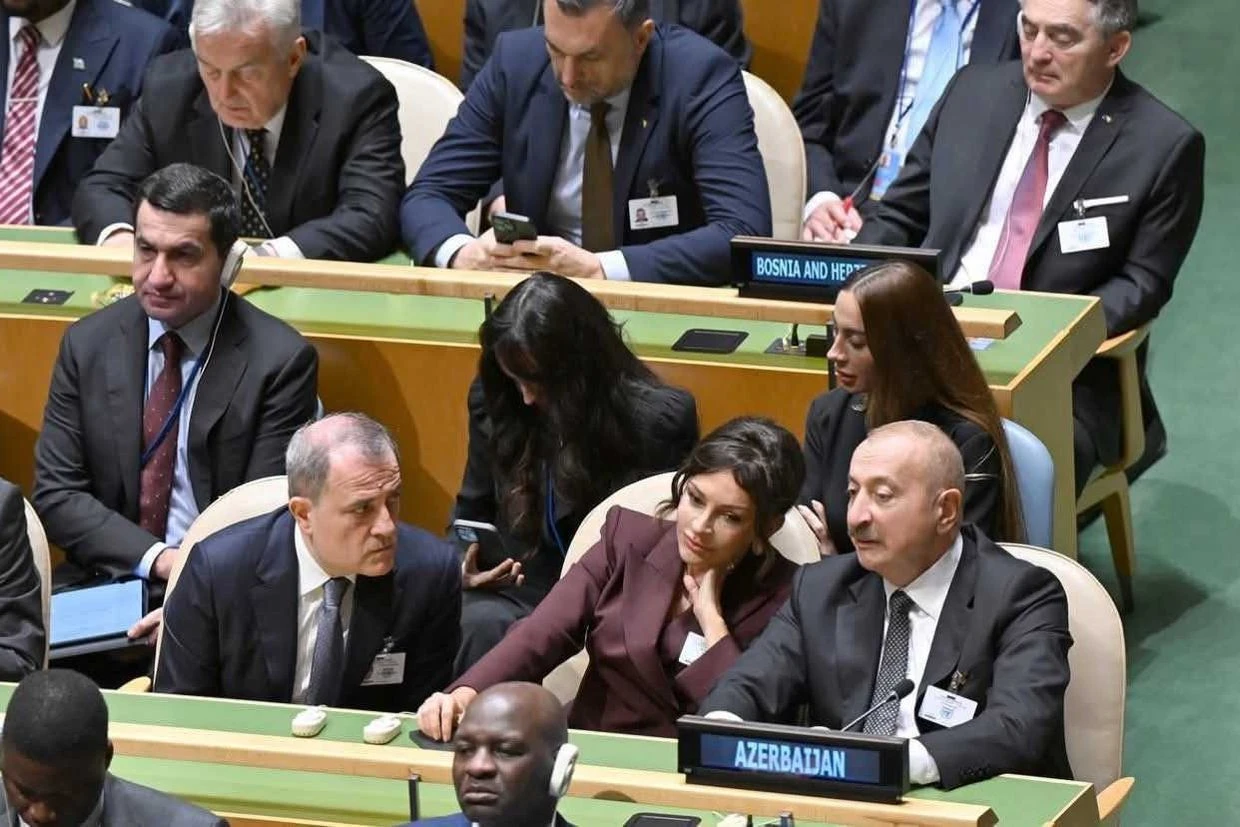
This week’s events have once again highlighted Azerbaijan’s growing influence on the global stage.
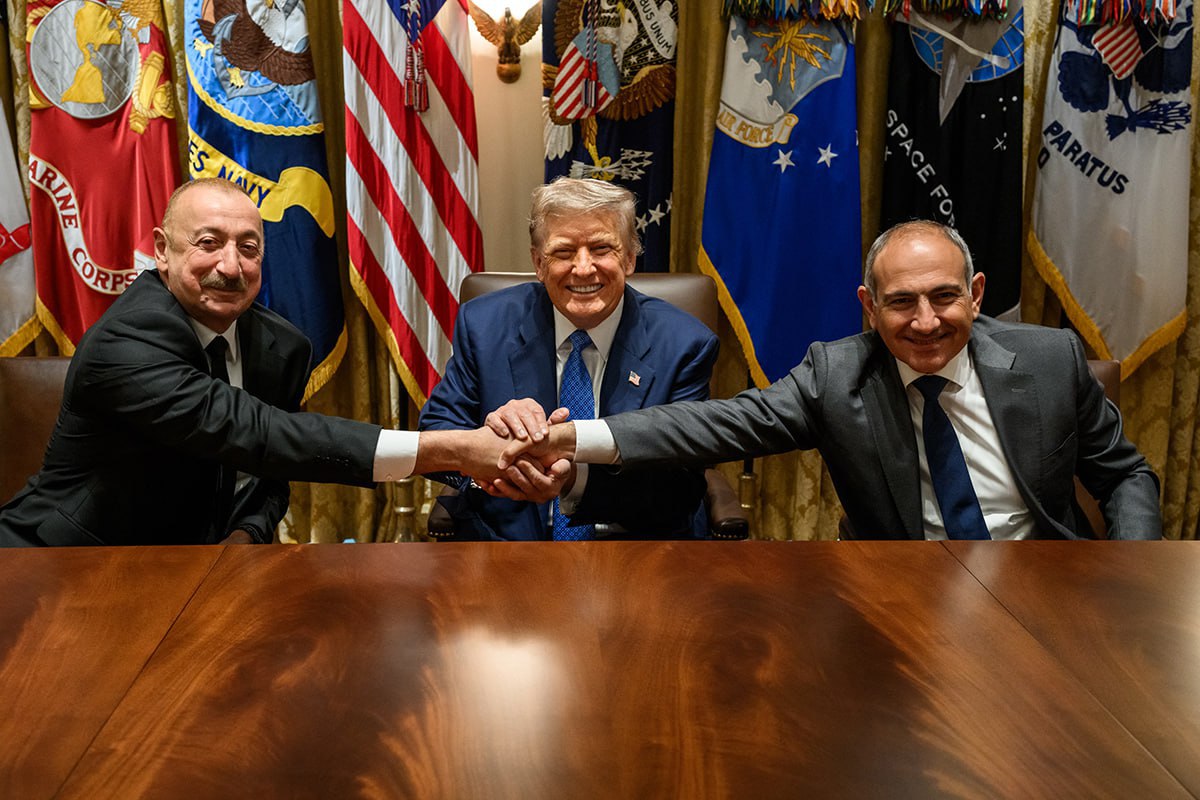
President Ilham Aliyev tells UN General Assembly Washington summit marked breakthrough for peace treaty and bilateral ties.
Tomorrow, September 25, President Ilham Aliyev is scheduled to address the UN General Assembly from its high podium—a key moment we will cover in our upcoming publications.
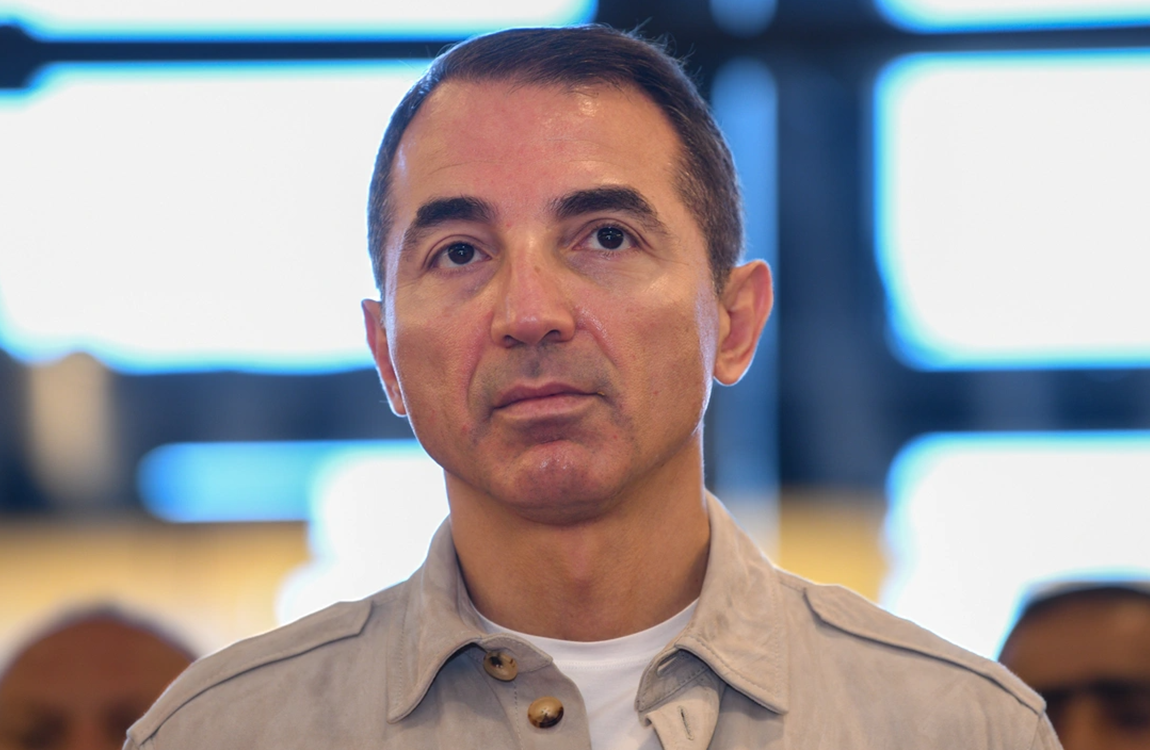
The arrest of Adnan Ahmadzade, for obvious reasons, remains at the center of attention in Azerbaijan — and beyond. Official information on what exactly the former SOCAR vice president is being accused of has not yet been made public. Leaked details, however, have fueled the most far-fetched speculations.
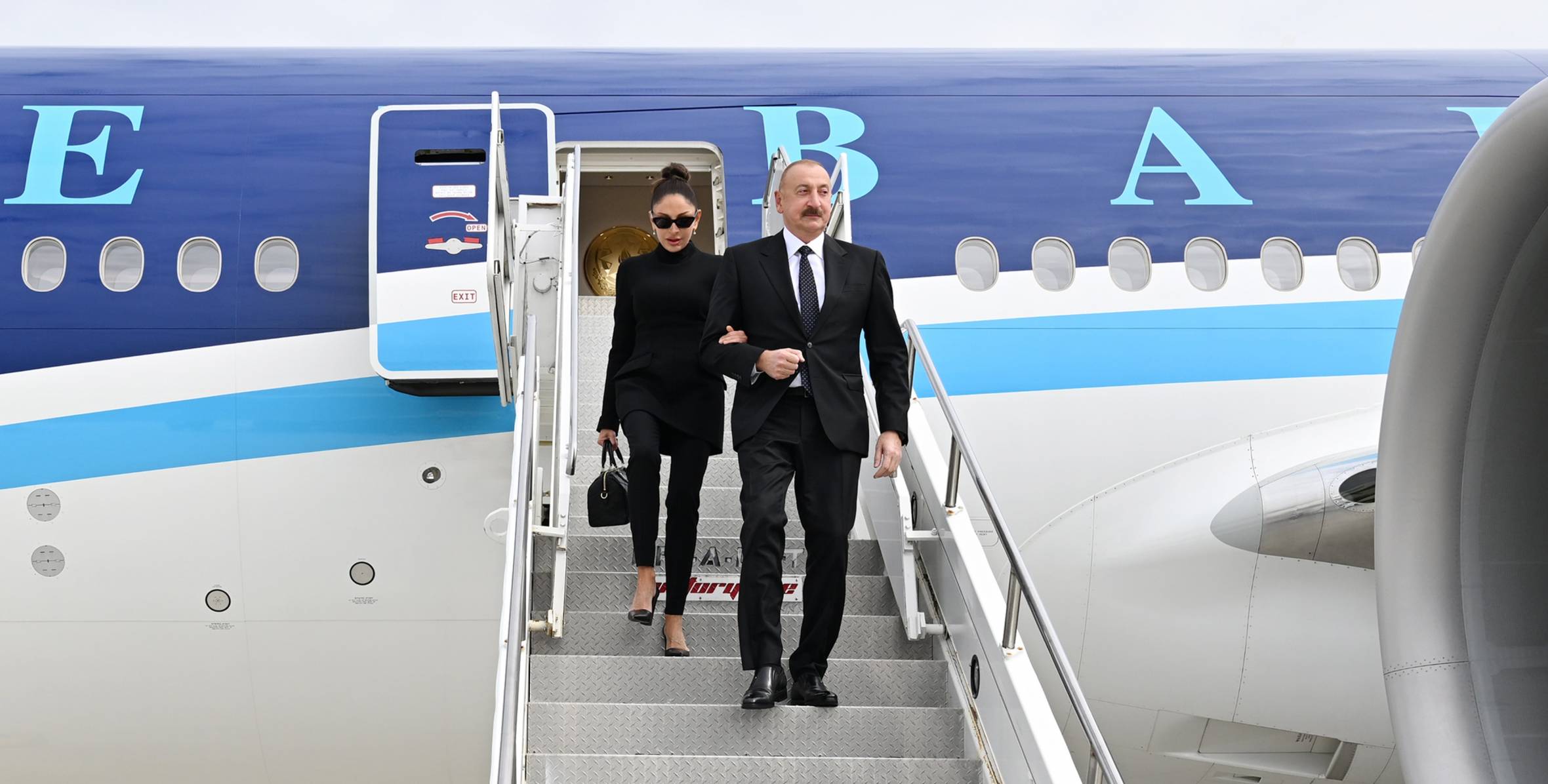
President of Azerbaijan Ilham Aliyev is on a visit to the United States. On the very first day, the President of Azerbaijan held talks with the heads of major investment companies.
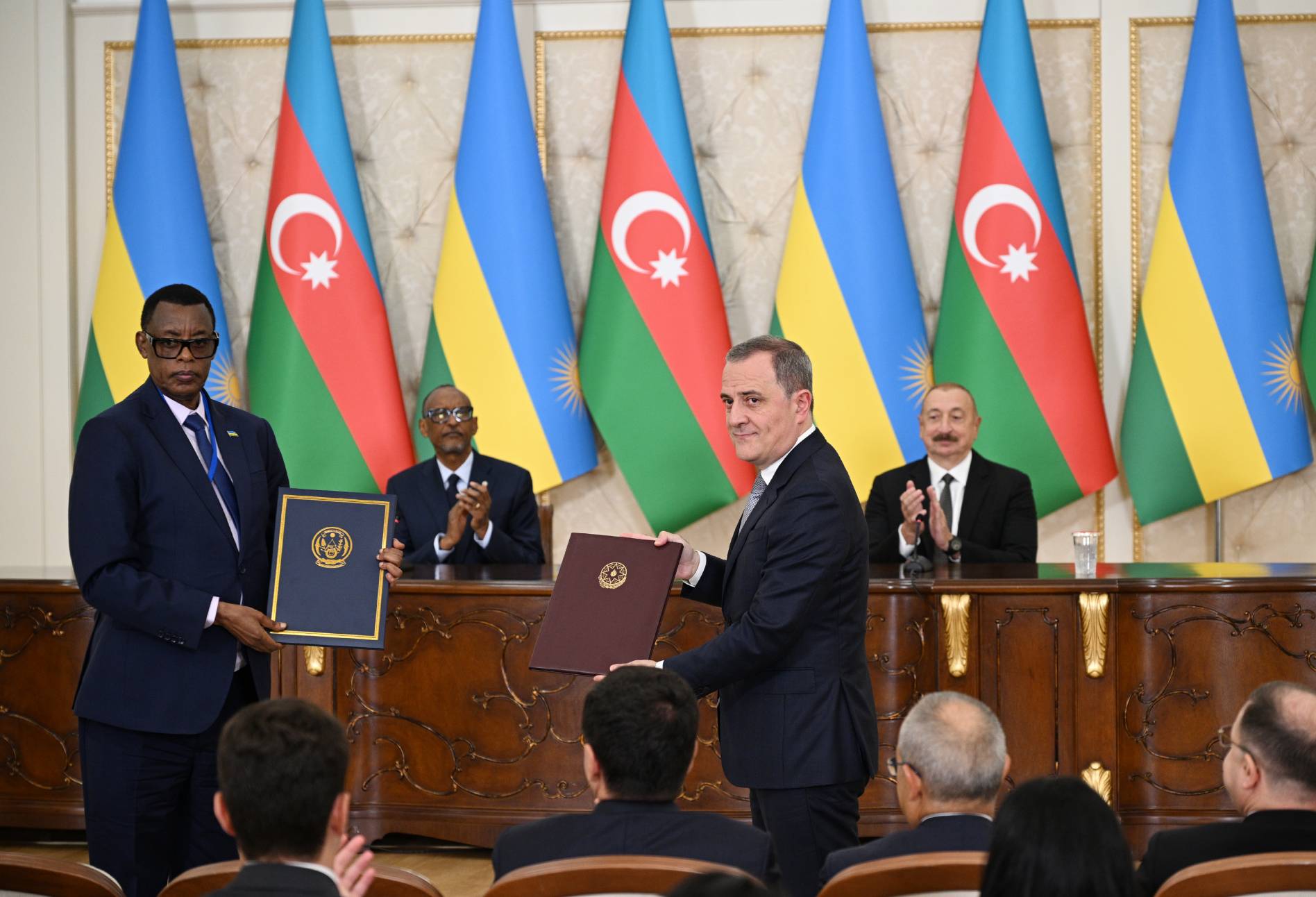
In recent years, Azerbaijan’s relations with African countries have developed rapidly, driven by several factors.
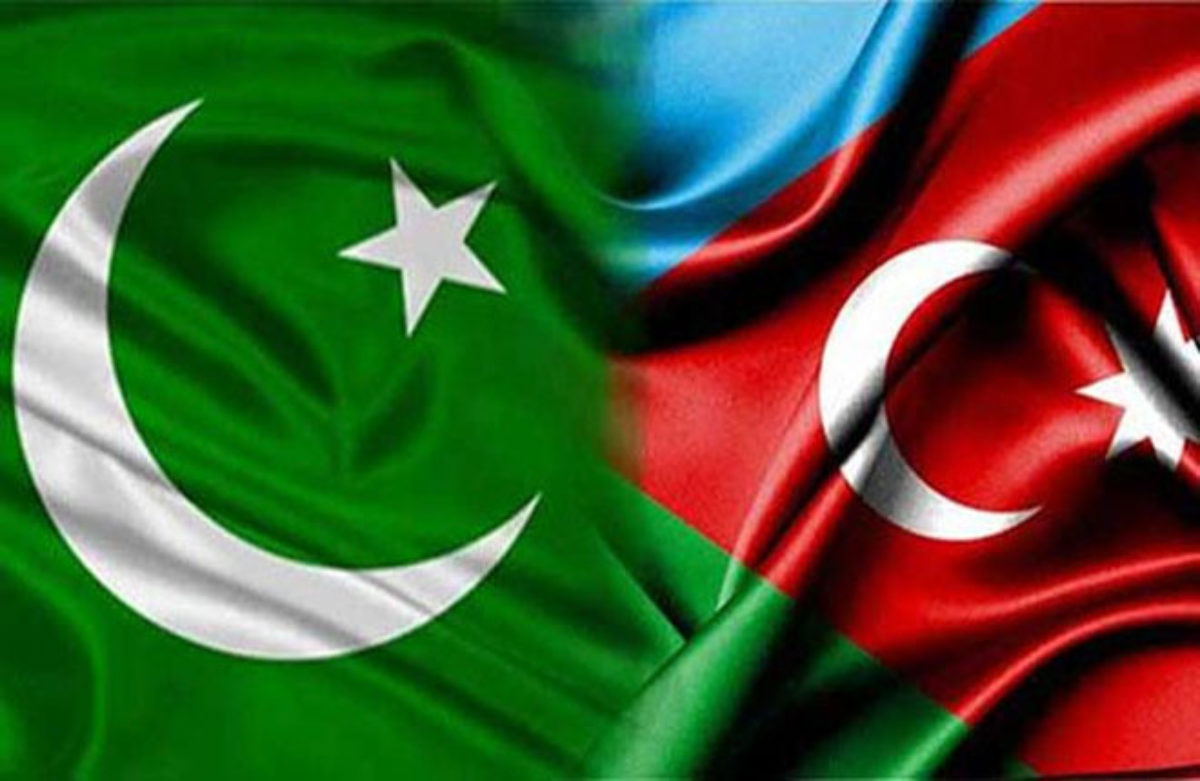
Pakistan and Azerbaijan have long maintained warm diplomatic and cultural ties, supporting each other politically and emphasizing brotherhood through cultural exchanges.
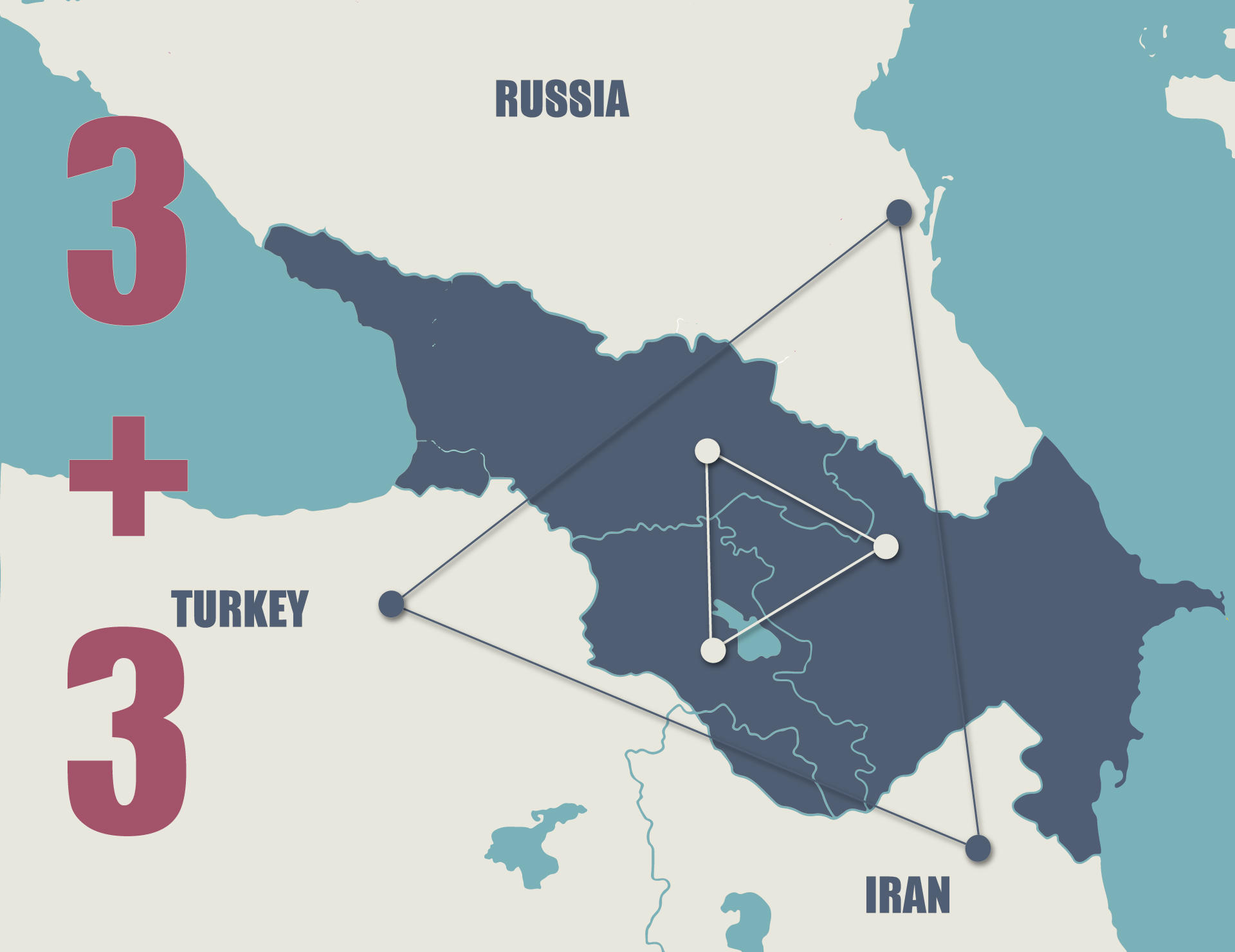
During his address at the Moscow State Institute of International Relations (MGIMO), Russian FM Sergey Lavrov discussed the potential revival of the “3+3” format in the South Caucasus while commenting on Russia’s relations with regional countries.