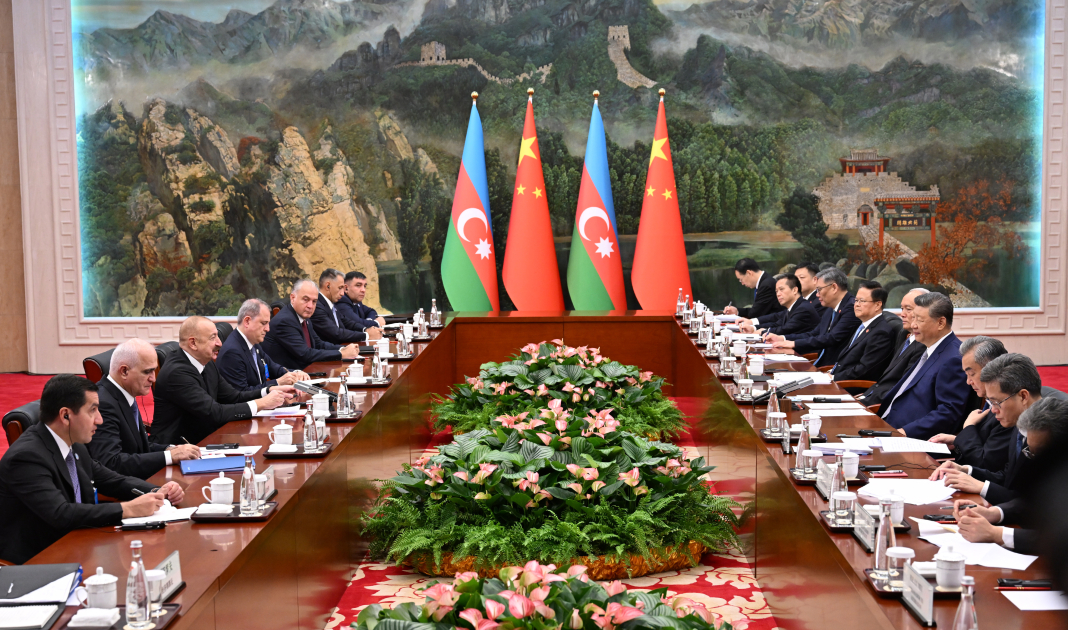
For Beijing, Azerbaijan is a vital link in logistics corridors and an attractive investment field. Aliyev’s series of meetings with Chinese company heads leave no doubt about this.

For Beijing, Azerbaijan is a vital link in logistics corridors and an attractive investment field. Aliyev’s series of meetings with Chinese company heads leave no doubt about this.
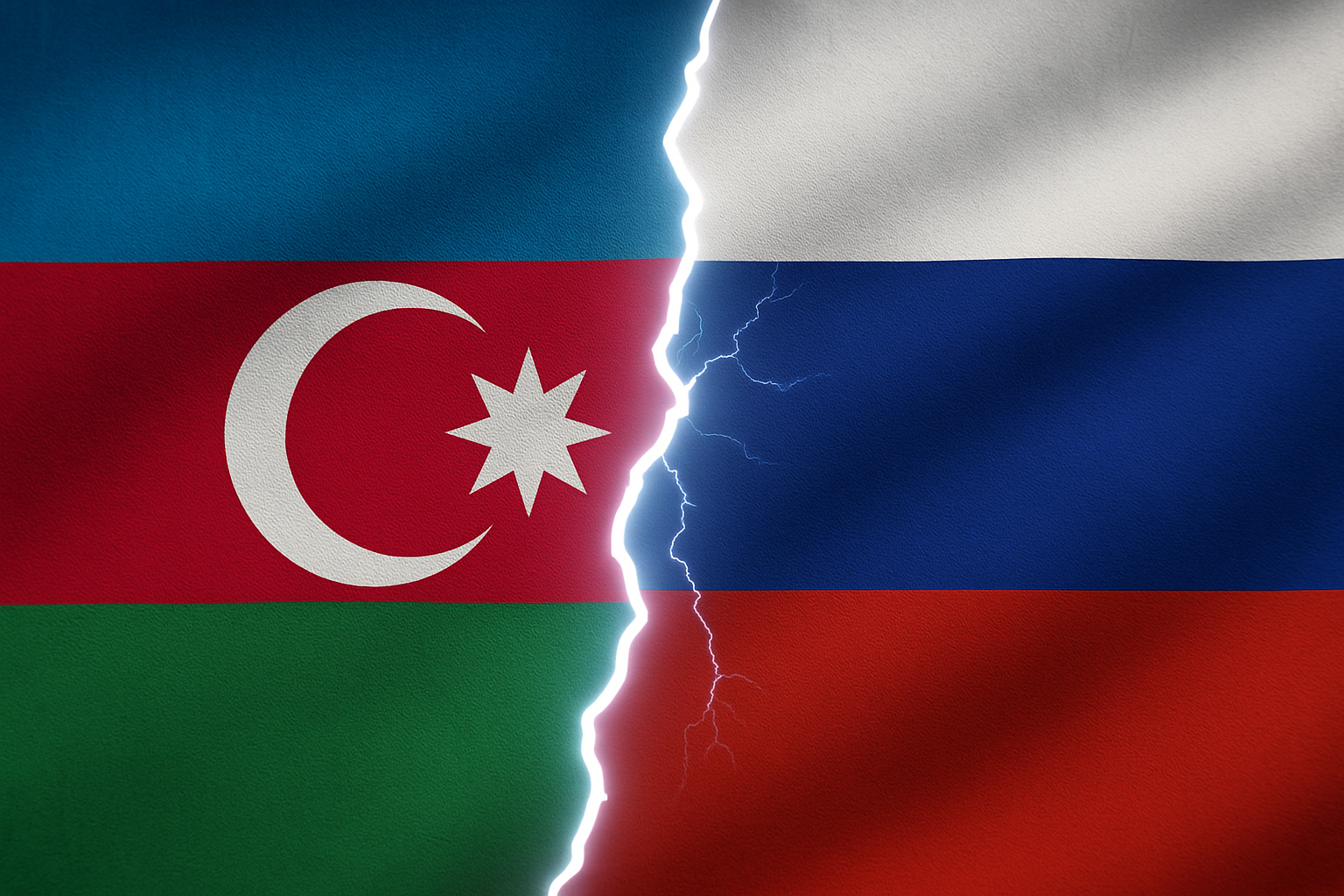
Russian official propaganda is, frankly, a strange phenomenon. Strange above all in its, pardon the expression, crude primitiveness. Just recently, the Azerbaijani — and not only Azerbaijani — audience had another chance to be convinced of this.
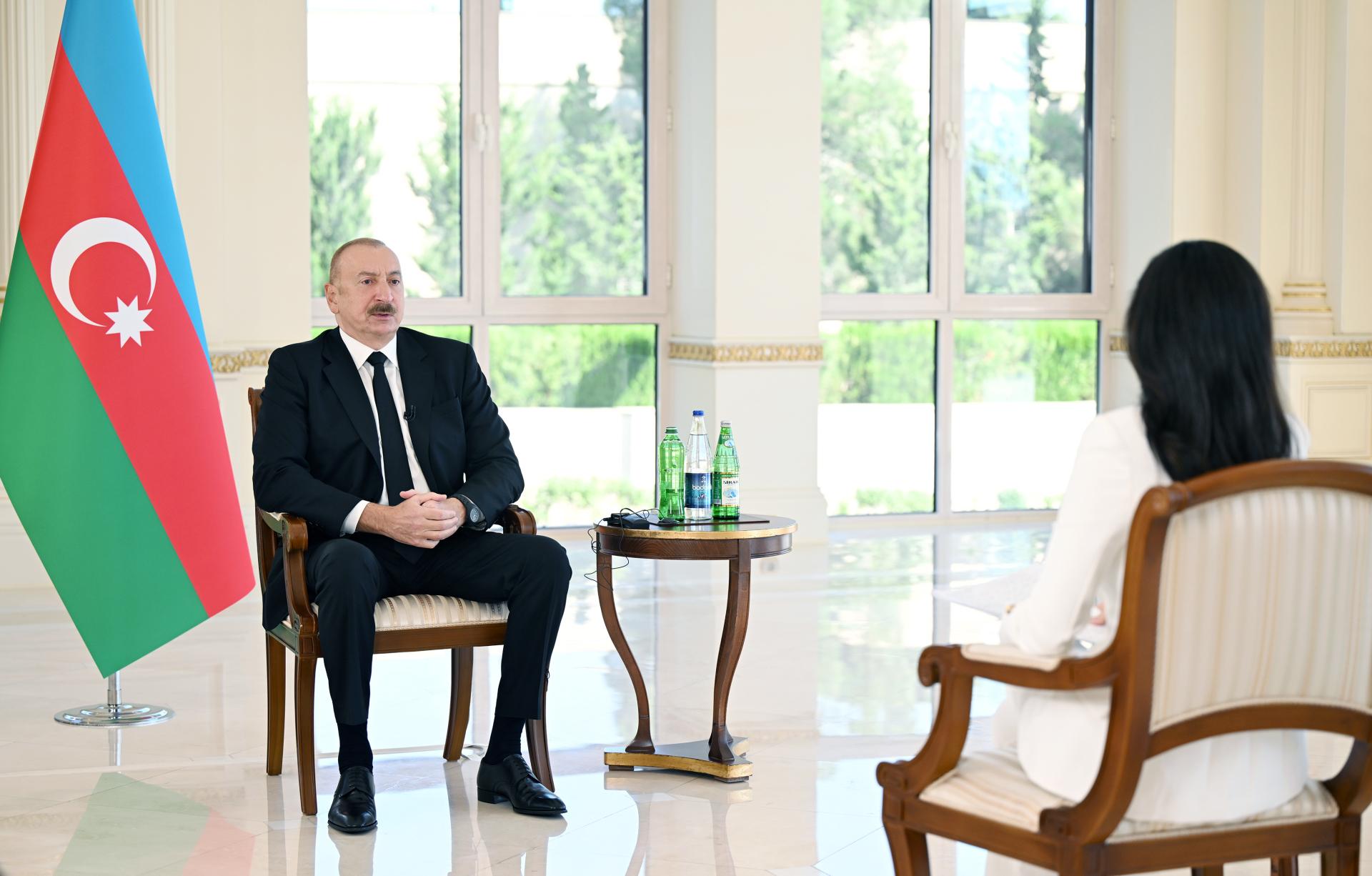
After President Ilham Aliyev stated in an interview with Al Arabiya that in 1920 the 11th Red Army of Russia occupied Azerbaijan, a heated debate broke out in the Russian media space.
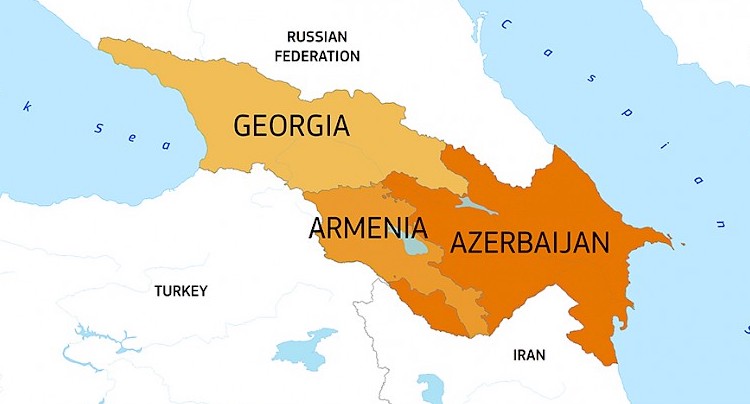
For decades, Russia has stood at the centre of the South Caucasus’ security order. No peace deal, no war settlement, no major infrastructure project could be imagined without Moscow’s involvement.
Russian drones attacked an oil depot in Odesa in Ukraine on August 17. That’s not unusual, but that night’s target was notable in one important sense — the Kremlin struck high-profile infrastructure owned by SOCAR, Azerbaijan’s state oil company.
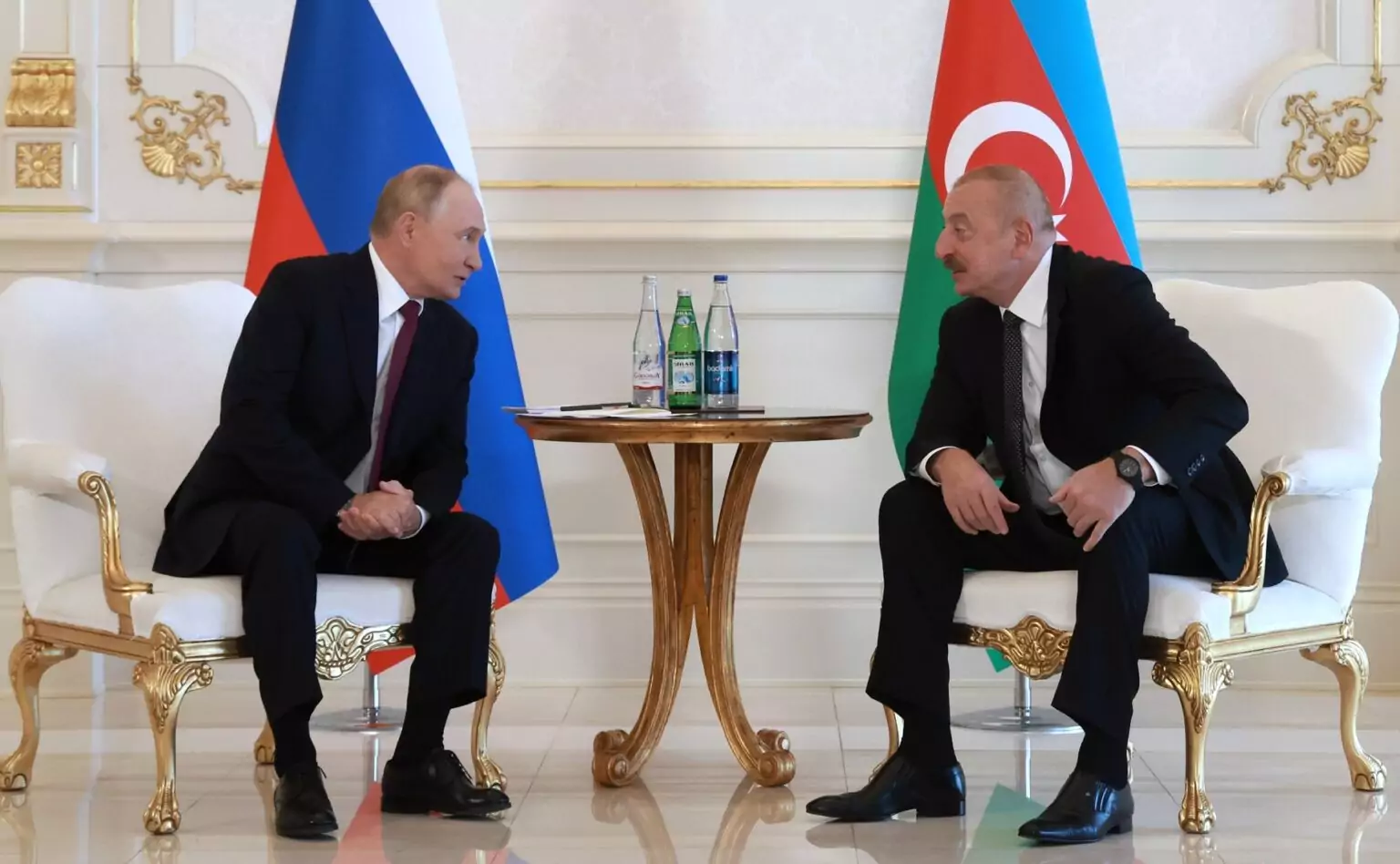
One of the manifestations of wisdom is the ability to stop in time when current events cause concern and anxiety. In Russian-Azerbaijani relations, a critical period has come when everything is sliding downhill.
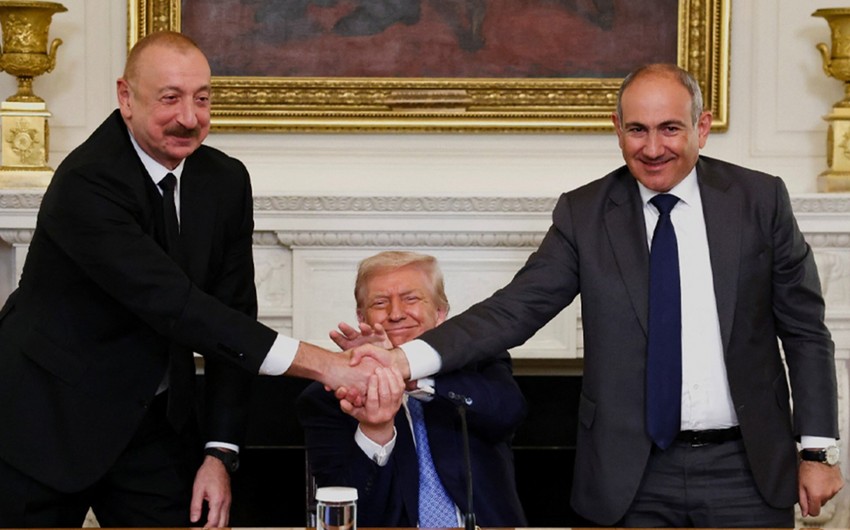
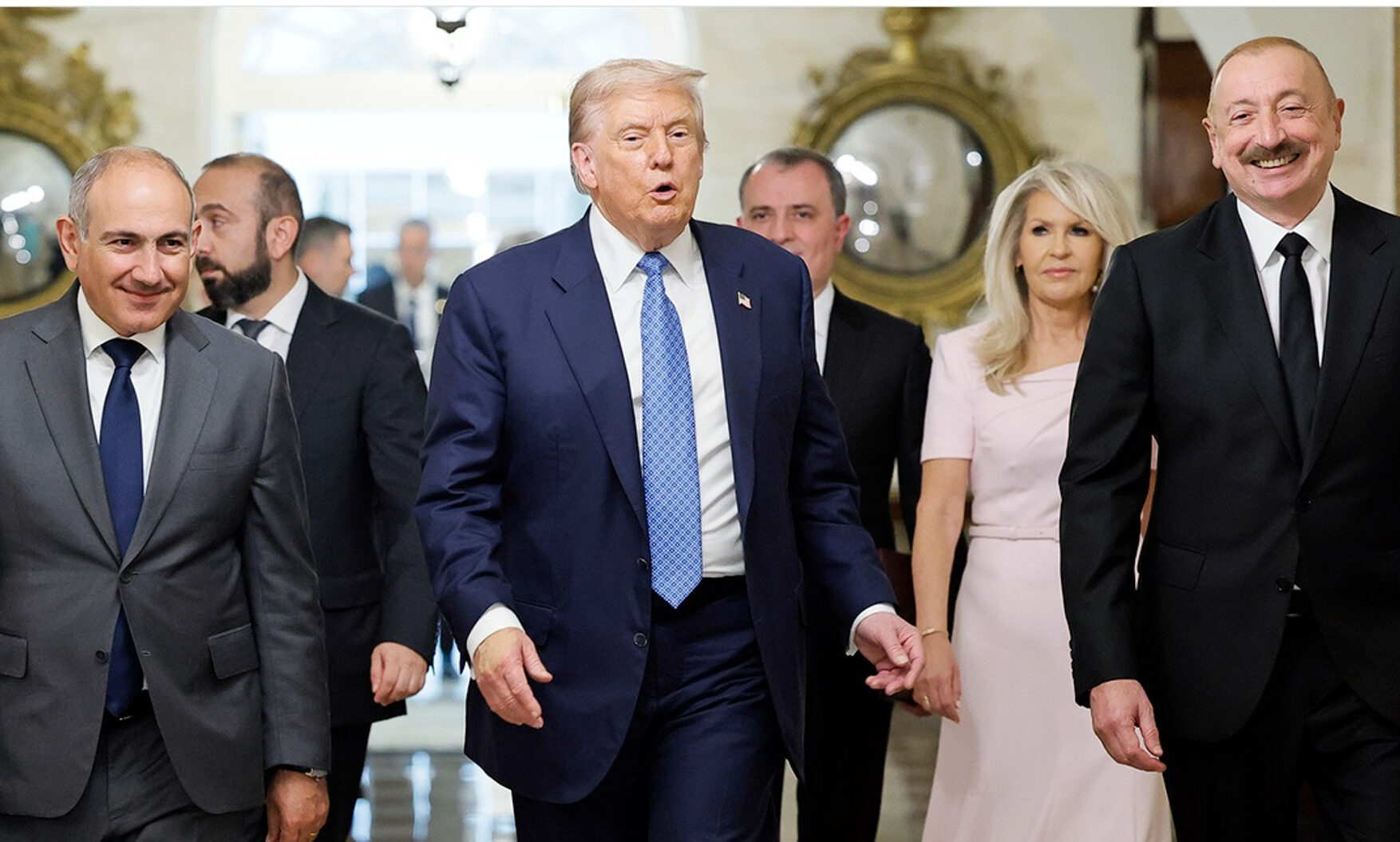
On 8 August, the leaders of Azerbaijan and Armenia signed a joint declaration in Washington, committing to end more than three decades of conflict with US backing.

Relations between Azerbaijan and Ukraine have in recent months taken on a distinctly dynamic character, moving beyond traditional diplomatic formalities.
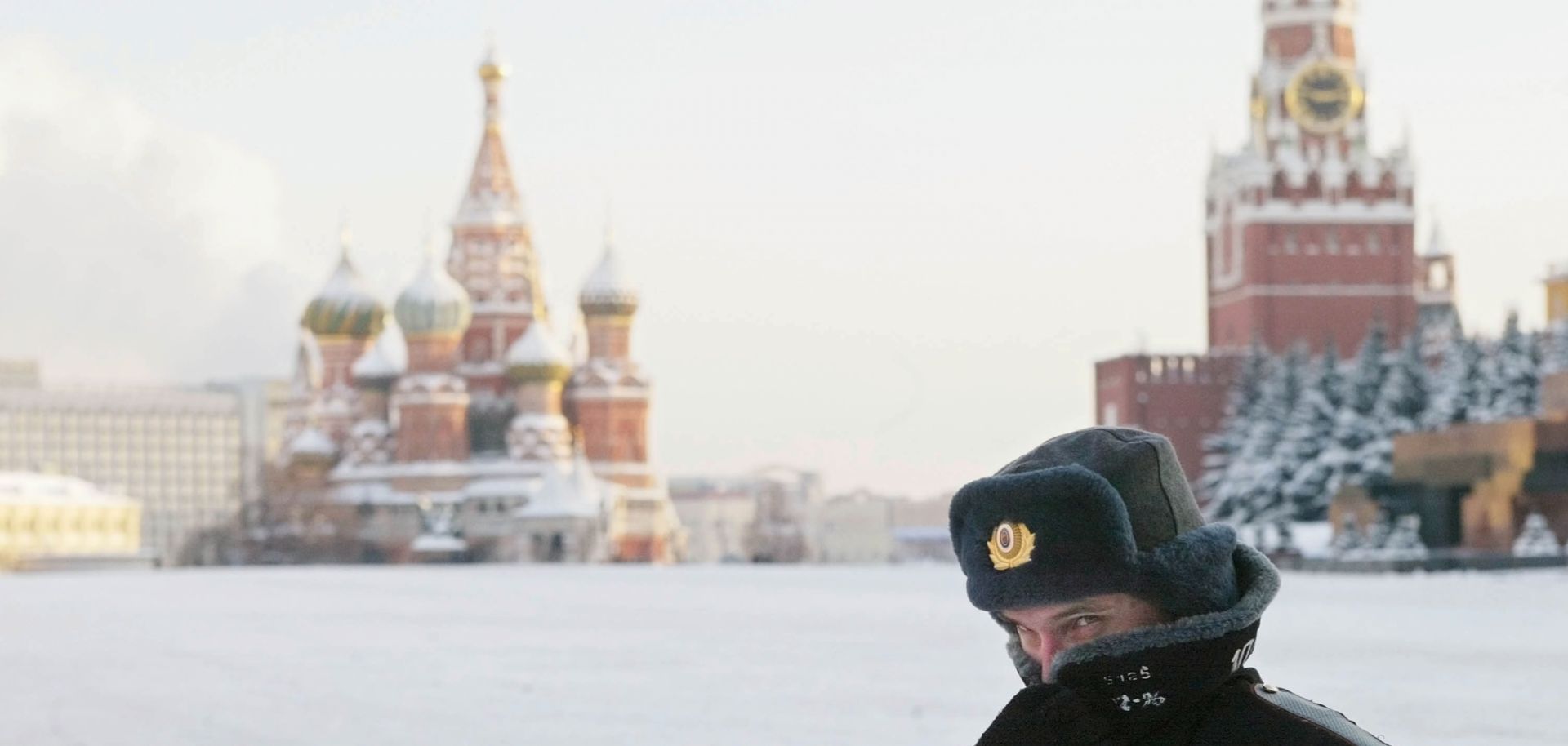
When people say that Russia cannot be understood with reason, they apparently mean its foreign policy. The story of the South Caucasus is a vivid confirmation of this sad axiom.
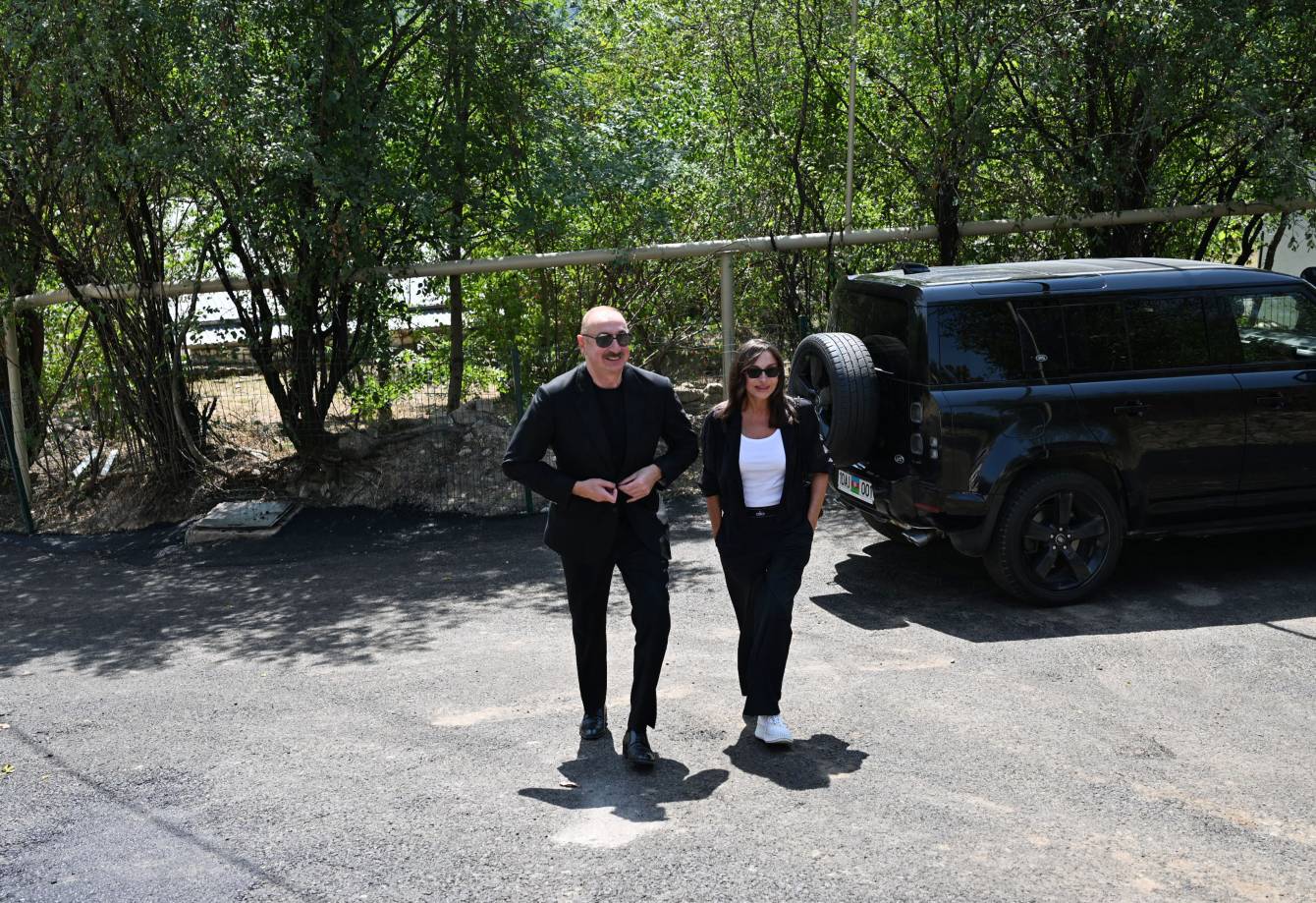
On August 20–21, Azerbaijani President Ilham Aliyev and First Lady Mehriban Aliyeva toured the western regions of the country — the Ganja-Dashkasan, East Zangezur, and Karabakh economic zones.
Protection from external threats is a sovereign right of nations and peoples. Usually, dangerous challenges come from neighbors who integrate into various bloc schemes, or from hostile states.
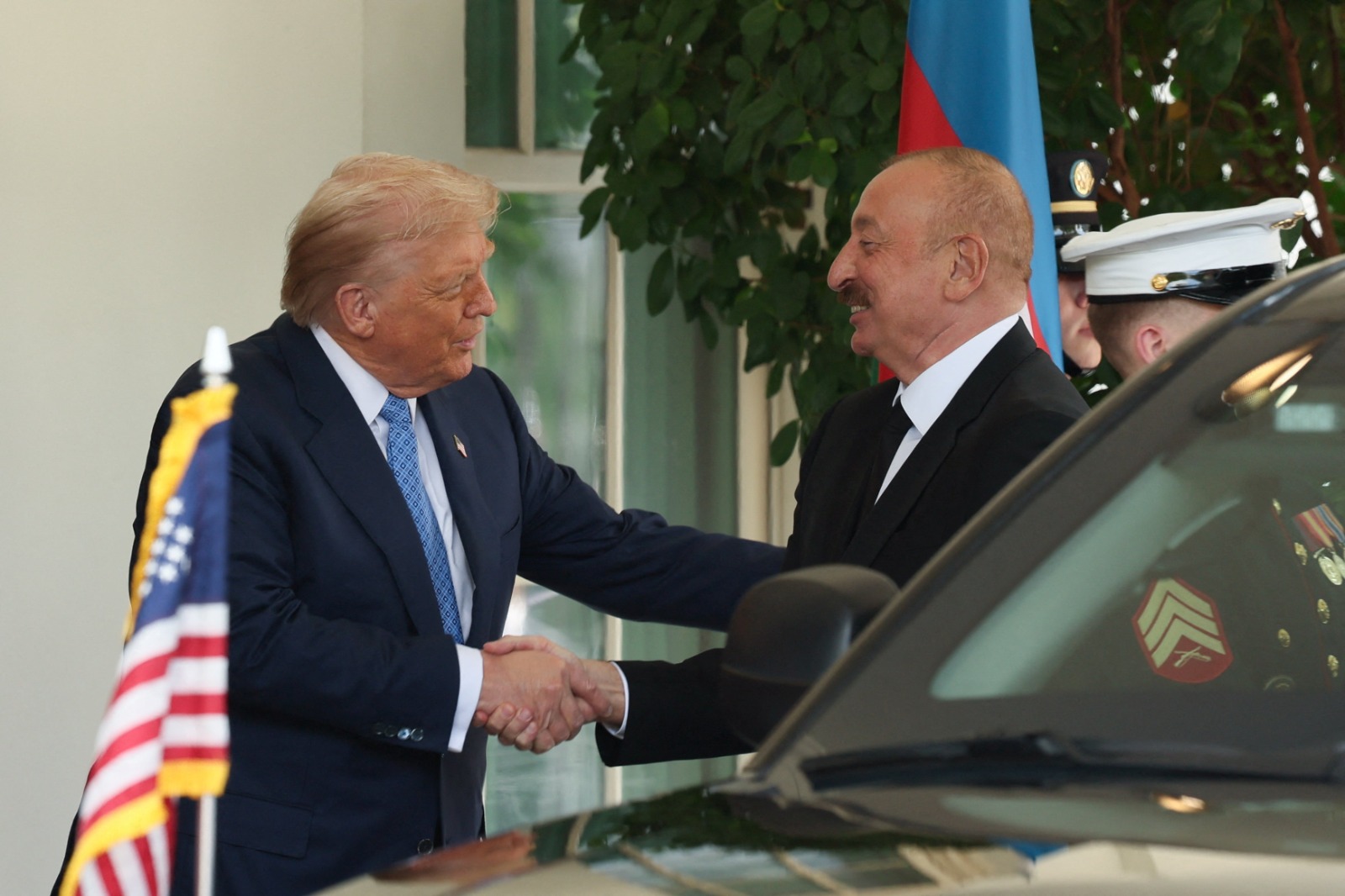
The South Caucasus, a geopolitically significant but narrow passway between Europe and Asia, has recently become the center of global focus once again.
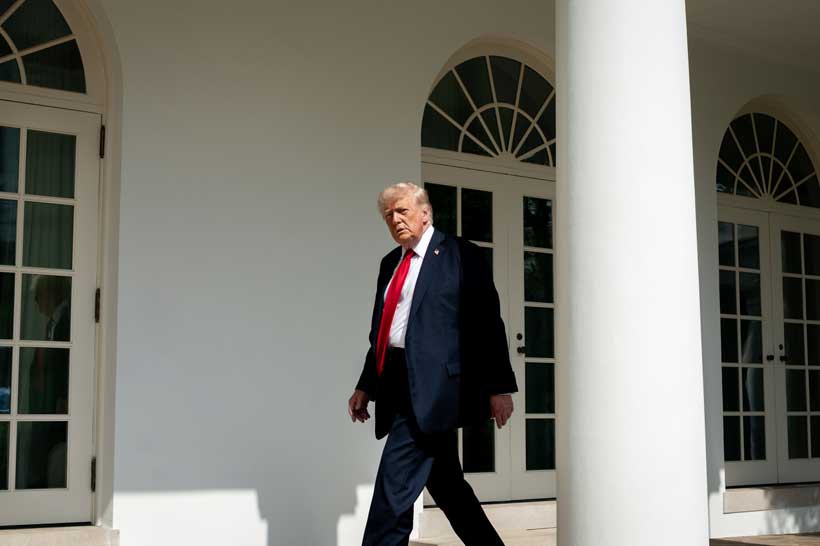
For decades, establishing lasting peace in the South Caucasus has been one of the most persistent challenges for regional states and international actors alike.
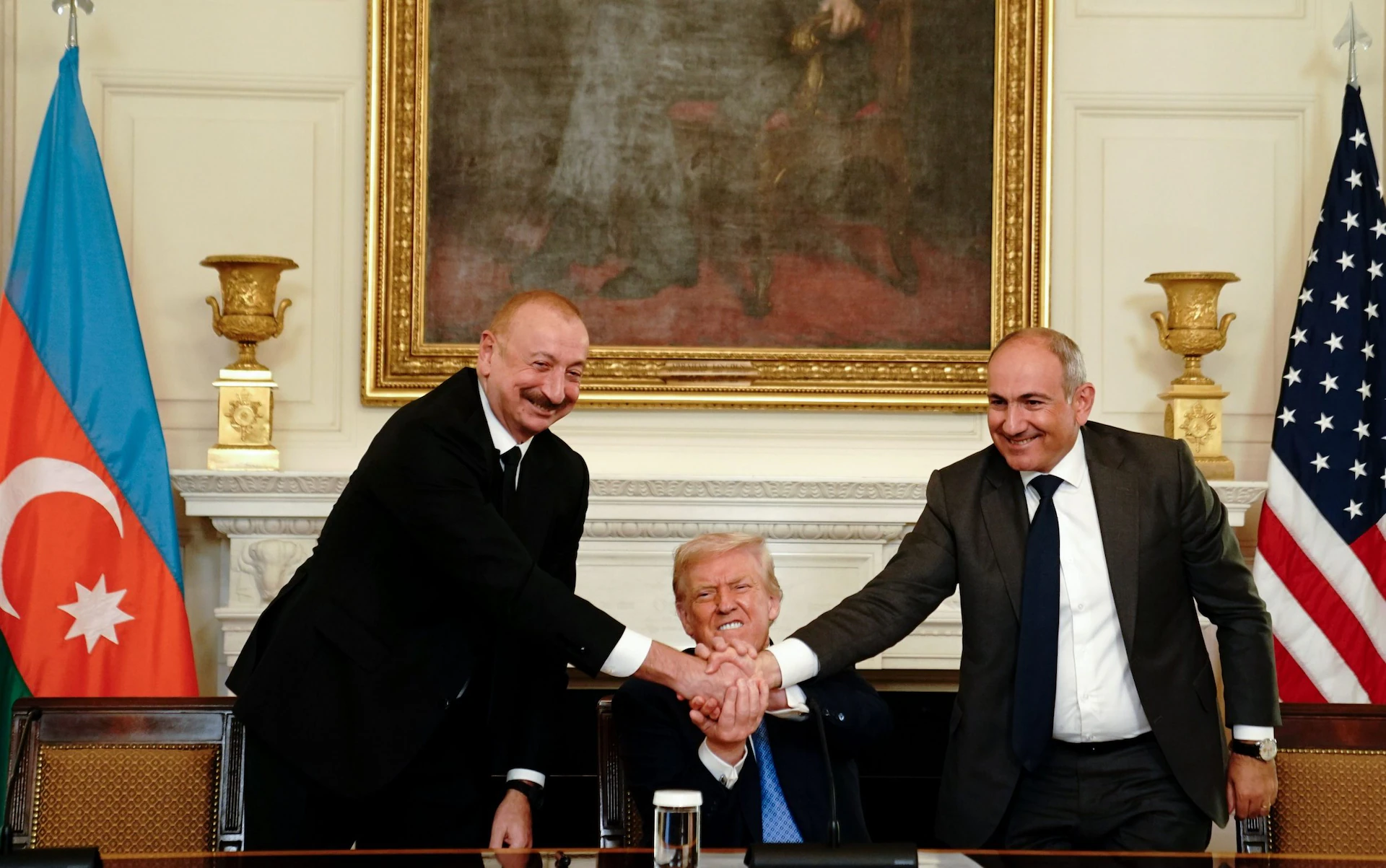
It would be fitting if the US President was awarded the Nobel. The prize is partly endowed by funds the founding brothers made in Baku.
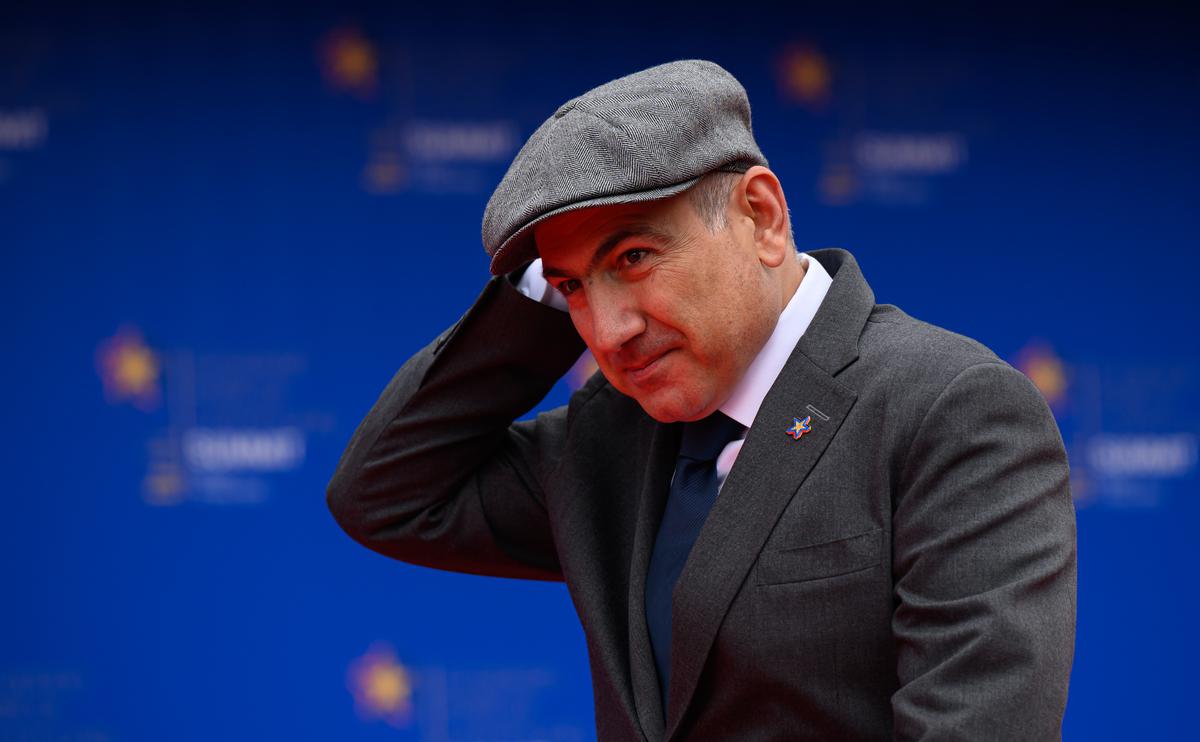
Armenian Prime Minister Nikol Pashinyan addressed the nation to explain the provisions of the peace treaty with Azerbaijan, which was ratified by the foreign ministers of both countries during their Washington meeting on August 8.
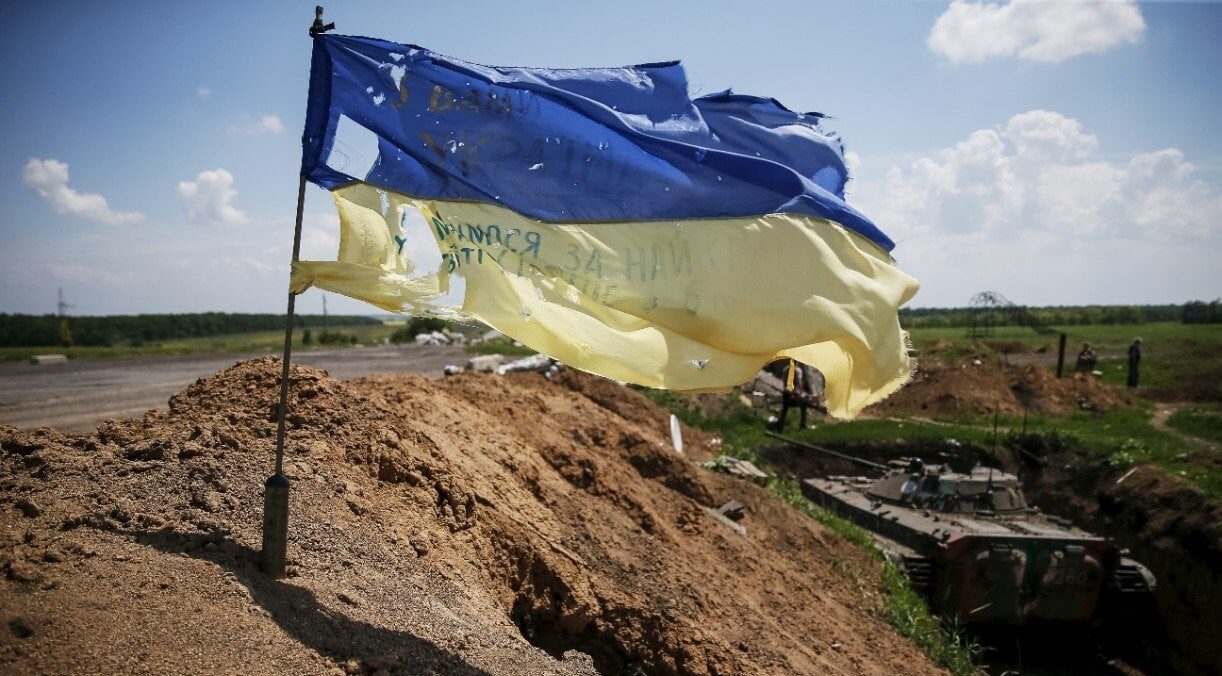
"At the press conference following the talks between the leaders of Russia and the United States, no sensational statements were made. Nevertheless, the speeches of both presidents reflected a constructive dialogue and a certain degree of mutual understanding."
An important instrument of adaptation for both Moscow and Tehran is the regional 3+3 format, which, notably, was also proposed by President Ilham Aliyev.
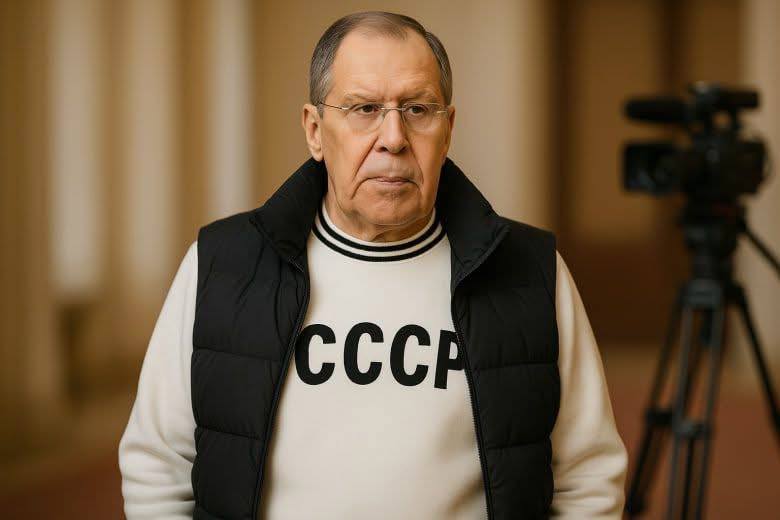
T-shirts and sweatshirts with symbols and slogans—biting, ironic, political—have become part of modern life.
The default setting for anything to do with President Trump’s forays into geo-politics is to treat him as the global village idiot who no-one takes seriously.
A prominent Russian lawmaker and retired general has issued a direct threat of military action against Azerbaijan, escalating tensions between Moscow and Baku amid already strained relations.
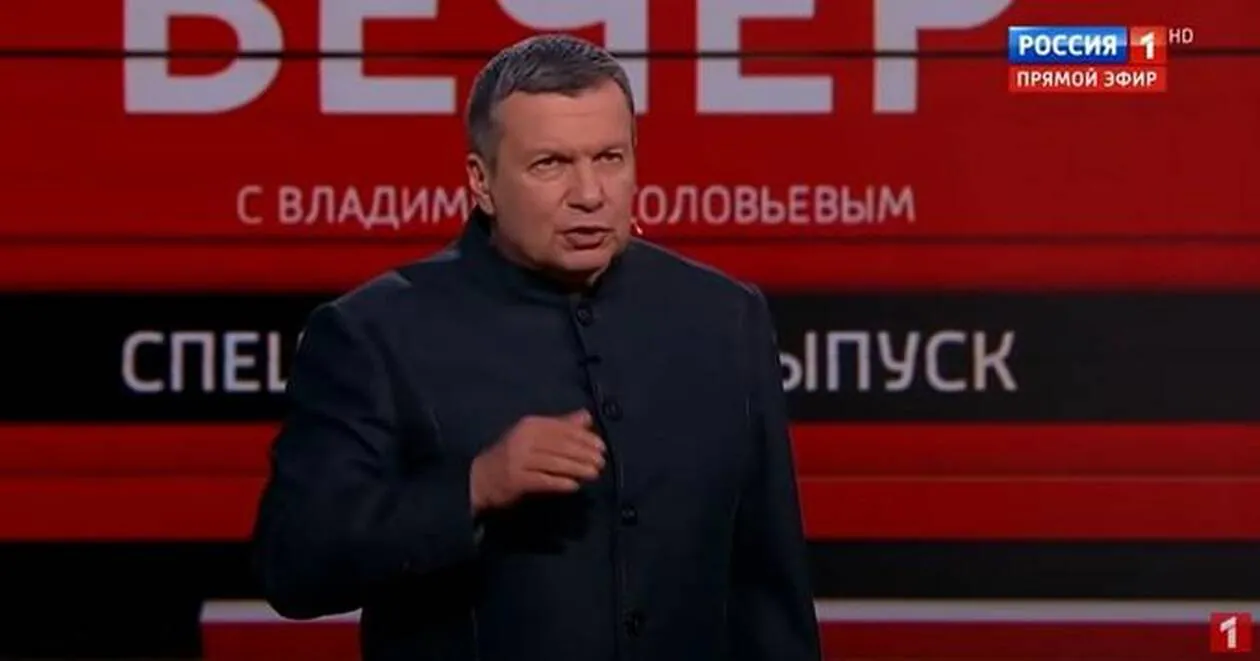
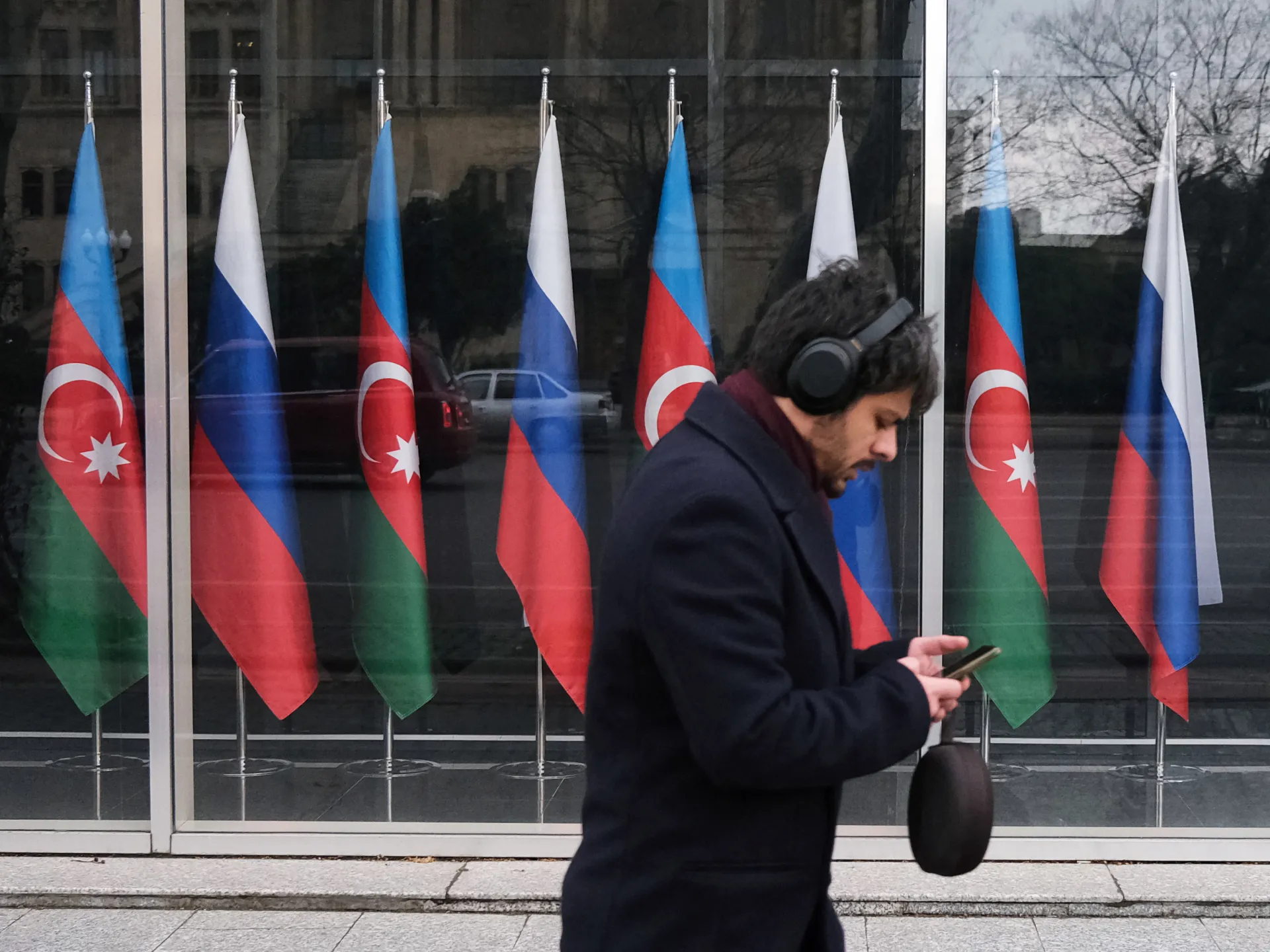
Relations between Russia and Azerbaijan are steadily deteriorating, fueled by a growing stream of anti-Azerbaijani statements and actions which, to the great surprise of officials in the Russian government, have proven ineffective.
President Donald Trump is right to describe the U.S.-mediated summit between the Armenian and Azerbaijani leaders on August 8 in Washington as a historic event.
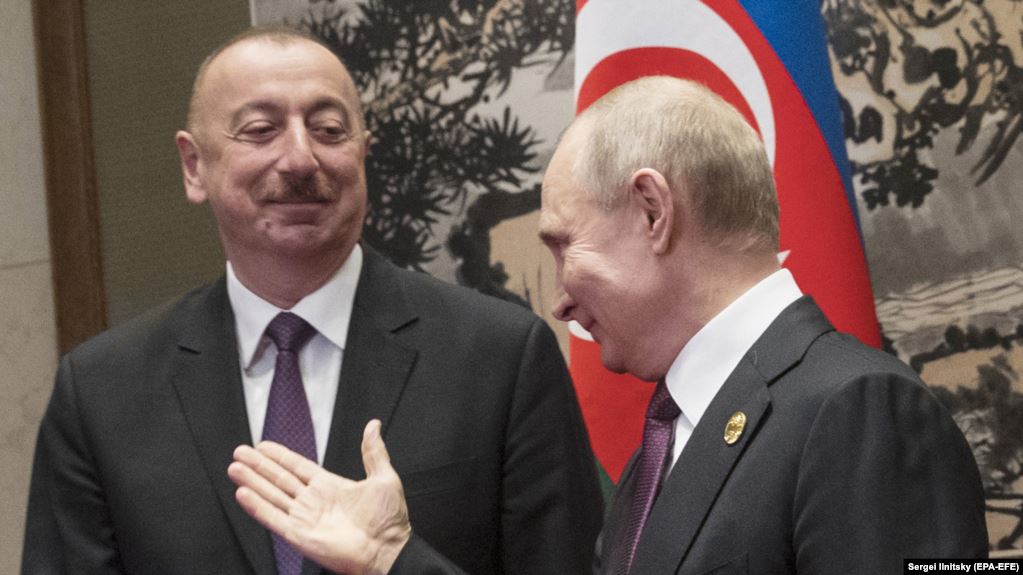
Behind these formal lines lies yet another round of Russia’s hostile and treacherous tactics — both toward Ukraine and toward Azerbaijan.
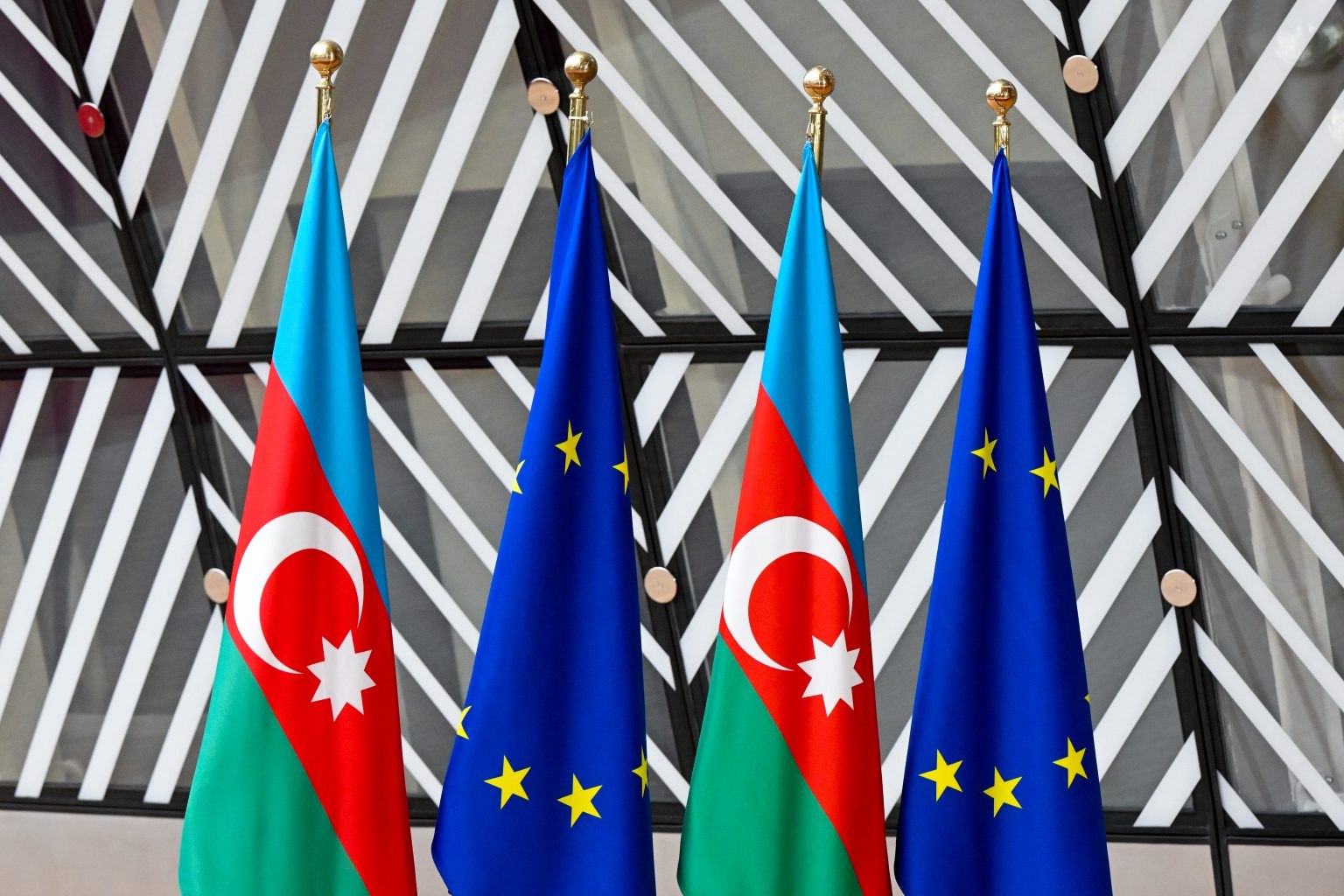
The European Parliament, in its statement regarding the Washington meeting, started off well enough but ended in a way that could politely be described as self-inflicted damage to what remains of its own reputation.