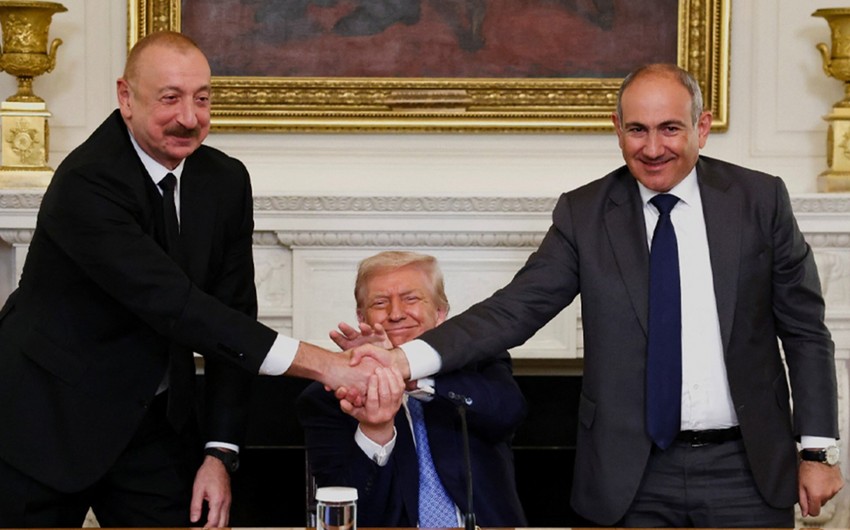
The expert community, not only in the South Caucasus, continues to analyze in detail the results of the Washington round of high diplomacy.

The expert community, not only in the South Caucasus, continues to analyze in detail the results of the Washington round of high diplomacy.
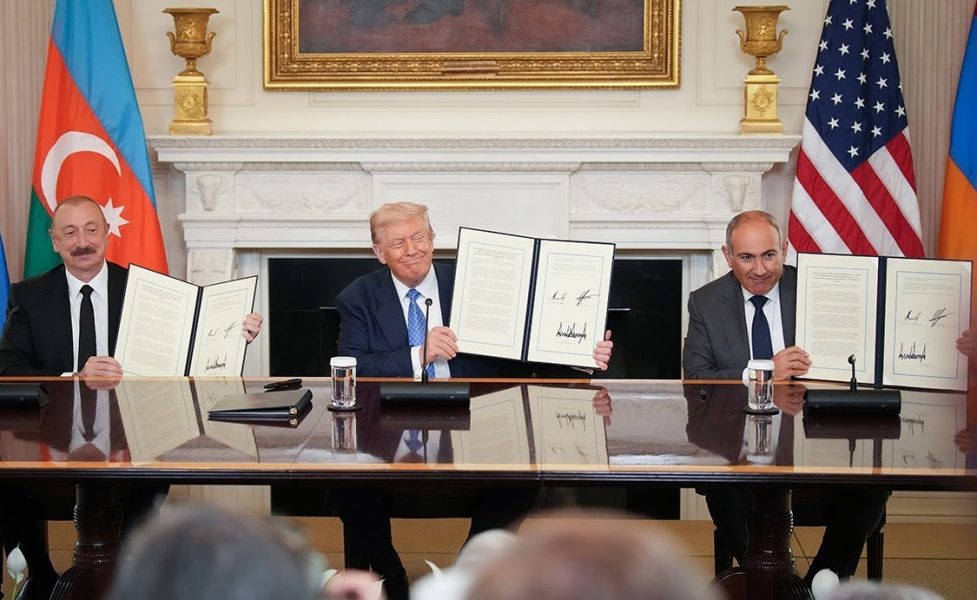
The leaders of Armenia and Azerbaijan have signed a peace agreement in the White House, brokered by former U.S. President Donald Trump, aimed at ending decades of tensions and conflict—if it holds.
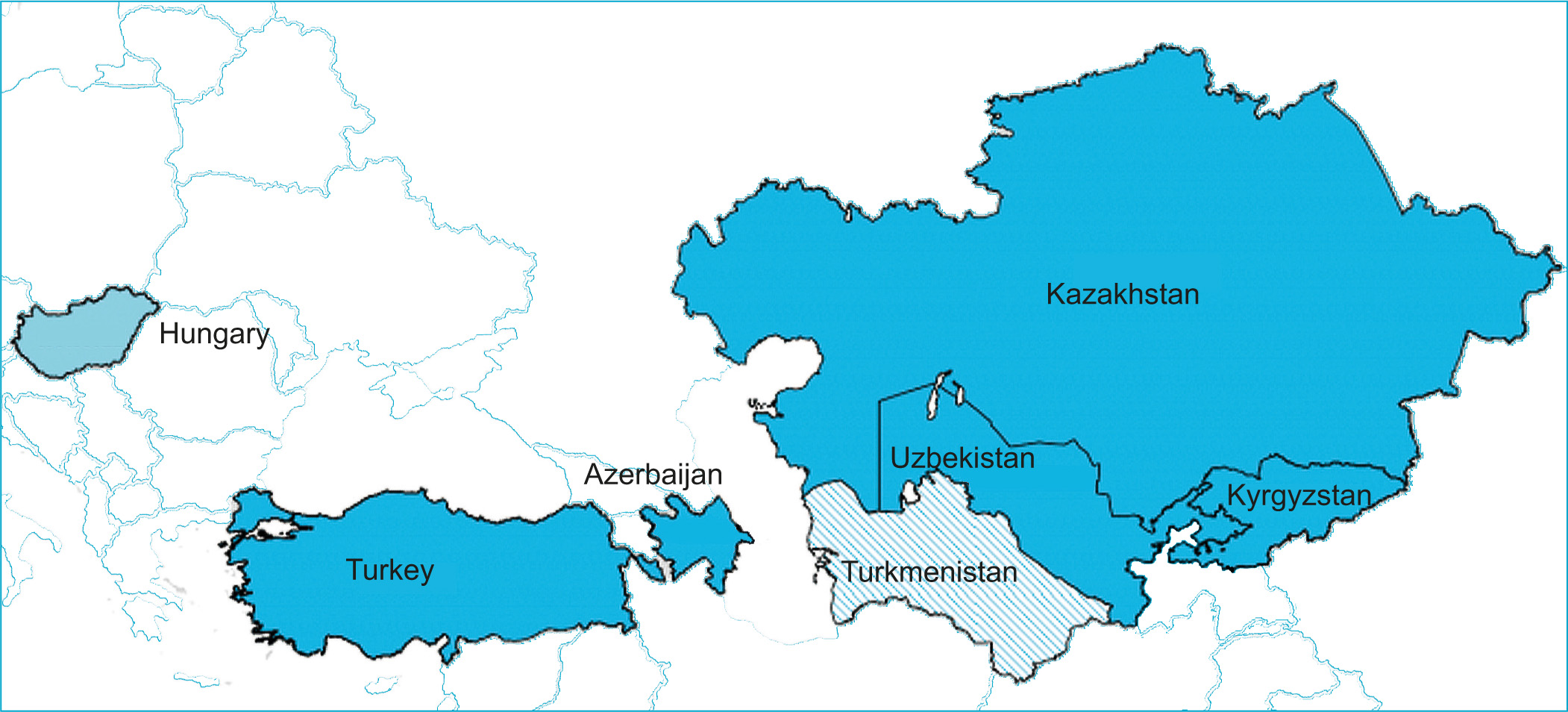
Central Asian countries have been using a multi-vector strategy amid global power rivalries.
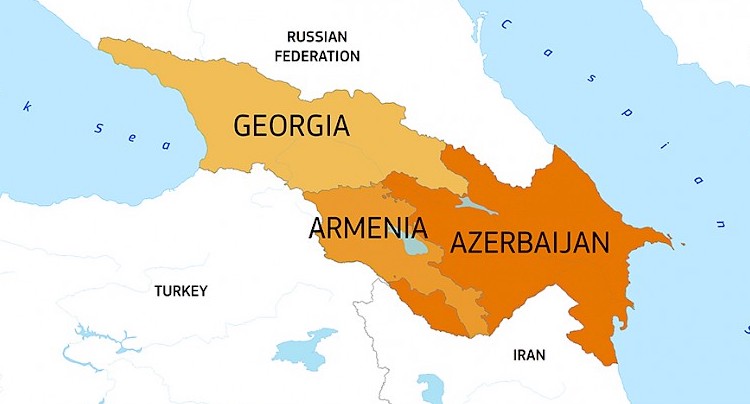
For the past few weeks, the once-close relationship between Russia and its strategic partner, Azerbaijan, a republic in the South Caucasus, has entered a period of deep crisis.
The trilateral meeting on August 8 between Azerbaijani President Ilham Aliyev and Armenian Prime Minister Nikol Pashinyan, with the participation of US President Donald Trump, became a turning point in the political history of the South Caucasus.
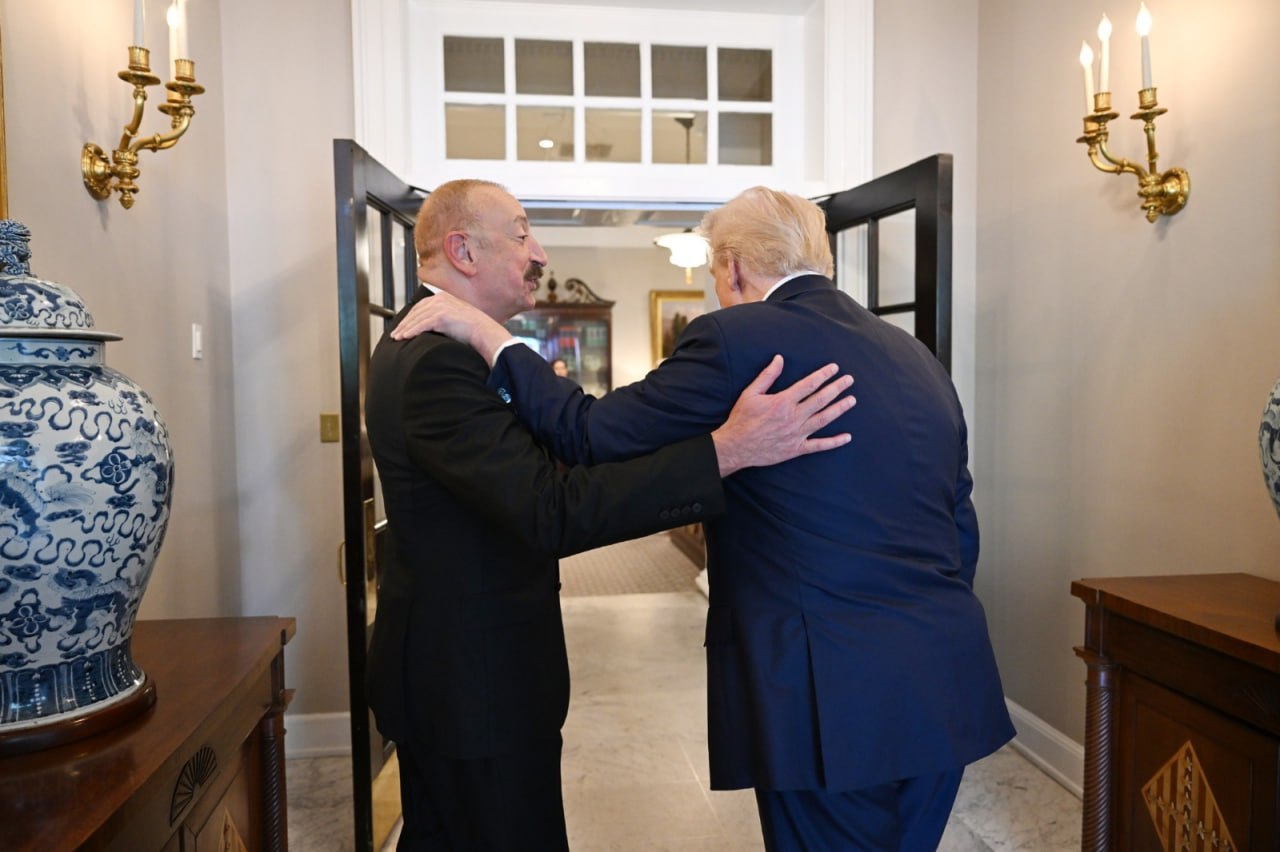
President Ilham Aliyev’s visit to Washington at the invitation of Donald Trump can, without exaggeration, be described as a historic event.
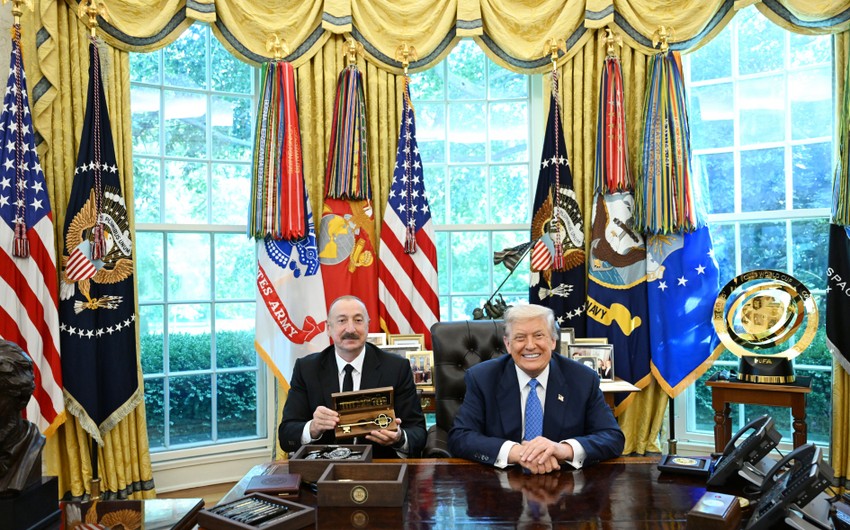
In the US, a memorandum was signed to establish a working group that will prepare a Charter on Strategic Partnership between the two countries.
In Mackinder’s terminology, Eurasia is the heartland of geopolitics and the South Caucasus, though small in economic terms compared to the surrounding major powers, constitutes the heart of that heartland.
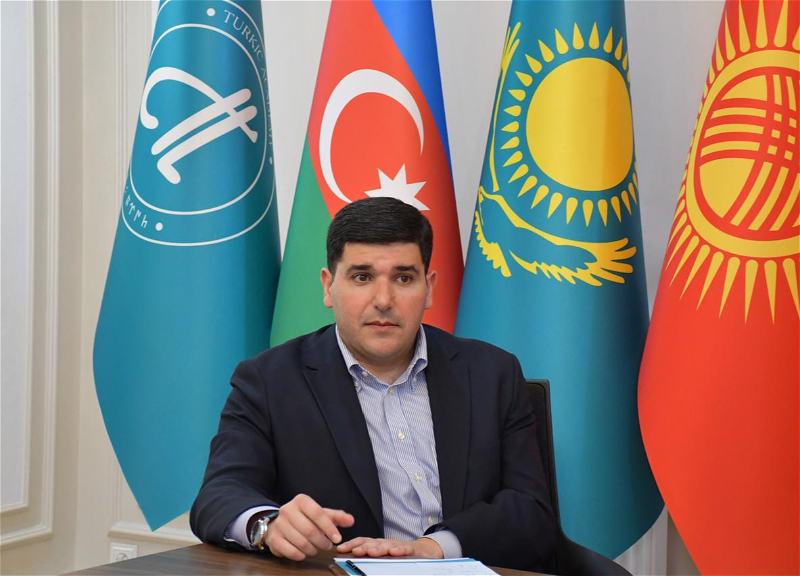
Political analyst Farhad Mammadov, in his Telegram channel, commented on the upcoming visit of Azerbaijani President Ilham Aliyev to the United States, calling it historic and momentous both for bilateral relations and for the entire peace process in the region.
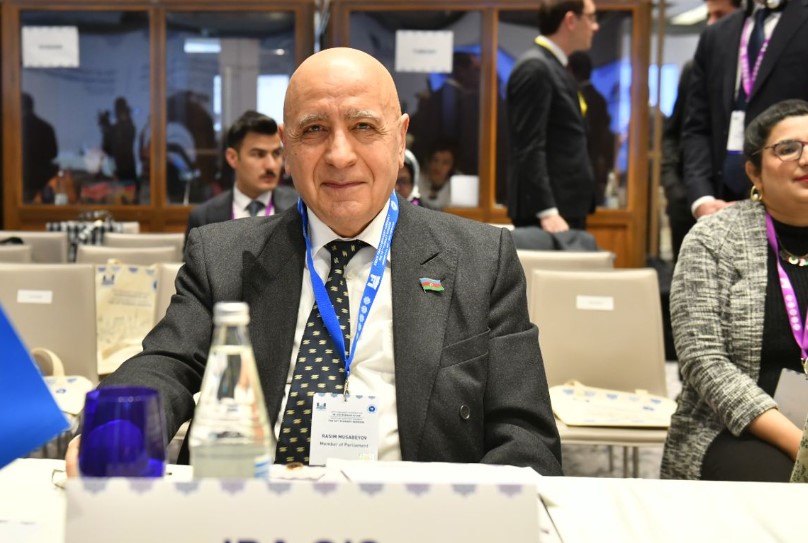
Azerbaijani political analyst and Milli Majlis deputy Rasim Masabayov believes there are no serious grounds for a harsh reaction from Russia or Iran regarding the Washington agreement on the Zangezur Corridor project.
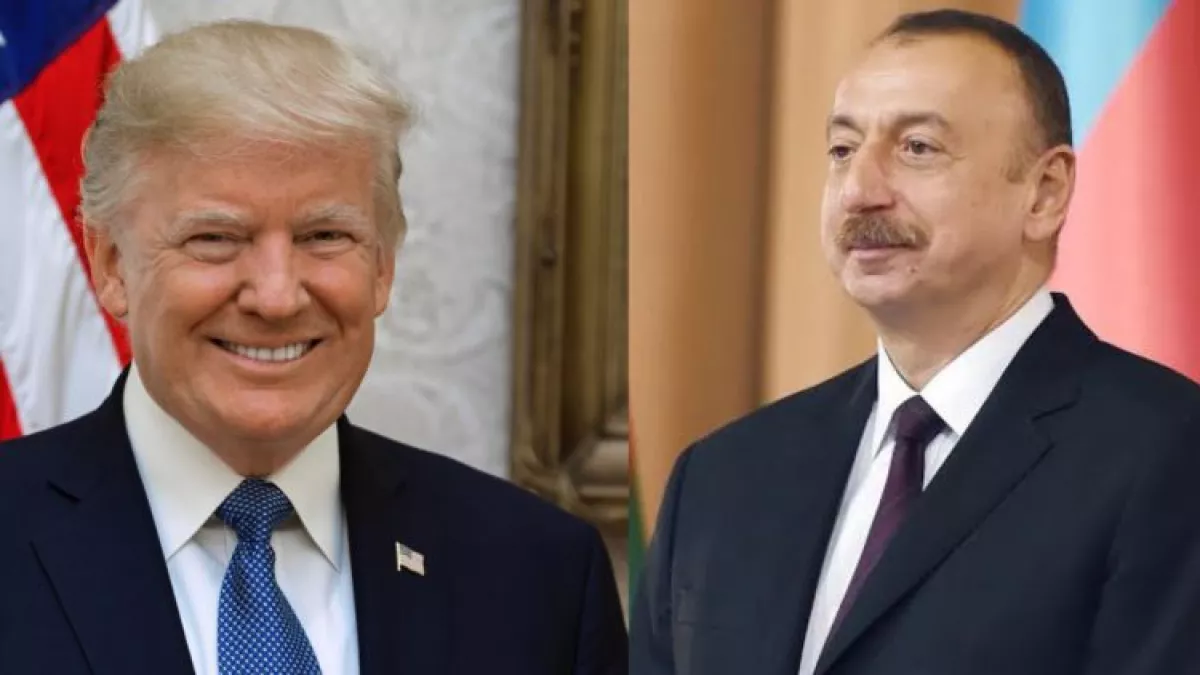
President of Azerbaijan Ilham Aliyev is set to visit the United States at the official invitation of President Donald Trump. This event holds significance not only for bilateral relations but also for the entire South Caucasus region.
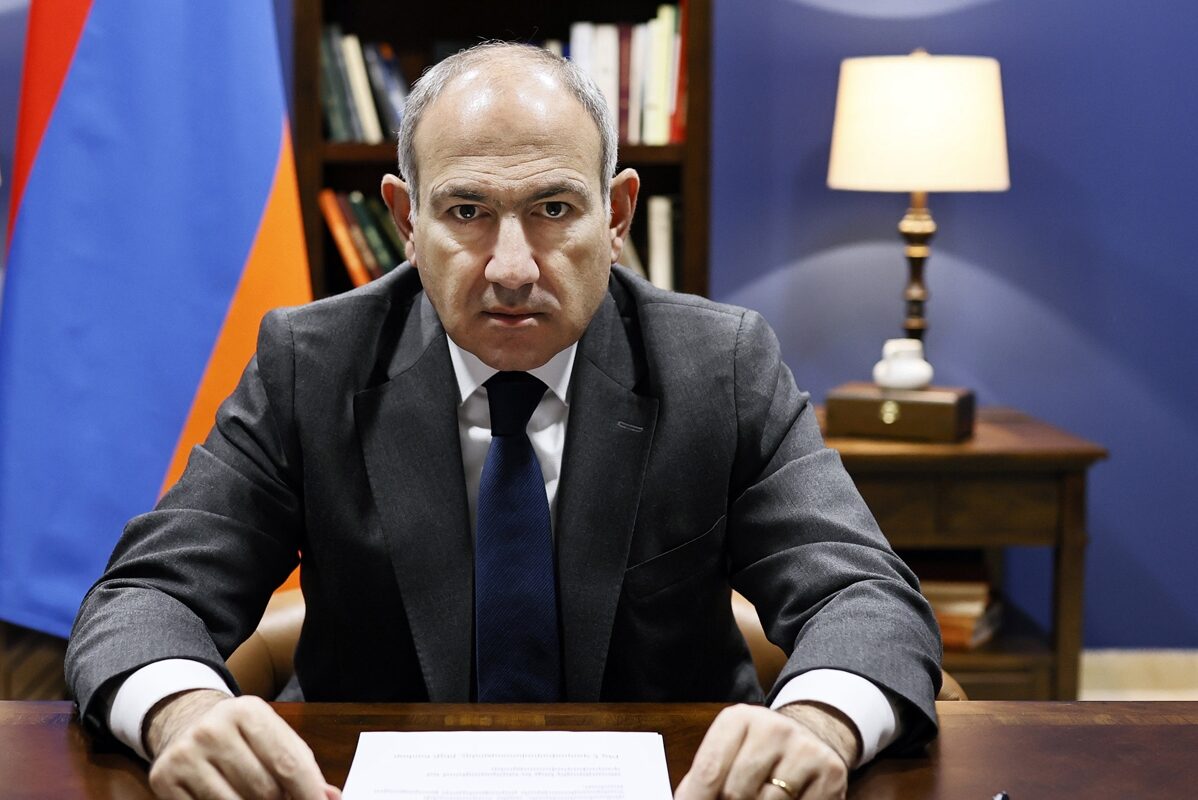
Ahead of the Washington summit scheduled for August 8 with the participation of Donald Trump, Ilham Aliyev, and Nikol Pashinyan, Moscow has sharply intensified its political and informational pressure on Yerevan.
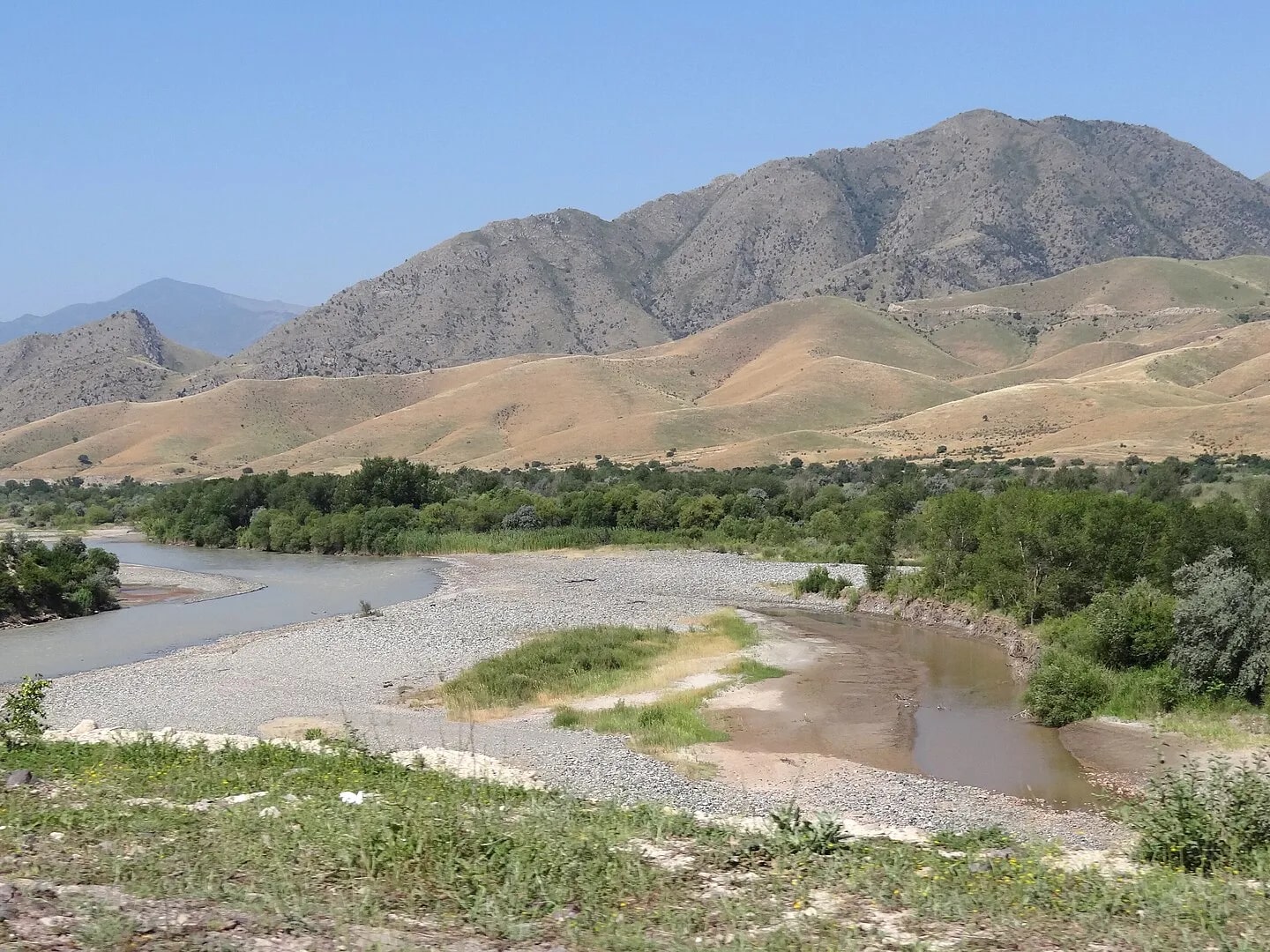
At the beginning of the week, the regional information space was shaken by news of an upcoming important meeting between Azerbaijani President Ilham Aliyev and Armenian Prime Minister Nikol Pashinyan in Washington.
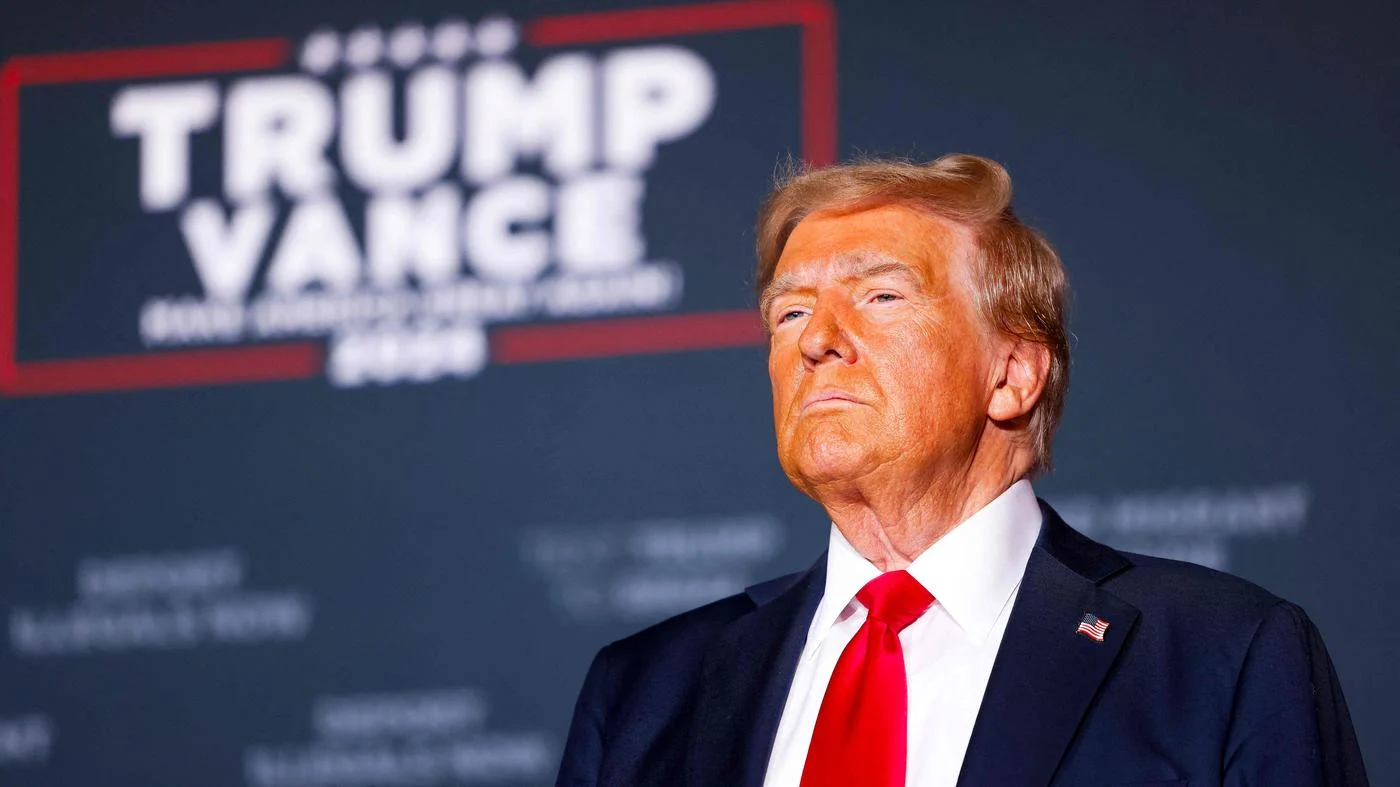
The Israeli Begin–Sadat Center for Strategic Studies has reportedly revealed new conditions being placed on Azerbaijan ahead of a scheduled meeting at the White House on August 8, possibly involving its potential accession to the Abraham Accords and its peace process with Armenia.
With a single phrase uttered at a rally in the province of Zanjan, Iranian President Masoud Pezeshkian triggered a political storm in Tehran. “If we cannot be friends with Azerbaijan, and Israel does it instead of us, then the fault lies with us,” he told the crowd.
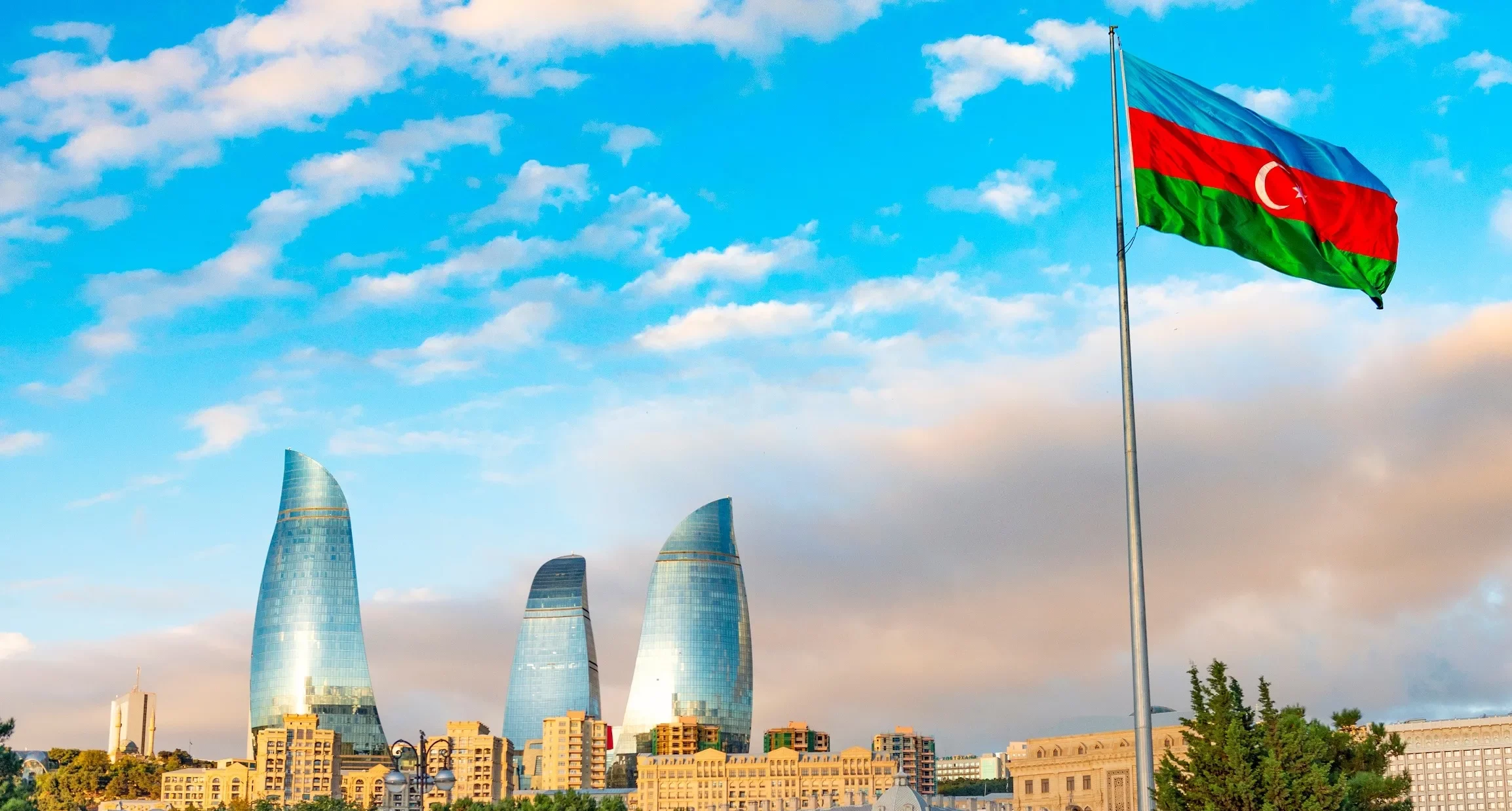
The ongoing global lawlessness across virtually all spheres once again underscores the relevance of Azerbaijan’s experience—manifested in the implementation of strategic objectives without harming secondary, let alone third parties.
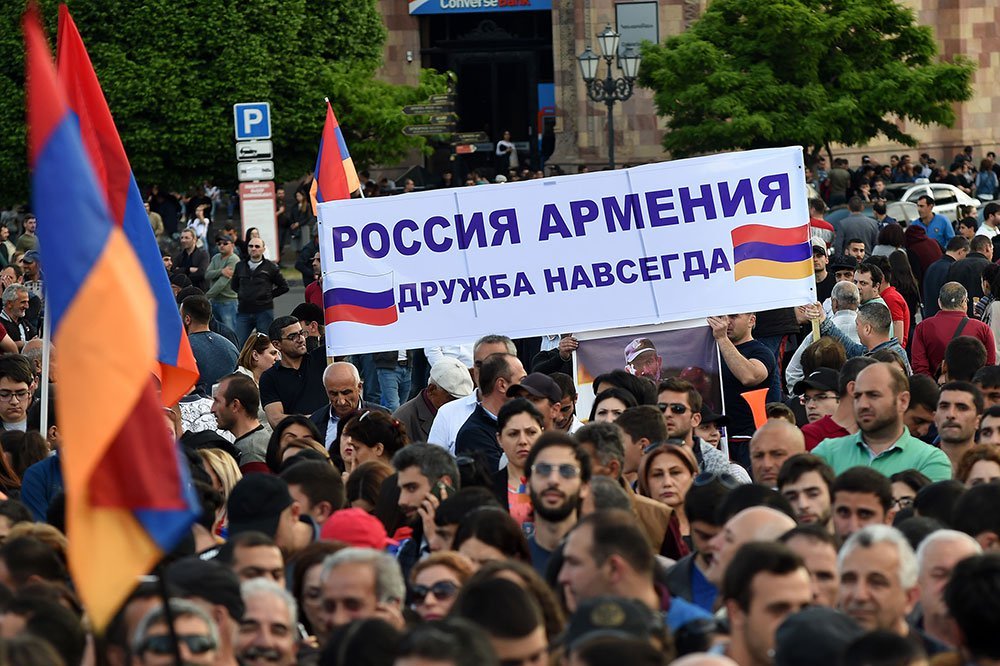
Russia does not intend to let its outpost — Armenia — drift freely. This is now a fact. Moscow is deploying an increasingly ambitious campaign on the Armenian political field.
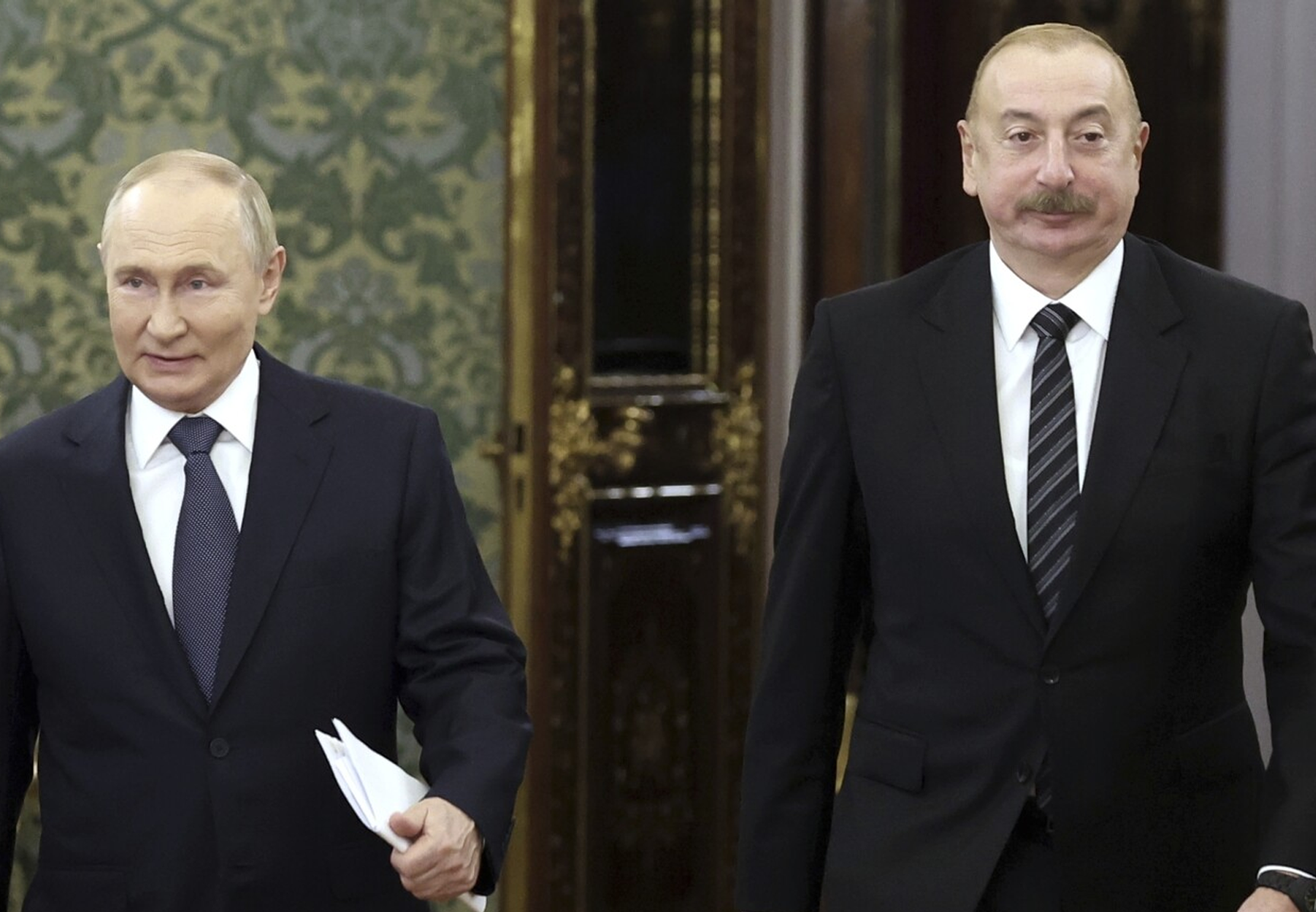
The relationship between Azerbaijan and Russia is undergoing a fundamental shift, marked by rising tensions, strategic recalibrations, and broader geopolitical implications for the South Caucasus.
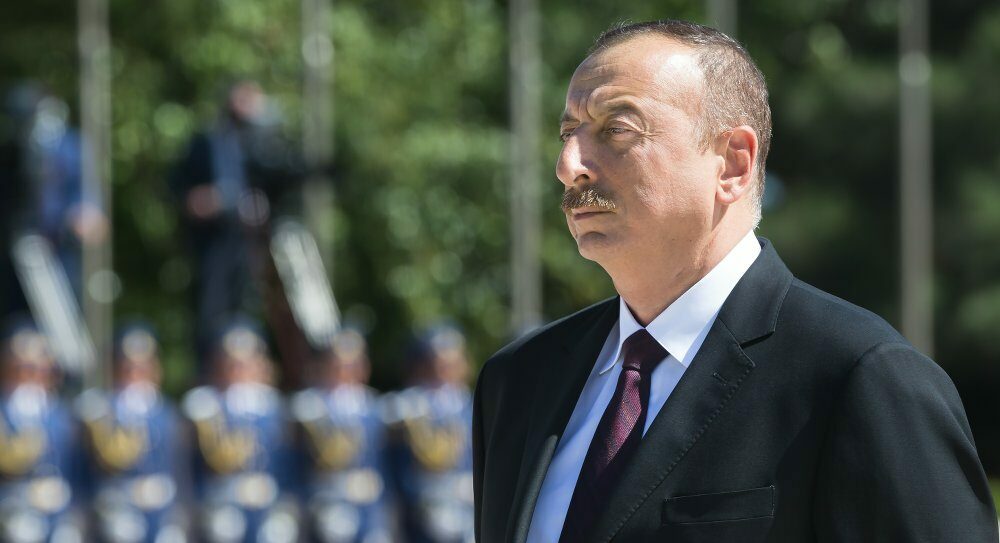
While Azerbaijan strengthens ties with Turkey, Israel, and China, it maintains strategic autonomy and broad diplomatic outreach. Armenia, once heavily dependent on Russia, is now moving closer to the West.
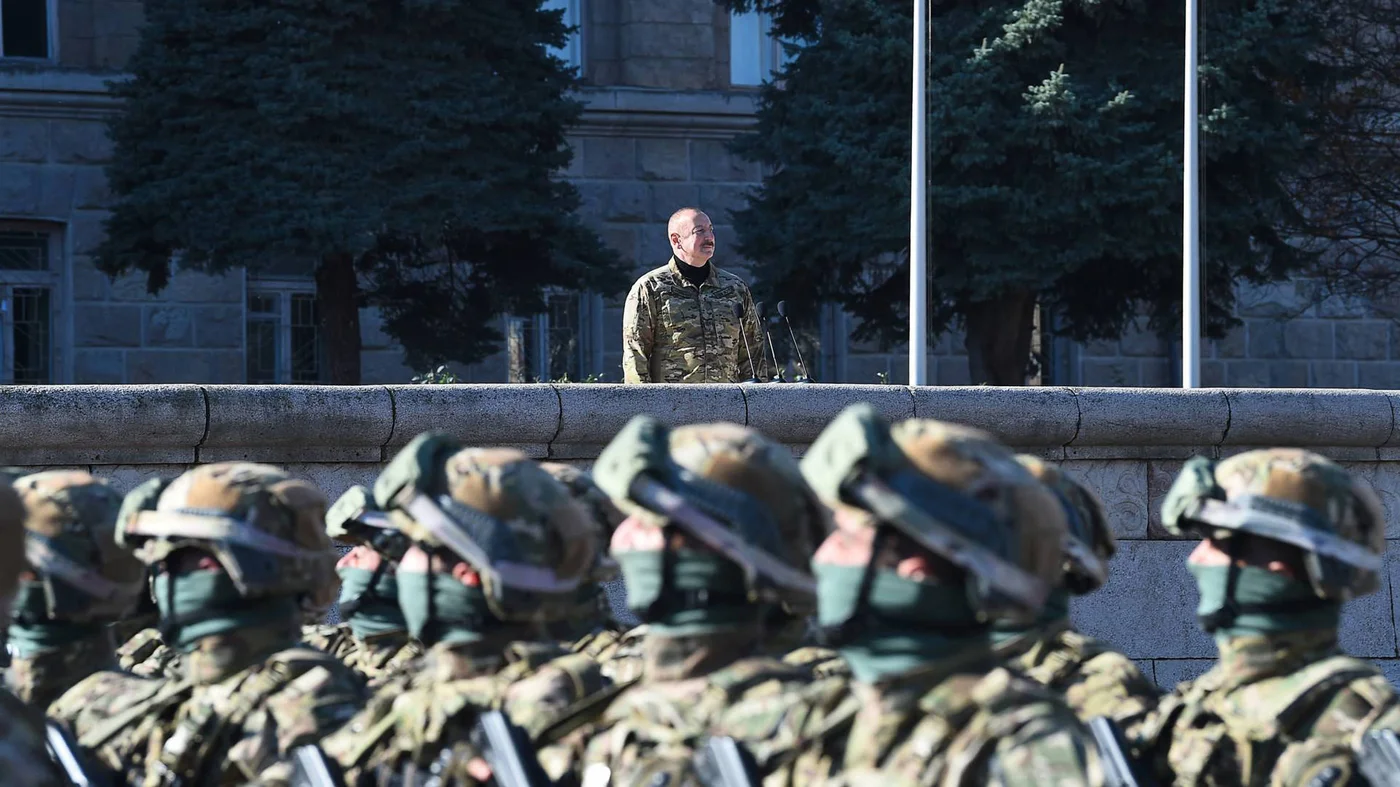
The war with Israel brought Iran’s unresolved relationship with Azerbaijan back to the forefront.
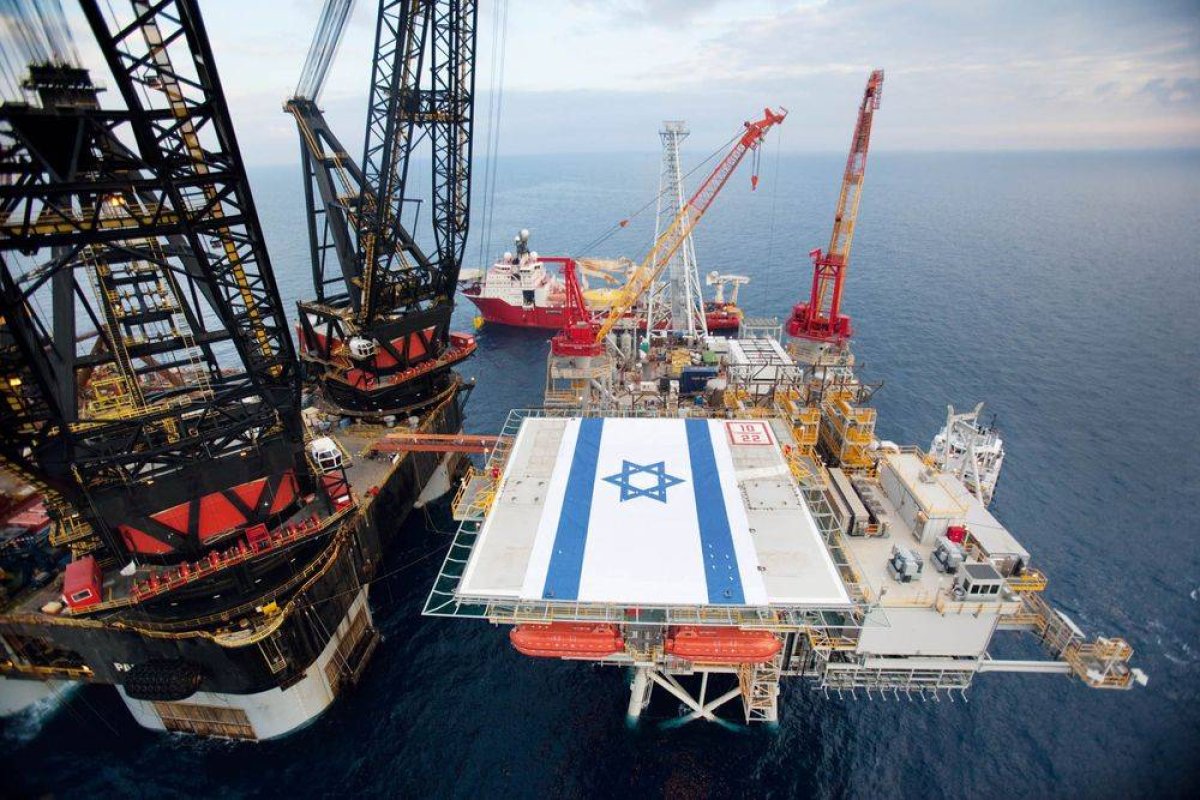
Starting August 2, Azerbaijan will begin supplying natural gas to Syria via Turkey under an agreement signed during the visit of Syria’s interim president Ahmed al-Sharaa to Baku.
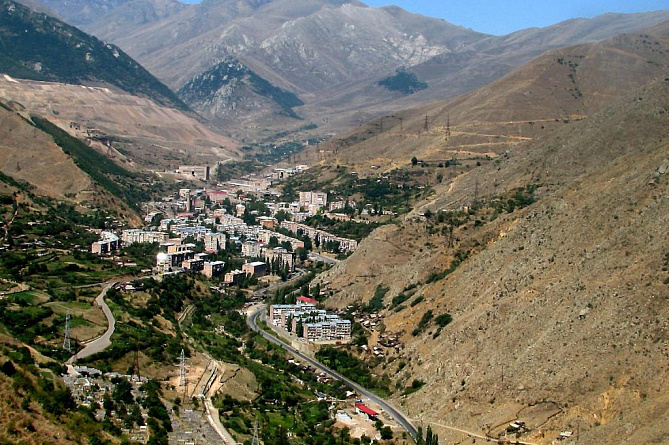
Armenia stands to gain economically, but domestic opposition and threats from Russia must be weighed by the country’s prime minister.

There was a time when France evoked a breeze of romance, philosophy, and freedom. A time when Dumas, Hugo, and Voltaire dazzled the world with their masterpieces — works that will forever remain in the annals of history.
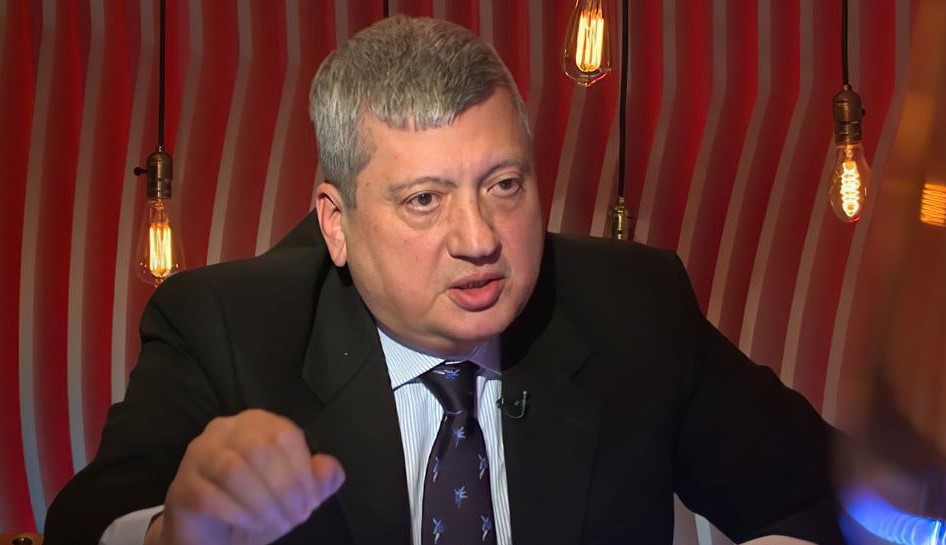
Former Azerbaijani Foreign Minister Tofig Zulfugarov recently published a Facebook post that sparked strong reactions within Russian nationalist circles.