To say that right now another cynical, brazen and deceitful hoax is taking place in Georgia before the eyes of the entire world is to say nothing. There is shameless pressure on the legitimately and democratically elected Georgian authorities.

To say that right now another cynical, brazen and deceitful hoax is taking place in Georgia before the eyes of the entire world is to say nothing. There is shameless pressure on the legitimately and democratically elected Georgian authorities.
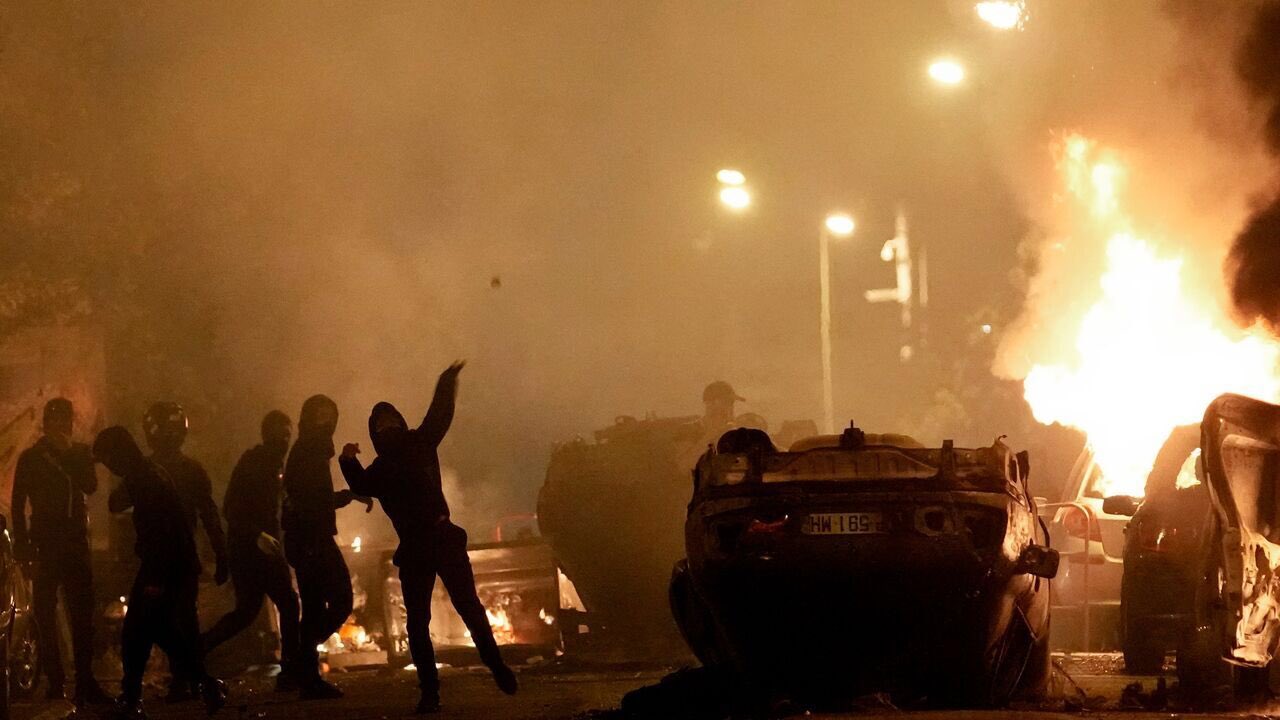
For decades, New Caledonia, a French overseas territory in the Pacific, has been embroiled in a contentious struggle for independence. The indigenous Kanak people have long sought self-determination and sovereignty over their land.
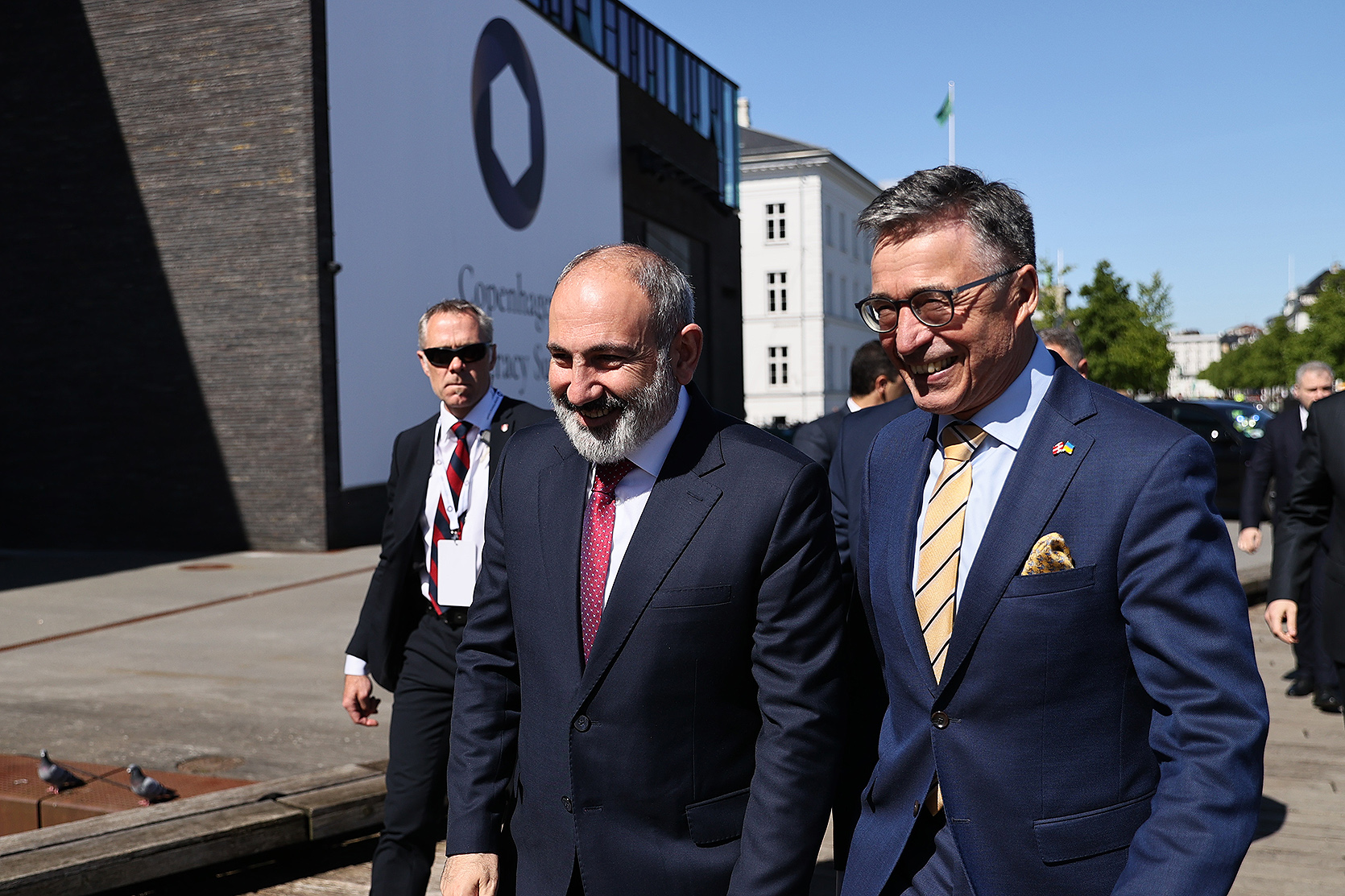
After these "reminders from the sky," the authorities in Yerevan began to understand that they should abandon their hopes for a revenge, though the opposition still refuses to do so to this day, but that is a separate topic.
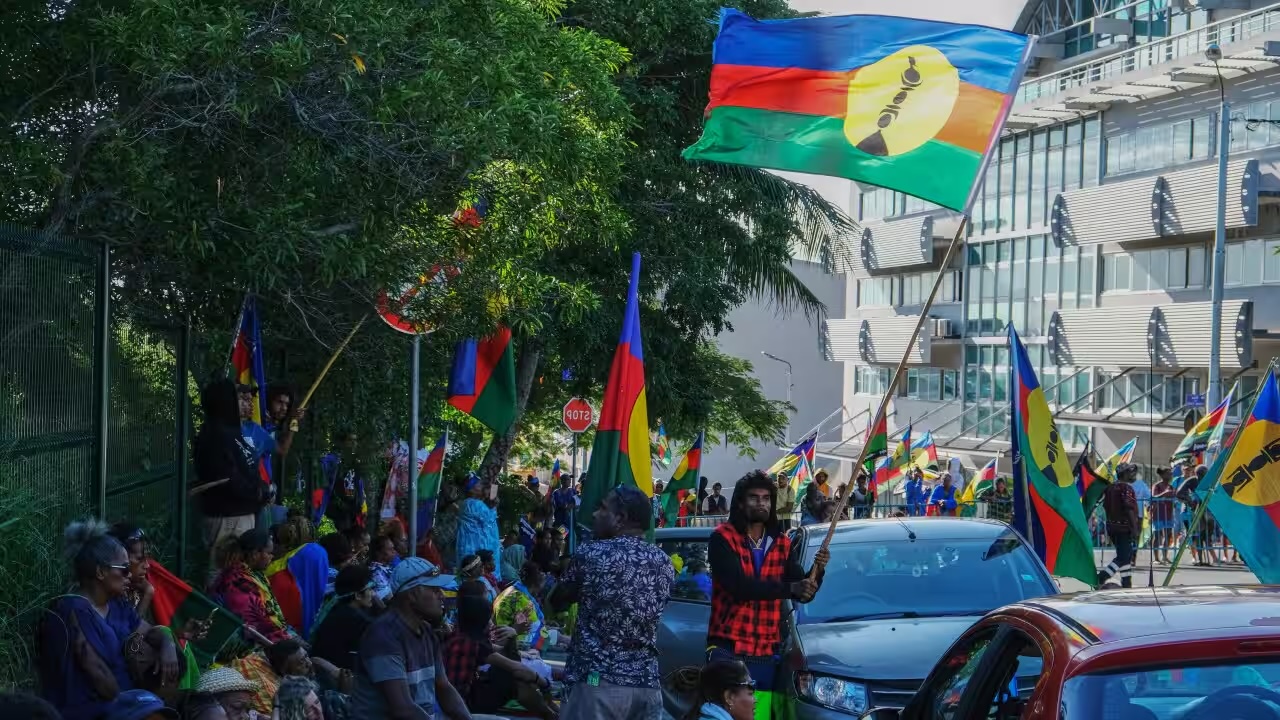
Now in Paris, opponents of New Caledonian independence talk about the "ingratitude of these savages" whom the French catapulted from the Stone Age into the era of high technology, conveniently omitting the fact that they took New Caledonia with bloodshed.
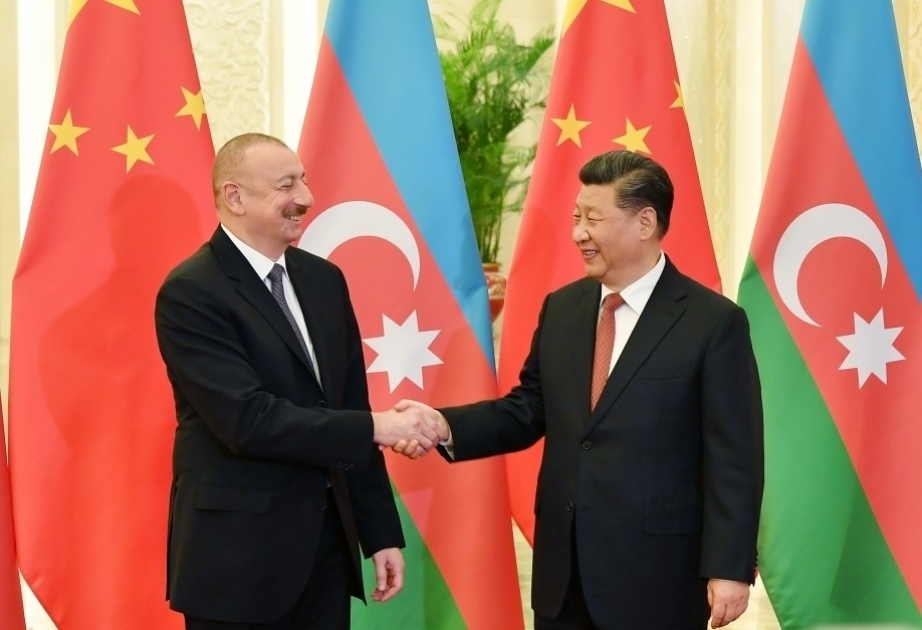
China recognized our territorial integrity without any preconditions and established diplomatic relations with Azerbaijan, which has significantly contributed to the successful development of mutual relations based on mutual interests and benefits.
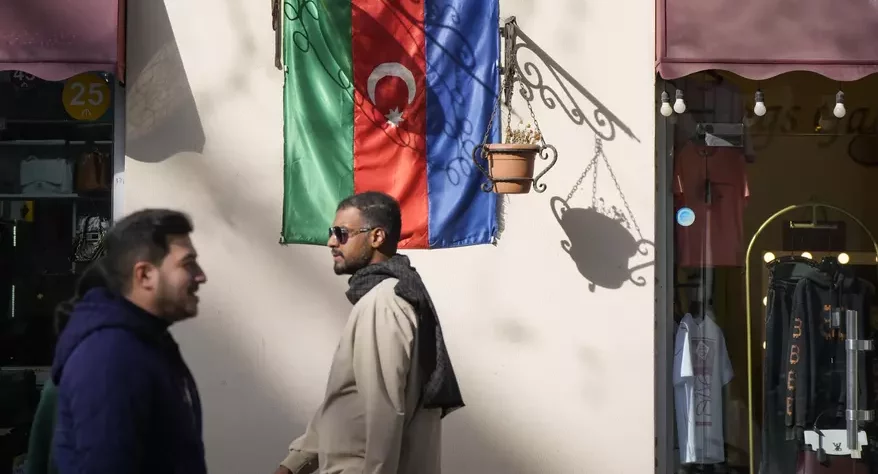
Not only do Jews and Bahai enjoy the freedom to practice their faith, but so do Christians of all denominations.
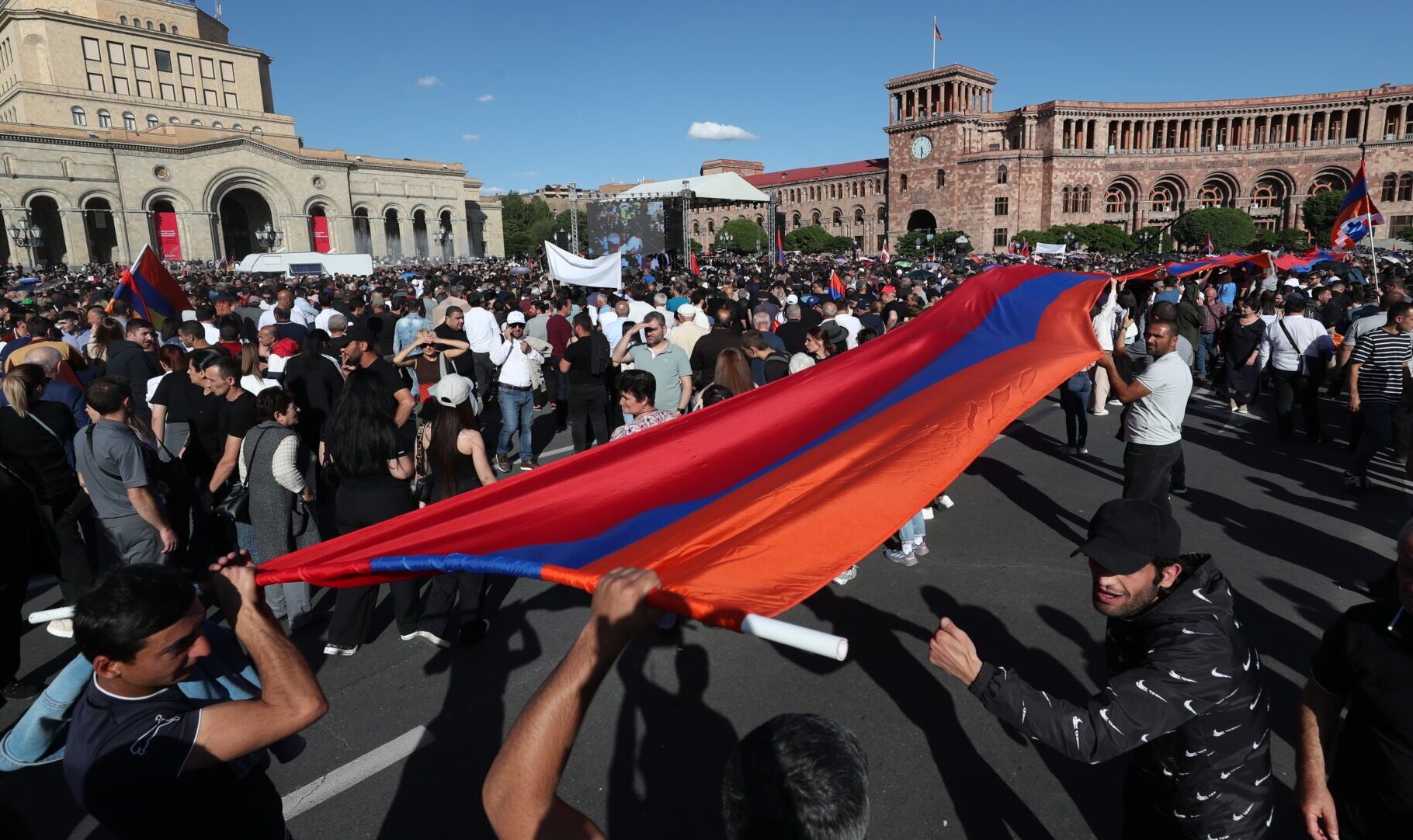
The statement issued after the 8th meeting between the border determination commissions of Azerbaijan and Armenia on Qazakh-Ijevan border, regarding the return of four non-enclave villages of Qazakh triggered protests in Armenia.
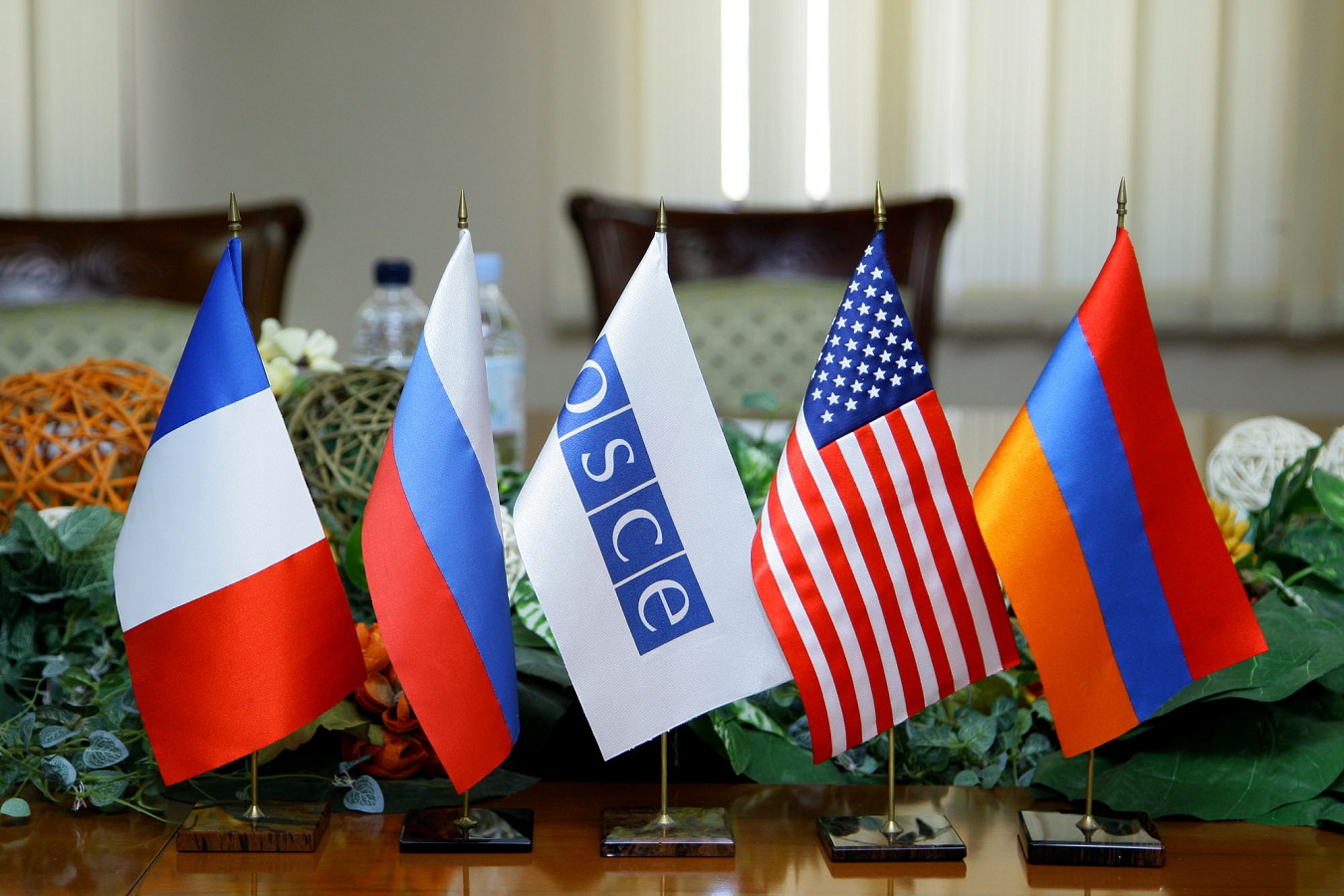
During the visit of a delegation led by the current OSCE Chairman, Malta's Minister of Foreign Affairs, European Affairs, and Trade, Ian Borg, President Ilham Aliyev once again raised the issue of dissolving the OSCE Minsk Group and all related institutions.
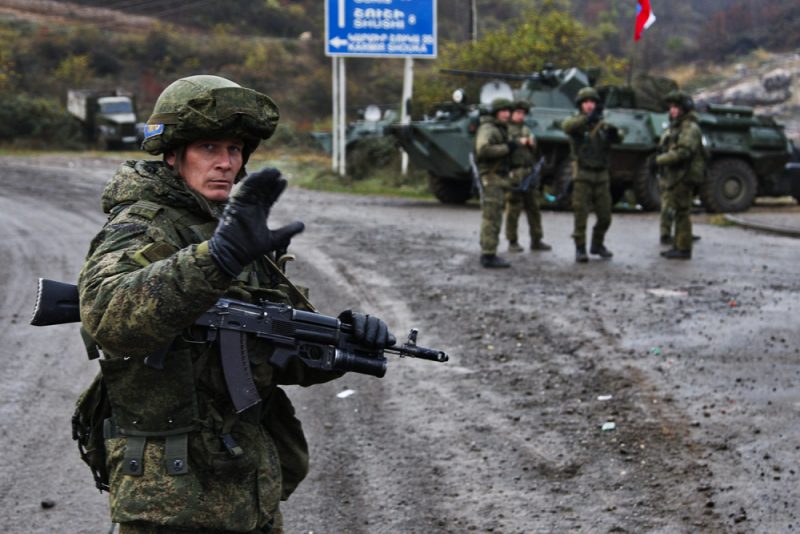
Russian peacekeepers are leaving Azerbaijan. The last units of the RPC are departing from our country. Where the servicemen will go is not disclosed, but this is, in every sense, an internal matter for Russia and its military command.
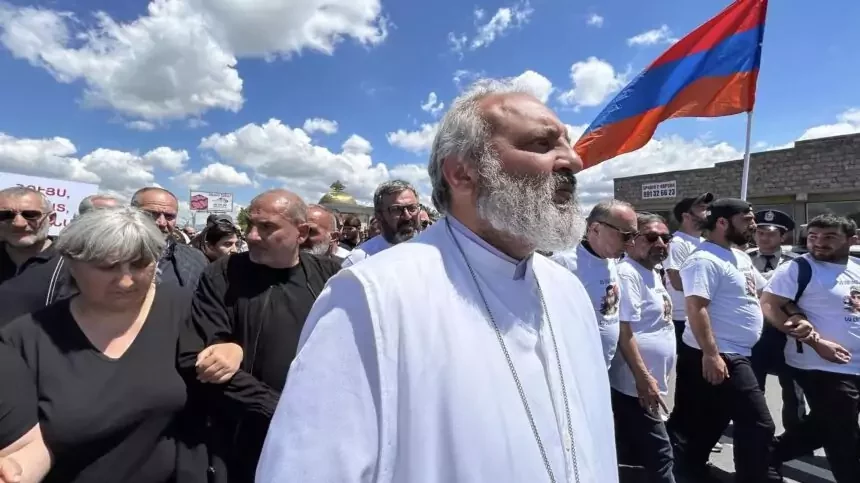
For some Armenians, the Catholicos is considered one of the last remnants of the former regime —by association, links with Russia.
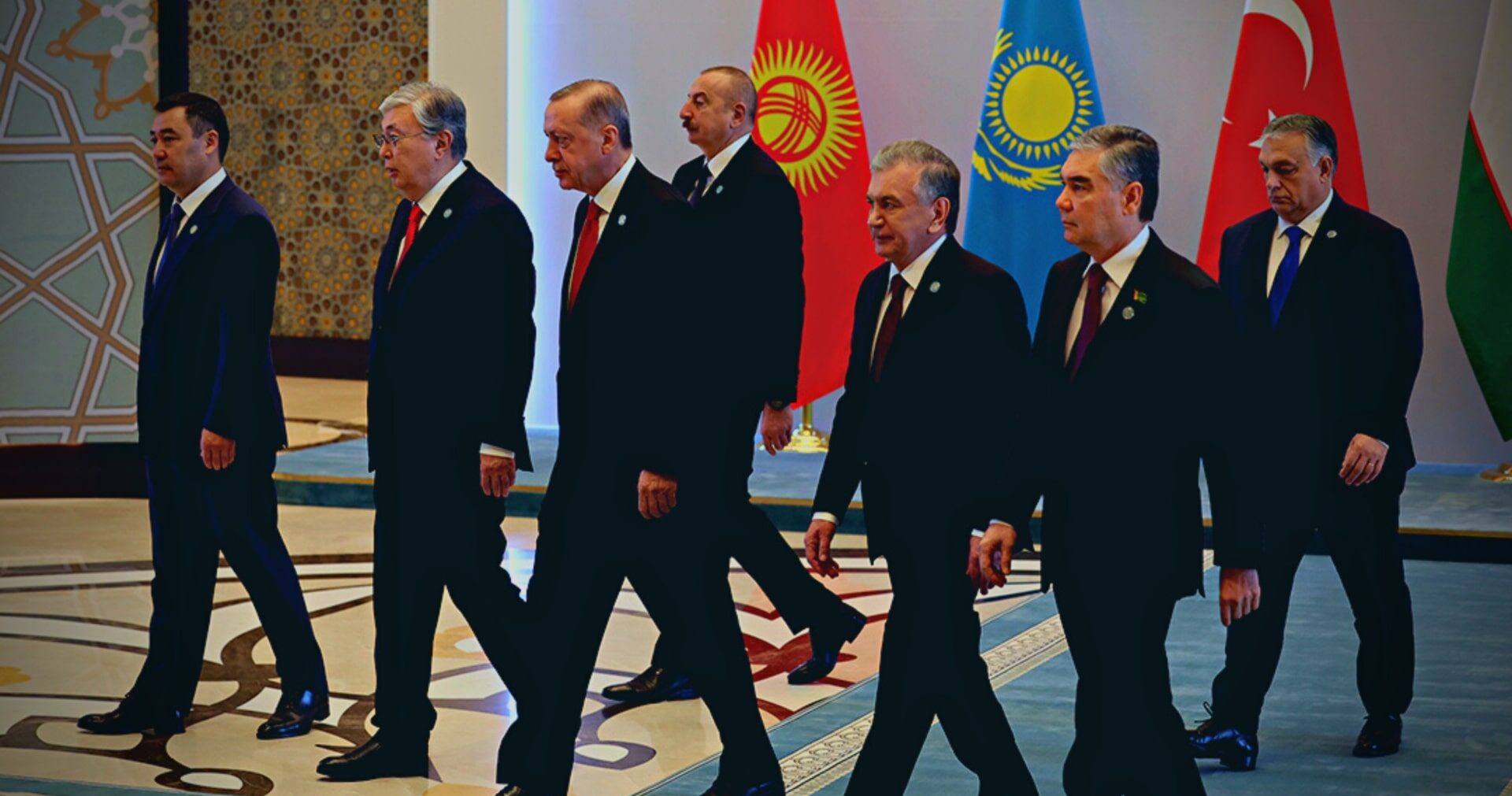
With the restoration of Azerbaijan’s territorial integrity and sovereignty President Ilham Aliyev made integration with the Turkic states a national priority.
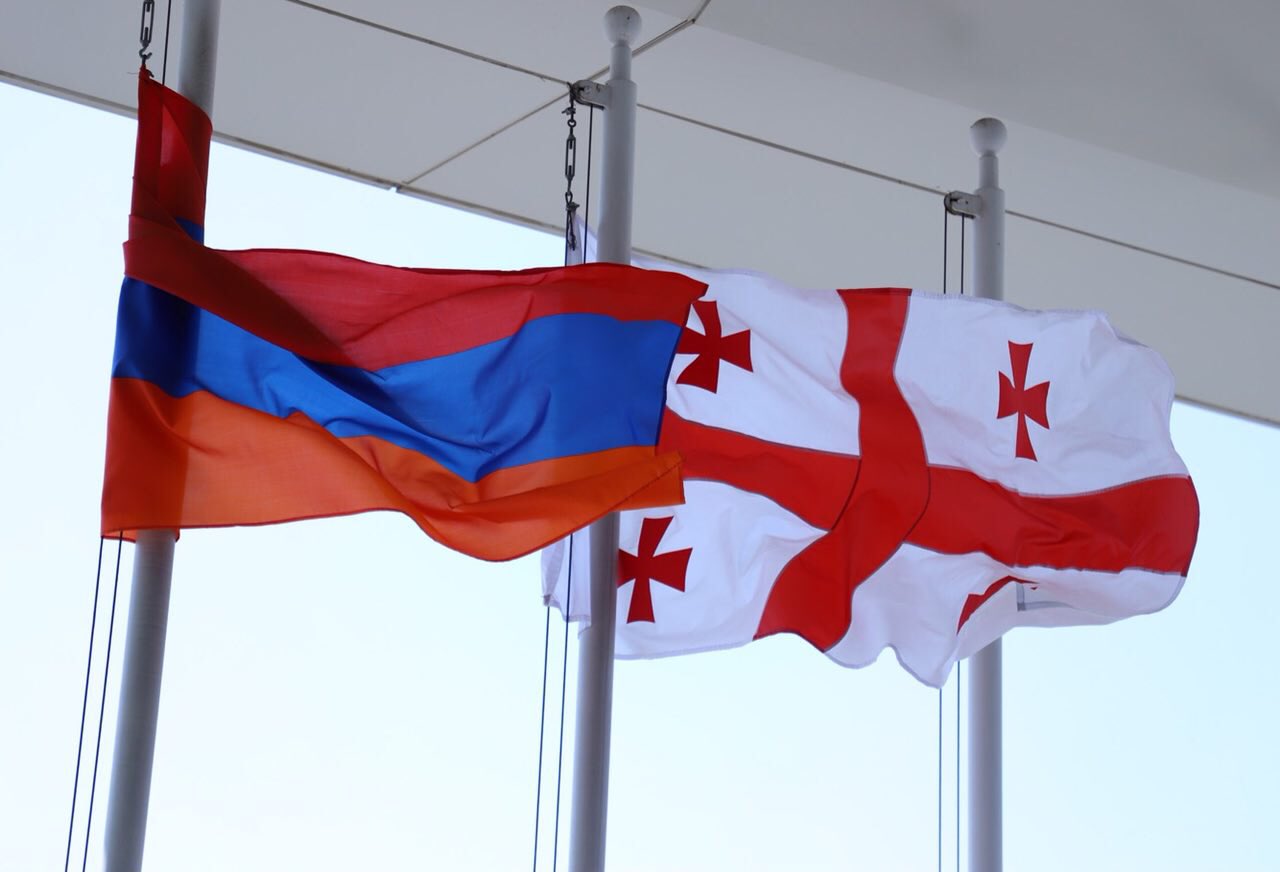
The situation in neighboring Georgia remains tense.
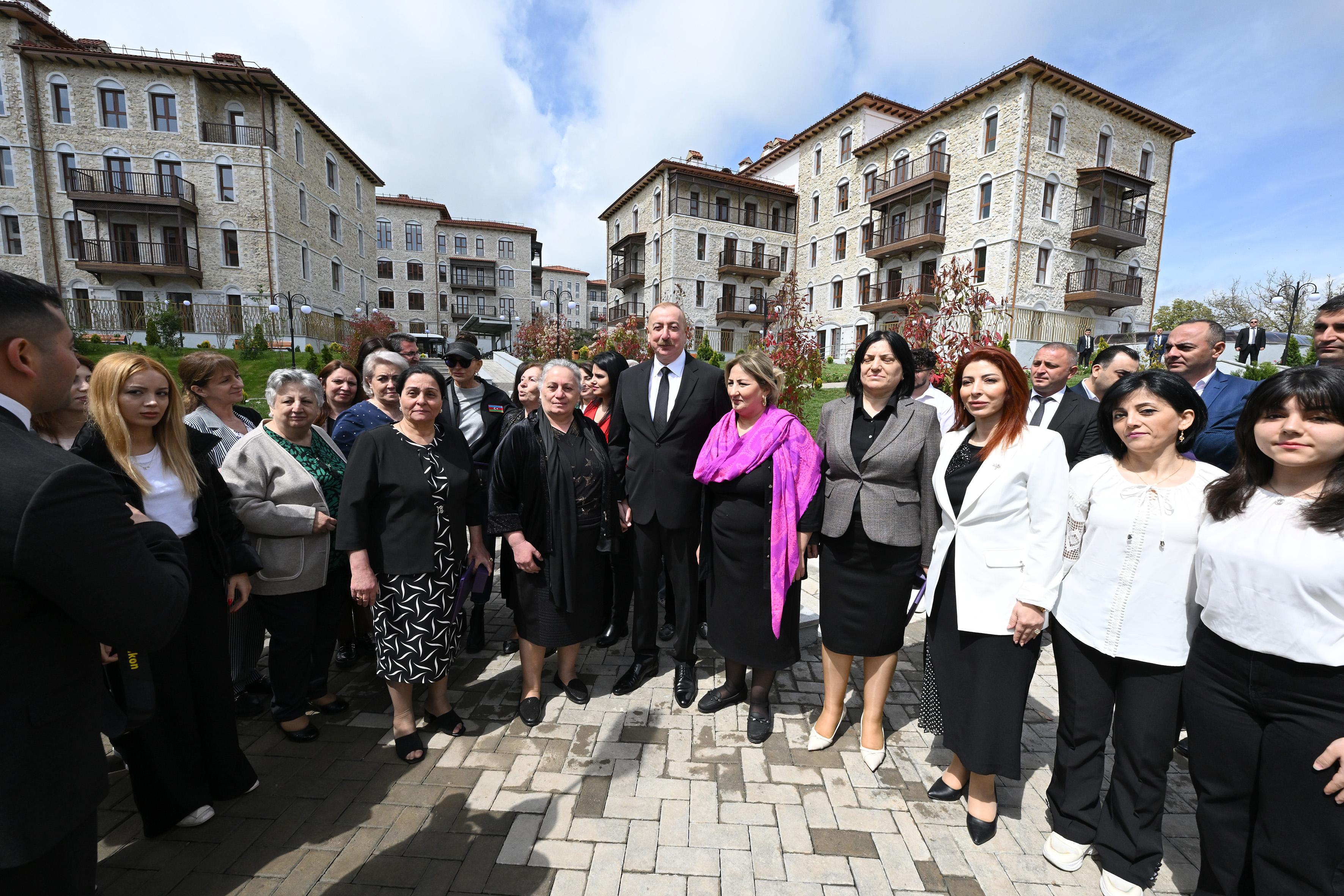
The recent relocation of internally displaced persons (IDPs) to Azerbaijan's historical city of Shusha marks a significant milestone after 32 years of separation due to occupation.
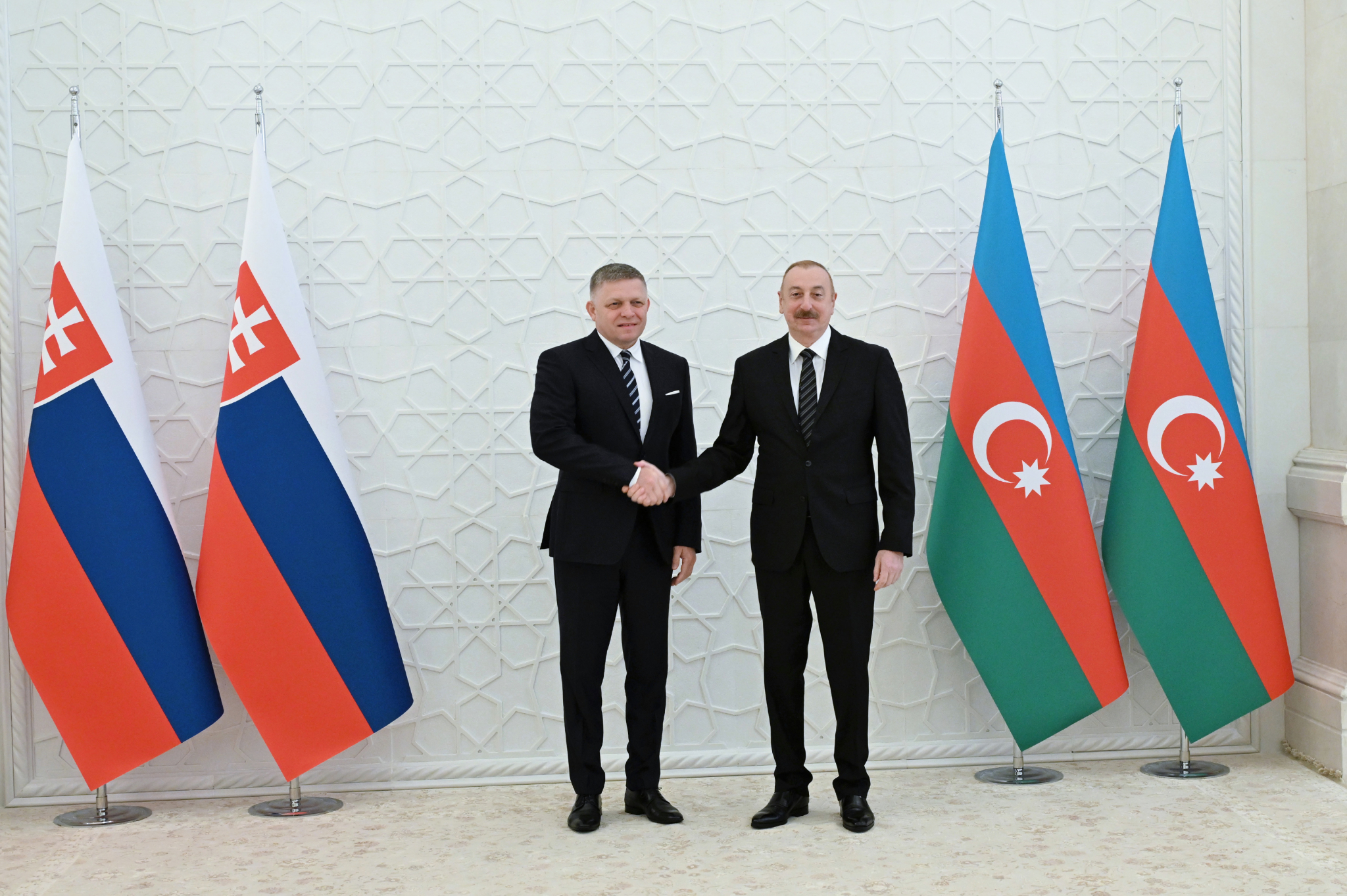
Slovakian Prime Minister Robert Fico made his first foreign visit outside Europe to Azerbaijan on May 7, 2024 after the being elected prime minister.
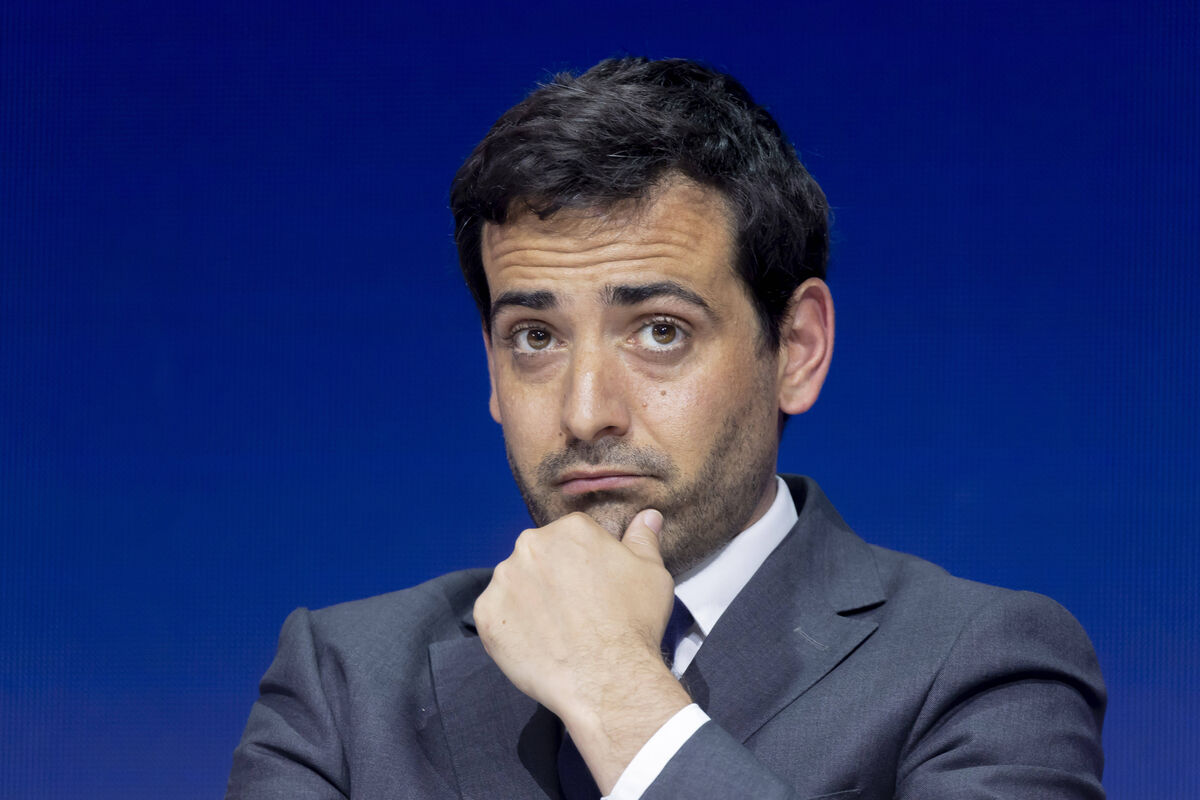
Amid tensions over its perceived "Armenocentrism," French diplomacy now finds itself struggling desperately.
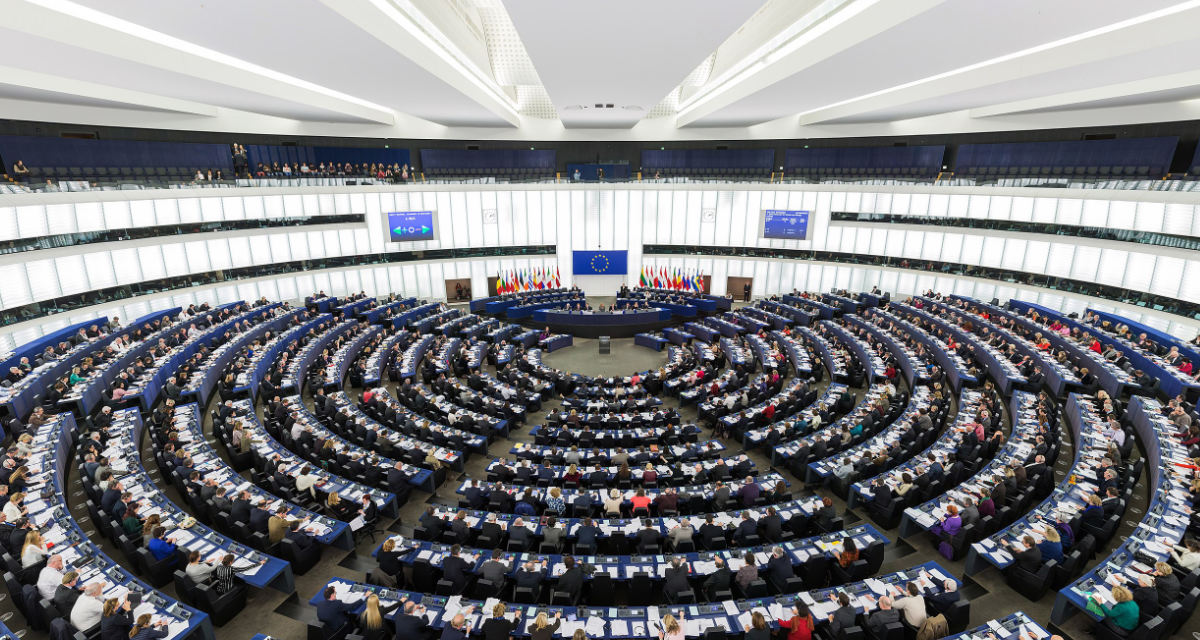
Voice of Europe’s news reports would blend in with typical Russian propaganda if not for the political legitimacy they gained by featuring sitting MEPs.
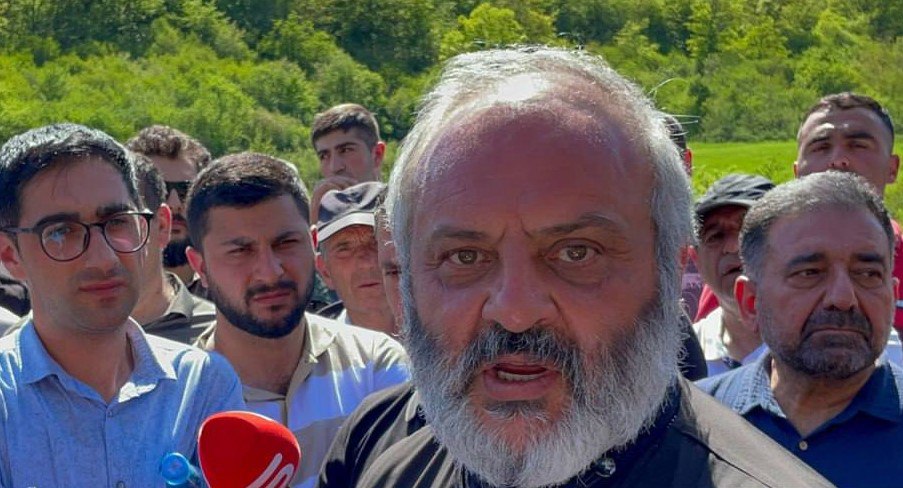
The Armenian Church-led opposition movement against its government’s ongoing quest for peace with Azerbaijan represents a clear and present danger to that country’s future and a direct threat to stability in the Caucasus.
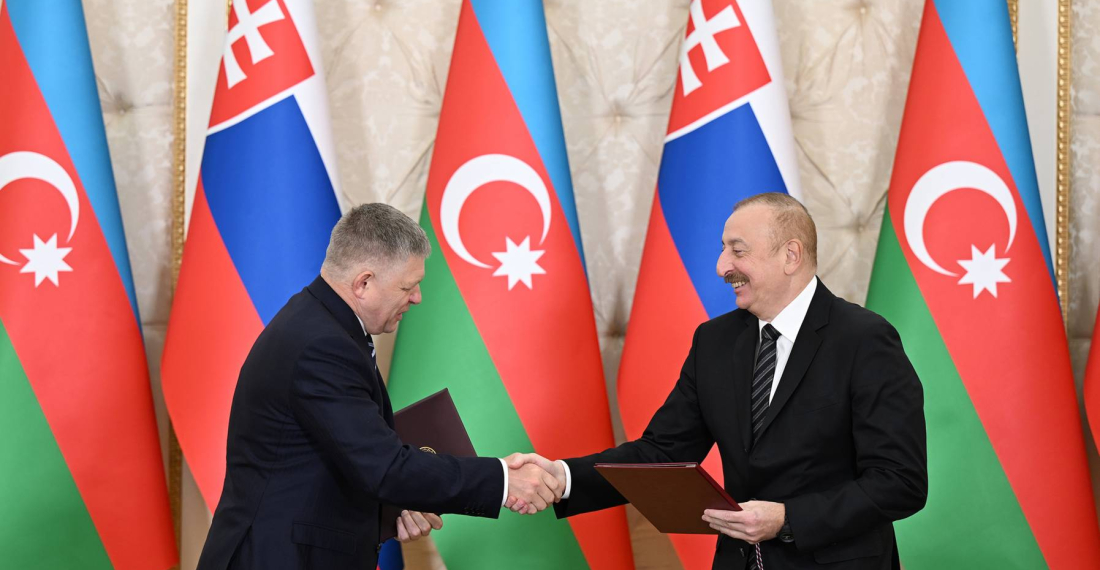
This level of relations between the two countries has been reflected in three particular areas. Above all, Baku and Bratislava agreed on the establishment of joint production capacities in the field of defense industry.
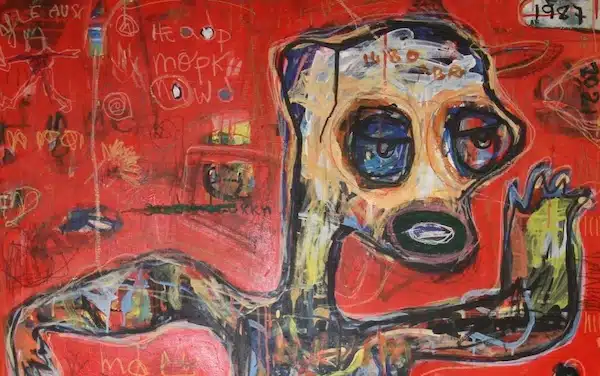
On 2 October 1958, Guinea declared its independence from France. Guinea’s President Ahmed Sékou Touré clashed against France’s President Charles De Gaulle, who tried to strong arm Touré into abandoning the project for independence.
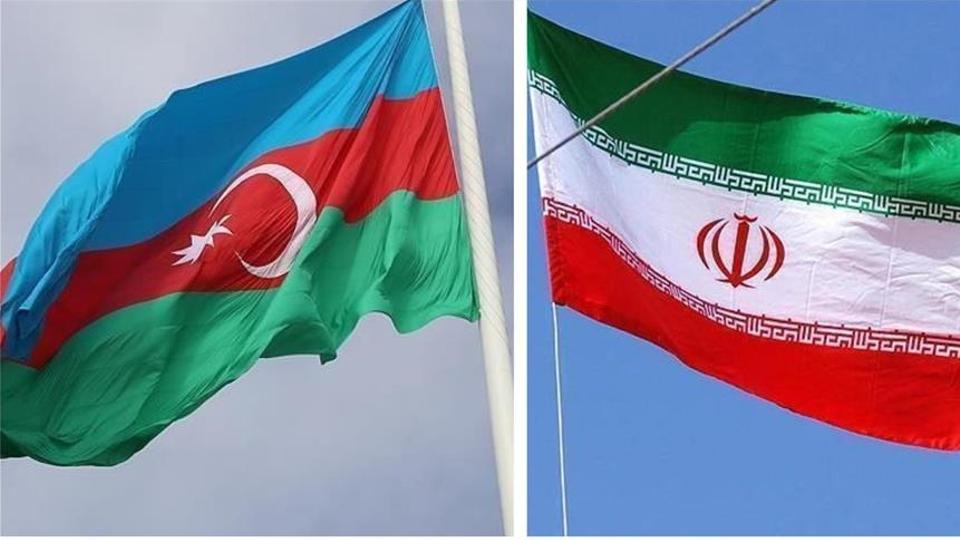
Azerbaijan-Iran relations are back to normal after a series of diplomatic crises and escalatory military drills near state borders in the last two years.
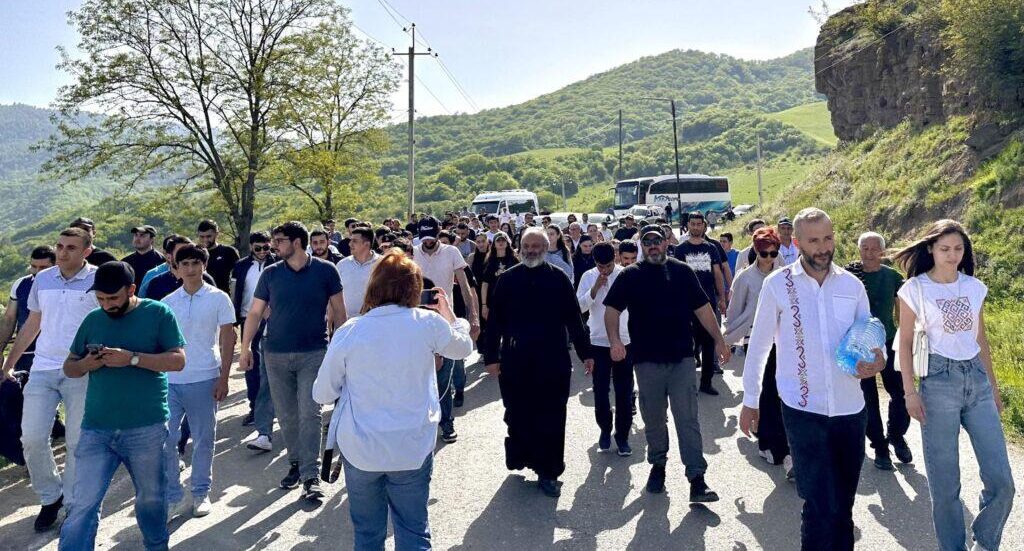
The massive rally on May 9 in Yerevan's Republic Square, staged by the Tavush for Homeland movement led by Archbishop Bagrat Galstanyan, underscores a critical moment in Armenia's political landscape.
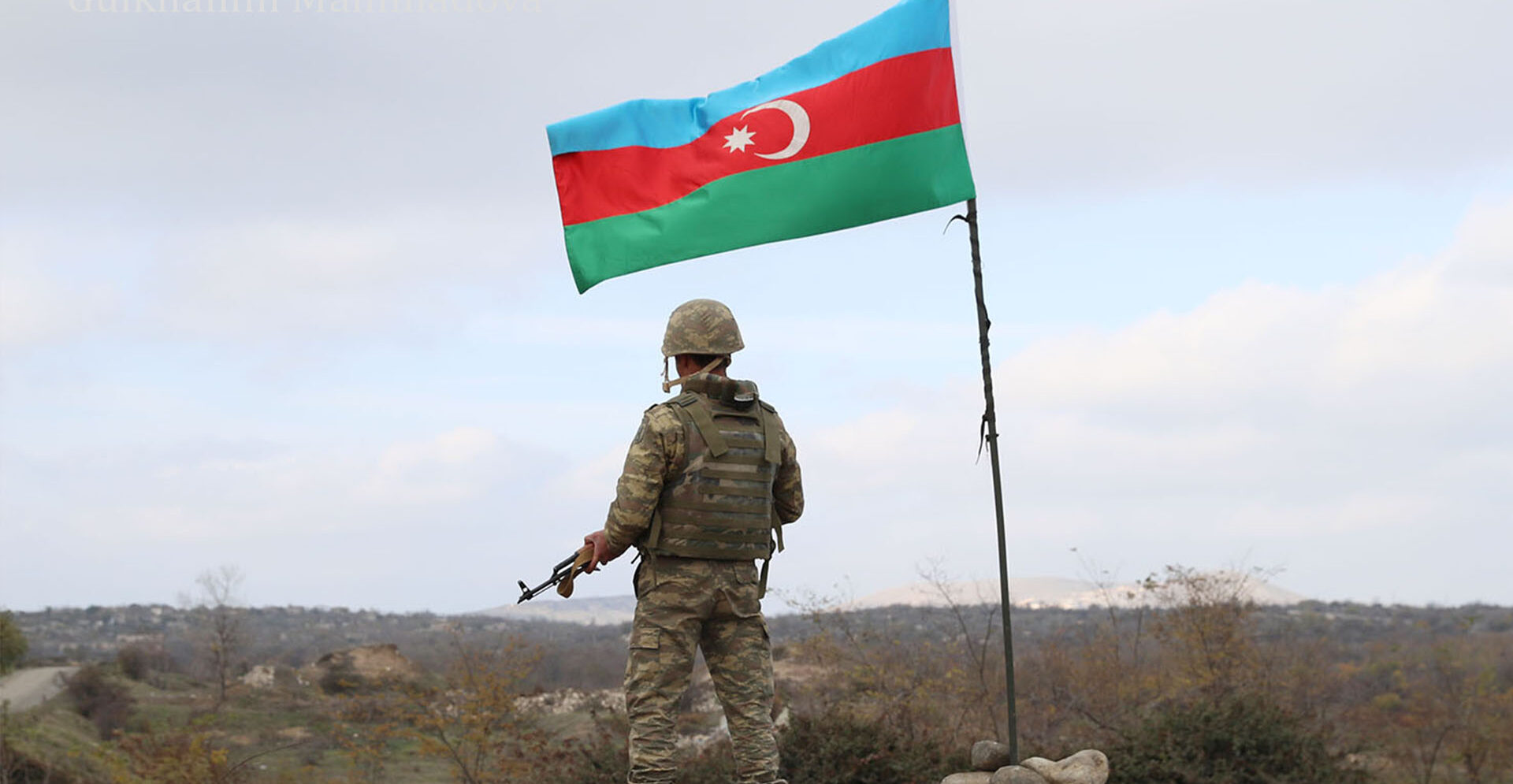
The vague and unclear terms of the 10 November ceasefire agreement which do not specify the temporary status of Nagorno-Karabakh, as well as the negative experience of Russian de-facto occupation of Georgian territories, have engendered certain negative expectations in Azerbaijan.
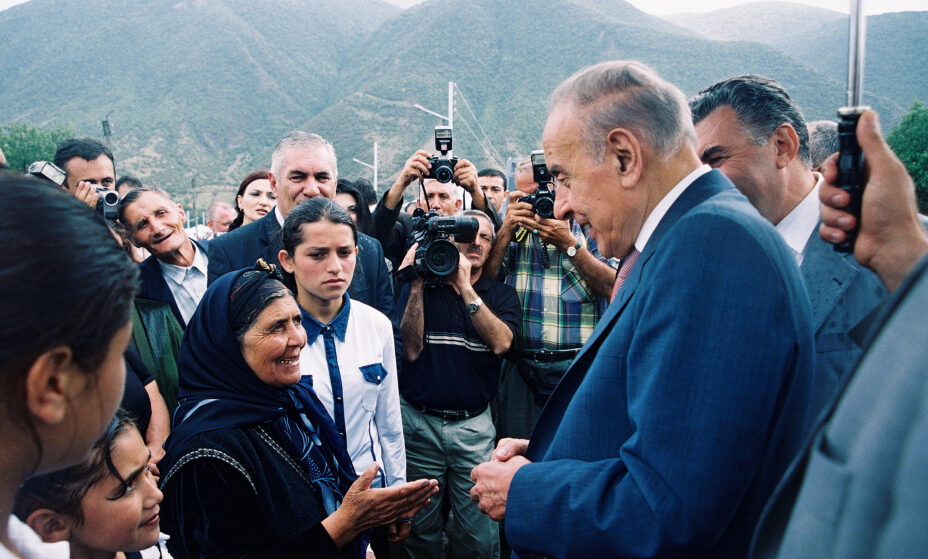
Great leader Heydar Aliyev is a historical figure and outstanding statesman. By preserving the traditions of Azerbaijani statehood through various political systems, and by leading the country out of a whirlpool of difficult, very troubling times with exceptional political foresight in the process of realizing the idea of an independent state, he rose to the level of a National Leader.
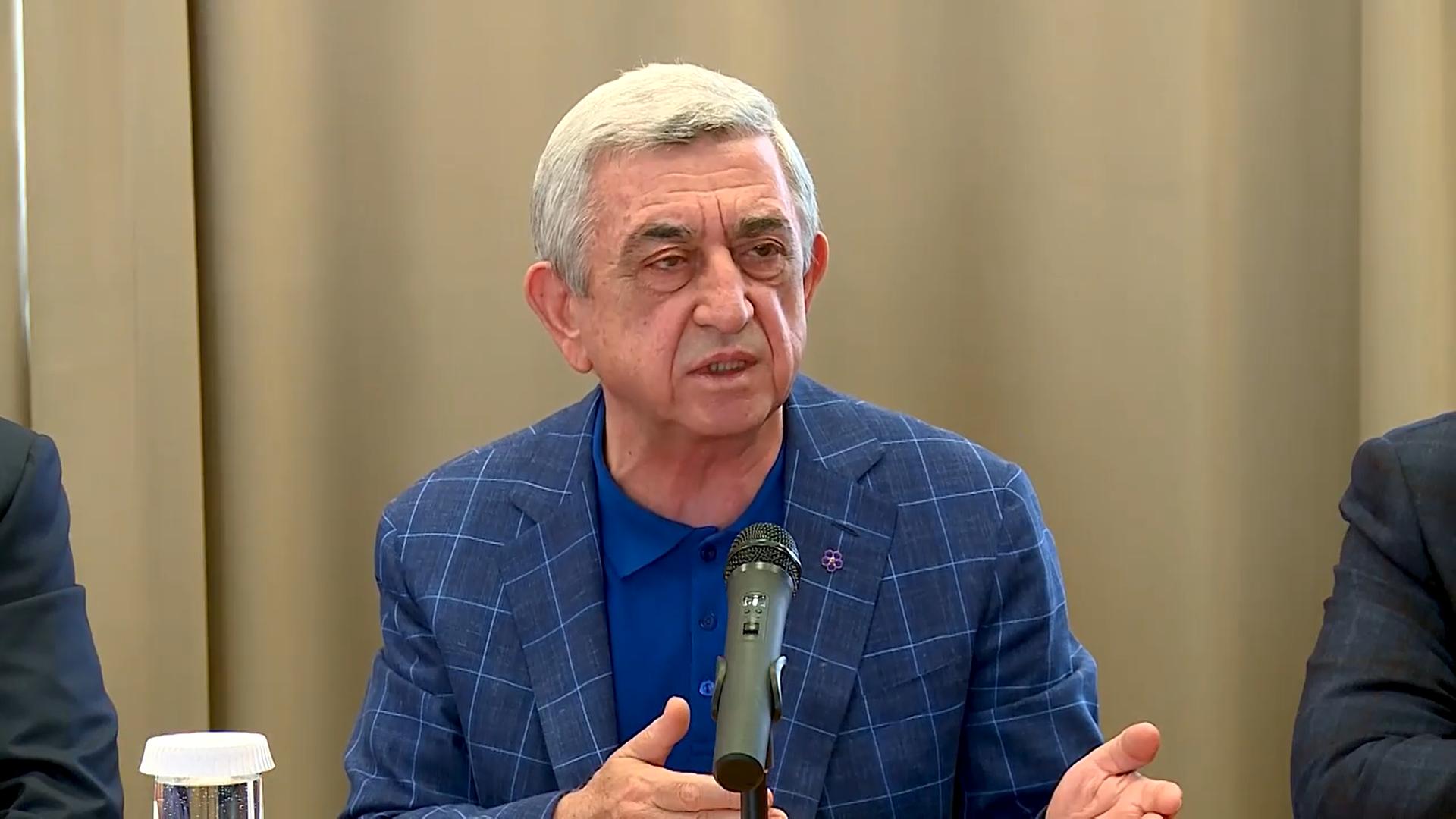
On the occasion of May 9, Serzhik Sargsyan, a war criminal, one of those complicit in the Khojaly genocide, and a former President of Armenia, resurfaced once again.